
Dexter — Resurrection: When the Television Autopsy Outshines the Myth
An unforgiving analysis of Dexter: Resurrection. Clyde Phillips dismantles the mythology of the perfect killer with an honest and painful television autopsy.

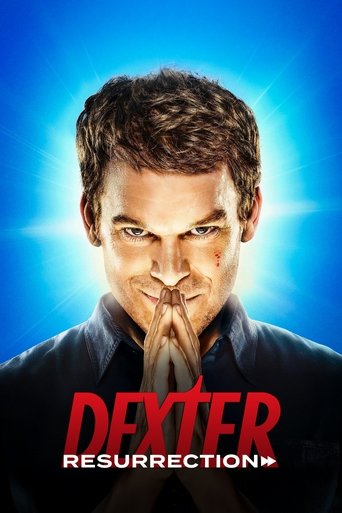
Dexter: Resurrection: full review


As an Amazon Associate, Claqueta Ácida earns from qualifying purchases.
Contemporary television suffers from an unhealthy compulsion to revive hertzian corpses that should have rotted in peace. Streaming platforms fuel a digital graveyard where characters return again and again, devoid of blood, turned into mere corporate specters designed to please the on-duty algorithm. When a new extension for the adventures of the small screen's favorite blood-spatter forensic was announced, this editorial board's skepticism bordered on preemptive misanthropy. The track record of narrative stretching in this franchise advises caution before approaching the television on an empty stomach. The worst was feared: an involuntary parody of itself, a parade of empty cameos, and a script written by a committee of lawyers worried about non-compete clauses.
But it turns out that Clyde Phillips returns to the creative helm and decides to skip the manual of complacent fan service. Far from proposing a forward flight full of pyrotechnic artifices, the series kicks off from the most absolute physical humiliation, forcing its protagonist to face ten weeks of deep coma. There is no trace here of the infallible vigilante who dominated Miami's timelines with an enigmatic smile. The monster sprawled out on a hospital bed breathes with difficulty, sweats fever, and drags his feet like an aging feline who has just been reminded of his mortal condition. It is a disturbing image, almost obscene in its rawness, that shatters the toxic charm of the previous season. Phillips understands that true violence is not in the spilled blood, but in the impotence of not being able to control it.
The pursuit that unfolds from that painful awakening to the impersonal streets of New York functions as a sort of belated expiation. When the veteran detective played by Dominic Fumusa or the persistent shadow of Angel Batista begin to close in from Florida, the plot acquires unusual density. It is no longer about hunting serial monsters to satisfy an arbitrary code, but about understanding that pending debts with one's own blood never expire. The escape of young Harrison, embodied with very appropriate perturbation by Jack Alcott, amplifies that feeling of genetic failure where the sins of the fathers become the only tangible inheritance. Alcott steals the scene every time he appears, conveying a visceral anguish that contrasts with the calculated coldness of his biological father.
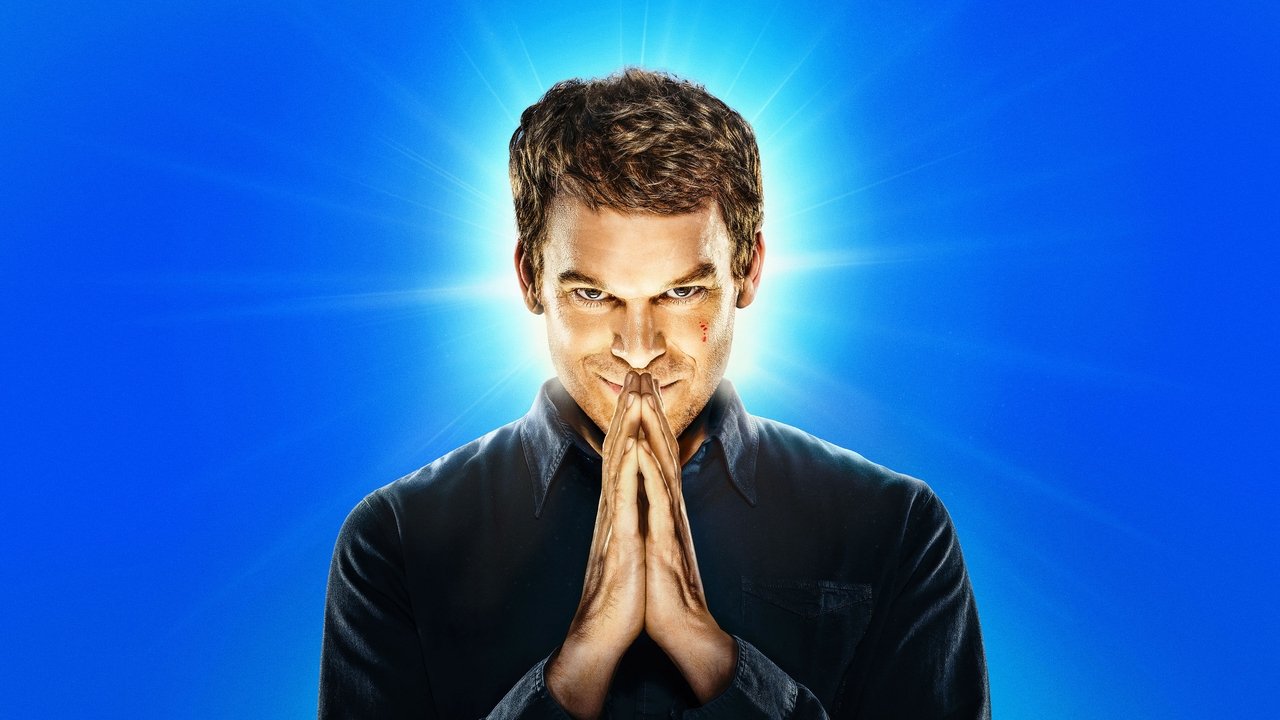
The best

- Michael C. Hall: a mature performance that dispenses with ironic posturing to embrace the physical vulnerability of an aging killer.
- The twilight tone: the decision to prioritize the weight of the past over gratuitous criminal pyrotechnics.
- The urban atmosphere: New York as a claustrophobic labyrinth where it is impossible to hide from oneself.
- The chemistry with Uma Thurman: an intellectual and emotional dynamic that rescues the dignity of the main character.
The structural success of this batch of episodes lies in abandoning the old-school procedural thriller to embrace the sewer drama. The direction avoids visual preciousness and entrusts the dramatic weight to the physicality of its performers. Michael C. Hall does not play an evil genius at the height of his powers, but a decomposing organism surviving by pure predatory inertia. Every gesture of pain when sitting up, every averted glance on the asphalt of New York, disarms the previous mythology to build something much murkier and more plausible. The addition of presences like Uma Thurman brings a dense interpretive texture, an intellectual counterweight that steers the narrative away from industrial yawns. Thurman is not a simple romantic interest, but a brilliant mind trapped in a glass cage, whose presence elevates the level of the conversation and forces Dexter to confront his own intellectual mediocrity. The chemistry between the two is tense, electric, and profoundly human, something the franchise never allowed before.
The worst

- Nostalgic subordination: some supporting characters forced to justify the continuity of classic mythology hinder the main drama.
- The weight of prior folklore: certain expository dialogues dedicated to explaining the past prove unnecessary for the attentive viewer.
- Irregular pacing: some episodes stretch unnecessarily, losing accumulated tension in favor of static contemplation.
The worst
In the sound department, Pat Irwin's work abandons the symphonic strridencies of yesteryear to compose a bed of electronic murmurs and muffled breaths. The music does not seek to underline cheap jumpscares, but to accompany the disorderly flow of thoughts of a man who knows his time is running out. It is a sound that settles under the skin, uncomfortable and persistent, like an infection that refuses to heal. The staging in the streets of the big city dispenses with tourist postcard-making to frame the action in dirty alleys, lackluster doorways, and hotel rooms that smell of humidity and retained fear. The cinematography, cold and desaturated, turns New York into a hostile character, a labyrinth of concrete where natural light is scarce and artificial light flickers maliciously. The editing breathes with pause, allowing silence to weigh as much as the edge of the steel. There are no fast cuts to hide vacuity; there are long shots that force the viewer to look into the eyes of a man who is falling apart.
The Verdict of Claqueta Ácida
Dexter: Resurrection is not a continuation, but a necropsy: the series dismantles the mythology of the perfect Dexter by showing that the only way to survive the darkness is not to master it, but to admit that one is, simply, a breathing corpse. Clyde Phillips and Michael C. Hall prove that there is still intelligent pulse left in the death rattles of prestige television when artifice is swapped for pathological decency. An exhilarating triumph that redeems a brand left for dead 💀.
🎬 Tráiler Oficial
Abrir en YouTube
Dexter: Resurrection: frequently asked questions
- What is the rating of "Dexter: Resurrection" on Claqueta Ácida?
- "Dexter: Resurrection" scored 8.1/10 on Claqueta Ácida in the review by Odin Lagbert.
- Is "Dexter: Resurrection" worth watching?
- Yes. We gave it 8.1/10 (Nuclear Fusion), our rating for must-see films.
- Who directed "Dexter: Resurrection"?
- "Dexter: Resurrection" was directed by Clyde Phillips.
Theater Collateral Damage Report
Psychophysical impact certificate issued by Odin Lagbert
Cero opciones de pestañear cuando el bisturí entra donde duele.
Ni un solo vistazo al segundero mientras el pasado persigue al protagonista por las aceras de Nueva York.
How much second-hand embarrassment the film causes (10 = maximum). It is not the review score.
Café solo y muy cargado, tomado en rigurosa penumbra antes de que amanezca.
"El despertar del coma que transforma la cacería en un ejercicio de introspección carnal."
Another critic from the newsroom scores the same film. The main score is still the one at the top of the review.

The rebuttal from Lúa Ácida (Queen of the Box Office)
In stark disagreement with the review given by Odin Lagbert.
Me hundí en la pantalla como una aguja en la epidermis. La atmósfera se arrastra, densa, sin la mordida que el forense exigía. La cámara se vuelve un bisturí torpe, enfocando la sudoración como si fuera un cuadro de museo, sin la pulsión de muerte que antes nos hacía temblar. El ritmo se diluye en una marea de silencios que no cortan, una autopsia de energía donde cada plano se estira como mucosa sin sabor. La banda sonora susurra, pero no golpea; la feromona del terror se evaporó. Los diálogos son cuchillos de mantequilla, la tensión se desintegra en una mutilación lírica de lo que pudo ser. No hay grotesco sagrado, solo una piel rasgada por la indecisión. 2.8/10
💬 Community Verdict
What did you think of the film? Rate it from 0 to 10 to compare it with the editorial review.
You haven't voted yet
📢 ¿Te ha gustado el ácido?
Comparte esta crítica con tus amigos cinéfilos o desata la polémica en redes.
⚡ THE CINEMATIC VENOM YOUR INBOX CRAVES
No sugarcoated ratings, no corporate fluff. Subscribe for our uncensored weekly analysis or join the private Telegram for press previews, poll clashes, and instant alerts.
Alertas de estrenos en 1 segundo, encuestas en caliente y audios al salir de pases de prensa.
Recibe la dosis semanal en tu mail + regalo inmediato del PDF con 50 joyas ocultas de culto.
By subscribing you agree that we use your email only to send you the newsletter. Unsubscribe at any time. Privacy policy
Related Reviews
Recommended autopsies for demanding film buffs.
 ⚡ Ácido Cítrico 7.5
The Menu: A Recipe for the Abyss
⚡ Hermana de saga: otro capítulo diseccionado con rigor forense.
A scathing review of *The Menu*, the film that’ll make you question the true cost of exclusivity
 🔥 Fusión Nuclear 8.2
*The Rest Return in Peace (2024): When the Dead Come Back to Remind Us Hell Isn’t Them—It’s Our Inability to Let Go*
⚡ Hermana de saga: otro capítulo diseccionado con rigor forense.
Thea Hvistendahl delivers a stunning, melancholic, and agonizing reimagining of the zombie myth, centered on grief and the existential torment of loss.
 ⚡ Ácido Cítrico 7.5
*The Divide: A Luxury Cruise Straight to the Sewer of the Human Soul*
⚡ Hermana de saga: otro capítulo diseccionado con rigor forense.
Xavier Gens locks us in a post-apocalyptic bunker to deliver a suffocating, toxic, and painfully nihilistic psychological study.
Editorial Ecosystem
Cinephile connections, archive interviews and related analyses.
💬 Debate Cinéfilo & Autopsia de Lectores
¿Discrepas con nuestra nota? ¿Es una obra maestra o veneno puro? Deja tu veredicto abajo sin necesidad de registro.
📏 Normas: se critica la película, no a las personas. Los insultos y los ataques personales se pueden borrar.