The Rest Return in Peace (2024) — When the Dead Come Back to Remind Us Hell Isn’t Them—It’s Our Inability to Let Go
Thea Hvistendahl delivers a stunning, melancholic, and agonizing reimagining of the zombie myth, centered on grief and the existential torment of loss.

The Rest Return in Peace (2024): When the Dead Come Back to Remind Us Hell Isn’t Them—It’s Our Inability to Let Go
The zombie subgenre had been shuffling through cinema’s graveyard for years like a poorly buried corpse, reeking of cheap CGI, survival plots ripped straight from The Walking Dead, and that stale stench of franchises refusing to die (ironically, given their very premise). But then, Nordic cinema—where the sun shines like an interrogation lamp and melancholy is so thick you could cut it with a fish knife—decided to resurrect it. Not with a tacky jump scare or a testosterone-fueled apocalypse, but with The Rest Return in Peace, the debut feature from Thea Hvistendahl, a film that transforms the undead myth into a funeral elegy about the pain of letting go, the selfishness of hope, and the cruelty of a universe that sometimes seems to mock us by giving us exactly what we ask for… just not how we wanted it.
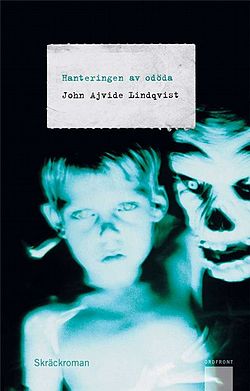
Based on the novel of the same name by John Ajvide Lindqvist—the same author behind Let the Right One In (2008), that Swedish gem that proved vampirism could be a gut-wrenching metaphor for childhood loneliness—The Rest Return in Peace isn’t your typical zombie movie. There are no hordes of infected sprinting like headless chickens, no muscle-bound heroes wielding baseball bats, not even a sinister government hiding the truth. No. What Hvistendahl offers is a clinical, devastating study of grief, filmed with the precision of a coroner and the sensitivity of a poet who has seen too much.
finalExplicado: "El clímax se concentra en la progresiva desintegración de las familias: Anna termina abrazando el cadáver putrefacto de su hijo en un acto de negación absoluta, mientras el padre, incapaz de seguir sosteniendo la ilusión, lo mata por segunda vez con un golpe seco y definitivo. Paralelamente, la anciana viuda elige reunirse con su esposa muerta y se deja llevar hacia la nada. Simbólicamente, el desenlace afirma que la resurrección no es salvación sino la peor de las maldiciones: una condena a convivir con la ausencia materializada. El verdadero horror no es el zombi, sino el vivo que prefiere la mentira putrefacta antes que aceptar el vacío. El silencio que sigue no es paz, sino la única forma digna de duelo."
The Useless Miracle: When Resurrection Is the Worst Curse of All
The premise is as simple as it is brilliant: after an unexplained electromagnetic surge (an elegant deus ex machina, because let’s be honest, Nordic cinema has no time for bombastic scientific explanations), the recently deceased in Oslo begin to wake up. But these aren’t the zombies Hollywood has conditioned us to expect. They don’t groan, they don’t crave brains, they don’t spread viruses. They are empty husks, bodies moving with the clumsiness of sleepwalkers, gaunt faces, ashen skin, and hollow stares that convey nothing. They’re not a physical threat but a metaphysical nightmare: the materialization of denial, the mirror in which the living are forced to confront their own inability to accept loss.
Hvistendahl structures the film around three families, each trapped in a different stage of grief, as if lifted from a psychology textbook:
1. Anna (Renate Reinsve) and her father (Bjørn Sundquist): Their young son died in a household accident. When the boy returns, Anna clings to him as if he were a miracle, ignoring—or pretending to ignore—that this small body swaying on the playground swing isn’t her son but an empty shell. The scene where Anna desperately tries to feed him is so subtly cruel it hurts more than any explicit violence. The horror isn’t that the child won’t eat; it’s that Anna refuses to see it.
2. The elderly widow (Bente Børsum) and her wife (Bahar Pars): Here, the approach is even more minimalist. The wife returns home after her funeral, walks down the hallway like an automaton, and sits in her favorite armchair. Instead of screaming or fleeing, the widow simply observes, waits, wonders how long she can pretend this is normal. There’s a sequence where they share the couch in silence, the TV flickering in the background, so uncomfortable you’ll want to look away. There are no monsters here, just the raw reality that love, sometimes, is a prison.
3. The struggling comedian (Anders Danielsen Lie) and his wife: He’s a broken man, a guy who lives off bad jokes and drunken nights. When his wife returns after a car accident, his reaction isn’t relief but pent-up rage, frustration at not being able to scream at the universe that this isn’t fair, that he didn’t ask for this "gift." There’s a scene where his half-skull-caved-in wife tries to hug him, and he freezes, as if that gesture of affection were the most terrifying thing he’s ever witnessed. Because it is.
What’s fascinating about The Rest Return in Peace is that the real terror isn’t in the dead but in the living. Hvistendahl’s zombies aren’t an external threat but a mirror reflecting the cowardice, selfishness, and desperation of those who refuse to accept reality. The horror isn’t that the dead return; it’s that the living cling to them like shipwreck survivors to a rotting plank of wood.
The Direction: When Silence Speaks Louder Than a Thousand Screams
Thea Hvistendahl debuts with a confidence that many veteran directors would envy. Her mise-en-scène is devastatingly minimalist, almost Bergmanesque in its ability to convey emotion through what’s left unsaid. Alongside cinematographer Pål Ulvik Rokseth, she constructs an Oslo that feels like a fever dream: cold, bluish light, claustrophobic interiors, static shots stretched to the point of discomfort, as if time itself had stopped.
One sequence in particular encapsulates Hvistendahl’s genius: Anna’s son returning home. The boy walks inside, shuffles toward his mother, and stops in front of her. No music, no dialogue, just the sound of his ragged breathing and the creak of the floorboards under his feet. Anna hugs him, and for what feels like an eternity, the camera lingers on their faces, capturing every micro-expression of pain, hope, and denial. It’s a scene that hurts because it’s real—because we’ve all felt that urge to cling to something—or someone—who’s no longer there.
The editing, by Silje Nordseth, is another highlight. No jarring cuts, no cheap jump scares—just a measured pace that forces the viewer to sink into the film’s oppressive atmosphere. Some might call it slow, but it’s a deliberate, almost liturgical slowness. Hvistendahl isn’t in a rush to tell us anything because, after all, neither is grief.
The score, composed by Ola Fløttum (a frequent collaborator of Joachim Trier), is another triumph. No grand orchestrations, just isolated piano notes and strings that sound like sighs. The sound design, meanwhile, is so meticulous you can hear the dead’s clothes brushing against their skin, their joints creaking, the awkward silence settling between characters. It’s a constant reminder that in this film, horror isn’t screamed—it’s whispered.
The Performances: Faces That Say Everything Without Opening Their Mouths
If anything elevates The Rest Return in Peace above other films in its genre, it’s the acting. And in this department, Renate Reinsve delivers a masterclass in pain and restraint.
Reinsve, known for her role in The Worst Person in the World (2021), proves once again she’s one of the most compelling actresses in contemporary cinema. Her face is a map of maternal anguish: in one scene, she forces a smile as her zombie son stares blankly at her; in another, her hands tremble as she tries to comb his hair, as if that mundane act were the only thing keeping her sane. She doesn’t need to scream or cry—her grief is so palpable you’ll want to look away.
Anders Danielsen Lie is equally unforgettable. His character, the struggling comedian, is a man on the edge of the abyss, someone who uses sarcasm as a shield but is just as broken as the corpses around him. There’s a scene where he tries to make his zombie wife laugh with a bad joke, and the silence that follows is so excruciating you can almost feel his shame.
The rest of the cast doesn’t lag behind. Bjørn Sundquist, Bente Børsum, and Bahar Pars deliver restrained yet devastating performances, especially in scenes where their characters are forced to interact with their resurrected loved ones. No histrionics, no exaggeration—just a sadness so deep it seems to seep from the screen.
The best
- The melancholic atmosphere: A sober, wintry visual style that infuses the zombie myth with tragic, existential poetry. Hvistendahl turns horror into a funeral poem, and damn if she doesn’t pull it off.
- Renate Reinsve: Her face is a canvas of intimate pain. If grief had a face, it would be hers.
The worst
Its extreme slowness: The measured pace and scarcity of dialogue might frustrate those seeking action or answers. If you were expecting World War Z*, all you’ll find here is silence and tears.- The formal disconnect between stories: The three plotlines run in parallel without fully intertwining. It’s like watching three excellent short films that, unfortunately, never quite coalesce into a cohesive whole.
The Verdict of Claqueta Ácida (8.2/10)
The Rest Return in Peace is a dagger wrapped in silk, a film that reinvents the zombie genre to talk about the only thing that truly matters: our inability to let go, to accept, to move on. Thea Hvistendahl offers no answers, no comfort, not even a redemptive ending. What she gives us is a slap of reality wrapped in visual and sonic beauty, a reminder that sometimes the real horror isn’t that the dead return—it’s that we refuse to let them rest in peace. An 8.2 that feels like a 10, because when cinema is this brave, it doesn’t need numbers to prove its greatness. 🧟♀️❄️🎬 Tráiler Oficial
Abrir en YouTube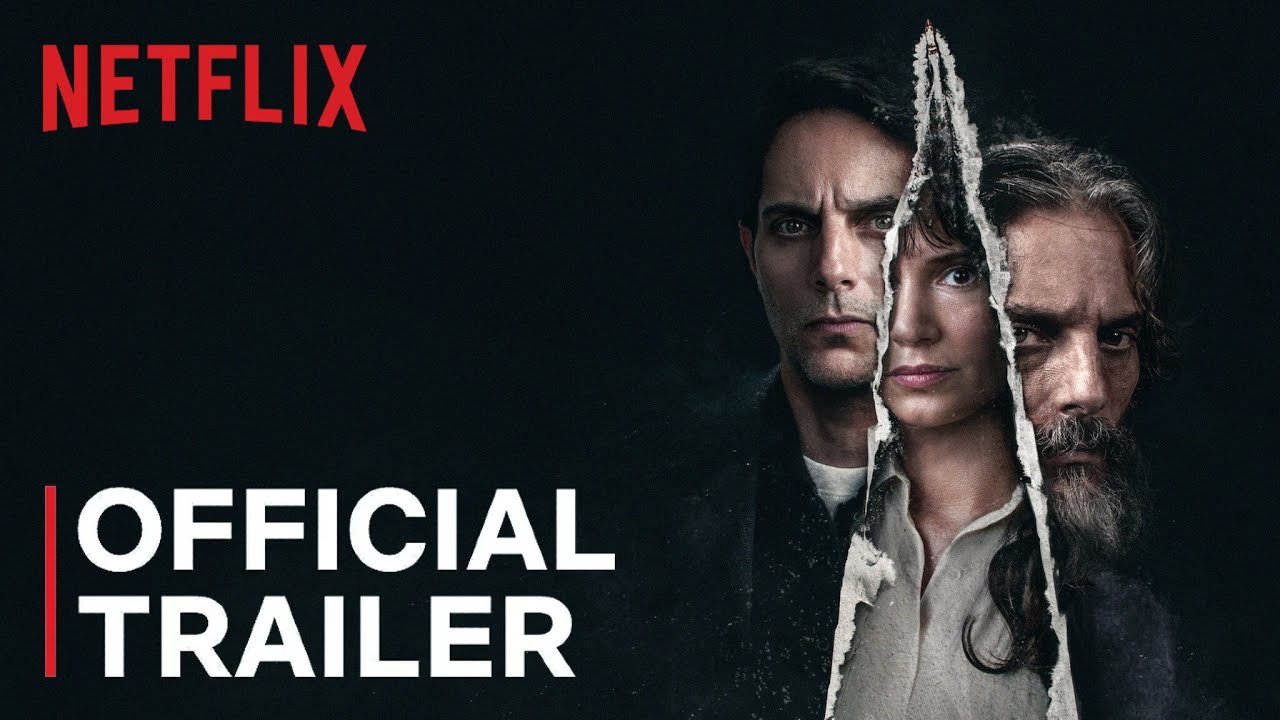
Ending Explained: The Rest Return in Peace (2024)
Ficha de Daños Colaterales en Sala
Certificado de impacto psicofísico emitido por Héctor Veneno
Cero. La pantalla absorbió cada segundo de atención disponible.
Ninguna comprobación del tiempo. Se agradece la rareza.
Ninguna. Guarda el café para la sesión siguiente.
"No aplica. La obra se sostiene sola."
💬 El Veredicto de la Comunidad
¿Qué te ha parecido la película? Deja tu nota de 0 a 10 para contrastarla con el análisis de la redacción.
Aún no has votado
📢 ¿Te ha gustado el ácido?
Comparte esta crítica con tus amigos cinéfilos o desata la polémica en redes.
⚡ THE CINEMATIC VENOM YOUR INBOX CRAVES
No sugarcoated ratings, no corporate fluff. Subscribe for our uncensored weekly analysis or join the private Telegram for press previews, poll clashes, and instant alerts.
Alertas de estrenos en 1 segundo, encuestas en caliente y audios al salir de pases de prensa.
Recibe la dosis semanal en tu mail + regalo inmediato del PDF con 50 joyas ocultas de culto.
Related Reviews
Recommended autopsies for demanding film buffs.
 ⚡ Ácido Cítrico7.5
*The Divide: A Luxury Cruise Straight to the Sewer of the Human Soul*
⚡Hermana de saga: otro capítulo diseccionado con rigor forense.
Xavier Gens locks us in a post-apocalyptic bunker to deliver a suffocating, toxic, and painfully nihilistic psychological study.
 🔥 Fusión Nuclear9.0
A Poet: The Miracle No One Saw Coming (But We All Deserved)
⚡Hermana de saga: otro capítulo diseccionado con rigor forense.
Simón Mesa Soto delivers an unsettling masterpiece about poetry, aging, and failure. Painfully beautiful. 9.0/10.
 ⚡ Ácido Cítrico7.5
Vox Lux: The Price of Fame – The Glamour’s Dark Backstage
⚡Hermana de saga: otro capítulo diseccionado con rigor forense.
A pop star’s rise to fame in *Vox Lux: The Price of Fame*. But at what cost?
Editorial Ecosystem
Cinephile connections, archive interviews and related analyses.
💬 Debate Cinéfilo & Autopsia de Lectores
0 veredictos¿Discrepas con nuestra nota? ¿Es una obra maestra o veneno puro? Deja tu veredicto abajo sin necesidad de registro.


Aún nadie ha dejado su veredicto para esta película.
Sé el primero en clavarle el colmillo rellenando el formulario de arriba.