

The Body — The Aestheticization of School Void According to Quinn Shephard
Quinn Shephard swaps psychology for set terror in a series where the dancers' identity vanishes before the aesthetic scream.
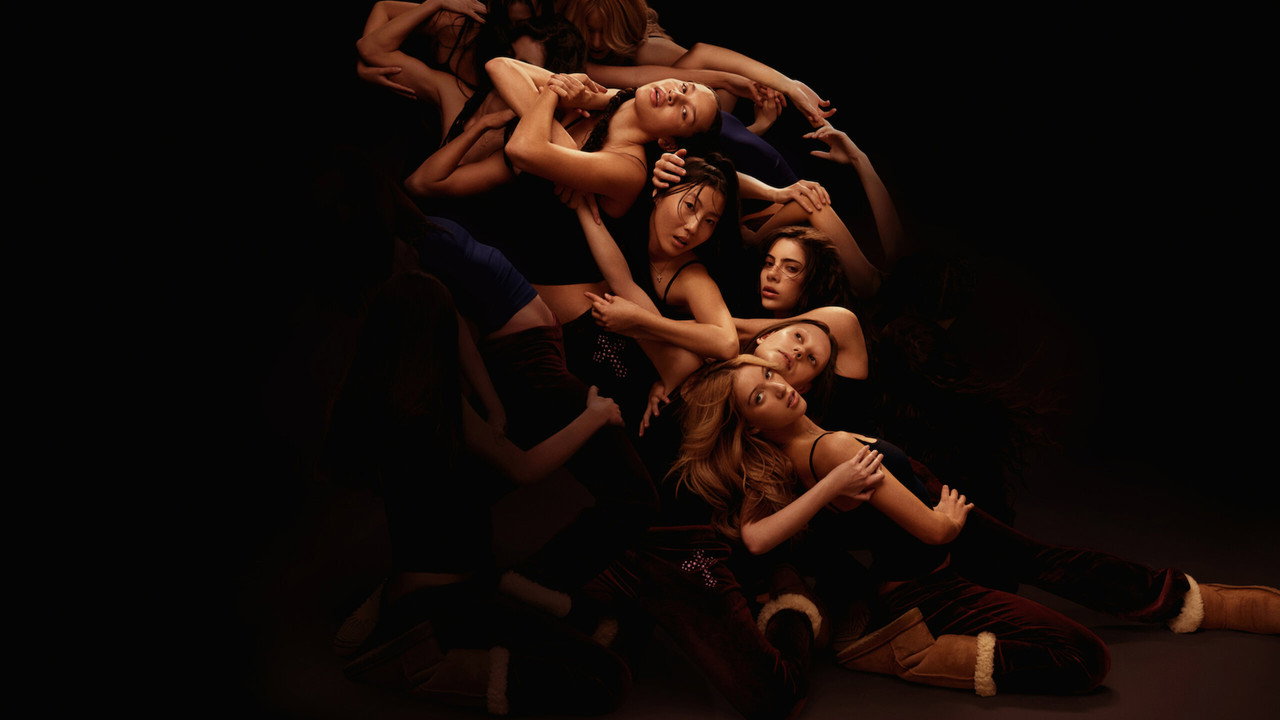
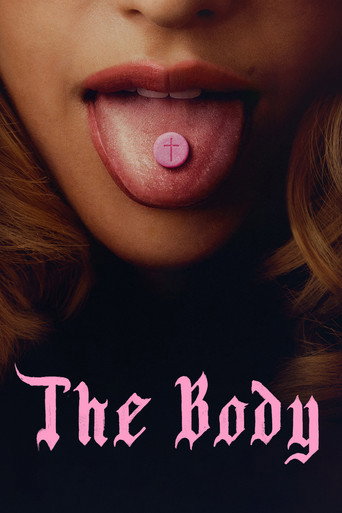
The Body: full review

The saturation of products conceived for nocturnal consumption on streaming platforms has turned teen horror into a parade of interchangeable silhouettes. Halloween night of 2004 serves as a chronological alibi for a Catholic institution to become the canvas where supposed generational sins are projected. Far from probing the intimate mechanisms of repression, the staging prefers to recreate a papier‑mâché atmosphere that smells of executive offices with spreadsheets. The initial promise of a tale about bodies subjected to discipline and desire evaporates in the first beats of the footage. The viewer watches a parade of vacant gazes that aim to suggest metaphysical torment but barely skim the surface of production design. It's an aesthetic that takes itself far too seriously, a mirage of depth that crumbles as soon as one tries to look through the protagonists' eyes.
The fundamental problem lies in the absolute renunciation of building characters endowed with biographical density. When Kristina Bogic embodies Anya Butler alongside her fellow dancers, the script penned by Amy Israel denies them any real agency beyond a hysterical reaction to the supernatural stimulus. Spectral visions and manufactured remorse accumulate in series, yet none of the performers finds a textual crevice to anchor their vulnerability. Quinn Shephard's direction prioritizes choreography symmetry and photographic modulation over human tremor, reducing youthful pain to a commercial gothic billboard that seeks the algorithm's easy applause. There's no flesh, only synthetic skin stretched until it snaps without leaving a mark.
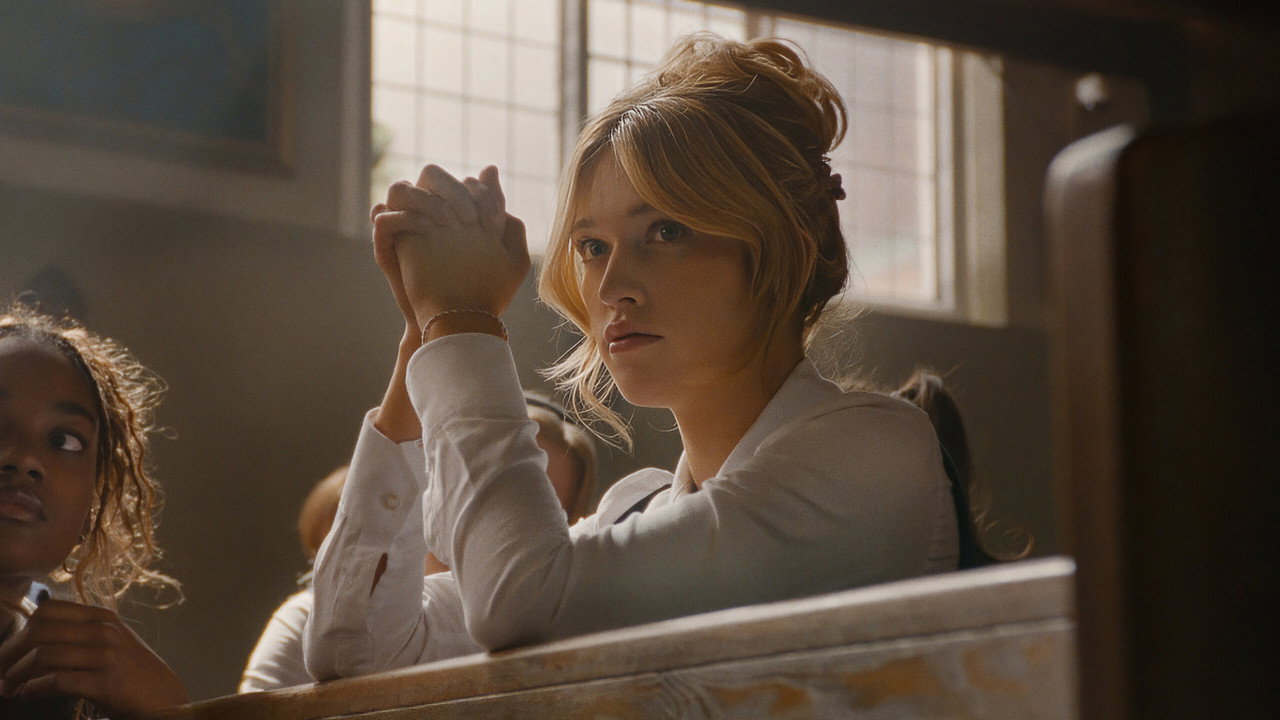
La trampa de la geometría escolar y la vacuidad rítmica
The episodic structure advances with the weight of a clockwork mechanism deprived of oil. Each episode reiterates the same visual formula where dark hallways and sidelong glances replace dramatic conflict. Sara Boustany and Geena Meszaros wander the school corridors trapped in a loop of mass suggestion that never manages to unsettle. The supposed atmosphere of collective hysteria dissolves because the story's foundations are radically fragile.
There is no blood on these students' hands, only cosmetic paint ready to please the viewer who seeks quick thrills between blinks. The cinematography, though technically impeccable in its coldness, becomes a neon‑and‑shadow cage that traps the audience in visual lethargy. The shots are static, almost photographic, refusing to move with the urgency the genre demands. It's cinema that watches from afar, like a tourist snapping photos of an accident without stopping to help.
Christopher Stracey's music, with its electronic pulses and tense strings, tries to inject adrenaline into a body already dead from boredom. It's a soundtrack that screams over silence, a desperate attempt to fill narrative emptiness with decibels.
The production design, with its cold tones and oppressive architecture, creates an environment that looks ripped from a horror video game, more concerned with the aesthetics of fear than with spatial logic.
The hallways repeat, doors open and close without purpose, and the viewer ends up losing sense of time and place. It's a sensory experience that exhausts more than it scares, a style exercise that forgets that style without substance is mere decoration.
Actuaciones naufragando en un decorado sin alma
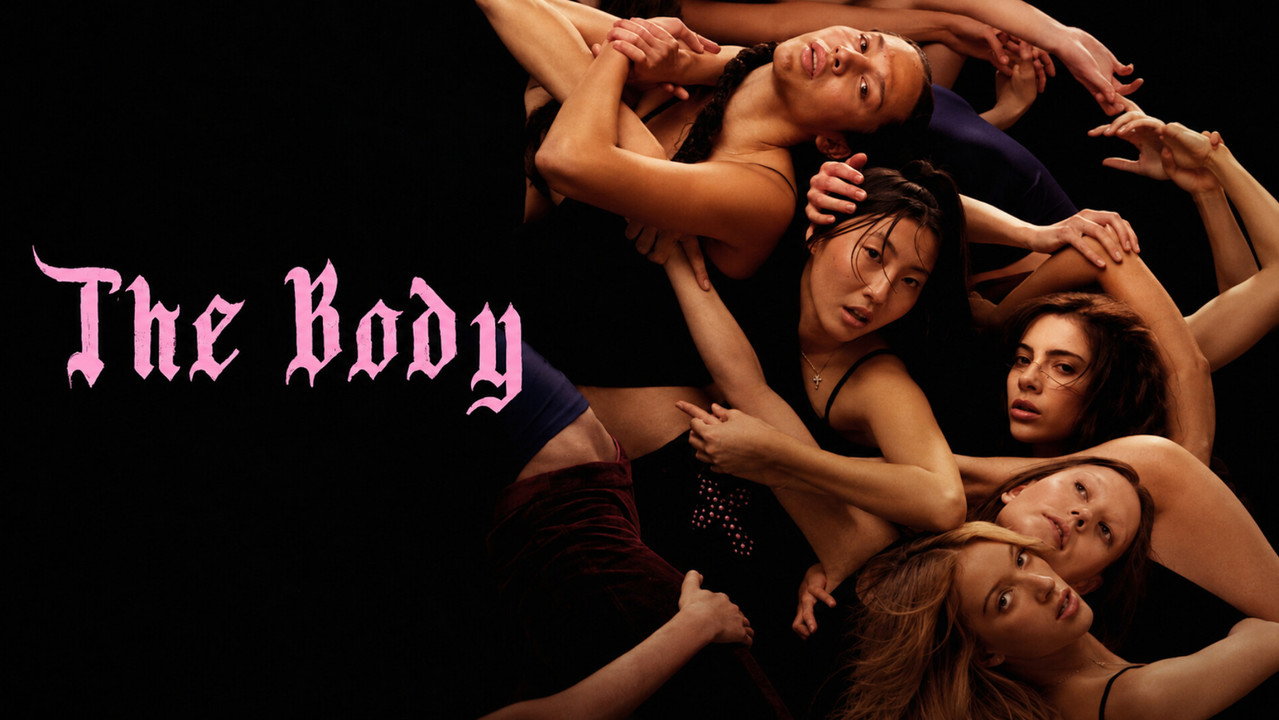
The cast does the indecent by trying to inject vital pulse into creatures reduced to mere prop vectors. Sofia Wylie offers flashes of interpretive dignity that clash against the rigidity of a schematic and predictable script. Meanwhile, the adult presence embodied by Louisa Krause and Nnamdi Asomugha traverses the screen with the same conviction as someone reciting an administrative instruction manual. The actor direction seems to have forgotten that mystery requires nuance, not simple choreographed flourishes under dim lighting.
The music composed by Christopher Stracey persistently hammers us to remember when we should jump, exposing the narrative poverty of images incapable of generating dread on their own.
The performances lack emotional anchorage; characters react, but they do not feel. There's no backstory, no visible trauma, only a series of events that happen to the characters, not with them. It's a tragedy of passivity, where the viewer becomes the sole active agent in a narrative that refuses to move forward.
The chemistry between the protagonists is nonexistent, replaced by a choreography of gestures that mimics intimacy without reaching it. It's a mirage of connection that shatters as soon as a truthful word is demanded.
The result is a series that feels more like a casting exercise than a work of fiction, where the physical presence of the actors matters more than their ability to inhabit the text. It's a painful reminder of what is lost when the script is subordinated to aesthetics, when form devours content and leaves nothing but a shiny, empty skeleton.
The best
- Sofia Wylie: A performance that elegantly resists the weight of a flat, schematic script.
- Christopher Stracey: His score desperately tries to supply the tension that the staging skimped on.
The worst
- Cardboard vulnerability: The absolute lack of psychological depth in a group of characters reduced to scared mannequins.
- Narrative mechanization: A repetitive episode structure that drains mystery before the season's midpoint.
The Verdict of Claqueta Ácida
Quinn Shephard signs an industrial design exercise where terror becomes a disposable product. What promised to be a dissection of teenage guilt is reduced to a showcase of stylized emptiness. Those seeking genuine shivers in school gloom will emerge as dehydrated as the series' own script. An insipid artifact that confuses darkness with depth and hollow scream with tragedy. It's a work that takes itself far too seriously to be good, yet not seriously enough to be memorable. A masterclass in how not to make horror, wrapped in a neon wrapper that promises much and delivers nothing. 💀
🎬 Tráiler Oficial
Abrir en YouTube
The Body: frequently asked questions
- What is the rating of "The Body" on Claqueta Ácida?
- "The Body" scored 4.5/10 on Claqueta Ácida in the review by Odin Lagbert.
- Is "The Body" worth watching?
- No. We gave it 4.5/10 (Sulfuric Acid), our rating for films we don't recommend.
- Who directed "The Body"?
- "The Body" was directed by Quinn Shephard.
Theater Collateral Damage Report
Psychophysical impact certificate issued by Odin Lagbert
Provoca un sopor tan constante que hasta los fantasmas bostezan en los pasillos del colegio.
Dan ganas de mirar el cronómetro cada vez que la pantalla se oscurece para simular un sobresalto.
How much second-hand embarrassment the film causes (10 = maximum). It is not the review score.
Doble espresso bien cargado para evitar caer en coma letárgico durante los soliloquios escolares.
"La fatídica noche de Halloween donde la novatada inicial se disuelve en una sucesión de estampas huecas."
Another critic from the newsroom scores the same film. The main score is still the one at the top of the review.

The rebuttal from Lúa Ácida (Queen of the Box Office)
In stark disagreement with the review given by Odin Lagbert.
Me quedé sin aliento cuando la cámara se deslizó por el pasillo, la luz se coló como sangre en la epidermis del set. Cada salto de la protagonista me sacudió la columna, una pulsión de muerte que retumbó en mi pecho. La coreografía de sombras no es un mero truco de edición; es una autopsia visual que desgarra la piel del miedo. La música vibra como feromona, arrastrando mi respiración a un ritmo de mutilación lírica. No hay vacío de intención, hay un grotesco sagrado que me obliga a sentir la presión de los cuerpos atrapados en la disciplina del deseo. El guion, aunque escaso, deja espacio para que la piel hable, para que el terror sea carne y no cálculo. 7/10.
📋 Ficha Técnica
| Año | 2026 |
| Duración | N/A |
| País | United States of America |
| Guión | Amy Israel |
| Fotografía | N/A |
| Productora | Felix Culpa, The North Road Company, Chernin Entertainment, Ingénue |
| Dónde ver | |
| Letterboxd | Ver Ficha ↗ |
⭐ Estrella Emergente
Sofia Wylie
Brings a magnetic presence that miraculously survives the narrative void that surrounds her.
💬 Community Verdict
What did you think of the film? Rate it from 0 to 10 to compare it with the editorial review.
You haven't voted yet
📢 ¿Te ha gustado el ácido?
Comparte esta crítica con tus amigos cinéfilos o desata la polémica en redes.
⚡ THE CINEMATIC VENOM YOUR INBOX CRAVES
Every Sunday: the week’s reviews, a recommended antidote and the editors’ verdict (in Spanish). No sugarcoated ratings, no corporate fluff. Or join the private Telegram for press previews, poll clashes, and instant alerts.
Alertas de estrenos en 1 segundo, encuestas en caliente y audios al salir de pases de prensa.
Get the weekly dose in your email, every Sunday.
By subscribing you agree that we use your email only to send you the newsletter. Unsubscribe at any time. Privacy policy
Related Reviews
Recommended autopsies for demanding film buffs.
 ⚠️ Ácido Sulfúrico 3.2
Breaking Bad
⚡ Afinidad temática directa en atmósfera, estilo y fijaciones visuales.
A televised autopsy that distills moral metastasis while the audience pays for every drop of synthetic blood.
 ⚠️ Ácido Sulfúrico 3.2
Kamen Rider: The Legacy of the Cheap Mask
⚡ Afinidad temática directa en atmósfera, estilo y fijaciones visuales.
A marathon of toxic nostalgia where scant imagination disguises itself as a superhero with an insect helmet.
 ⚠️ Ácido Sulfúrico 3.2
Lanterns: The Light That Never Arrives
⚡ Afinidad temática directa en atmósfera, estilo y fijaciones visuales.
A superhero series that smells like a corporate facelift, featuring cardboard dialogue and a budget that looks like a €9.50-per-episode scam.
Editorial Ecosystem
Cinephile connections, archive interviews and related analyses.
💬 Debate Cinéfilo & Autopsia de Lectores
¿Discrepas con nuestra nota? ¿Es una obra maestra o veneno puro? Deja tu veredicto abajo sin necesidad de registro.
📏 Normas: se critica la película, no a las personas. Los insultos y los ataques personales se pueden borrar.


