The Ghost Writer — A Political Thriller That Drains Your Will to Live
Claqueta Ácida’s scathing review of Roman Polanski’s The Ghost Writer—a political thriller that grinds patience into dust with the enthusiasm of a tax audit.


The Ghost Writer: full review

I staggered out of the cinema feeling like I’d just attended a high-end funeral. Not for a loved one—no, this was the burial of my own patience, interred beneath layers of pretension and a pacing so glacial it was as if Polanski were literally penning his memoirs mid-shoot, using a quill dipped in molasses. The Ghost Writer (2010) isn’t a bad film in the traditional sense—it’s not a technical trainwreck, nor is it an insult to intelligence on the level of Netflix’s algorithmically generated rom-coms. No, it’s worse: a masterclass in self-satisfied profundity masquerading as depth, a political thriller that mistakes solemnity for slowness and mystery for tedium. And the cruelest part? You know Polanski could’ve done better. This is the man who gave us The Tenant and Chinatown. But here, at 77, he seems more preoccupied with proving he can still pull off a long take than with telling a story worth a damn.
The premise is promising—credit where it’s due. A washed-up writer (Ewan McGregor, channeling his inner kicked-puppy so well it’s practically a specialty) takes a gig ghostwriting the memoirs of disgraced ex-British PM Adam Lang (Pierce Brosnan, doing his best Tony Blair impression after three double whiskies). The catch? The previous ghostwriter died under suspicious circumstances, and our protagonist holes up in a remote island mansion where Lang is hiding from the press—and war crime allegations. So far, so good: claustrophobic setting, political intrigue, a protagonist drowning in more questions than answers. But instead of hitting the gas, Polanski opts for a leisurely stroll through every. Single. Tile. Pattern. On. The. Floor. The first half-hour is a masterclass in how not to build tension: McGregor wanders hallways, stares out windows, flips through papers, and—above all—does nothing to justify our continued attention. It’s as if Polanski mistook suspense for his protagonist’s ability to open and close doors with gravitas.
Then there’s the matter of the performances. McGregor does what he can with a character plucked straight from a Creative Writing 101 workshop: “He’s a blocked writer with a shady past… and he drinks whiskey!” His delivery is competent, even compelling in moments—like when he uncovers the previous ghostwriter’s hidden notes in the manuscript. But the problem isn’t him; it’s the script, which forces him to spend more time staring into the void than interacting with other characters. Pierce Brosnan, meanwhile, is utterly wasted. Lang should be a charismatic, dangerous figure, but Brosnan plays him like he’s at a UN cocktail party, grinning too much and furrowing his brow just enough to telegraph “I’m the villain.” The chemistry between them is nonexistent, and in a film this dialogue-dependent, that’s a cardinal sin. The supporting cast—Olivia Williams (Lang’s wife) and Tom Wilkinson (a former minister with secrets)—have flashes of brilliance, but their appearances are so fleeting they feel like cameos rather than key players.
But let’s talk about what really stings: Polanski’s direction. There’s something heartbreaking about watching a suspense maestro fall into the same traps he’s spent a career mocking. The Ghost Writer is stuffed with pretty shots that go nowhere: unnecessary tracking shots, symmetrical frames screaming “look how artful I am!”, and a mirror obsession that borders on self-parody. In one scene, McGregor gazes at his reflection while talking on the phone, and Polanski lingers so long it feels like we’re watching a cologne commercial. The problem isn’t the pretension—it’s that the pretension serves no purpose. There’s no tension, no rhythm, no je ne sais quoi that makes a mystery gripping. Instead, we get a film that moves like a commuter train: endless stops, no urgency, and zero interest in reaching its destination.
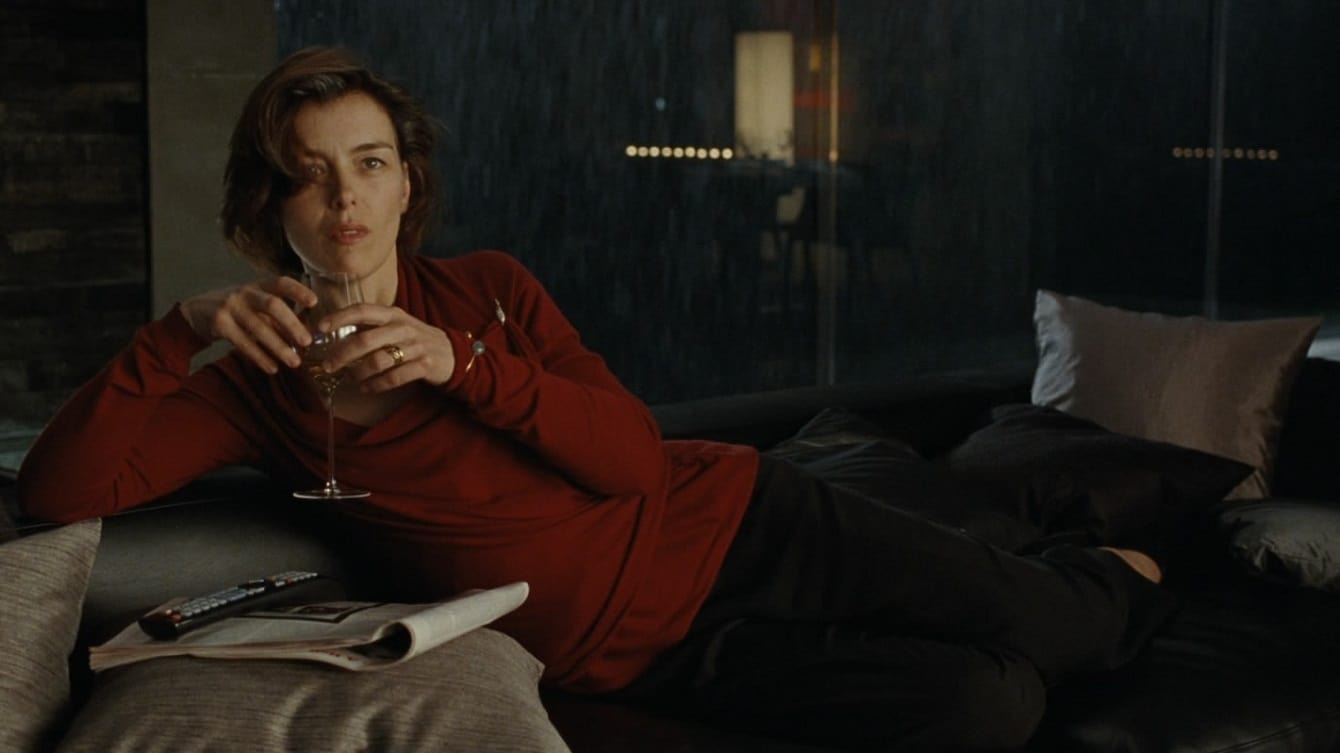
Direction and Mise-en-Scène: The Art of Saying Nothing with Style
Polanski has always been a visual director, but in The Ghost Writer, his style backfires spectacularly. The film is shot with an elegance so sterile it might as well be hanging in a gallery instead of telling a story. Paweł Edelman, Polanski’s trusted cinematographer, bathes every scene in a palette of cold grays and blues that amplify the isolation—and the emotional void. It’s pretty, sure, but what’s the point of beauty if there’s nothing behind it?
One of the most frustrating moments comes when McGregor discovers the previous ghostwriter’s annotations in the manuscript. The scene is shot with a close-up of his hands flipping pages, the camera creeping toward his face in classic suspense fashion. But it fails because there’s nothing at stake. We don’t feel urgency, danger, or even curiosity. It’s like watching Polanski forget that suspense isn’t built on pretty shots—it’s built on information. And in The Ghost Writer, information dribbles out like a leaky faucet, as if the director fears the audience might gasp figure something out before he’s ready.
The editing, handled by Hervé de Luze, doesn’t help. Transitions are smooth, almost invisible, but that only makes the film feel slower. There’s a sequence where McGregor takes a ferry to the island, and Polanski stretches it just long enough for the audience to wonder if the boat will ever arrive. Spoiler: It does. But by then, we’ve checked out.
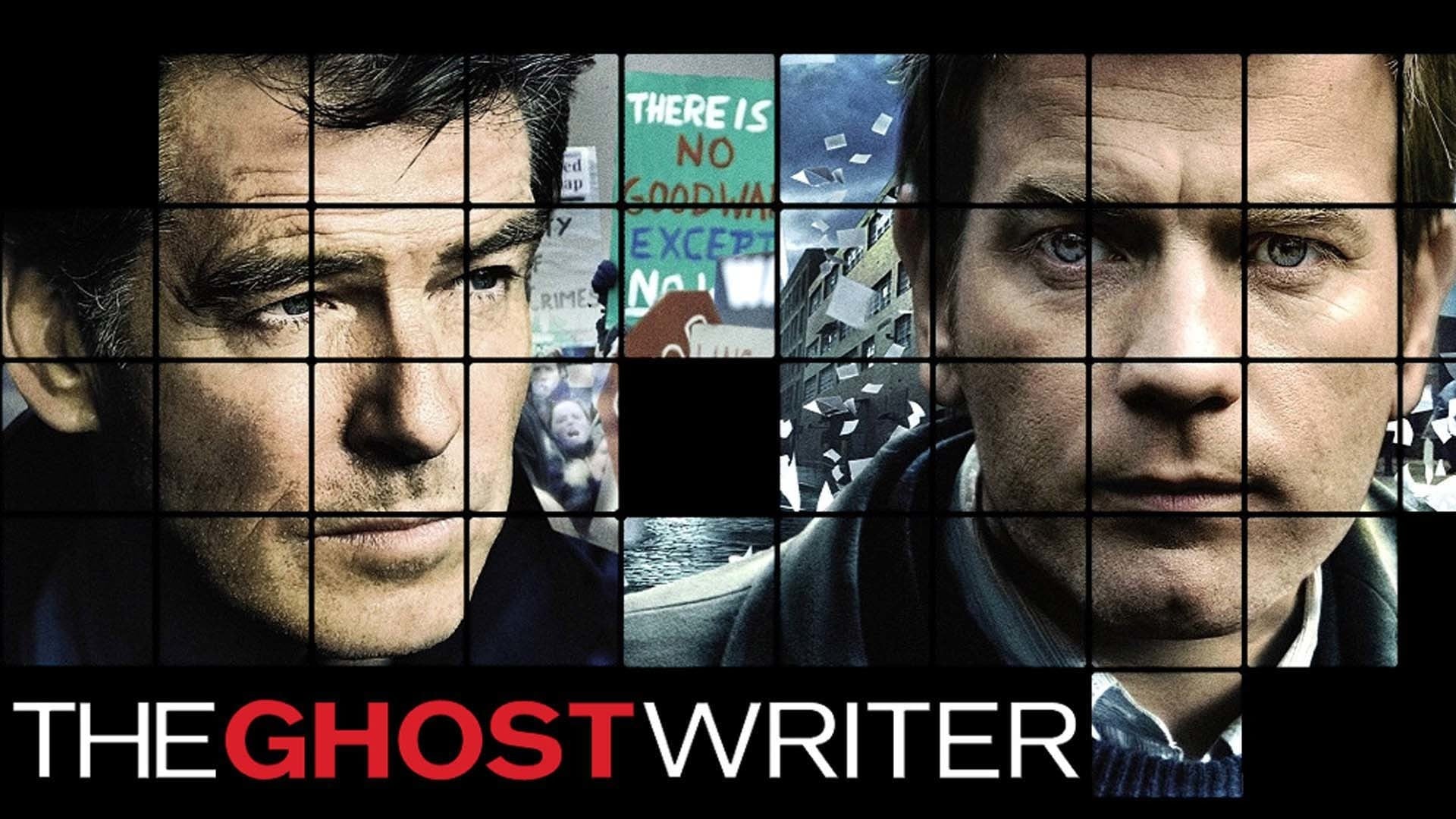
Performances: When Talent Isn’t Enough
Ewan McGregor is a charismatic actor, but here he’s shackled to a character straight out of a sophomore screenwriting class: “He’s a blocked writer with a dark past… and he drinks whiskey!” McGregor does his best to inject depth, but the script forces him to spend more time reacting than acting. There’s a moment when he realizes the manuscript has blank pages, and his response is… to stare. No shouting, no tears, no anything. Just staring. And that’s The Ghost Writer in a nutshell: a film where we watch an actor watch things.
Pierce Brosnan, meanwhile, oozes the charisma of a politician on the campaign trail, but the script gives him nothing to do beyond smiling and furrowing his brow. Lang should be a complex figure—a man torn between legacy and crimes—but Brosnan plays him like he’s in a West Wing episode directed by someone who hates political drama. Olivia Williams, as Lang’s wife, delivers some of the film’s best moments, particularly in a scene where she freezes McGregor with a chilling coldness. But like everything good here, her appearance is too brief.
The real issue, though, isn’t the actors—it’s the script. Robert Harris, who wrote the novel, co-wrote the screenplay with Polanski, and it shows. The dialogue sounds smart, but it’s all surface. Lines like “Politics is the art of the possible” and “Power corrupts” are trotted out like philosophical profundities, when they’re just clichés that add nothing. It’s as if Polanski and Harris mistook ambiguity for depth, and the result is a film more interested in sounding intelligent than being intelligent.
Technical Aspects: When Pretty Isn’t Enough
Paweł Edelman’s cinematography is, without a doubt, the film’s strongest suit. Every frame is composed with surgical precision, and the cold color palette reinforces the isolation and paranoia. But as I’ve said before, beauty isn’t enough. There’s a scene where McGregor walks along the beach, the camera tracking him in a lateral dolly shot, and it’s so gorgeous it hurts. It hurts because you know there’s nothing behind that perfect image. It’s like admiring a painting of a desolate landscape: you can appreciate the technique, but it doesn’t move you.
Alexandre Desplat’s score is another highlight. His tense strings and subtle percussion amplify the mystery, but it also falls into the trap of sounding more important than it is. There are moments where the music seems to scream “THIS IS A BIG MOMENT!”, when in reality, it’s not. It’s like Desplat scored a different film—a better version of The Ghost Writer where things happen.
Albrecht Konrad’s production design is flawless. The mansion where most of the action takes place is a character in itself, with its labyrinthine hallways and rooms full of secrets. But once again, the problem isn’t execution—it’s intent. The house is beautiful, but it doesn’t feel dangerous. The hallways are long, but they don’t build tension. It’s like Konrad designed the perfect set for a horror film, and Polanski used it for a snooze-fest political drama.
The best
- Paweł Edelman’s cinematography: Every shot is a postcard, but a postcard from a place you’d rather not visit. The cold grays and blues amplify the isolation—and the emptiness. It’s pretty, but it stings.
- Production design: The mansion is a character in its own right, with endless hallways and rooms full of secrets. Shame Polanski didn’t know what to do with it.
The worst
The pacing: The film moves like Polanski is literally* writing his memoirs mid-shoot, with a quill dipped in molasses. Every scene lasts just long enough for you to memorize the tile pattern on the floor. The script: Dialogue that sounds* smart but says nothing, characters plucked from a beginner’s screenwriting workshop, and a plot that mistakes ambiguity for depth. It’s like Polanski and Harris confused boredom with sophistication.- Pierce Brosnan: Wasted. Lang should be charismatic and dangerous, but Brosnan plays him like he’s at a UN cocktail party. He grins too much, furrows his brow just enough, and—above all—doesn’t scare anyone.
The Verdict of Claqueta Ácida
The Ghost Writer is the definitive proof that not even a master like Polanski is immune to self-indulgence. It’s a beautiful film, well-acted, with flashes of technical brilliance—but it’s also slow, pretentious, and, above all, boring. It’s not a disaster, but it’s a reminder that talent isn’t enough if there’s no story worth telling. Polanski gave us Chinatown and The Pianist, but here, he seems more interested in proving he can still pull off a long take than in moving us. And that, my friends, is a crime worse than any political conspiracy. Rating: 4.5/10. A thriller that drowns in its own gravitas. 💀🎬 Tráiler Oficial
Abrir en YouTube
The Ghost Writer: frequently asked questions
- What is the rating of "The Ghost Writer" on Claqueta Ácida?
- "The Ghost Writer" scored 6.5/10 on Claqueta Ácida in the review by Lúa Ácida.
- Is "The Ghost Writer" worth watching?
- With reservations. We gave it 6.5/10 (Citric Acid), our rating for uneven films with something worth saving.
- Who directed "The Ghost Writer"?
- "The Ghost Writer" was directed by Roman Polanski.
Theater Collateral Damage Report
Psychophysical impact certificate issued by Lúa Ácida
1 amago en el tramo intermedio; pestañeo pesado en las transiciones más innecesarias.
Alguna consulta furtiva al móvil en el segundo acto. Nada que no se perdone.
2 espressos para no dejarse vencer por la mediocridad cómoda.
"A mitad del segundo acto cuando la subtrama secundaria empezó a pesar más de lo que aportaba."
💬 Community Verdict
What did you think of the film? Rate it from 0 to 10 to compare it with the editorial review.
You haven't voted yet
📢 ¿Te ha gustado el ácido?
Comparte esta crítica con tus amigos cinéfilos o desata la polémica en redes.
⚡ THE CINEMATIC VENOM YOUR INBOX CRAVES
No sugarcoated ratings, no corporate fluff. Subscribe for our uncensored weekly analysis or join the private Telegram for press previews, poll clashes, and instant alerts.
Alertas de estrenos en 1 segundo, encuestas en caliente y audios al salir de pases de prensa.
Recibe la dosis semanal en tu mail + regalo inmediato del PDF con 50 joyas ocultas de culto.
Related Reviews
Recommended autopsies for demanding film buffs.
 🔥 Fusión Nuclear 9.3
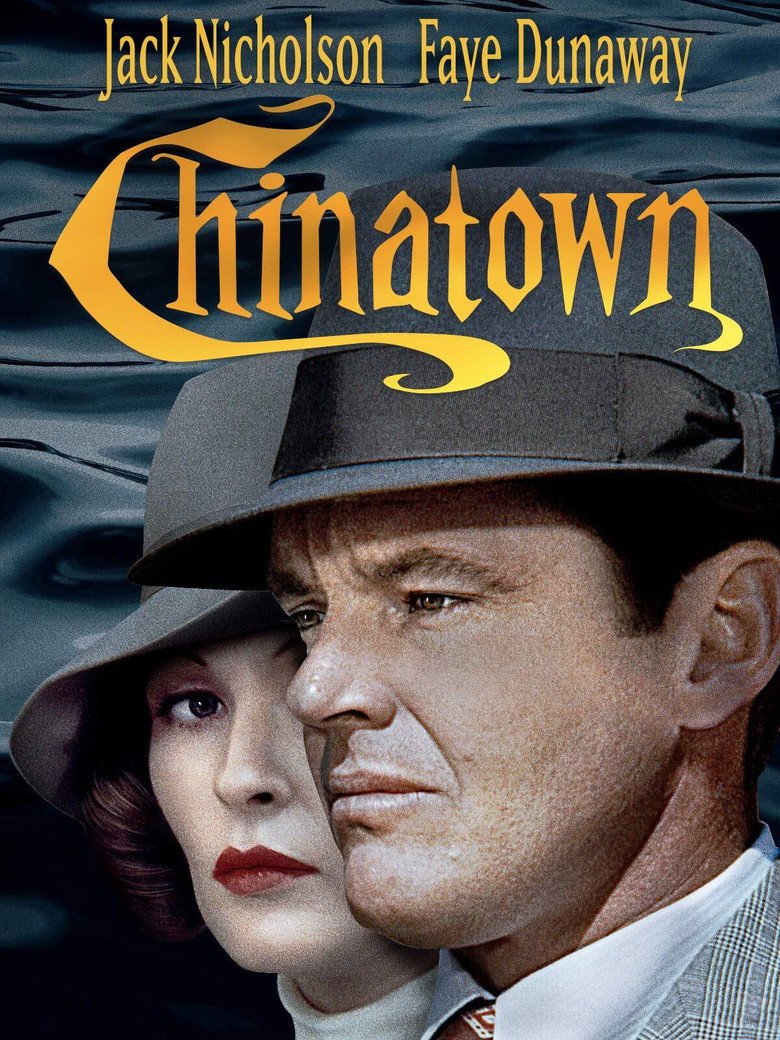
 Chinatown: The Noir That Knocks You Out Without Warning (And Leaves You Wondering What the Hell Just Happened)
⚡ Del mismo director (Roman Polanski): analiza la evolución o degradación de su estilo.
Roman Polanski delivers a technical knockout to film noir: flawless script, Nicholson in a state of grace, and an ending that stings worse than a liver shot. Masterpiece or dirty fight?
 🔥 Fusión Nuclear 9.0
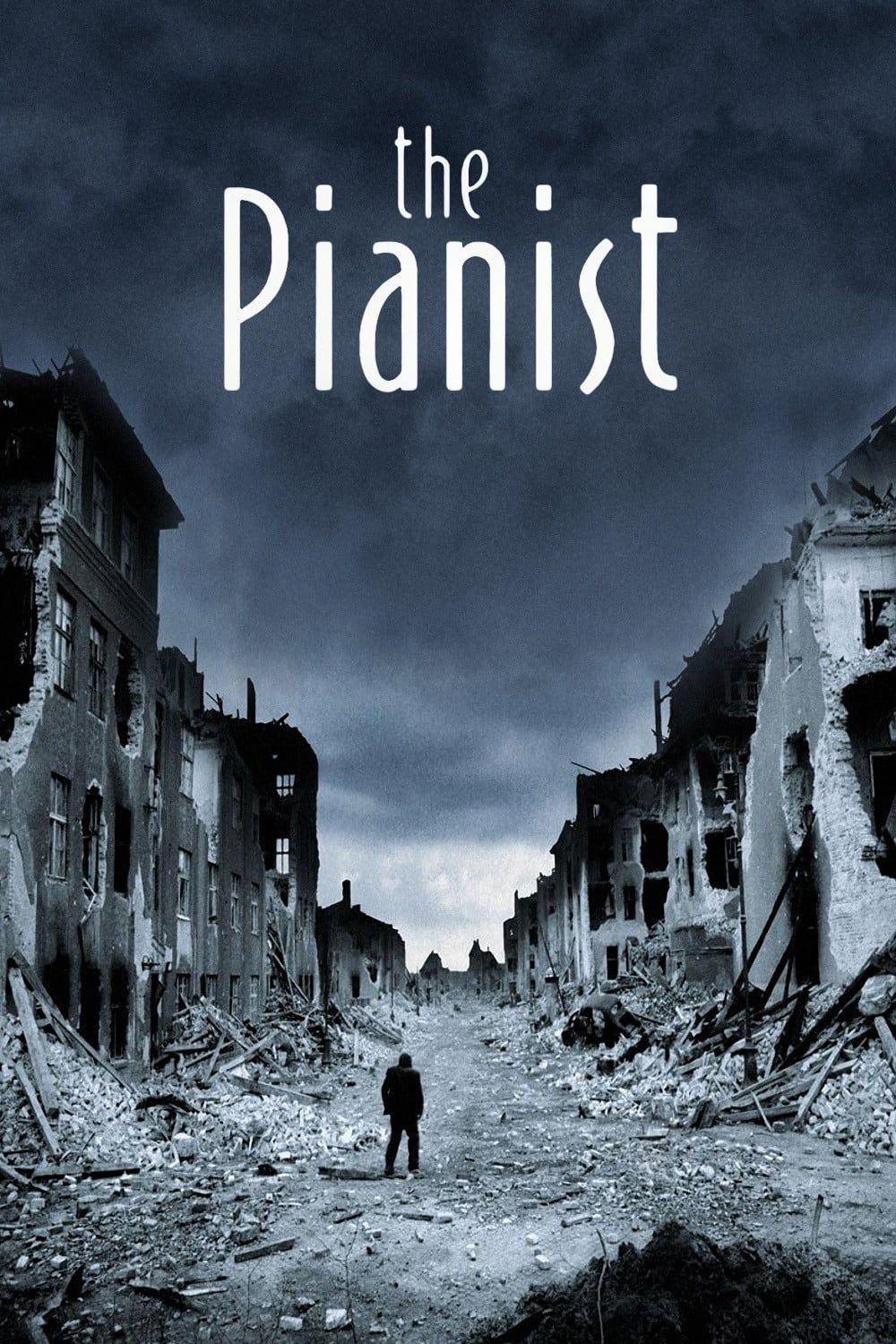
 The Pianist: Polanski and the Horror That Needs No Monsters
⚡ Del mismo director (Roman Polanski): analiza la evolución o degradación de su estilo.
Roman Polanski turns the Holocaust into art without redemption. Adrien Brody shatters our souls just by breathing. An uncomfortable masterpiece.
 ⚡ Ácido Cítrico 6.8
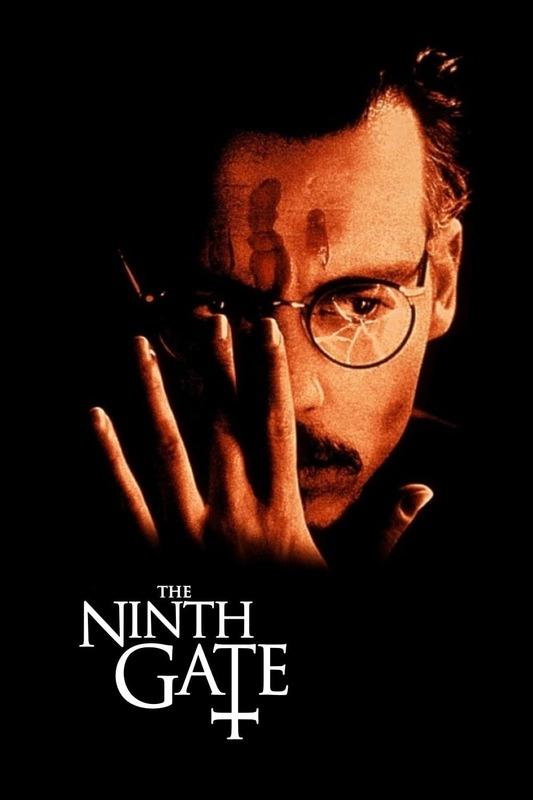
 The Ninth Gate: The Devil’s Tome Polanski Couldn’t Be Bothered to Read
⚡ Del mismo director (Roman Polanski): analiza la evolución o degradación de su estilo.
Polanski delivers a gothic thriller with more dust than demons, where Johnny Depp wanders through pages even he can’t decipher. A cursed masterpiece or just another pretentious tome gathering cobwebs on the shelf?
Editorial Ecosystem
Cinephile connections, archive interviews and related analyses.
🎞️ In Claqueta Cinematheque 3
💬 Debate Cinéfilo & Autopsia de Lectores
0 veredictos¿Discrepas con nuestra nota? ¿Es una obra maestra o veneno puro? Deja tu veredicto abajo sin necesidad de registro.


Aún nadie ha dejado su veredicto para esta película.
Sé el primero en clavarle el colmillo rellenando el formulario de arriba.