Hunting Season — The Hunt That Never Began (But Almost Did)
Mel Gibson and a mysterious girl in a rural thriller that reeks of rancid testosterone and a script scribbled on a bar napkin. Raja Collins delivers a debut that doesn’t scare, but also doesn’t bore. Is it worth it? Almost.

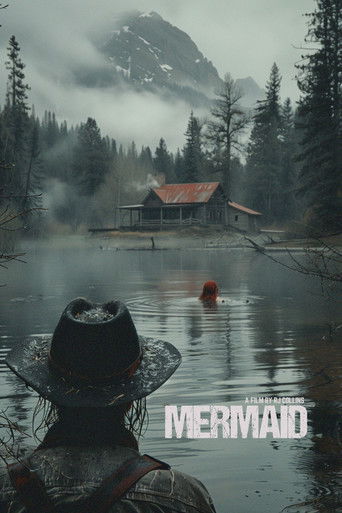
Hunting Season: full review
The river winds through the trees like an open wound, and the wind carries the scent of damp earth and something darker, something without a name. Hunting Season begins this way, with an image that promises more than it ultimately delivers, but at least knows how to sell itself. Raja Collins, a director whose work we’d previously only seen in short films and the odd TV episode, dives headfirst into feature-length filmmaking with a rural thriller that smells of Winter’s Bone and No Country for Old Men, but ultimately feels closer to an extended True Detective episode—with less budget and more testosterone. It’s not a bad comparison, but it’s hardly a compliment. Collins has craft, that much is clear, but he lacks the spark of madness that turns a solid stylistic exercise into something unforgettable. And in Hunting Season, that madness is conspicuous by its absence, though the effort to keep us hooked on a story that, in less capable hands, would have been an absolute disaster is anything but.
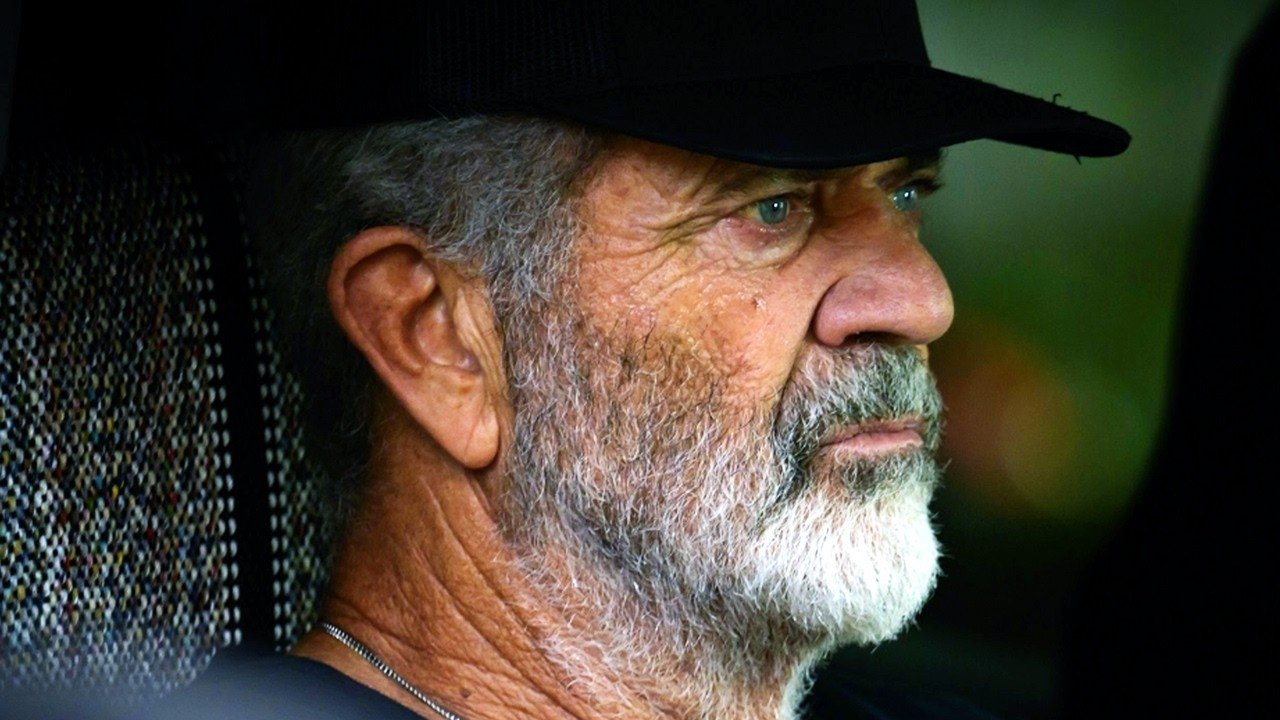
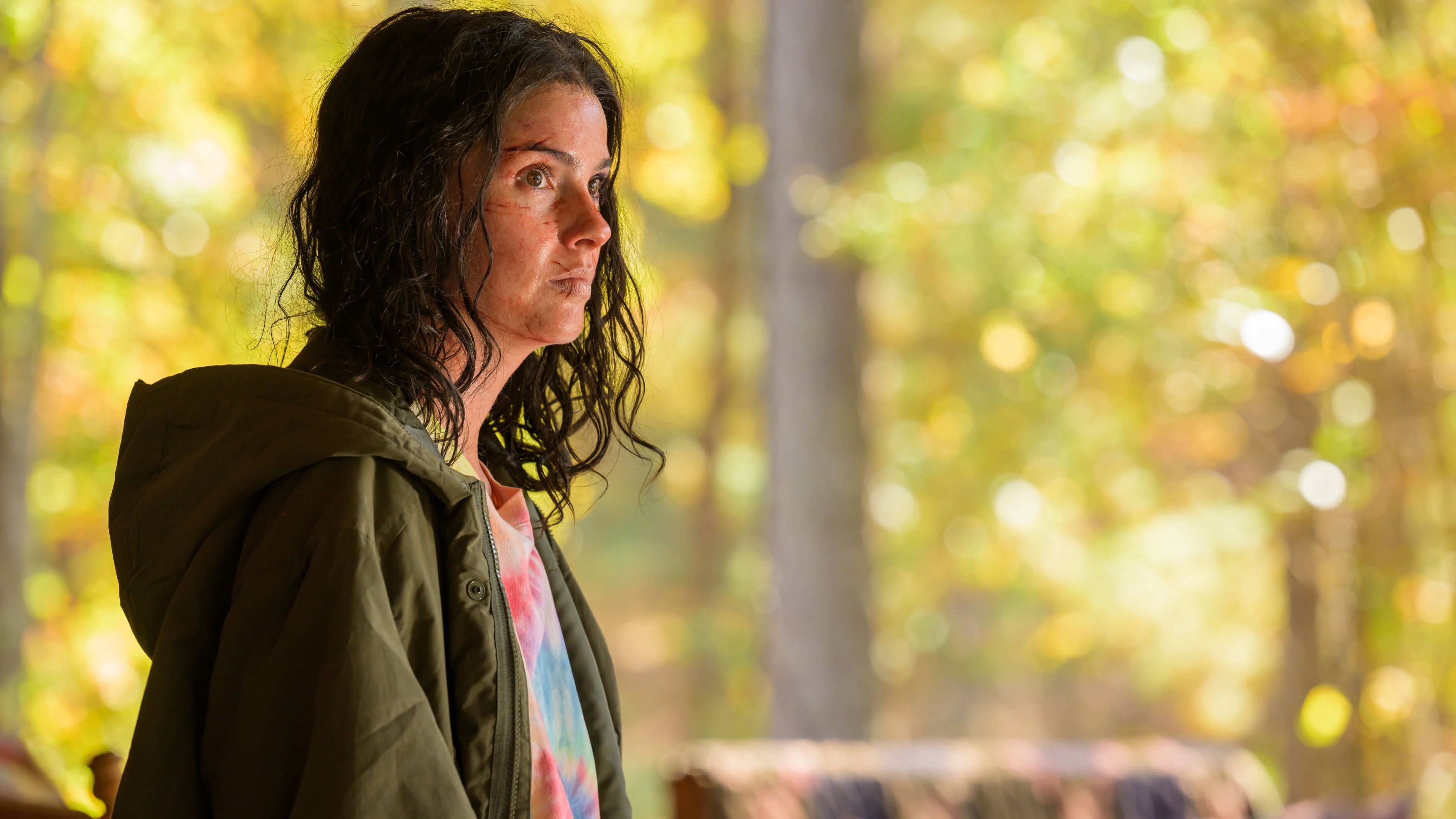
The cast is, without a doubt, the film’s greatest asset. Mel Gibson, playing Bowdrie—a overprotective father hiding more secrets than his 12-year-old daughter—does what he does best: growls, scowls, and reminds us that, despite the years, he still carries that magnetic presence that made him a star. But Gibson isn’t the protagonist here, or at least he shouldn’t be. That honor falls to Shelley Hennig, an actress who’d previously flown under the radar in supporting roles on shows like Teen Wolf, and who here proves she has a special talent for conveying emotion with nothing but a glance. Her character, January, is a mysterious girl who appears on the riverbank and, little by little, becomes the catalyst for a series of events that will forever change Bowdrie’s life and that of his daughter Tag, played by Sofia Hublitz. Hennig pulls off the impossible: making a character that could have been a The Ring or The Sixth Sense cliché feel like its own entity, with a presence that oscillates between the angelic and the unsettling. She is, without a doubt, the soul of the film, and her performance is the only thing that keeps Hunting Season from sinking into oblivion.
But not everything that glitters is gold. Adam Hampton’s script, while competent, suffers from a lack of originality and an excess of rancid testosterone. The male characters, in particular, seem plucked straight from a ‘90s action movie archetype manual: the overprotective father, the corrupt sheriff, the ruthless drug lord (played by Jordi Mollà, who, in his scant minutes on screen, manages to steal every scene with a mix of charisma and menace). The women, for their part, have a bit more depth, but even they occasionally fall into easy stereotypes. Tag, Bowdrie’s daughter, is an interesting character, but her narrative arc gets stuck halfway between the moving and the predictable. And January, despite Hennig’s excellent performance, remains an unresolved enigma, a MacGuffin with legs that serves more as an excuse for plot development than as a character with real substance. The script’s biggest problem, however, is its pacing. Hunting Season takes far too long to get going, and when it does, it does so with a series of twists that, while effective, feel far too familiar to anyone who’s seen more than three suspense films in their life.
Where the film does shine is in its technical aspects. Brandon Cox’s cinematography is, quite simply, spectacular. Cox, who’d previously proven his talent in films like The Outsider and The Last Full Measure, captures the wild beauty of the rural landscape with a color palette that oscillates between the muted greens of the forests and the earthy tones of the soil. Every frame looks like a postcard, but a postcard that hides something sinister, something that never quite reveals itself fully. Anders Niska’s score, meanwhile, is subtle but effective, blending ambient sounds and minimalist melodies that reinforce the atmosphere of tension without resorting to sensationalism. The editing, while not particularly innovative, does its job, though at times it’s clear the film could have benefited from a more agile rhythm. The production design, lastly, is impeccable, with an attention to detail in the sets and objects that helps create a sense of realism that contrasts with the more dreamlike elements of the plot.
Direction and Staging
Raja Collins proves in Hunting Season that he has a privileged eye for visual composition. Every frame is carefully constructed, with an attention to detail that betrays his background in short films. Collins knows how to use space to create tension, how to frame his characters to convey emotion without dialogue, and how to play with light and shadow to reinforce the atmosphere of mystery that envelops the film. That said, it’s also clear this is his first foray into feature-length filmmaking, and at times it shows. There are scenes that drag on longer than necessary, and others that feel rushed, as if the director were afraid the audience might get bored. Still, Collins manages to keep the interest alive for most of the runtime, and his ability to coax solid performances from a cast that mixes veterans with less experienced actors is worthy of praise.
One of the film’s most standout moments is a sequence in which Bowdrie and January face off in a clearing in the woods. The camera moves with an almost hypnotic fluidity, alternating between medium shots and close-ups that capture the tension in the actors’ faces. The light filtering through the leaves creates a play of shadows that reinforces the sense that something isn’t right, that January isn’t what she seems. It’s a moment that recalls the best of psychological horror cinema, and it proves Collins has a special talent for creating images that linger in the memory. These flashes of brilliance, however, are too few and far between, and the film ultimately succumbs to a certain visual monotony that clashes with the intensity of its best scenes.
Performances: The Cast That Saves the Show
As I’ve already mentioned, the cast is one of Hunting Season’s strongest points. Mel Gibson, playing Bowdrie, does what he does best: portray a hard man with a turbulent past and an even more complicated present. Gibson doesn’t try to reinvent himself here, and in a way, that’s a relief. His performance is predictable, but effective, and his chemistry with Sofia Hublitz, who plays his daughter Tag, is one of the few elements that humanizes a plot that, otherwise, could have devolved into the cheapest melodrama. Hublitz, for her part, proves she has a promising future in cinema. Her Tag is a complex character, a girl who oscillates between innocence and forced maturity, and who manages to convey a mix of vulnerability and determination that’s genuinely moving.
But if there’s anyone who steals the film, it’s Shelley Hennig. Her January is an enigmatic, almost supernatural character, and Hennig conveys that ambiguity with a performance that’s both restrained and explosive. There’s a particular scene, in which January sits in front of a mirror and studies herself with a gaze that flickers between fear and fascination, that’s simply terrifying. Hennig makes the audience feel that January is more than just a lost girl, that there’s something dark and dangerous in her, something even she doesn’t fully understand. It’s a performance that deserves to be remembered, and that turns Hunting Season into something more than just a rural thriller.
The best
Shelley Hennig’s performance: January is a character that could have been a textbook cliché, but Hennig gives it depth and ambiguity that make it the soul of the film. Her icy gaze and eloquent silence are, without a doubt, the best thing about Hunting Season*.
- Brandon Cox’s cinematography: Cox captures the wild beauty of the rural landscape with a color palette that oscillates between the poetic and the sinister. Every frame looks like a painting, but a painting that hides something dark.
- The production design: The attention to detail in the sets and objects helps create a sense of realism that contrasts with the more dreamlike elements of the plot. It’s an impeccable job that reinforces the film’s atmosphere.
- Anders Niska’s score: Subtle but effective, Niska’s music reinforces the tension without resorting to sensationalism. It’s one of those scores that flies under the radar, but is essential to the cinematic experience.
The worst
- Adam Hampton’s script: While competent, the script suffers from a lack of originality and an excess of rancid testosterone. The male characters are ‘90s action movie archetypes, and the women, while they have more depth, occasionally fall into easy stereotypes.
- The character of January: Despite Hennig’s excellent performance, the character itself remains an unresolved enigma, a MacGuffin with legs that serves more as an excuse for plot development than as a character with real substance.
The Verdict of Claqueta Ácida
Hunting Season is one of those films that doesn’t leave you indifferent, but also doesn’t change your life. Raja Collins delivers a competent debut, with a cast that saves the show and a technical department that’s impeccable, but suffers from a predictable script and uneven pacing. Shelley Hennig is, without a doubt, the revelation of the film, and her performance is the only thing that keeps Hunting Season from sinking into oblivion. It’s not a masterpiece, nor is it a film that will go down in history, but it’s a rural thriller that delivers on its promise: to entertain without boring, to scare without horrifying, and to leave a bitter aftertaste that lingers for days. It’s not the hunt of the century, but almost. 💀
🎬 Tráiler Oficial
Abrir en YouTube
Hunting Season: frequently asked questions
- What is the rating of "Hunting Season" on Claqueta Ácida?
- "Hunting Season" scored 7.5/10 on Claqueta Ácida in the review by Lúa Ácida.
- Is "Hunting Season" worth watching?
- With reservations. We gave it 7.5/10 (Citric Acid), our rating for uneven films with something worth saving.
- Who directed "Hunting Season"?
- "Hunting Season" was directed by Raja Collins.
Theater Collateral Damage Report
Psychophysical impact certificate issued by Lúa Ácida
1 amago en el tramo intermedio; pestañeo pesado en las transiciones más innecesarias.
Un par de miradas al reloj en el tramo intermedio, comprobando cuánto quedaba de suplicio.
2 espresso para no dejarse vencer por la mediocridad cómoda.
"A mitad del segundo acto cuando la subtrama secundaria empezó a pesar más de lo que aportaba."
💬 Community Verdict
What did you think of the film? Rate it from 0 to 10 to compare it with the editorial review.
You haven't voted yet
📢 ¿Te ha gustado el ácido?
Comparte esta crítica con tus amigos cinéfilos o desata la polémica en redes.
⚡ THE CINEMATIC VENOM YOUR INBOX CRAVES
No sugarcoated ratings, no corporate fluff. Subscribe for our uncensored weekly analysis or join the private Telegram for press previews, poll clashes, and instant alerts.
Alertas de estrenos en 1 segundo, encuestas en caliente y audios al salir de pases de prensa.
Recibe la dosis semanal en tu mail + regalo inmediato del PDF con 50 joyas ocultas de culto.
Related Reviews
Recommended autopsies for demanding film buffs.
 ⚡ Ácido Cítrico 7.1
28 Years Later: The Bone Temple: when cult cinema trips over its own shadow
⚡ Afinidad temática directa en atmósfera, estilo y fijaciones visuales.
A sequel that smells rotten from the very first frame. Garland and DaCosta try to revive the genre, but the result is a technical knockout dressed up as a masterpiece.
 ⚡ Ácido Cítrico 5.8
A Serbian Film: The Snuff That Thought It Was Art (and Ended Up a High-School Nightmare)
⚡ Afinidad temática directa en atmósfera, estilo y fijaciones visuales.
Srđan Spasojević serves up a depravity feast swinging between gratuitous shock and social commentary. Genius or pretentious trash? Claqueta Ácida dissects it with surgical precision.
 ⚡ Ácido Cítrico 6.0
Adolescence, Sex, and Death at Camp Miasma: The Slasher That Reeks of Teen Sweat and a Recycled Script
⚡ Afinidad temática directa en atmósfera, estilo y fijaciones visuales.
Jane Schoenbrun turns a summer camp into a dumpster fire of hormones and clichés. Art or autopsy of a dying subgenre?
Editorial Ecosystem
Cinephile connections, archive interviews and related analyses.
💬 Debate Cinéfilo & Autopsia de Lectores
0 veredictos¿Discrepas con nuestra nota? ¿Es una obra maestra o veneno puro? Deja tu veredicto abajo sin necesidad de registro.


Aún nadie ha dejado su veredicto para esta película.
Sé el primero en clavarle el colmillo rellenando el formulario de arriba.