The Dead Mother — The Basque Gothic That Left Us With Our Hearts in Our Throats (And Our Brains in the Freezer)
Juanma Bajo Ulloa dissects trauma with a butcher’s knife and frames that reek of mold and dried blood. Claqueta Ácida performs an autopsy on his macabre masterpiece.

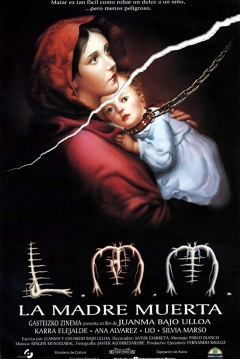


The celluloid crackles like a bone under a killer’s boot as Javier Aguirresarobe’s lighting seeps through the cracks of an abandoned urban farmhouse, as if the devil himself had decided to illuminate the crime scene. In 1993, Juanma Bajo Ulloa wasn’t making a movie—he was conjuring a collective exorcism, a damp, viscous nightmare that would cling to the walls of Spanish memory like mold to a slaughterhouse’s tiles. The Dead Mother isn’t a film; it’s an act of cinematic necromancy, a ritual where trauma becomes flesh and silence the most deafening sound you’ve ever heard. And the most terrifying part? It works. It works like a Swiss watch stained with blood, like a knife sharpened in the dark, like the memory of a crime you never committed but somehow carry tattooed on your soul.
It was 1993, and Spanish cinema was torn between Almodóvar’s fleeting sparkle and the social realism of Loach blended in the Movida’s blender. But in the north, in the Basque Country, a 26-year-old director named Juanma Bajo Ulloa—who was barely 25 when he started shooting and had already left audiences gaping with his debut Butterfly Wings (1991)—decided it was time to drag Gothic horror into the gloomy urban atmosphere of Vitoria, to mix dark folklore with raw psychological terror, and to make viewers feel like they were trapped in a dream they couldn’t wake up from. The Dead Mother isn’t just a cult film; it’s a manifesto, a statement of intent, a punch to the table declaring: "Spanish cinema can be dark, sick, and gloriously disturbing." And damn, did he pull it off. With a tight budget but brilliantly optimized, Bajo Ulloa and his team crafted a film that smells like wet earth, dried blood, and pure fear. This isn’t popcorn cinema; it’s visceral cinema, the kind that leaves your stomach churning and your mind spinning like a hamster on a poisoned wheel.
But let’s talk context, because The Dead Mother wasn’t born in a vacuum. Spain in 1993 was a country nursing an Olympic-sized hangover, with the euphoria-echando-la-vista-atras" class="text-amber-400 font-black hover:text-amber-300 transition underline decoration-amber-500/40 hover:decoration-amber-300" title="[3.6/10 ⚠️ Ácido Sulfúrico] Lee nuestra autopsia de «Euphoria»" data-acid-interlink="euphoria-echando-la-vista-atras">euphoria of Barcelona ’92 still fresh in its memory and the long shadow of ETA darkening the horizon. Meanwhile, cinema was torn between the commercial success of Belle Époque (which would sweep the Goyas that year) and the search for an identity beyond clichéd costumbrismo. Amid this landscape, Juanma Bajo Ulloa emerged like a prophet, a director capable of fusing the gritty realism of John Cassavetes with the Gothic aesthetics of Mario Bava, all seasoned with a dash of Iberian surrealism that could only come from the mind of someone raised in Álava. The Dead Mother is, in many ways, the missing link between the claustrophobic suspense of The Bait and the psychological thriller of Thesis, a film that drinks from the wells of Italian giallo but smells like sour txakoli and closed rooms in a house where someone just died.
And then there’s the cast, an ensemble plucked straight from a fever dream. Karra Elejalde doesn’t play Ismael; he is Ismael, chewing him up and spitting him out like a piece of rotten meat he’s been carrying in his mouth for too long. His gaze is that of a man who’s seen hell and decided, screw it, there’s no turning back. Ana Álvarez, as Leire—the traumatized girl now a broken woman in a state of mental collapse—is pure fragility and contained madness, like a porcelain vase riddled with cracks, threatening to shatter at any moment. And then there’s Lio (Maite), Ismael’s stormy partner, trapped in a viscous, explicit relationship where sex and sickening jealousy toward young Leire become the true engine of tragedy. Her on-screen presence is like a bad omen made flesh. This isn’t a cast; it’s a coven of actors committed to the cause, willing to get their hands dirty with fake blood (or not-so-fake) to make the film work. And work it does. Every scene, every glance, every silence is charged with tension on the verge of explosion, as if the celluloid might burst into flames at any moment, leaving us all empty-handed with our hearts in our throats.
finalExplicado: "Ismael, tras asesinar al joyero y a su propia madre adoptiva, es abatido a tiros por la policía dentro de la casa. En el clímax, la niña (su hermana biológica) presencia todo y, en un plano final escalofriante, se queda sola, mirando directamente a cámara con una sonrisa perturbadora y los ojos vacíos mientras lame lentamente un cuchillo ensangrentado. Simbólicamente, el desenlace certifica la transmisión perfecta del trauma: el mal no muere con el monstruo, sino que se inocula en la siguiente generación. La niña no es salvada, es infectada. El gótico vasco se cierra con la victoria absoluta de la necrosis moral, congelando al espectador en la certeza de que el horror ha encontrado un nuevo y joven huésped."
The Direction: A Macabre Dance Between Gothic and Gritty Realism
If Juanma Bajo Ulloa had been born in the U.S., he’d be hailed as a master of indie horror, a David Lynch with a Basque accent and less budget. But since he was born in Vitoria, he had to settle for being a misunderstood genius in his time—a director capable of turning a clinic and a gloomy farmhouse into characters of the film, spaces that breathe, sweat, and, above all, smell. Because The Dead Mother isn’t just seen; it’s smelled. It reeks of damp earth, dried blood, sour milk, that musty odor of houses where something terrible has happened and no one’s dared to open the windows. Bajo Ulloa doesn’t direct with a script; he directs with a knife, slicing reality into frames that seem plucked from a Buñuel nightmare, but with the visual rawness of a Pasolini on his worst days.
Javier Aguirresarobe’s cinematography is, quite simply, a masterpiece. Every shot is designed to make the viewer feel trapped, as if the walls of the rooms were slowly closing in. The frames are dark, but not in a generic way—this is a specific darkness, one with texture, woven from cobwebs and dust. When Ismael drags his victim across the floor, it’s not just a camera movement; it’s a choreography of violence, a macabre dance where the viewer is invited to participate, whether they like it or not. And then there are the close-ups—those faces lit by light that seems to come from beyond, as if the characters are being watched by something—or someone—not of this world. The Dead Mother isn’t a film you watch; it’s a film you feel, you suffer, you live like a bad trip you can’t wake up from.
But the brilliance of Bajo Ulloa’s direction lies in his manipulation of time. The film moves like a broken clock, its tension building not in jarring bursts but organically, as if the characters’ trauma had infected the narrative structure itself. Some scenes feel like they last an eternity—those suffocating, static shots where Ismael and Leire share space in silence, guilt pounding against the walls like it’s trying to break in. Others flash by in the blink of an eye, as if the director knows some things are better left unseen, lest the viewer shatter completely. And then there’s the ending—an outcome as unexpected as it is inevitable, as brutal as it is poetic, leaving the audience with the sense of having witnessed something sacred, something they shouldn’t have seen but needed to.
The Performances: A Coven of Madness and Flesh
If The Dead Mother proves anything, it’s that 1990s Spanish cinema had actors capable of the best and the worst—and in this case, the best is so good it hurts. Karra Elejalde doesn’t play a killer; he plays a man who’s decided life is a bad joke and he’s the only one who’s gotten the punchline. His Ismael is a layered character, the kind who could be a Tarantino villain but, in Bajo Ulloa’s hands, becomes something far more complex: a broken man, a monster with a soul, a murderer dragging his own misery behind him. Elejalde doesn’t act; he exists on screen, with a physical presence that’s as imposing as it is terrifying. Every gesture, every glance, every twisted smile is calculated to make the audience unsure whether to laugh or run for the hills. And that, dear readers, is what separates good actors from the greats.
But if Elejalde is fire, Ana Álvarez is ice. Her Leire is one of those performances that leaves you breathless—a mix of fragility and absolute emptiness, teetering on the edge of collapse. Álvarez doesn’t play a traumatized woman; she plays a living ghost, a being who’s stopped communicating with this world but, for some reason, remains trapped in it. There’s one scene in particular—where Leire reacts in a childlike, disconnected way to the objects around her—that’s so heartbreaking, so real, it chills you to the bone. And then there’s Lio as Maite, a ruthless force whose smile is like a knife in the dark. She fears nothing, and the jealousy eating her alive makes her the most dangerous catalyst in the story. Her performance is pure electricity, a reminder that sometimes evil doesn’t need to be shouted—sometimes, a possessive glance and a silence are enough.
The rest of the cast doesn’t lag behind. Silvia Marsó, Elena Irureta, and Ramón Barea round out this ecosystem with performances as precise as they are opportune. Marsó, in her brief but impactful role as the dead mother in the prologue, imbues the opening sequence with a fragility and tension that sets the nightmare in motion, while Barea and Irureta bring the necessary solidity to their supporting roles. The Dead Mother isn’t a film with actors; it’s a film with beings, creatures plucked from a fever dream who, nonetheless, feel more real than many of the characters populating cinema today.
The Technical Aspects: When the Devil’s in the Details
If The Dead Mother proves anything, it’s that cinema doesn’t need Hollywood budgets to be great—it just needs ideas. And Bajo Ulloa had them in spades. Let’s start with Saturnino Amado’s production design, which is, quite simply, a work of art. The locations where much of the film takes place aren’t mere sets; they’re characters, spaces that breathe, sweat, and reek of decay. Every corner, every object, every texture on the walls is there for a reason, as if the place itself is telling its own horror story. And then there’s the costume design, as simple as it is effective. The characters don’t dress to impress; they dress raw, like they know the world is a dangerous place and reality could explode in their faces at any moment.
The score, composed by Bingen Mendizábal, is another of the film’s triumphs. It’s not music that warns you something bad is about to happen; it’s music that knows something bad has already happened, and all it can do is weep in silence. The themes are melancholic, almost lyrical and heart-wrenching, blending tension with deep sadness. And then there are the silences—those moments when the music fades and all that’s left is the sound of breathing, rain, footsteps approaching. The Dead Mother doesn’t need cheap jump scares to frighten you; the atmosphere is enough.
But if there’s one technical aspect that elevates the film to cult status, it’s the editing. Bajo Ulloa and his editor, Pablo Blanco, play with tension’s rhythm impeccably, cutting scenes at just the right moment to leave the audience holding its breath. Some sequences stretch unbearably to heighten psychological suspense, manipulating time with surgical precision reminiscent of the best European suspense cinema. The result is a film that never lets you relax, keeping you on edge from the first frame to the last, as if madness might leap off the screen and grab you by the throat at any moment.
The Best
- Juanma Bajo Ulloa’s Direction: A unique stylistic exercise blending psychological suspense with the atmosphere of a perverse fairy tale, so dense you could cut it with a knife.
- Javier Aguirresarobe’s Cinematography: Every shot is a macabre chiaroscuro, a masterpiece playing brilliantly with light and shadow.
- Karra Elejalde’s Performance: A grotesque yet strangely human villain, a killer who unsettles you deeply while showcasing his instability on screen.
- Production Design: The claustrophobic rooms and gloomy sets aren’t backdrops; they form an oppressive environment that breathes and exudes absolute decay.
- Bingen Mendizábal’s Score: Heart-wrenching, lyrical music that doesn’t go for cheap scares but underscores the characters’ inner tragedy.
- The Ending: Brutal, poetic, unexpected, and inevitable. A gut-wrenching conclusion that leaves you breathless.
The Worst
- Specific Dialogues: Some secondary interactions feel a bit stiff, with lines that sound more artificial than the rest of the visual atmosphere.
- Deliberate Pacing: The film simmers its tension slowly, which might frustrate those looking for a fast-paced, commercial thriller from the get-go.
- Secondary Character Development: Though Elena Irureta and Ramón Barea deliver solid performances, their roles are completely overshadowed by the overwhelming weight of the lead trio.
- Overloaded Symbolism: At times, Bajo Ulloa piles on visual metaphors and religious iconography that can feel a bit heavy-handed or redundant.
- Jarring Transitions: Some cuts opt for such radical contrast that they momentarily break the film’s hypnotic aesthetic.
The Verdict of Claqueta Ácida
The Dead Mother isn’t a film—it’s an experience. One of those rare gems of Spanish cinema that leaves your heart in your throat, your mind in shock, and your stomach in knots, as if you’ve just emerged from an emotional rollercoaster you didn’t know would be so intense. A very young Juanma Bajo Ulloa proved in 1993 that suspense and psychological horror don’t need special effects or million-dollar budgets—just strong ideas, actors willing to give their all, and an atmosphere so thick you could cut it with a knife. This film is a reminder that sometimes fear isn’t in what you see, but in what you feel—in guilt, and in what you imagine might be lurking in the darkness of the human mind. The Dead Mother is cinema in its purest form, the kind that hurts, disturbs, and, above all, isn’t easily forgotten. And if you don’t come away feeling like you’ve witnessed something unrepeatable, you weren’t paying attention. 💀
🎬 Tráiler Oficial
Abrir en YouTube
Ending Explained: The Dead Mother
Ficha de Daños Colaterales en Sala
Certificado de impacto psicofísico emitido por Odin Lagbert
Ni un solo parpadeo voluntario. El asiento, inusualmente cómodo.
El móvil permaneció en el bolsillo donde debía estar.
Ninguna. Esta obra no necesita muletas estimulantes.
"No hubo. La coherencia se mantuvo hasta el último fotograma."
💬 El Veredicto de la Comunidad
¿Qué te ha parecido la película? Deja tu nota de 0 a 10 para contrastarla con el análisis de la redacción.
Aún no has votado
📢 ¿Te ha gustado el ácido?
Comparte esta crítica con tus amigos cinéfilos o desata la polémica en redes.
⚡ THE CINEMATIC VENOM YOUR INBOX CRAVES
No sugarcoated ratings, no corporate fluff. Subscribe for our uncensored weekly analysis or join the private Telegram for press previews, poll clashes, and instant alerts.
Alertas de estrenos en 1 segundo, encuestas en caliente y audios al salir de pases de prensa.
Recibe la dosis semanal en tu mail + regalo inmediato del PDF con 50 joyas ocultas de culto.
Related Reviews
Recommended autopsies for demanding film buffs.
 🔥 Fusión Nuclear8.0
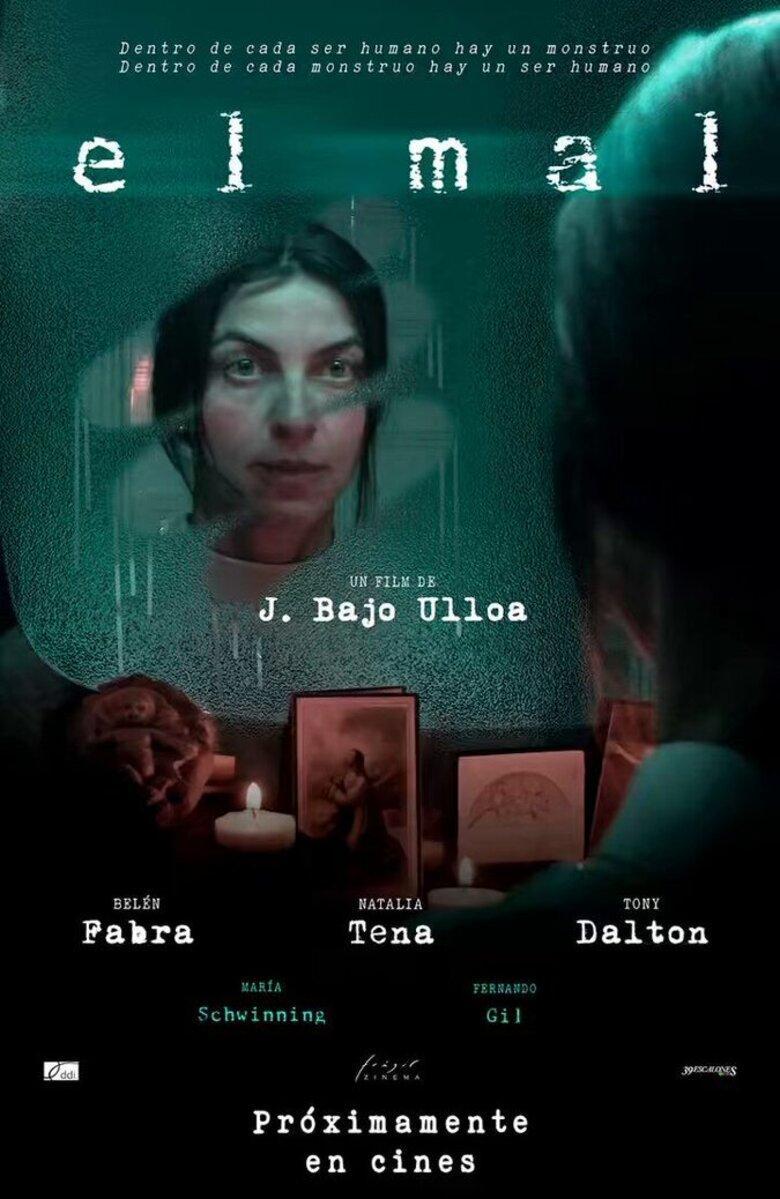
Evil: Juanma Bajo Ulloa and the Poetics of Analog Horror in the Age of Soulless Streaming
⚡Del mismo director (Juanma Bajo Ulloa): analiza la evolución o degradación de su estilo.
Juanma Bajo Ulloa returns with a gothic thriller that reeks of scorched celluloid and dried blood. Does *Evil* escape the folklore of domestic terror, or does it drown in its own symbolism?
 🔥 Fusión Nuclear8.5
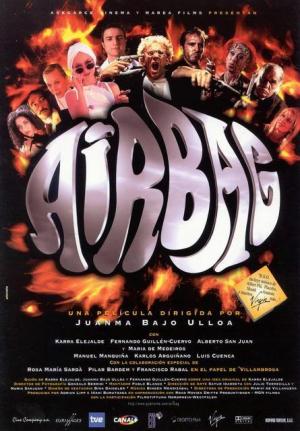
*Airbag: The 90s’ Orgy of Chaos with Style (or How the Decade Taught Us to Laugh at Death)*
⚡Del mismo director (Juanma Bajo Ulloa): analiza la evolución o degradación de su estilo.
Juanma Bajo Ulloa turns mayhem into art with this psychedelic road movie, where the A/C reeks of cheap whiskey and the celluloid sweats testosterone. A cult gem that time hasn’t been able to tarnish.
 🔥 Fusión Nuclear8.0
Abigail: Ballet, Rivers of Hemoglobin, and the Worst Nightmare of a Discount Kidnapping Gang
⚡Afinidad temática directa en atmósfera, estilo y fijaciones visuales.
Radio Silence signs a delightfully entertaining, bloody, and hyperbolic vampire slasher within a mansion where a twelve-year-old ballerina is the monster.
Editorial Ecosystem
Cinephile connections, archive interviews and related analyses.
🎞️ In Claqueta Cinematheque2
💬 Debate Cinéfilo & Autopsia de Lectores
0 veredictos¿Discrepas con nuestra nota? ¿Es una obra maestra o veneno puro? Deja tu veredicto abajo sin necesidad de registro.


Aún nadie ha dejado su veredicto para esta película.
Sé el primero en clavarle el colmillo rellenando el formulario de arriba.