The Fly — Cronenberg and the Art of Turning Love into Pus
David Cronenberg delivers a masterpiece of body horror that transforms Jeff Goldblum into an insect with a human soul. Revolting, poetic, and profoundly heartbreaking.

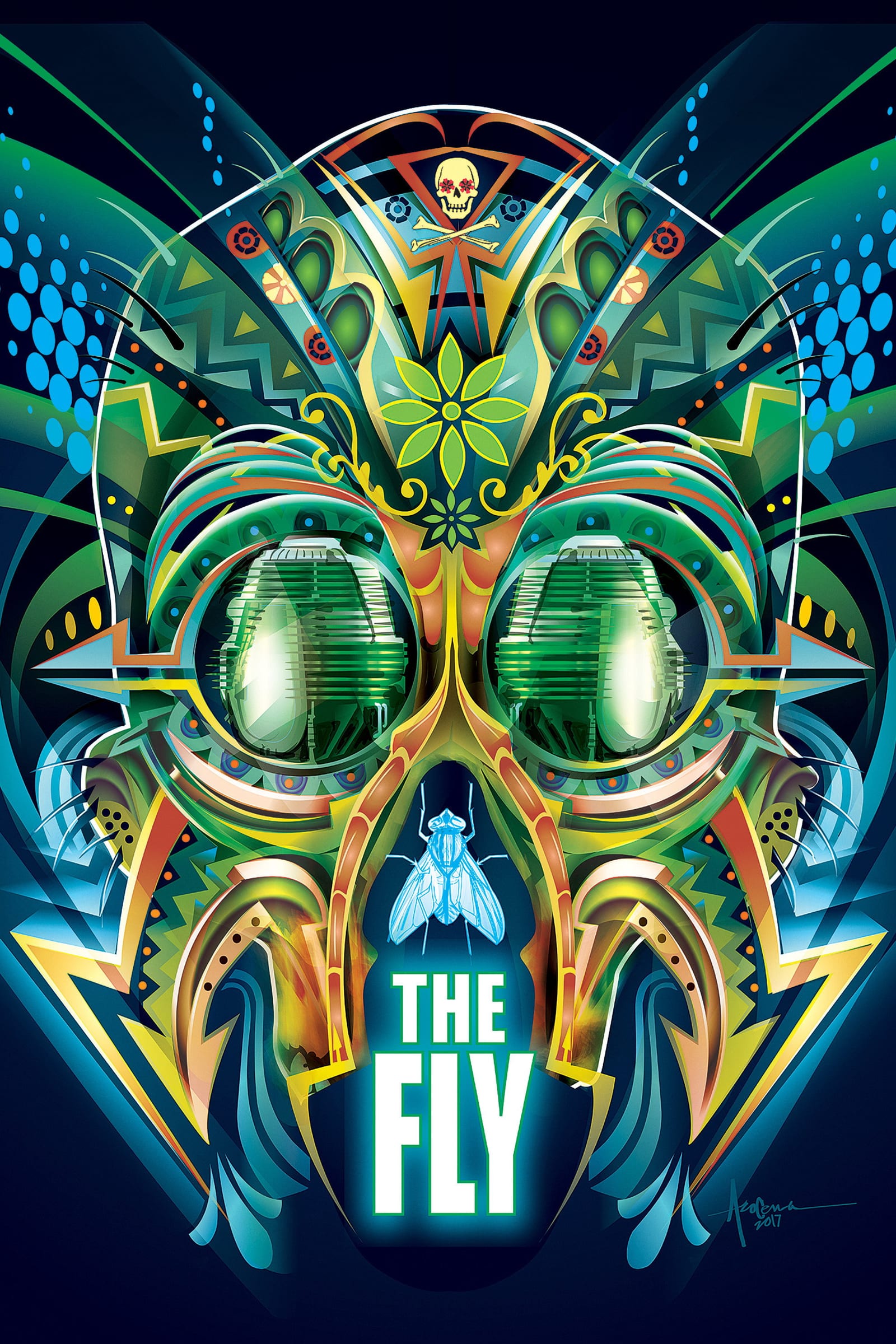


Some films aren’t watched—they’re endured. The Fly by David Cronenberg is one of them. Released in 1986, smack in the middle of the Reagan era and Hollywood’s commercial blockbuster boom, this body horror masterpiece erupted like an artistic protest, a reminder that cinema could be visceral, poetic, and deeply disturbing without explosions or action heroes. Cronenberg, that misanthropic Canadian genius, had already proven his obsession with the fusion of flesh and machine in Videodrome and Scanners, but here he took his discourse to a more intimate, more human—and, of course, more revolting—terrain. Because The Fly isn’t just a monster movie: it’s a Greek tragedy with nightmare-inducing practical effects and a Jeff Goldblum in a state of absolute grace, decomposing physically and emotionally before our very eyes.
The production context is as fascinating as the film itself. Produced by Brooksfilms (yes, Mel Brooks’ company, the man behind Young Frankenstein), The Fly was born from a Cronenberg original script that loosely adapted George Langelaan’s 1957 short story and Kurt Neumann’s 1958 film. But where the original was a simple mad scientist B-movie, Cronenberg injected his personal stamp: a reflection on the fragility of the body, the fear of aging, the loneliness of genius, and, above all, love as a destructive force. The budget was modest (around $9 million, a pittance compared to the blockbusters of the time), but the result is one of the most influential films in modern horror. And not just because of Chris Walas’ Oscar-winning practical effects, but because of that oppressive atmosphere, that air of scientific decay permeating every frame.
The shoot wasn’t without controversy. Jeff Goldblum, in one of his finest performances, spent hours daily in the makeup chair, subjected to a transformation process that mirrored his character’s deterioration. The prosthetics, designed to show Brundle’s metamorphosis into Brundlefly, were so detailed and realistic they made the crew nauseous. Geena Davis, then Goldblum’s real-life partner, delivers a heart-wrenching humanity as Veronica, the journalist who falls for the scientist and witnesses, powerless, his descent into monstrosity. The chemistry between them is palpable, and that’s what makes the ending even more devastating. Because The Fly isn’t just a horror film: it’s a love story. A toxic, self-destructive love that rots like Brundle’s flesh under the microscope.
The opening shot is a statement of intent. A tight close-up of Jeff Goldblum’s face, those bulging eyes and that crooked smile hiding something sinister. This is human Brundle, the brilliant but socially awkward scientist, the man who believes he’s found the key to transcending biology’s limits. But Cronenberg doesn’t show his genius through technical monologues or sterile lab scenes. No, here science is dirty, organic, almost sexual. The teleportation pods look like mechanical wombs, and the act of teleporting is such an obvious metaphor for sex it hurts. Brundle doesn’t just want to break physical barriers: he wants to merge with the world, with Veronica, with his own flesh. And when the fly sneaks into the pod, the experiment becomes a biological violation, a non-consensual fusion that triggers the nightmare.
Direction and Mise-en-scène: The Body as a Battleground
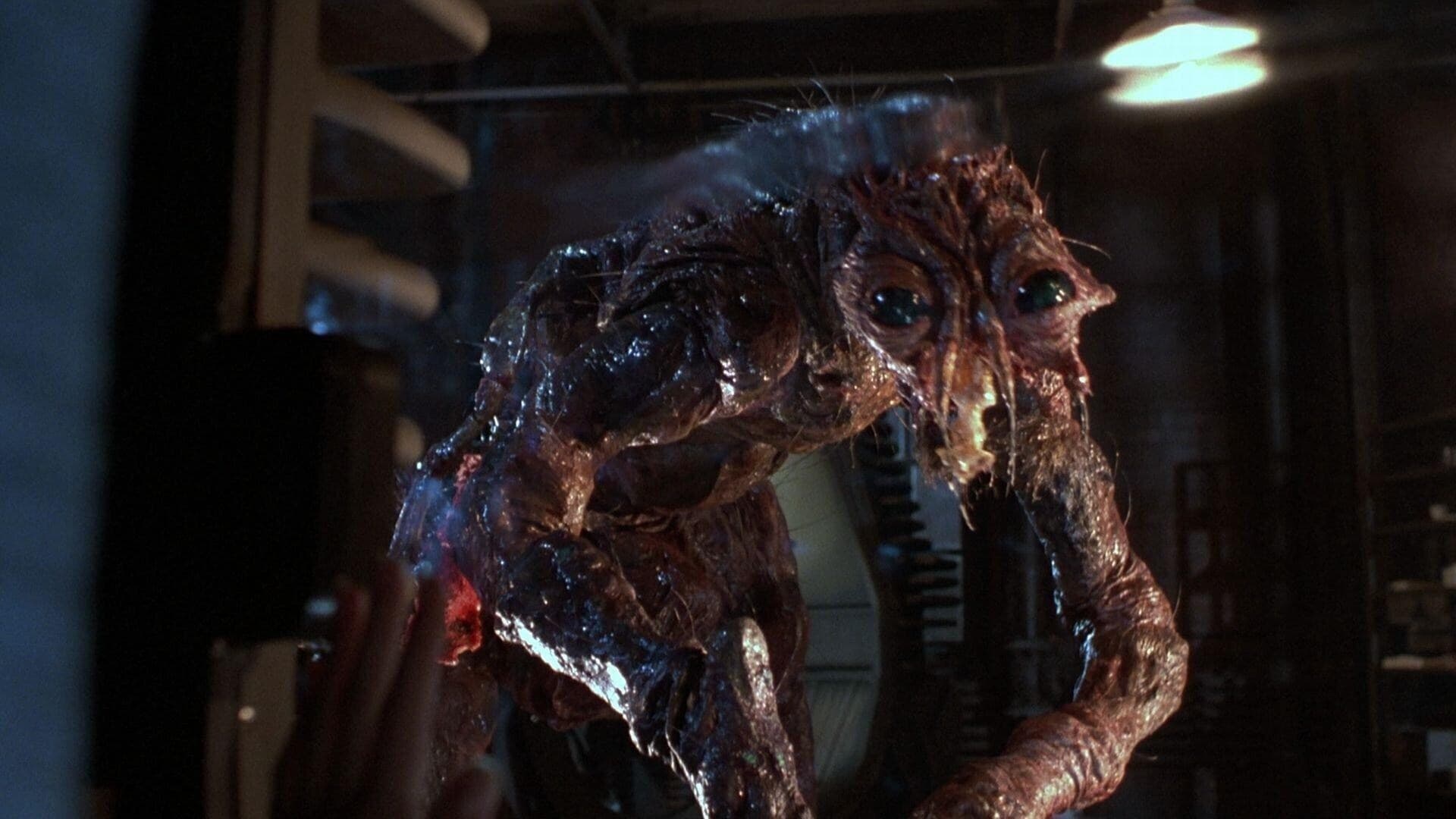
David Cronenberg doesn’t direct films—he dissects obsessions. In The Fly, his obsession is the human body as a fragile, corruptible, almost obscene entity in its vulnerability. Every shot is calculated to generate discomfort, from the early experiments with baboons (yes, real animals were used, and yes, it’s as disturbing as it sounds) to Brundle’s final stages of metamorphosis, where makeup and practical effects reach levels of realism that still impress today. Cronenberg doesn’t resort to cheap gore: his terror is slow, progressive, like a degenerative disease. And that’s what makes it so effective.
The use of color is masterful. Mark Irwin, the cinematographer, bathes the film in cold, metallic tones during lab scenes, contrasting with the sickly yellows and greens of the later acts, when Brundle’s flesh begins to rot. The lighting is clinical, almost surgical, but with an expressionist touch reminiscent of German horror classics. And then there’s the sound: the crunching of bones, the squelching of liquefying flesh, Goldblum’s moans of pain. Cronenberg turns Brundle’s body into a musical instrument, a symphony of horror that echoes in the theater like a reminder of our own mortality.
But the most brilliant aspect of Cronenberg’s direction is how he handles pacing. The Fly isn’t a film of cheap scares or frenetic action. It’s a psychological drama with horror elements, and as such, it demands patience. The first 40 minutes are almost a clumsy romantic comedy, with Brundle wooing Veronica through awkward dialogue and wounded puppy-dog eyes. But that slowness is deliberate: Cronenberg wants us to grow attached to these characters, to feel their connection, so he can rip it away. When the transformation begins, every scene is a gut punch, a backstabbing reminder that love, like science, can be a destructive force.
Performances: Goldblum in His Purest Form
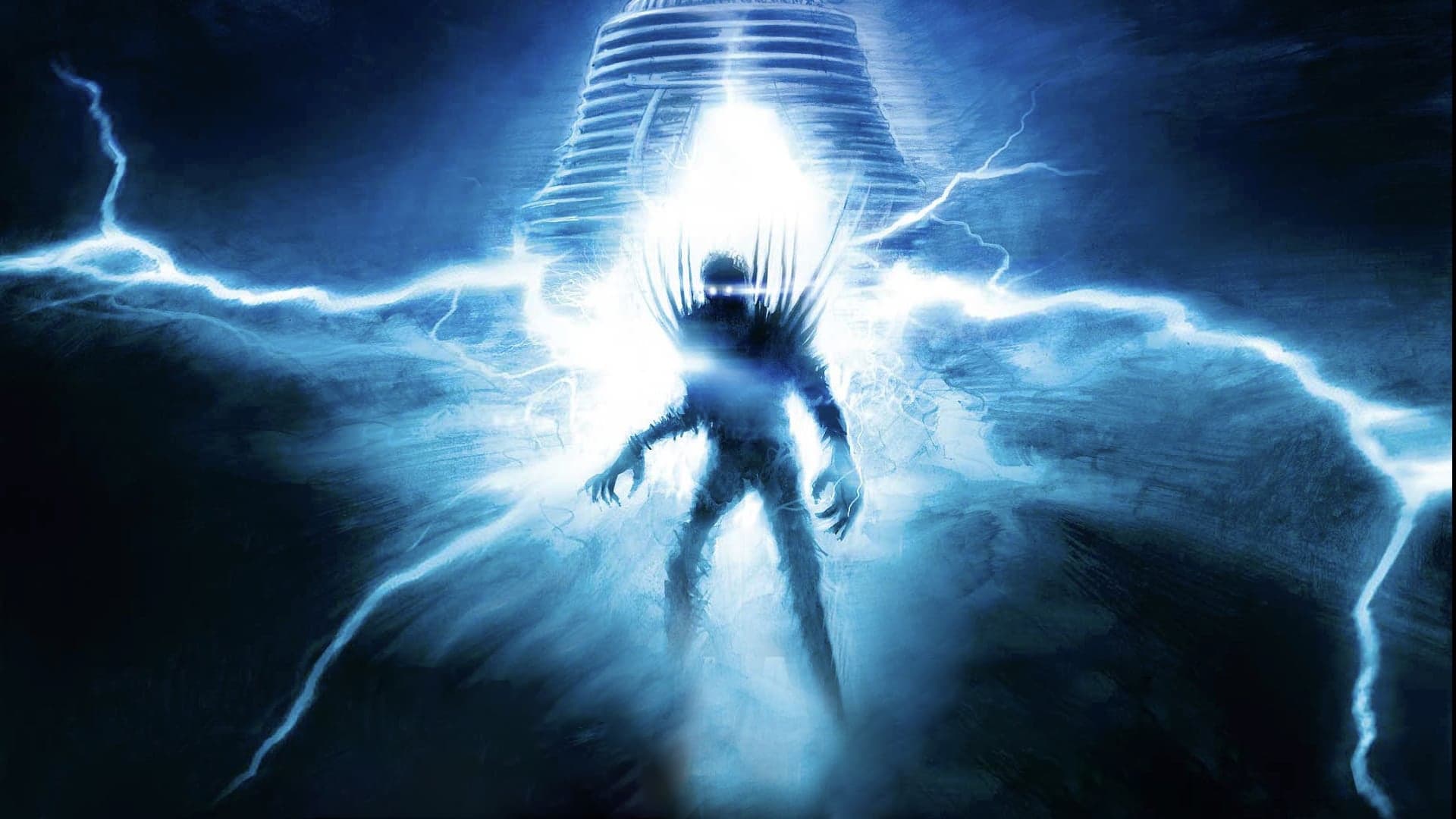
Jeff Goldblum doesn’t play Seth Brundle—he becomes him. And then he decomposes. His performance is a masterclass in physical and emotional transformation, a journey from social awkwardness to scientific arrogance, through paranoia, despair, and finally, a kind of grotesque acceptance. Goldblum doesn’t just carry the film: he devours it. Every gesture, every glance, every word is laden with meaning. When Brundle says, "I’m an insect who dreamed he was a man and loved, but now the dream is over and the insect is awake," it’s not just dialogue—it’s the heart of the film.
Geena Davis, meanwhile, brings heartbreaking humanity as Veronica. Her character is the emotional counterpoint to Brundle’s scientific coldness, and Davis conveys a mix of love, revulsion, and guilt that’s hard to forget. Her final scene, where she must make the hardest decision of her life, is one of the most devastating moments in horror cinema. And then there’s John Getz as Stathis Borans, Veronica’s editor, a character who could’ve been a simple villain but whom Cronenberg turns into a distorted reflection of Brundle: another man obsessed with control, but without the scientist’s genius or humanity.
The best
- Jeff Goldblum’s transformation: It’s not just the makeup (though Chris Walas’ practical effects are legendary). It’s the way Goldblum modulates his voice, his body language, his gaze. Every stage of the metamorphosis is an emotional and physical gut punch.
- Cronenberg’s screenplay: A perfect blend of body horror, romantic drama, and Greek tragedy. The dialogue is sharp, poetic, and layered with double meanings. And that final scene... My God, that final scene.
- Mark Irwin’s cinematography: The cold tones of the lab contrast with the sickly yellows and greens of decomposing flesh. Every frame looks like an expressionist painting.
- Sound design: The crunching, the squelching, the moans. Cronenberg turns Brundle’s body into an instrument of horror, and the sound is key to conveying that sense of decay.
- Cronenberg’s direction: Cold, calculated, but with a beating human heart. He knows exactly when to speed up the pace and when to let the characters breathe. And that bar scene, where Brundle shows off his superhuman strength, is pure cinematic magic.
The worst
- Some redundant dialogue: There are moments where Brundle over-explains his transformation, as if Cronenberg didn’t trust the audience to get the metaphors. Less is more.
- The Stathis Borans character: John Getz does what he can, but his character is a cliché of the "jealous ex-boyfriend" who doesn’t add much beyond being an obstacle for Veronica and Brundle.
- Pacing in the first act: The first 30 minutes are slow, almost tedious. Cronenberg takes his time finding the tone, which might make some viewers lose interest before the real nightmare begins.
The Verdict of Claqueta Ácida
The Fly isn’t a horror film: it’s a gore poem about love, science, and the fragility of the human body. David Cronenberg delivers a masterpiece that remains as disturbing today as it was in 1986, thanks to flawless direction, a brilliant script, and above all, a Jeff Goldblum performance that borders on the supernatural. It’s not perfect—some dialogue is excessive, and the first act drags—but when it hits, it does so with the force of a jackhammer to the gut. If cinema is the art of showing what we don’t want to see, The Fly is one of its peaks. And its final scene, that mix of horror and pity, is one of the most devastating in film history. You won’t watch it—you’ll endure it. And then, like Brundle, you’ll want someone to pull the trigger. 💀
tweets_alternativos:
🎬 Tráiler Oficial
Abrir en YouTube
Ficha de Daños Colaterales en Sala
Certificado de impacto psicofísico emitido por Odin Lagbert
Cero bostezos. Pupilas dilatadas y tensión mandibular constante.
Ninguna comprobación del tiempo. Se agradece la rareza.
Ninguna. Esta obra no necesita muletas estimulantes.
"No aplica. La obra se sostiene sola."
💬 El Veredicto de la Comunidad
¿Qué te ha parecido la película? Deja tu nota de 0 a 10 para contrastarla con el análisis de la redacción.
Aún no has votado
📢 ¿Te ha gustado el ácido?
Comparte esta crítica con tus amigos cinéfilos o desata la polémica en redes.
⚡ THE CINEMATIC VENOM YOUR INBOX CRAVES
No sugarcoated ratings, no corporate fluff. Subscribe for our uncensored weekly analysis or join the private Telegram for press previews, poll clashes, and instant alerts.
Alertas de estrenos en 1 segundo, encuestas en caliente y audios al salir de pases de prensa.
Recibe la dosis semanal en tu mail + regalo inmediato del PDF con 50 joyas ocultas de culto.
Related Reviews
Recommended autopsies for demanding film buffs.
 🔥 Fusión Nuclear8.1
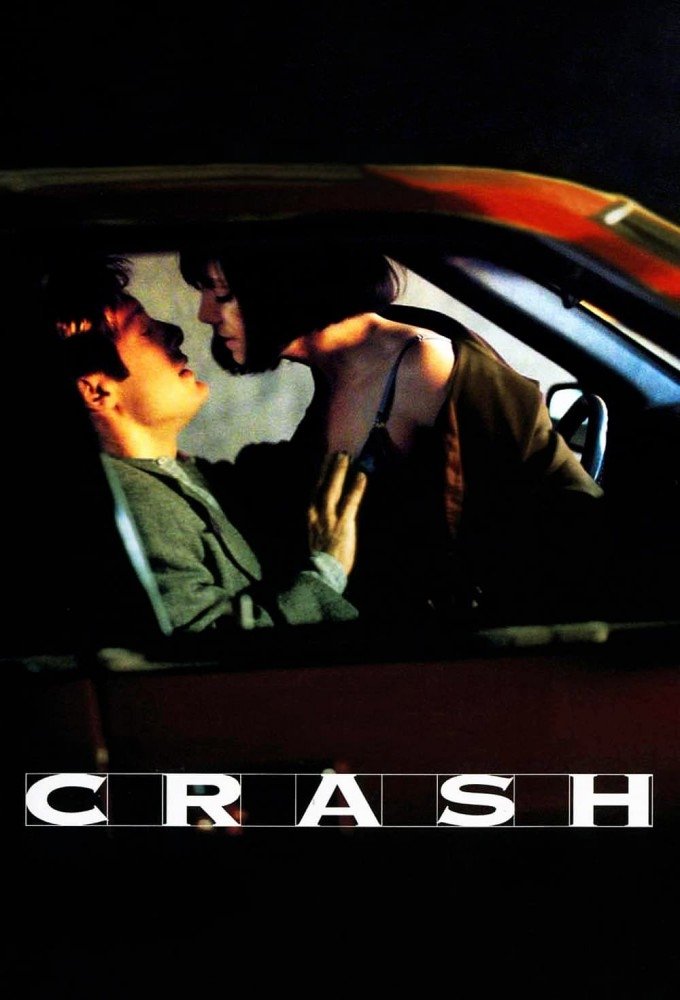
Crash: Cronenberg’s Carnal Collision That Left Us in a (Sexual) Coma
⚡Del mismo director (David Cronenberg): analiza la evolución o degradación de su estilo.
David Cronenberg turns a traffic accident into a carnival of flesh, metal, and perversion. Art or autopsy? Here’s the acidic verdict.
 🔥 Fusión Nuclear8.5
**Eastern Promises: A Dark Journey into the Heart of the Mafia – Cronenberg’s Scalpel Meets Russian Rot**
⚡Del mismo director (David Cronenberg): analiza la evolución o degradación de su estilo.
A scathing takedown of David Cronenberg’s *Eastern Promises*—where the mafia gets the autopsy it deserves.
 🔥 Fusión Nuclear9.2
Possession: When Love Rots and Celluloid Bleeds
⚡Afinidad temática directa en atmósfera, estilo y fijaciones visuales.
Żuławski turns a divorce into a flesh-and-psychosis black mass. Isabelle Adjani screams so hard the Berlin Wall shudders. Horror cinema for masochists with impeccable taste.
Editorial Ecosystem
Cinephile connections, archive interviews and related analyses.
🎞️ In Claqueta Cinematheque2
💬 Debate Cinéfilo & Autopsia de Lectores
0 veredictos¿Discrepas con nuestra nota? ¿Es una obra maestra o veneno puro? Deja tu veredicto abajo sin necesidad de registro.

Aún nadie ha dejado su veredicto para esta película.
Sé el primero en clavarle el colmillo rellenando el formulario de arriba.