The Omen — The Antichrist Who Saved Us from Boredom (and Sanity)
Richard Donner delivers a horror classic with more fangs than a vampire at a clearance sale. Damien Thorn: the most evil kid since cinema discovered that evil smells like sulfur and cheap hair gel.

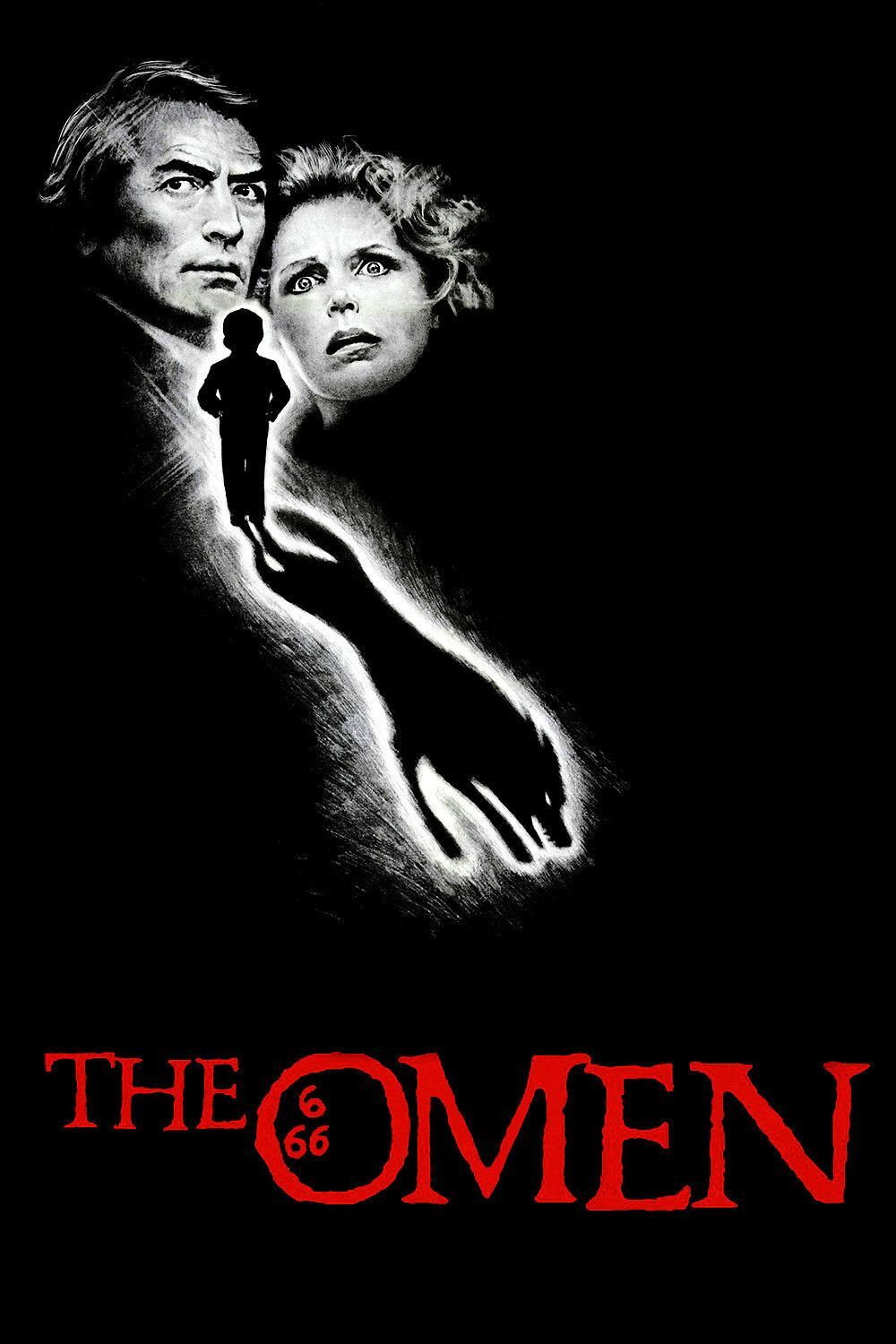

The year is 1976, and the world has yet to meet the most dangerous child since Herod decided babies were a national security risk. Richard Donner, a director who had until then flirted with Westerns and light comedy, was tasked with bringing The Omen to life—a film that, according to 20th Century Fox executives, was going to be "The Exorcist, but classier." What no one expected was that Donner, armed with a script by David Seltzer that blended bargain-bin theology, drawing-room suspense, and a dark-haired kid with the face of an angel and the soul of a demon, would create not just a box-office hit, but an instruction manual for terrifying generations. Horror, until then a genre dominated by possessions, haunted houses, and rubber monsters, was about to learn that evil didn’t need horns or fangs—just a pageboy haircut and a smile that chilled the blood more than a yeti’s breath in winter.
The context couldn’t have been juicier. We were in the golden age of disaster cinema: The Towering Inferno, Earthquake, and The Poseidon Adventure had turned mass suffering into a luxury spectacle, with special effects as over-the-top as the protagonists’ polyester suits. But The Omen took a different path: instead of destroying entire cities, it chose to destroy its characters’ sanity (and, while it was at it, the audience’s). Seltzer’s script, which in less capable hands could have been a stretched-out episode of Charlie’s Angels, became a masterclass in Gothic suspense, where the real monster wasn’t a supernatural entity but the paranoia seeping into every frame like incense smoke in a black mass. The film was shot between London and Rome, using the oppressive architecture of both cities to craft an atmosphere that wavered between political thriller and macabre fairy tale. And at the center of it all, like a tiny Satan in diapers, was Damien Thorn, played by Harvey Stephens, a five-year-old who accomplished the impossible: making Gregory Peck look like a soap opera actor.
But let’s talk about Gregory Peck, because his presence in The Omen is one of those cinematic mysteries that can only be explained by a mix of artistic desperation and checks with a lot of zeros. Peck, the same man who had embodied Atticus Finch with the gravitas of a Supreme Court justice, was now reduced to sprinting through hospital hallways as if haunted by the ghost of his own career. His character, Robert Thorn, is an American diplomat who, after the death of his biological son, decides to adopt an orphan without asking too many questions. Mistake. Because, as any horror fan knows, you should never adopt a child without first checking their baptismal certificate. Peck, with his baritone voice and Greek-statue bearing, tries to lend dignity to a role that essentially involves screaming, sweating, and staring in horror at his own son—but the result is about as convincing as an exorcism performed by a Boy Scout choir. That said, credit where it’s due: no one else could convey the desperation of a father discovering his son is the Antichrist, even if it’s with the same intensity as a plumber finding a leak in his own home.
Then there’s Lee Remick as Kathy Thorn, the mother who goes from perfect wife to perfect victim in record time. Remick, an actress who had proven her talent in films like Anatomy of a Murder and Days of Wine and Roses, is reduced here to a shadow of herself—a woman whose sole purpose in the plot is to scream, cry, and die spectacularly (spoiler: it doesn’t end well). Her performance is so over-the-top it could’ve been plucked from a 1950s melodrama, but in the context of The Omen, it works as a grotesque counterpoint to Damien’s calculated coldness. Because, at the end of the day, what’s scarier: a child who kills with a glance, or a mother who refuses to see what’s right in front of her? The film plays with that ambiguity, blending supernatural horror with domestic drama, as if Tennessee Williams had written an episode of The Twilight Zone.
The best
- Richard Donner’s direction: A masterclass in classic suspense that proves horror doesn’t need constant special effects—just a camera that knows where to look.
- Harvey Stephens’ performance: Damien Thorn is one of cinema’s most terrifying villains, and Stephens plays him with a chilling detachment.
- Jerry Goldsmith’s score: Ave Satani is a symphonic horror masterpiece, a piece that will haunt your nightmares.
- Gilbert Taylor’s cinematography: A perfect blend of Gothic classicism and 1970s visual style, with lighting that looks like it was painted by the devil himself.
- David Seltzer’s script: A smart, subtle text that doles out information like poison, playing with audience expectations.
The worst
- Gregory Peck out of his element: Peck tries to bring dignity to a role that’s uncharacteristic for his career but ends up looking like a diplomat who wandered onto the wrong set.
- Lee Remick as a professional victim: Kathy Thorn is a weak, tragic character—a mother who refuses to see the truth until it’s too late.
- Some dated special effects: The hellhounds in certain action sequences are so unthreatening they drain tension from the atmosphere.
- Uneven pacing in the second act: The film loses some steam during the investigative middle stretch, as if it’s not quite sure where to go before the climax.
- The melodramatic climax: The altar scene, with Robert Thorn dragging the child, is so over-the-top it borders on theatrical excess.
The Verdict of Claqueta Ácida
The Omen is one of those films that defines a genre—a horror classic that still terrifies decades after its release. It’s not perfect: it has uneven performances, dated effects, and a second act that falters. But when it works, it works like a poisoned Swiss watch, with tension that leaves you breathless and that iconic final smile that leaves you stunned. Richard Donner proved that horror doesn’t need gore—just a good story and actors who can sell the fear. And Harvey Stephens, with his fallen-angel gaze, became the most terrifying child in cinema history. If you haven’t seen it yet, do it before Damien Thorn decides you’re next on his list. Because, let’s be honest, no one wants to wake up suspecting they’ve got a hidden 666 on their forehead. 💀🎬 Tráiler Oficial
Abrir en YouTube
Ending Explained: The Omen
Ficha de Daños Colaterales en Sala
Certificado de impacto psicofísico emitido por Héctor Veneno
Cero. La pantalla absorbió cada segundo de atención disponible.
Ni una sola mirada al móvil.
Ninguna. Guarda el café para la sesión siguiente.
"No hubo. La coherencia se mantuvo hasta el último fotograma."
💬 El Veredicto de la Comunidad
¿Qué te ha parecido la película? Deja tu nota de 0 a 10 para contrastarla con el análisis de la redacción.
Aún no has votado
📢 ¿Te ha gustado el ácido?
Comparte esta crítica con tus amigos cinéfilos o desata la polémica en redes.
⚡ THE CINEMATIC VENOM YOUR INBOX CRAVES
No sugarcoated ratings, no corporate fluff. Subscribe for our uncensored weekly analysis or join the private Telegram for press previews, poll clashes, and instant alerts.
Alertas de estrenos en 1 segundo, encuestas en caliente y audios al salir de pases de prensa.
Recibe la dosis semanal en tu mail + regalo inmediato del PDF con 50 joyas ocultas de culto.
Related Reviews
Recommended autopsies for demanding film buffs.
 🔥 Fusión Nuclear9.5
*2001: A Space Odyssey – A Monkey, a Monolith, and Two Hours of Cosmic Pretentiousness*
⚡Afinidad temática directa en atmósfera, estilo y fijaciones visuales.
We dissect Stanley Kubrick’s magnum opus. A visual feast of minimalism and space hypnosis that cemented "serious" sci-fi—and bored half of humanity to tears.
 🔥 Fusión Nuclear9.3
2001: A Space Odyssey — The Day Kubrick Left Us Speechless (and Oxygenless)
⚡Afinidad temática directa en atmósfera, estilo y fijaciones visuales.
Kubrick turned science fiction into pure art: 149 minutes of eloquent silence, bone-wielding apes, and a psychopathic computer. Masterpiece or pretentious fraud? Here’s the verdict.
 🔥 Fusión Nuclear8.5
*A Clockwork Orange: The Sweet, Rusty Aftertaste of Violent Haute Couture*
⚡Afinidad temática directa en atmósfera, estilo y fijaciones visuales.
A scathing review of Kubrick’s masterpiece, where ultraviolence meets 60s fashion in a twisted pas de deux.
Editorial Ecosystem
Cinephile connections, archive interviews and related analyses.
💬 Debate Cinéfilo & Autopsia de Lectores
0 veredictos¿Discrepas con nuestra nota? ¿Es una obra maestra o veneno puro? Deja tu veredicto abajo sin necesidad de registro.


Aún nadie ha dejado su veredicto para esta película.
Sé el primero en clavarle el colmillo rellenando el formulario de arriba.