The Last House — The Suspense That Forgot to Shut the Door (and Just Loiters in the Hallway)
Louis Leterrier delivers a claustrophobic thriller with more holes than a Swiss cheese factory. Greta Lee shines, but the script drowns in its own flop sweat. A masterpiece? Not even close.


The Last House: full review

I left the theater with the same feeling you get when you’re stood up on a first date: Seriously, this was it? The Last House is the kind of movie that starts with a sucker punch to the jaw and ends by patting you on the back like you’re a kid who just learned to tie their shoes. Louis Leterrier, the guy who brought us The Transporter and Now You See Me, proves once again he knows how to stage a visual spectacle, but this time Matthew Robinson’s script pulls a fast one on him. It’s not that the movie is bad—it’s frustratingly mediocre, like a boxer who plays it safe and settles for points instead of going for the knockout punch.
The timing doesn’t help. Releasing a claustrophobic thriller in 2026 is like opening a pizzeria next to a Domino’s: there are already too many competitors, and you’ve got to be damn good to stand out. The Last House arrives at a moment when audiences are sick to death of families trapped in haunted houses, zombie apocalypses, and invisible threats lurking in the dark. Leterrier’s solution? Stick a family in a house that—oh, surprise—turns out to be a death trap. The premise is as old as horror cinema itself, but the problem here isn’t a lack of originality; it’s the half-assed execution. The script limps from the first act, as if Robinson wrote the first 30 pages in a burst of inspiration and then phoned in the rest.
The cast does what they can with what they’ve got. Greta Lee, who already blew us away in Past Lives, proves once again she’s an actress in capital letters. Her Ann is a complex character, torn between survival instinct and love for her family, and Lee plays her with a naturalism that makes you forget you’re watching a movie. Wagner Moura, meanwhile, is back in Narcos mode, but his Jason is little more than a protective-father archetype with no real depth. The kids, Riley Chung and Noah Alexander Sosnowski, do their job without standing out, though it’s hard to blame them when the script hands them lines that sound like they were written by a hungover AI.
The production design is, without a doubt, one of the film’s strong points. The house where the action takes place is a character in its own right, with narrow hallways, doors that lead nowhere, and lighting that plays with shadows like a Caravaggio painting. Pål Ulvik Rokseth, the cinematographer, does a stellar job, especially in the night scenes, where the darkness seems to swallow the characters bit by bit. Yair Elazar Glotman’s score, however, is a double-edged sword: it heightens the tension in some moments but sounds so generic in others that it might as well have been pulled from a stock music library. The editing is uneven—some sequences work like a Swiss watch, like the first attack on the house, but others drag on so long they feel like filler from a Netflix series.
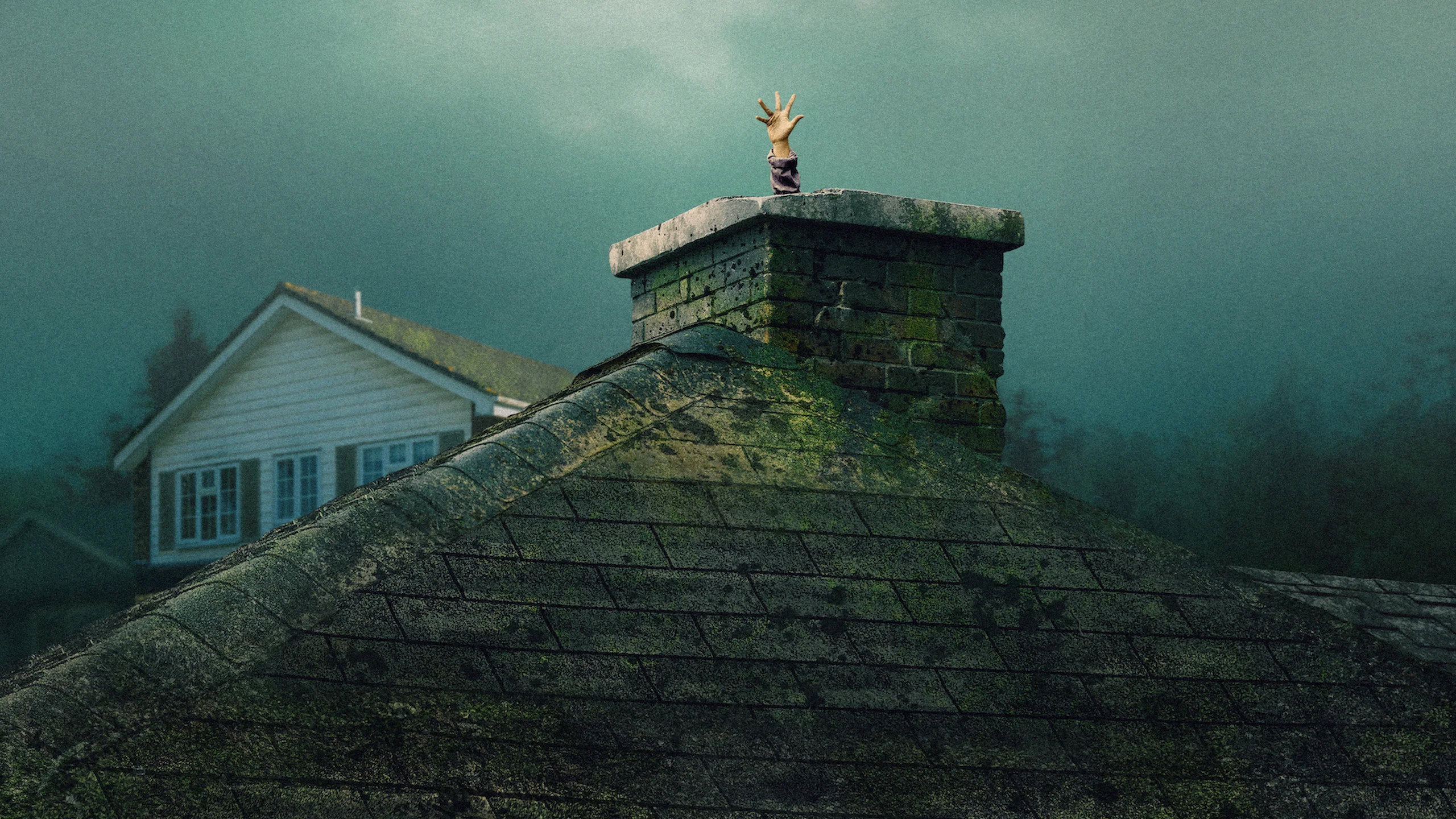
Direction: Leterrier on Autopilot
Louis Leterrier knows how to move a camera and create visual tension, but in The Last House, he seems more concerned with the look than the substance. There are spectacular shots, like that circular tracking shot around the family when they realize they can’t escape the house, but there are also moments where the direction feels lazy, as if Leterrier trusted the script and performances to do the heavy lifting. It’s not a disaster, but after films like The Invisible Man (2020) or Don’t Breathe (2016), you expect more than a competent thriller. The Last House isn’t competent—it’s adequate, and in genre cinema, adequate isn’t good enough.
The biggest issue with the direction is that it fails to maintain the pace. The film has a promising first act, with an engaging setup and an oppressive atmosphere that hooks you from the get-go. But in the second act, when the family starts uncovering the house’s secrets, the movie deflates like a balloon. The plot twists are predictable, the dialogue feels forced, and the action scenes, which should be the climax, feel rushed, as if Leterrier had to cut footage at the last minute. There’s a moment where Jason (Wagner Moura) tries to fix a radio to call for help, and the scene drags on so long you start wondering if the screenwriter forgot this was supposed to be a thriller, not a YouTube repair tutorial.
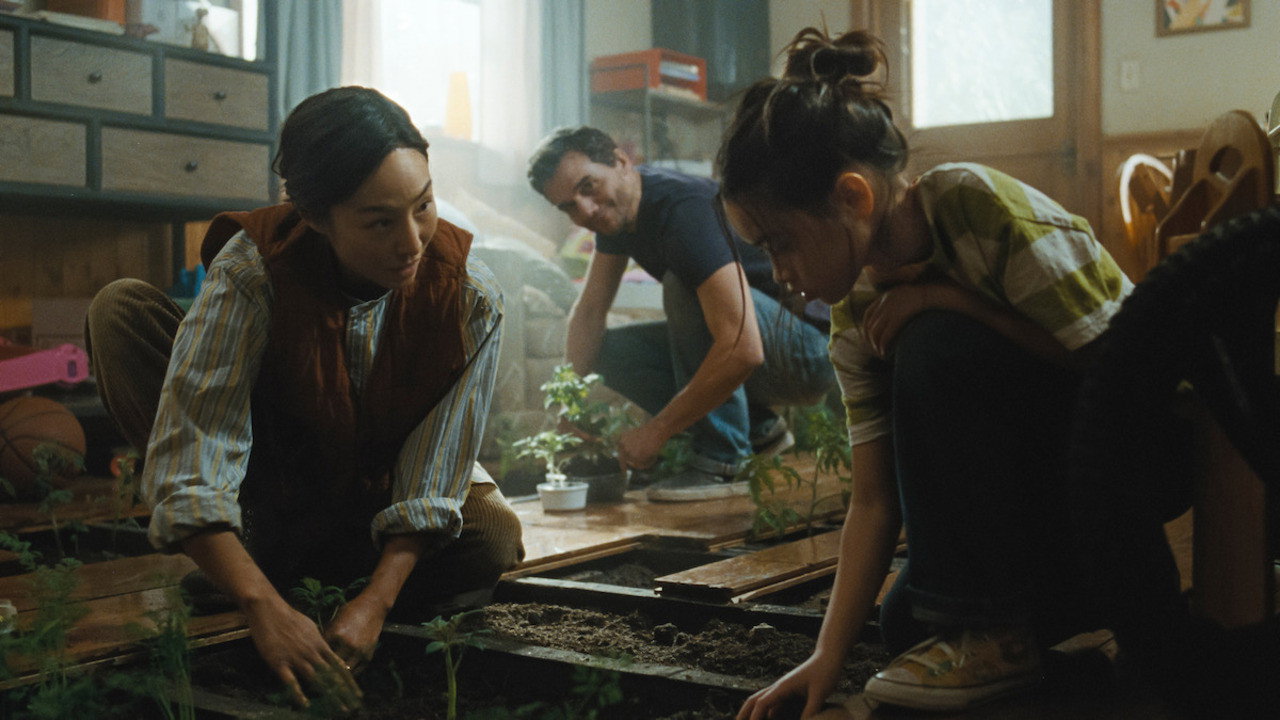
Performances: Greta Lee Saves the Day
If there’s one thing that keeps The Last House from being a total disaster, it’s Greta Lee’s performance. Her Ann is a character who swings between terror and determination, and Lee plays her with a subtlety that makes every scene she’s in a breath of fresh air amid the chaos. There’s a moment when Ann discovers her daughter Ruth (Riley Chung) is missing, and the way Lee conveys panic without slipping into histrionics is brilliant. Wagner Moura, on the other hand, does what he can with a character who’s little more than a protective-father cliché. Moura has charisma, but Jason is so flat you wonder if the screenwriter forgot to give him motivations beyond “protect my family.”
The kids, Riley Chung and Noah Alexander Sosnowski, do their job, but their performances are so generic you get the feeling they could’ve been played by any other child actor. Arden Cho and Audrey Anderson, who play adult versions of the kids in flashbacks, have more screen presence, but their scenes are so brief they don’t leave a mark. Bottom line: the cast does what they can, but the script doesn’t give them enough to work with.
Technical Breakdown: Lights, Shadows, and Elevator Music
The production design is, without a doubt, the most successful aspect of The Last House. The house where the action takes place is a labyrinth of narrow hallways, doors that lead nowhere, and rooms that seem to shift when the characters aren’t looking. It’s a setting that evokes The Shining, but with a much more modest budget. Pål Ulvik Rokseth’s cinematography is outstanding, especially in the night scenes, where the darkness seems to swallow the characters bit by bit. There’s a shot where Ann turns on a flashlight and the light reveals a figure in the dark—that moment is pure horror cinema.
Yair Elazar Glotman’s score, however, is a mess. It heightens the tension in some moments but sounds so generic in others that it might as well have been pulled from a stock music library. There are scenes where the music sounds like it was composed for an episode of CSI, and that completely shatters the atmosphere the rest of the technical team worked so hard to create. The editing is uneven—some sequences work like a Swiss watch, like the first attack on the house, but others drag on so long they feel like filler from a Netflix series. There’s a scene where Jason tries to fix a radio that goes on so long you start wondering if the editor fell asleep at the editing bay.
The best
Greta Lee’s performance: Ann is the heart of the film, and Lee plays her with a naturalism and depth that makes every scene she’s in a breath of fresh air amid the chaos. Her performance is the only thing keeping The Last House* from sinking entirely.
- The production design: The house is a character in its own right, with hallways that seem to shift and rooms that feel alive. It’s a setting that evokes the classics of psychological horror, but with a modern twist.
- Pål Ulvik Rokseth’s cinematography: The night scenes are especially noteworthy, with lighting that plays with shadows and creates an oppressive atmosphere. There are moments where the cinematography is pure visual poetry.
- The first act: The film’s setup is promising, with a tense atmosphere and a pace that hooks you from the first minute. If the rest of the movie had maintained that level, we’d be talking about a memorable thriller.
The worst
- Matthew Robinson’s script: It limps from the first act and deflates completely in the second. The dialogue feels forced, the plot twists are predictable, and the action scenes feel rushed. It’s a script that seems written on autopilot.
- Yair Elazar Glotman’s score: It heightens the tension in some moments but sounds so generic in others that it might as well have been pulled from a stock music library. It completely shatters the atmosphere the rest of the technical team worked so hard to create.
- The uneven pace: The film has a promising first act, but the second act deflates like a balloon. The action scenes feel rushed, and there are moments where the movie seems like a radio repair tutorial.
- The flat characters: With the exception of Ann, the characters are little more than archetypes. Jason is the protective father, Ruth is the innocent daughter, and so on. There’s no depth, no nuance—just clichés.
- The editing: Some sequences work well, but others drag on so long they feel like filler. There’s a scene where Jason tries to fix a radio that goes on so long you start wondering if the editor fell asleep.
The Verdict of Claqueta Ácida
The Last House is the kind of movie that starts with a sucker punch to the jaw and ends by patting you on the back like you’ve done something right. Louis Leterrier proves he knows how to stage a visual spectacle, but Matthew Robinson’s script is so flimsy the film deflates like a popped balloon. Greta Lee saves the day with a memorable performance, but not even she can keep the movie from drowning in its own flop sweat. It’s not a total disaster, but it’s frustratingly mediocre, like a boxer who plays it safe and settles for points instead of going for the knockout. If you’re looking for a claustrophobic thriller that leaves you breathless, keep searching. This house isn’t the last, but it’s not the first you should visit. 💀
🎬 Tráiler Oficial
Abrir en YouTube
The Last House: frequently asked questions
- What is the rating of "The Last House" on Claqueta Ácida?
- "The Last House" scored 5.8/10 on Claqueta Ácida in the review by Camilo K.O..
- Is "The Last House" worth watching?
- With reservations. We gave it 5.8/10 (Citric Acid), our rating for uneven films with something worth saving.
- Who directed "The Last House"?
- "The Last House" was directed by Louis Leterrier.
Theater Collateral Damage Report
Psychophysical impact certificate issued by Camilo K.O.
1 amago en el tramo intermedio; pestañeo pesado en las transiciones más innecesarias.
El reloj aparece en escena justo cuando la subtrama secundaria pide paciencia.
1 espressos para no dejarse vencer por la mediocridad cómoda.
"A mitad del segundo acto cuando la subtrama secundaria empezó a pesar más de lo que aportaba."
💬 Community Verdict
What did you think of the film? Rate it from 0 to 10 to compare it with the editorial review.
You haven't voted yet
📢 ¿Te ha gustado el ácido?
Comparte esta crítica con tus amigos cinéfilos o desata la polémica en redes.
⚡ THE CINEMATIC VENOM YOUR INBOX CRAVES
No sugarcoated ratings, no corporate fluff. Subscribe for our uncensored weekly analysis or join the private Telegram for press previews, poll clashes, and instant alerts.
Alertas de estrenos en 1 segundo, encuestas en caliente y audios al salir de pases de prensa.
Recibe la dosis semanal en tu mail + regalo inmediato del PDF con 50 joyas ocultas de culto.
Related Reviews
Recommended autopsies for demanding film buffs.
 ⚠️ Ácido Sulfúrico 3.2
 On the Run: A Senseless Sprint
⚡ Comparten trinchera editorial en la sección de Estrenos.
A marathon of clichés and marketing sweat that leaves the audience feeling like they've run in circles. 💀
 🔥 Fusión Nuclear 8.0
 Bitter Christmas: Almodóvar Comes Home (And Saves Us from Corporate Holiday Hell)
⚡ Comparten trinchera editorial en la sección de Estrenos.
Almodóvar turns holiday grief into an intimate, visually stunning, and emotionally raw drama. Bárbara Lennie shines, but the script stumbles in the third act. 8/10.
 ⚡ Ácido Cítrico 6.8
 Azrael: Samara Weaving and the Hell of Silence
⚡ Comparten trinchera editorial en la sección de Estrenos.
E.L. Katz and Simon Barrett deliver a brutal, relentless mute survival horror film where Samara Weaving once again proves why she is the modern scream queen.
Editorial Ecosystem
Cinephile connections, archive interviews and related analyses.
💬 Debate Cinéfilo & Autopsia de Lectores
0 veredictos¿Discrepas con nuestra nota? ¿Es una obra maestra o veneno puro? Deja tu veredicto abajo sin necesidad de registro.


Aún nadie ha dejado su veredicto para esta película.
Sé el primero en clavarle el colmillo rellenando el formulario de arriba.