A Poet — The Miracle No One Saw Coming (But We All Deserved)
Simón Mesa Soto delivers an unsettling masterpiece about poetry, aging, and failure. Painfully beautiful. 9.0/10.


A Poet: full review


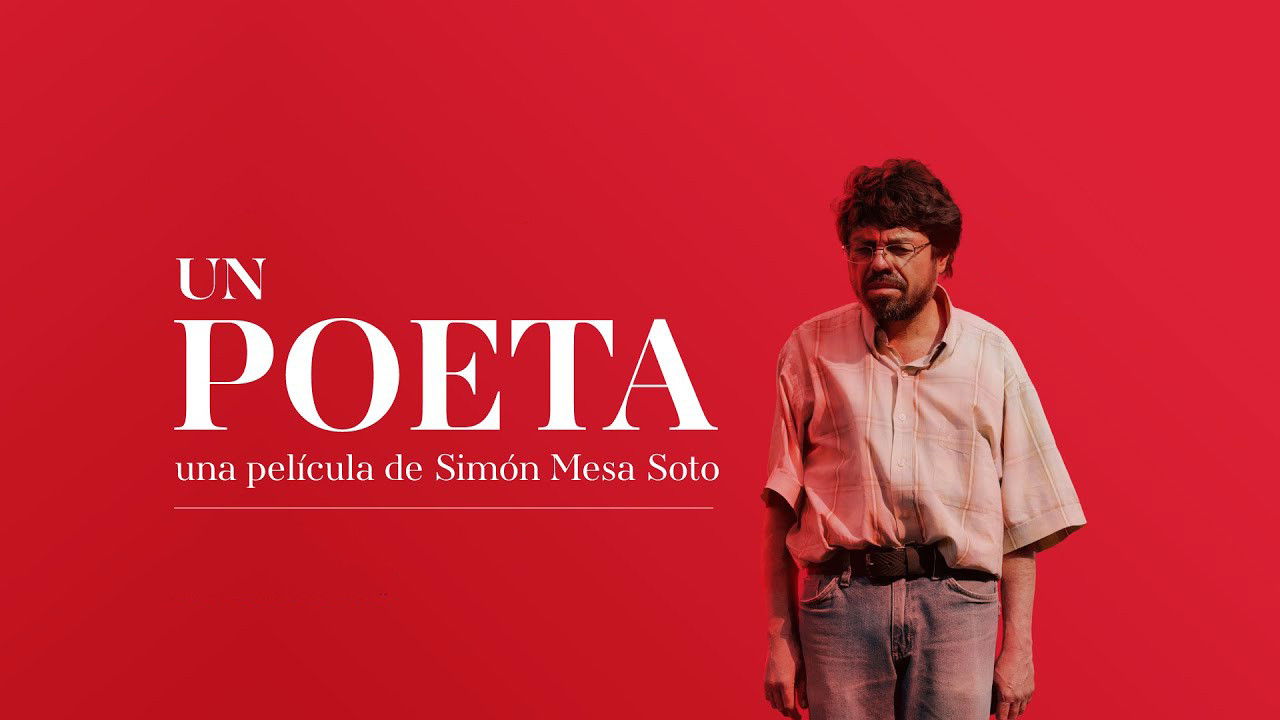
Colombian cinema has spent years trying to shake off the dust of telenovelas and drug trafficking as its only possible narrative. Then Simón Mesa Soto arrives with A Poet, a film that doesn’t shout, doesn’t strut, doesn’t even raise its voice. It simply exists, like a whisper in the middle of the noise, and leaves you marked forever. This isn’t a film about poetry. It’s poetry itself, captured with a delicacy that hurts. Óscar Restrepo, a man who’s turned his life into a poorly written verse, crosses paths with Yurlady, a teenager who could be his salvation or his damnation. The chemistry between Ubeimar Rios and Rebeca Andrade isn’t chemistry—it’s pure alchemy, the kind that turns lead into gold. And they do it without fuss, without grand speeches, just with glances that weigh more than a thousand words.
The shoot of A Poet was a low-budget odyssey, filmed in Medellín with non-professional actors and a crew that worked almost for the love of art. Mesa Soto, who had already proven his talent with the short film Leidi (winner of the Palme d’Or at Cannes in 2014), refused to fall into easy folklorism. There are no exotic landscapes, no spectacular violence, not even a clear villain. Just two lost souls in a city that owes them nothing, trying to find beauty where there is none. The film premiered at the San Sebastián Festival in 2025, where it won the Best Director award in the Horizontes Latinos section. International critics hailed it as a “silent masterpiece,” but in Colombia, it went almost unnoticed. Is the local audience not ready for cinema that isn’t noise and fury? Or worse: have we forgotten how to listen?
Mesa Soto’s script is a lesson in narrative economy. Every scene either advances the story or deepens the characters, without a single wasted shot. Óscar and Yurlady aren’t heroes or victims—they’re human beings, with their contradictions, fears, and small greatnesses. The scene where Óscar recites a poem in an empty bar, while Yurlady watches from the doorway, is one of those moments that lodges itself in your memory. There’s no background music, just the sound of his broken voice and the echo of distant laughter. It’s uncomfortable, beautiful, real. The film doesn’t give you easy answers, not even a closed ending. It leaves you with the feeling of having witnessed something intimate and painful, like peeking through a stranger’s window and discovering their lives are more interesting than yours.
Juan Sarmiento G.’s cinematography is another of A Poet’s triumphs. There are no grand camera movements or spectacular shots, but every frame is loaded with meaning. The dark interiors of Óscar’s house contrast with the harsh light of Medellín’s streets, creating an oppressive yet nuanced atmosphere. The scene where Yurlady writes her first poem in a notebook, while the camera lingers on her face lit by a dim lamp, is pure cinematic magic. There’s no dialogue, just the sound of her pen scratching the paper and her ragged breathing. It’s a moment of almost unbearable intimacy, like we’re invading her privacy. But we can’t look away.
Direction and Mise-en-scène: The Beauty of the Small
Simón Mesa Soto directs with surgical precision, but also with a tenderness that disarms. There’s no grandiosity in A Poet, not even in its most dramatic moments. Everything is small, everyday, almost insignificant. And yet, every gesture, every glance, every silence is loaded with meaning. The scene where Óscar and Yurlady ride a crowded bus without speaking, while the camera lingers on their sweaty faces, is a perfect example of his style. No music, no dialogue, just the sound of the engine and the murmur of passengers. But in that silence, Mesa Soto conveys all the tension, hope, and fear his characters feel.
The editing is another of the film’s strengths. There are no abrupt cuts or flashy transitions, but each scene flows with a naturalness that seems casual, though it’s carefully calculated. The film moves like a slow river, pulling the viewer into its current without them realizing it. Until suddenly, you find yourself trapped, unable to escape Óscar and Yurlady’s story. The soundtrack, composed by Trio Ramberget, is minimalist but effective. There are no grand orchestral themes, just stray notes of piano and guitar that underscore the most emotional moments without falling into easy sentimentality.
Performances: Two Souls Laid Bare
Ubeimar Rios and Rebeca Andrade don’t act—they live. Óscar and Yurlady aren’t characters; they’re flesh-and-blood people, with their flaws, virtues, and contradictions. Rios, a non-professional actor, conveys all the frustration and tenderness of a man who’s wasted his life chasing an unattainable dream. His Óscar isn’t a tragic hero, not even an antihero—he’s an ordinary man, with his small greatnesses and daily miseries. The scene where he recites a poem in an empty bar, while the camera lingers on his face lit by a dim light, is heartbreakingly intense. No tears, no screams, just the broken voice of a man who’s lost faith in himself.
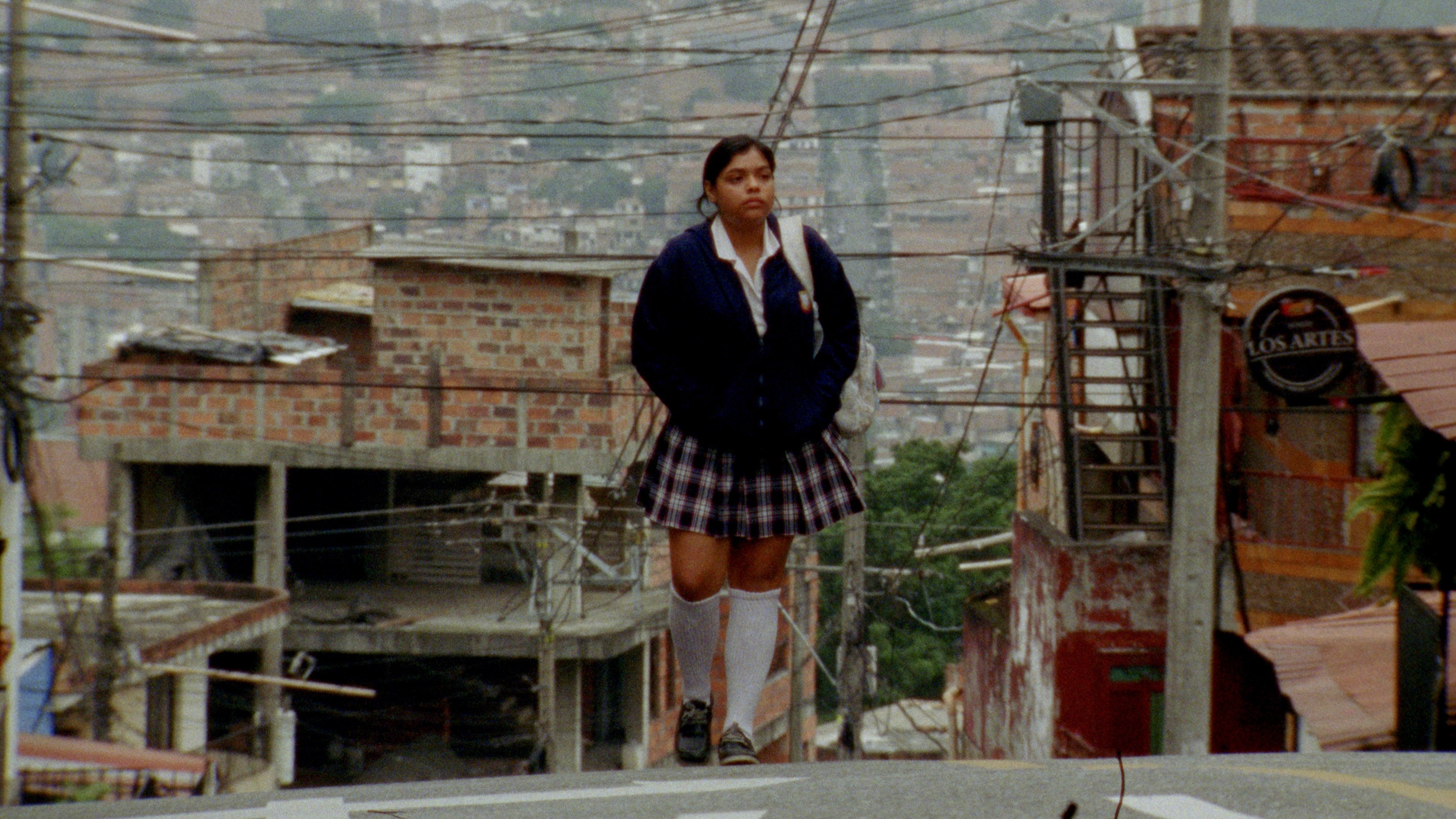
Rebeca Andrade, meanwhile, is a revelation. Her Yurlady is a complex character, full of nuances, oscillating between innocence and maturity with astonishing naturalness. She’s not a victim or a heroine—she’s a teenager trying to find her place in a world that offers her nothing. The scene where she writes her first poem, while the camera lingers on her face lit by a lamp, is almost unbearably beautiful. Andrade conveys all the emotion of the moment with a single look, without needing dialogue or grand gestures. It’s a performance that hurts because it’s too real.
The best
- The chemistry between Ubeimar Rios and Rebeca Andrade: It’s not chemistry—it’s alchemy. Two non-professional actors who convey more with a silence than many seasoned actors do with a monologue. Their relationship is the film’s heart, and it beats with a force that leaves you breathless.
The cinematography of Juan Sarmiento G.: Every frame is a painting. Sarmiento G. captures the beauty of the everyday, transforming gray streets and dark interiors into images full of nuance and meaning. The light in A Poet* doesn’t illuminate—it reveals.
- The script by Simón Mesa Soto: A lesson in narrative economy. Not a single shot is wasted, not a single scene that doesn’t advance the story or deepen the characters. Mesa Soto doesn’t give you easy answers, not even a closed ending. He leaves you with the feeling of having witnessed something intimate and painful.
The soundtrack by Trio Ramberget: Minimalist but effective. No grand orchestral themes, just stray notes of piano and guitar that underscore the most emotional moments without falling into easy sentimentality. The music in A Poet* doesn’t accompany—it dialogues.
The worst
- The pacing in some moments: The film moves like a slow river, and while that’s part of its charm, some scenes could’ve been tightened without losing their power. The third act, in particular, feels a bit stretched, as if Mesa Soto didn’t want to let go of his characters.
- The lack of development for some secondary characters: Alonso (Humberto Restrepo) and Teresita (Margarita Soto) have interesting moments, but they’re relegated to the background. It would’ve been great to explore their stories more, especially Óscar’s relationship with his brother.
- The open ending: It’s not a flaw in itself, but it might leave some viewers feeling like the film doesn’t end—it just stops. Others will find it perfect. It depends on what you’re looking for in cinema.
The Verdict of Claqueta Ácida
A Poet is one of those rare films that leaves you speechless. It’s not perfect, but its imperfections are part of its greatness. Simón Mesa Soto has crafted a silent masterpiece, painfully beautiful, that speaks of poetry, failure, and redemption with a honesty that disarms. Ubeimar Rios and Rebeca Andrade deliver performances that feel ripped from real life, and Juan Sarmiento G.’s cinematography turns the everyday into something magical. It’s not a film for everyone: there’s no action, no spectacular plot twists, no happy ending. But if you let yourself be carried by its current, you’ll find one of the most moving cinematic experiences in recent years. A Poet isn’t just a film—it’s a miracle. And miracles, like poetry, shouldn’t be wasted. 💀
🎬 Tráiler Oficial
Abrir en YouTube
A Poet: frequently asked questions
- What is the rating of "A Poet" on Claqueta Ácida?
- "A Poet" scored 9/10 on Claqueta Ácida in the review by Dante Sangre.
- Is "A Poet" worth watching?
- Yes. We gave it 9/10 (Nuclear Fusion), our rating for must-see films.
- Who directed "A Poet"?
- "A Poet" was directed by Simón Mesa Soto.
Theater Collateral Damage Report
Psychophysical impact certificate issued by Dante Sangre
Ni un solo parpadeo voluntario. El asiento, inusualmente cómodo.
El móvil permaneció en el bolsillo donde debía estar.
Ninguna. Guarda el café para la sesión siguiente.
"No aplica. La obra se sostiene sola."
💬 Community Verdict
What did you think of the film? Rate it from 0 to 10 to compare it with the editorial review.
You haven't voted yet
📢 ¿Te ha gustado el ácido?
Comparte esta crítica con tus amigos cinéfilos o desata la polémica en redes.
⚡ THE CINEMATIC VENOM YOUR INBOX CRAVES
No sugarcoated ratings, no corporate fluff. Subscribe for our uncensored weekly analysis or join the private Telegram for press previews, poll clashes, and instant alerts.
Alertas de estrenos en 1 segundo, encuestas en caliente y audios al salir de pases de prensa.
Recibe la dosis semanal en tu mail + regalo inmediato del PDF con 50 joyas ocultas de culto.
Related Reviews
Recommended autopsies for demanding film buffs.
 🔥 Fusión Nuclear 8.2
 *The Rest Return in Peace (2024): When the Dead Come Back to Remind Us Hell Isn’t Them—It’s Our Inability to Let Go*
⚡ Hermana de saga: otro capítulo diseccionado con rigor forense.
Thea Hvistendahl delivers a stunning, melancholic, and agonizing reimagining of the zombie myth, centered on grief and the existential torment of loss.
 ⚡ Ácido Cítrico 7.5
 *The Divide: A Luxury Cruise Straight to the Sewer of the Human Soul*
⚡ Hermana de saga: otro capítulo diseccionado con rigor forense.
Xavier Gens locks us in a post-apocalyptic bunker to deliver a suffocating, toxic, and painfully nihilistic psychological study.
 ⚡ Ácido Cítrico 7.5
 Vox Lux: The Price of Fame – The Glamour’s Dark Backstage
⚡ Hermana de saga: otro capítulo diseccionado con rigor forense.
A pop star’s rise to fame in *Vox Lux: The Price of Fame*. But at what cost?
Editorial Ecosystem
Cinephile connections, archive interviews and related analyses.
💬 Debate Cinéfilo & Autopsia de Lectores
0 veredictos¿Discrepas con nuestra nota? ¿Es una obra maestra o veneno puro? Deja tu veredicto abajo sin necesidad de registro.


Aún nadie ha dejado su veredicto para esta película.
Sé el primero en clavarle el colmillo rellenando el formulario de arriba.