Megalopolis — A Metallic Opera of Pretension and the Art of Monumental Mediocrity
A scathing, in-depth review of Megalopolis (2024), Sam Mendes’ ambitious pseudo-epic that aspires to be the "cathedral of cinema" but collapses into a CGI wasteland.

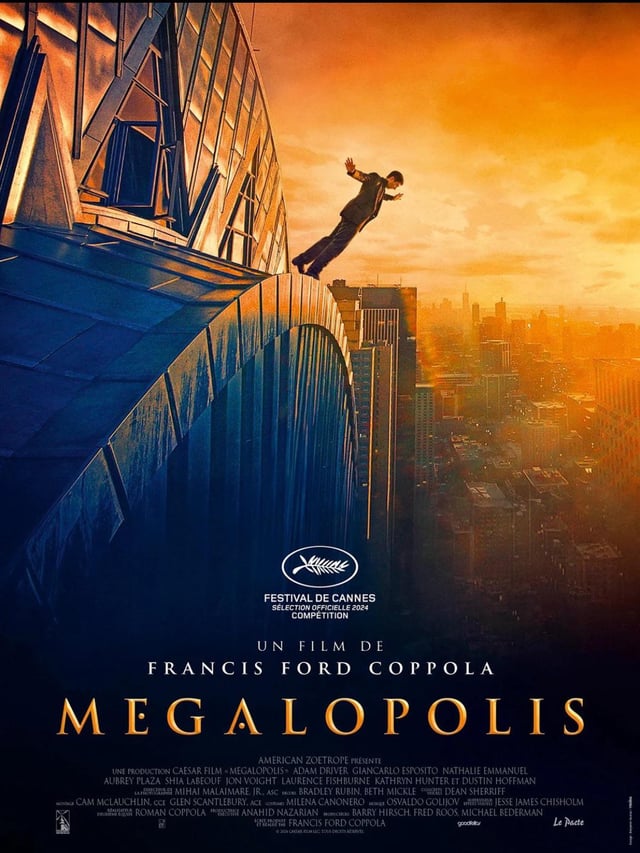


The arrival of Megalopolis on the big screen was about as subtle as a nuclear blast in a library: a marketing campaign that promised a cinematic cathedral for the post-digital age, with ads billing the film as "an epic vision of the architecture of the future." When the clapperboard finally fell, the sound echoed through the dimly lit lobby, where the audience—half-fascinated, half-skeptical—wondered if they’d stumbled into a contemporary art exhibit or the latest overbudget direct-to-streaming gamble. Our team, perpetually immune to Hollywood’s "event" hype, grabbed their coffee and braced for the pretension, armed with sarcasm and a sharpened pen.
Instead of the profound resonance of a project aiming to redefine cinema, we found a monumental ego-fest seemingly designed by a committee of executives who, after binge-watching too much sci-fi on streaming, decided the only way to impress was by layering CGI until the original story was buried under a digital thicket. The result is a film that, in theory, should be a meditation on urbanity and collective guilt but, in practice, plays like a studio’s guilty confession for blowing billions on shiny screens.
A Psychedelic Trip to Absolute Boredom
The plot—if you can call it that—unfolds like a maze of disjointed ideas: a visionary engineer (Washington) dreams of rebuilding the city after a catastrophe, while a political conspiracy (Ronan) tries to thwart him with bureaucratic maneuvers that could’ve been lifted from a UN procedural manual. Every scene is so weighed down by exposition that it becomes a symphony of dialogue reminiscent of an untranslated UN speech. The characters, rather than evolving, turn into hollow totems of morality; the only thing that changes is the quality of the CGI surrounding them.
The moments of supposed dramatic tension are so predictable that viewers can guess the next twist before the camera even cuts. When the villain unveils their master plan, the audience is already two minutes into the end credits, and the only remaining mystery is who’ll manage to turn off the theater’s sound system before the city project collapses into useless data. At the climax, the city lights up with neon in a desperate bid to mask the lack of substance, while the epic score—performed by an orchestra that sounds more like a stock sound library than an original composition—fails to salvage the narrative.
B-Movie Aesthetics and Pepsi-Cola Vibes
Visually, Megalopolis leans on a palette of cyan blues and metallic grays that, without the CGI overload, might’ve passed for minimalist art. Instead, the film serves up a digital rollercoaster straight out of a 2000s video game, where buildings crumble with all the grace of a Rubik’s Cube spinning aimlessly. Philippe Le Sourd’s cinematography, impeccable in intimate moments, gets lost in artificial fog and LED reflections, creating an atmosphere that feels more like a model train set than a real city.
The production designers, clearly inspired by soda commercials, have stuffed every corner of the screen with fictional logos and holographic ads that feel as intrusive as a "Buy Now" pop-up in the middle of an arthouse film. The sound design, handled by the mixing team, oscillates between the roar of city engines and the clatter of keyboards—a duality suggesting the budget went toward crafting a data-center ambiance rather than a score that might’ve conveyed actual human emotion (which, by the way, never arrives).
The best
- John David Washington delivers a performance that, though constrained by the script, flashes charisma reminiscent of Training Day’s inner hero—minus the weight of guilt.
- The nighttime lighting effects create a cyberpunk vibe that, despite its excess, pays homage to the genre’s classics.
- The production design makes the city look like a cross between a real metropolis and a Sims expansion pack, offering a strangely compelling aesthetic if you check your pretensions at the door.
The worst
- The script reads like a corporate spreadsheet: data-heavy, heartless, and logic that crumbles with every paragraph.
- The excessive CGI turns actors into mere avatars in a simulation, robbing any chance of empathy or connection.
- The relentless self-promotion in the form of digital product placement (fictional brands screaming "consume me") is a constant reminder that cinema is also a business—and here, art got left at the marketing department’s door.
The Verdict of Claqueta Ácida
Megalopolis is living proof that ambition without direction can turn the silver screen into a glorified contemporary art gallery where the only valuable piece is the one showcasing how far budgets can stretch when talent is sacrificed on the altar of spectacle. The film bills itself as an epic of the future but ends up as an epic of vanity—Hollywood’s contemporary folly, where digital architecture replaces plot and shiny screens drown out any attempt at depth. In short, if you’re looking for a film that makes you ponder the human condition, keep searching; if you want a light show with effects, this might be your jam—though it’ll leave you with a neon hangover and the sinking feeling of having paid for a virtual tour of the worst sci-fi convention ever. In the final frame, the future fades into a pixelated glow, leaving only the uncomfortable certainty that the real catastrophe was pretending to be something it never was. 💀
Ending Explained: Megalopolis
Ficha de Daños Colaterales en Sala
Certificado de impacto psicofísico emitido por Odin Lagbert
1 amago en el tramo intermedio; pestañeo pesado en las transiciones más innecesarias.
Minuto 39 y minuto 75 (comprobando cuánto quedaba de suplicio).
2 espresso para no dejarse vencer por la mediocridad cómoda.
"A mitad del segundo acto cuando la subtrama secundaria empezó a pesar más de lo que aportaba."
💬 El Veredicto de la Comunidad
¿Qué te ha parecido la película? Deja tu nota de 0 a 10 para contrastarla con el análisis de la redacción.
Aún no has votado
📢 ¿Te ha gustado el ácido?
Comparte esta crítica con tus amigos cinéfilos o desata la polémica en redes.
⚡ THE CINEMATIC VENOM YOUR INBOX CRAVES
No sugarcoated ratings, no corporate fluff. Subscribe for our uncensored weekly analysis or join the private Telegram for press previews, poll clashes, and instant alerts.
Alertas de estrenos en 1 segundo, encuestas en caliente y audios al salir de pases de prensa.
Recibe la dosis semanal en tu mail + regalo inmediato del PDF con 50 joyas ocultas de culto.
Related Reviews
Recommended autopsies for demanding film buffs.
 ⚡ Ácido Cítrico7.5
A Ghost Story: A Journey Through Time and Memory
⚡Comparten trinchera editorial en la sección de Críticas.
The Claqueta Ácida review of A Ghost Story, a film that explores existence and human connection.
 ⚡ Ácido Cítrico7.2
Acid in the Veins: Fede Álvarez Revives the Tactile Panic of Alien
⚡Comparten trinchera editorial en la sección de Críticas.
Industrial claustrophobia and pure physical terror. A merciless critique of Ian Holm's CGI and the cheap nostalgia that stains the franchise's return.
 🔥 Fusión Nuclear8.0
*Backrooms: The Maze of Madness – A Descent into Overhyped Nothingness*
⚡Comparten trinchera editorial en la sección de Críticas.
*A scathing takedown of the horror series everyone’s raving about—spoiler: it’s not that deep.*
Editorial Ecosystem
Cinephile connections, archive interviews and related analyses.
💬 Debate Cinéfilo & Autopsia de Lectores
0 veredictos¿Discrepas con nuestra nota? ¿Es una obra maestra o veneno puro? Deja tu veredicto abajo sin necesidad de registro.


Aún nadie ha dejado su veredicto para esta película.
Sé el primero en clavarle el colmillo rellenando el formulario de arriba.