Crematorio — Ambition Without Limits – A Masterclass in Moral Rot (Or How to Binge-Watch Your Own Corruption)
A scathing, no-holds-barred evisceration of Crematorio—the Spanish series that didn’t just show you the sewers of power, but handed you a shovel and dared you to dig deeper.

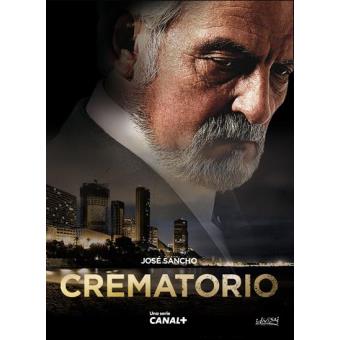

The year 2011 wasn’t just another year for Spanish television. It was the year national fiction decided to ditch the afternoon soap operas and quaint neighborhood dramas to wade into the sewers of power with an ambition so obscene it bordered on the pornographic. Crematorio, the Sánchez-Cabezudo brothers’ monstrous brainchild, burst onto Canal+’s schedule like a malignant tumor, promising to devour everything in its path. And devour it did. This wasn’t just a series—it was a high-definition corruption ritual, a feast of greed and decay served over eight episodes that reeked of fresh cement and bloodstained cash. The question wasn’t whether you’d like it, but whether you’d survive its toxicity without your soul being gnawed to the bone. Spoiler: You wouldn’t. No one would. Welcome to Misent, the city where even the air tastes like betrayal and the buildings have more secrets than a Sicilian mob confessional.
The genesis of Crematorio is as fascinating as it is repulsive. The Sánchez-Cabezudo brothers, battle-hardened veterans of television and cinema, decided it was time to drag the stench of Spain’s brick-and-mortar boom to the small screen—that country choking on its own avarice while politicians and developers carved up the pie with concrete-caked hands. The inspiration couldn’t have been more timely: Rafael Chirbes’ novel of the same name, a poisoned dagger plunged straight into the heart of Spain’s real estate frenzy. But the Sánchez-Cabezudos didn’t settle for a straightforward adaptation. Oh no. They butchered it, rewrote it alongside Pablo Remón, and turned it into something even more visceral, more cinematic, more filthy. This wasn’t an adaptation—it was a live autopsy, a parade of exquisite corpses where every character was a rotting organ and every episode a fresh incision. The series wasn’t filmed; it was exhumed. And boy, did it smell like damp earth and dirty money.
The industrial context of Crematorio is key to understanding its impact. In 2011, Spain was drowning in an economic crisis that had burst the real estate bubble like a pus-filled balloon. Evictions, fraudulent layoffs, and urban corruption scandals dominated the news, yet TV fiction still shied away from reflecting that reality with any real bite. Crematorio arrived like a bullet to the temple of complacency. This wasn’t a series about corruption—it was corruption itself, complete with expensive suits, luxury cars, and predator grins. The Sánchez-Cabezudo brothers didn’t just want to tell a story; they wanted to rip open the system’s guts and force the audience to stare directly into them, like a mirror fogged by a monster’s breath. And they succeeded. Crematorio wasn’t broadcast; it was injected straight into the vein, its effect immediate: a cocktail of morbid fascination and revulsion that left viewers glued to their couches, unable to look away from so much rot.
But what would Crematorio be without its roster of luxury degenerates? José Sancho, as the developer Rubén Bertomeu, doesn’t play a villain—he is the villain, a man as charismatic as he is repugnant, as seductive as he is lethal. His performance is a masterclass in moral ambiguity, a macabre dance between charm and cruelty that leaves you wondering whether you want to hug him or strangle him. Sancho doesn’t act; he possesses. And he does it with a colossal presence that’s downright terrifying, as if Bertomeu had always been there, lurking in the shadows, waiting for his moment to emerge and devour the world. Beside him, Manuel Morón as Matías, Rubén’s brother trapped in his web, delivers a nuanced performance, a human counterpoint to his older brother’s monstrosity. His look of a man overwhelmed is so heartbreaking it hurts, and his internal struggle between family loyalty and survival is one of the series’ emotional cores. Montserrat Carulla, as the matriarch Juana, is pure contained dynamite—a woman whose silence speaks louder than a thousand speeches. And then there’s Alicia Borrachero, whose Silvia is a hurricane of ambition, shattered principles, and vulnerability, a woman trying not to drown in her father’s filth. This cast doesn’t act; they conspire. And damn, do they conspire well.
The Direction: A Ballet of Shadows and Concrete
The direction of Crematorio is a miracle of surgical precision and controlled chaos, a choreography of shots that seem plucked from a David Lynch fever dream but with the grimy realism of a documentary about Spain’s dark underbelly. The Sánchez-Cabezudo brothers don’t direct—they dissect. Every frame is an open wound, every camera movement a lash that reminds you you’re alive, you’re suffering, you’re witnessing the apocalypse in 16:9. The series doesn’t just show corruption—it makes it tangible, as if you could smell the sweat on Armani suits and the smoke from Havana cigars puffed in the halls of power. Light is another character, a treacherous entity filtering through Venetian blinds to reveal gaunt faces, furtive glances, and smiles that freeze the blood. There are no chiaroscuros in Crematorio; just shadows upon shadows, as if the series were shot in hell and then tinted with the sepia tones of nostalgia for a country that never existed.The use of space in Crematorio is brutal. The buildings, the empty lots, the abandoned construction sites, and the luxury villas aren’t mere backdrops—they’re silent witnesses to the rot, mute characters watching as human ambition corrupts everything. The camera prowls these spaces with almost obscene curiosity, as if rummaging through drawers of shame. The wide shots of Misent, that fictional city that smells like Valencia but tastes like Marbella, are a perfect visual metaphor: a place where progress and decay embrace incestuously, where every crane is a pointing finger and every vacant lot an open wound in the landscape. The Sánchez-Cabezudo brothers don’t film a series; they film an exorcism. And they do it with a contained fury that erupts in key moments, like in the final episode, where the tension built over eight hours is released in a climax as violent as it is poetic, a dance of falling masks and truths that hurt more than a kidney stab.
But if anything defines Crematorio’s visual style, it’s its obsession with faces. The close-ups aren’t just narrative tools—they’re emotional autopsies, so intimate you can feel the characters’ breath on your own skin. José Sancho is the king of these shots, his gaze carved from granite but cracking with brutal tension when the camera gets close enough. His eyes are bottomless pits, and when the light hits them, they reveal a universe of betrayals, lies, and shattered dreams. The direction doesn’t let you look away. It forces you to confront the characters’ moral ugliness, to feel their sweat, their fear, their greed. Crematorio isn’t watched; it’s endured. And that, in the end, is the Sánchez-Cabezudos’ greatest virtue: they’ve created a work that doesn’t leave you indifferent because it doesn’t let you breathe.
The Performances: A Feast of Cannibals in Suits
If Crematorio is a masterpiece, it’s largely thanks to its roster of predators, a cast of actors who don’t play their characters—they devour them alive. José Sancho, as Rubén Bertomeu, isn’t an actor; he’s a force of nature, a hurricane of charisma and revulsion that leaves you breathless. His Bertomeu isn’t a typical villain; he’s a man who sold his soul to the devil and then laughed in his face. Sancho dominates every scene with a magnetic presence, a mix of charm and menace that hypnotizes you like a snake to its prey. When he smiles, you feel like he’s sparing your life. When he frowns, you know you’re one step away from disappearing. It’s the kind of performance that leaves you winded, because you don’t know whether to applaud or call the cops. Sancho doesn’t play Bertomeu; he embodies him, devours him, and spits him out as art.But Crematorio wouldn’t be the same without its chorus of dissonant voices, that supporting cast that elevates the series to near-sickening levels of excellence. Montserrat Carulla, as Juana, the Bertomeu family matriarch, is a masterclass in restraint and power. Her character doesn’t need to shout to command respect—a gesture, a look, a silence is enough. Carulla doesn’t act; she weaves a web of complicity and betrayal with the elegance of a spider. Her Juana is a monster of sophistication, a woman who’s seen too much and learned to keep quiet, but whose silence speaks louder than any speech. Alicia Borrachero, meanwhile, shines as Silvia, a woman trapped in the bowels of a criminal empire but determined to cling to an impossible dignity. Her performance is an explosive cocktail of ambition and vulnerability, a mix of fragility and ferocity that leaves you wondering where morality ends and survival begins.
And then there’s Pau Durà, whose Zarrategui is the series’ cold, amoral legal brain. Durà doesn’t play the lawyer; he gives him a reptilian elegance, a character whose executive smile is as fake as his principles. Beside him, Vicente Romero lends Collado a rough, dragging violence—the perfect enforcer. On the opposite side, Juana Acosta as Mónica acts as a distorting mirror of the corruption around her, a woman trapped on the fringes of a rotting family. The characters don’t talk; they size each other up, challenge each other, destroy each other. The cast doesn’t act; they conspire, betray, suffer, and triumph. And they do it with a surgical precision that turns every episode into a feast of cannibals in suits.
The Technical Department: When the Devil’s in the Details
If Crematorio proves anything, it’s that the devil isn’t just in the details—he’s running the show. The series is a masterclass in production design, a universe where every object, every texture, every color seems chosen to reinforce the atmosphere of corruption and decay. The art design is a nightmare of luxury and squalor, a world where designer villas reek of dirty money and abandoned lots are scars on the landscape. The Bertomeus’ interiors aren’t homes; they’re mausoleums, cold, sterile spaces where the family devours itself between crystal glasses and priceless paintings. The costumes are another character, a suit of armor made of expensive fabrics and silk ties hiding bodies rotting from within. The characters don’t wear clothes; they wear disguises, masks that slip away as the series progresses and corruption consumes them.The cinematography by Alfonso Postigo is, quite simply, a work of art. It’s not pretty photography; it’s photography that hurts, that pins your eyes to the screen and forces you to see what you don’t want to see. Postigo doesn’t illuminate; he dissects. His use of light is surgical, a play of chiaroscuro that reveals and conceals at the same time. Interiors are bathed in a cold, bluish light, as if the characters are trapped in an aquarium of ambition and betrayal. Exteriors, on the other hand, are warm and golden, but that warmth is deceptive—a trap hiding the rot beneath the Mediterranean sun. Postigo’s camera doesn’t film; it accuses. And it does so with millimetric precision, as if every shot were calculated to maximize emotional impact. Not a single frame is wasted, not a single moment where the image isn’t working to reinforce the narrative. Crematorio isn’t watched; it’s endured through the eyes.
The score by Lucio Godoy is another of the series’ great successes. It’s not a typical soundtrack—it’s a constant heartbeat, a buzz in your ear reminding you something bad is about to happen. Godoy doesn’t compose music; he composes anxiety. His themes are obsessive, repetitive, hypnotic, designed to burrow into your brain and never leave. The music doesn’t accompany the characters; it haunts them, a constant reminder that there’s no escape, that corruption will catch up with them sooner or later. Silence is also an instrument, and Godoy wields it masterfully, letting dialogue and ambient sounds fill the void with almost unbearable tension. The series doesn’t sound; it whispers threats.
And then there’s the script, that eight-headed monster written by the Sánchez-Cabezudo brothers and Pablo Remón, under Fernando Bovaira’s production. This isn’t a script; it’s a virus, a text that burrows into your brain and forces you to think, to question, to hate. The dialogue is razor-sharp, every word calculated to wound, to reveal, to destroy. There’s no filler, no concessions, just brutal, direct prose that pins you to your seat and forces you to listen. The characters don’t talk; they spit truths. And they do it with an economy of means that’s pure genius. Every scene advances the plot, develops a character, or deepens the central theme. There’s no time for boredom, no room for complacency. Crematorio isn’t read; it’s devoured.
The Best
- The direction by the Sánchez-Cabezudo brothers: A work of surgical precision and controlled chaos that turns every episode into a visual masterpiece. The way they use light, space, and faces to create an atmosphere of corruption and decay is simply masterful.
- José Sancho’s performance: A colossal acting feat, a hurricane of charisma and revulsion that leaves you breathless. Sancho doesn’t play Rubén Bertomeu; he devours him and spits him out as art.
- Alfonso Postigo’s cinematography: A masterpiece of light and shadow that hurts, that accuses, that forces you to see what you don’t want to see. Postigo doesn’t illuminate; he dissects.
- The script: A brutal, direct text that gives no quarter, that allows no boredom. The dialogue is knives, and every scene is a gut punch.
- The production design: A universe of luxury and squalor where every object, texture, and color reinforces the atmosphere of corruption. The interiors aren’t homes; they’re mausoleums.
The Worst
- The length of the episodes: Though the series is addictive, some episodes drag longer than necessary, as if the directors didn’t want to let go of their characters. A little more conciseness wouldn’t have hurt.
- The development of some secondary characters: Zarrategui and Mónica have the potential to be memorable, but they sometimes feel a bit restrained, lacking the peripheral depth they deserve. A couple more scenes could’ve turned them into legends.
- The pacing in the second half: The series loses some steam in the final episodes, as if the directors didn’t know how to wrap up the story with the same intensity. The ending is satisfying, but the road there is a bit uneven.
- The lack of nuance in some peripheral villains: Rubén Bertomeu is a fascinating monster, but some of his henchmen border on cliché without the complexity that would make them unforgettable. A little more depth would’ve given them more weight.
The Verdict of Claqueta Ácida
Crematorio isn’t a series. It’s an exorcism, an autopsy, a high-definition corruption ritual that leaves your soul raw and your stomach churning. The Sánchez-Cabezudo brothers have created a masterpiece of Spanish television, a feast of rot and ambition that hypnotizes and repulses you in equal measure. This isn’t a series to watch; it’s a series to endure. And endure you will—oh, how you’ll endure. You’ll laugh, you’ll seethe, you’ll obsess, and most of all, you’ll realize the real monster isn’t Rubén Bertomeu—it’s the system that created him. Crematorio won’t leave you indifferent because it won’t let you breathe. And when you finally reach the end, when the lights come on and the screen goes dark, you’ll stare into the void, wondering if what you just saw was fiction or a documentary about your own country. Welcome to Misent, you bastard. We hope you don’t like it. 💀Ending Explained: Crematorio
Ficha de Daños Colaterales en Sala
Certificado de impacto psicofísico emitido por Camilo K.O.
Cero bostezos. Pupilas dilatadas y tensión mandibular constante.
Ni una sola mirada al móvil.
Ninguna: la adrenalina cinematográfica es suficiente.
"Inexistente: pulso de hierro hasta los créditos finales."
💬 El Veredicto de la Comunidad
¿Qué te ha parecido la película? Deja tu nota de 0 a 10 para contrastarla con el análisis de la redacción.
Aún no has votado
📢 ¿Te ha gustado el ácido?
Comparte esta crítica con tus amigos cinéfilos o desata la polémica en redes.
⚡ THE CINEMATIC VENOM YOUR INBOX CRAVES
No sugarcoated ratings, no corporate fluff. Subscribe for our uncensored weekly analysis or join the private Telegram for press previews, poll clashes, and instant alerts.
Alertas de estrenos en 1 segundo, encuestas en caliente y audios al salir de pases de prensa.
Recibe la dosis semanal en tu mail + regalo inmediato del PDF con 50 joyas ocultas de culto.
Related Reviews
Recommended autopsies for demanding film buffs.
 🔥 Fusión Nuclear9.0
*Six Feet Under: When Family Drama Smells Like a Decadent Corpse*
⚡Afinidad temática directa en atmósfera, estilo y fijaciones visuales.
HBO served us a feast of family dysfunction, pitch-black sarcasm, and metaphorical corpses. Alan Ball dug a grave so deep we still haven’t climbed out.
 🔥 Fusión Nuclear8.5
*Animal Kingdom: A Descent into Hell (Where Family is the Devil’s Playground)*
⚡Afinidad temática directa en atmósfera, estilo y fijaciones visuales.
A visceral takedown of *Animal Kingdom*, where "family values" take on a whole new (and deeply criminal) meaning.
 🔥 Fusión Nuclear8.5
**Goliath: Justice as a Power Play (Or How to Make a Legal Drama Without Tripping Over Your Own Pretensions)**
⚡Afinidad temática directa en atmósfera, estilo y fijaciones visuales.
A caustic takedown of *Goliath*, where justice isn’t blind—it’s just another rigged game in a courtroom circus.
Editorial Ecosystem
Cinephile connections, archive interviews and related analyses.
💬 Debate Cinéfilo & Autopsia de Lectores
0 veredictos¿Discrepas con nuestra nota? ¿Es una obra maestra o veneno puro? Deja tu veredicto abajo sin necesidad de registro.


Aún nadie ha dejado su veredicto para esta película.
Sé el primero en clavarle el colmillo rellenando el formulario de arriba.