Memento — The Maze Nolan Built to Fuck With Your Head (And He Nailed It)
Christopher Nolan dismantles memory like a Swiss watch in this twisted-structure masterpiece. Guy Pearce shines, but the script is the real monster here.

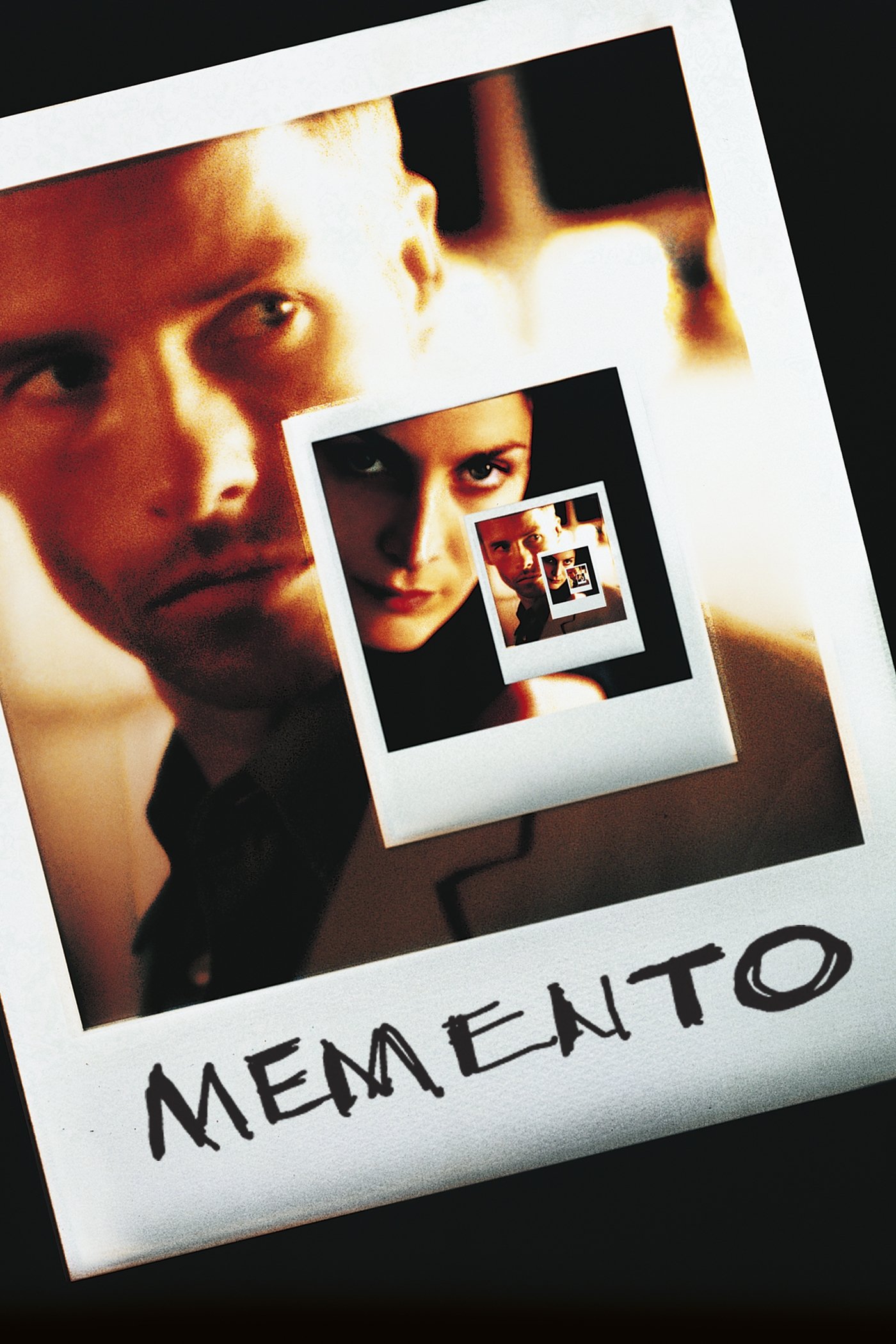


I staggered out of the theater feeling like someone had swung a hammer at my temple. Not because it hurt, but because Memento doesn’t just tell a story—it forces you to live it, with your memory in tatters and paranoia as your only guiding light. Christopher Nolan, a guy who at the time had only directed Following (1998), a low-budget indie thriller shot in black and white, decided his second film would be a narrative experiment so ambitious even Quentin Tarantino was left slack-jawed. And damn if he didn’t pull it off. With a budget of just $9 million—a pittance even for the year 2000—Nolan didn’t just prove cinema could be smart without being boring; it could also be visceral without relying on special effects or gratuitous explosions. Memento is proof that real terror isn’t found in monsters, but in the fragility of our own minds. And Nolan, at just 30 years old, already knew how to exploit it better than anyone else.
The shoot was chaotic, as you’d expect from a film that toys with time so viciously. Wally Pfister, Nolan’s frequent cinematographer and partner-in-crime, had to get creative to ensure the color scenes (moving backward) and black-and-white scenes (moving forward) weren’t just visually distinct but also conveyed opposing sensations. The former, with their cold palette and harsh lighting, reflect the confusion and despair of Leonard Shelby (Guy Pearce), a man unable to form new memories, trapped in a 15-minute loop. The latter, meanwhile, are warmer and more static, as if time had frozen to give the audience a breather. But don’t get comfortable: Nolan doesn’t give you a break. Not even in the most seemingly innocuous shots. There’s a moment where Leonard writes on his skin with a permanent marker, and the camera lingers on the act with a rawness that stings. It’s not just ink staining his arm—it’s the desperation of a man who knows he’ll forget why he’s doing it in a matter of minutes.
The script, adapted by Nolan from a short story by his brother Jonathan (Memento Mori), is a masterclass in narrative structure. The film starts at the end—literally—and moves backward, forcing you to piece together-la-cueva-de-los-espejos-rotos" class="text-amber-400 font-black hover:text-amber-300 transition underline decoration-amber-500/40 hover:decoration-amber-300" title="[6.5/10 ⚡ Ácido Cítrico] Lee nuestra autopsia de «Together»" data-acid-interlink="together-la-cueva-de-los-espejos-rotos">together the story like Leonard himself, scribbling clues on napkins and tattoos. But here’s the catch: Nolan doesn’t give you all the puzzle pieces. Or worse, he gives you fake ones. There’s a moment when Teddy (Joe Pantoliano) tells Leonard, «You don’t want the truth. You want a story you can understand.» And that line is the key to everything. Memento isn’t a film about memory—it’s about how we lie to ourselves to make sense of our existence. Leonard isn’t seeking justice; he’s looking for a narrative that lets him keep going. And we, as viewers, fall into the same trap: we want to believe we can solve the mystery, when in reality Nolan is telling us that truth is a slippery, almost irrelevant concept.
The cast is impeccable, but Guy Pearce steals the show. His Leonard Shelby is a mix of fragility and ferocity that’s utterly hypnotic. Pearce doesn’t act like a man with memory loss—he becomes him. Every gesture, every lost look, every sudden burst of violence is calculated to the millimeter. There’s not a single moment where you doubt this guy is trapped in his own head. Carrie-Anne Moss, as Natalie, brings a calculated coldness that contrasts with Leonard’s vulnerability, while Joe Pantoliano nails Teddy’s role as both savior and executioner. But the real supporting star is the script. Nolan doesn’t just play with time—he plays with the trust of the audience. There’s a long take where Leonard chases a guy in a motel, and the camera follows with a fluidity that makes you forget you’re watching a low-budget film. Until, suddenly, the scene cuts, and you realize what you just saw never happened. Or maybe it did. Or maybe it only happened in Leonard’s head. Or yours.
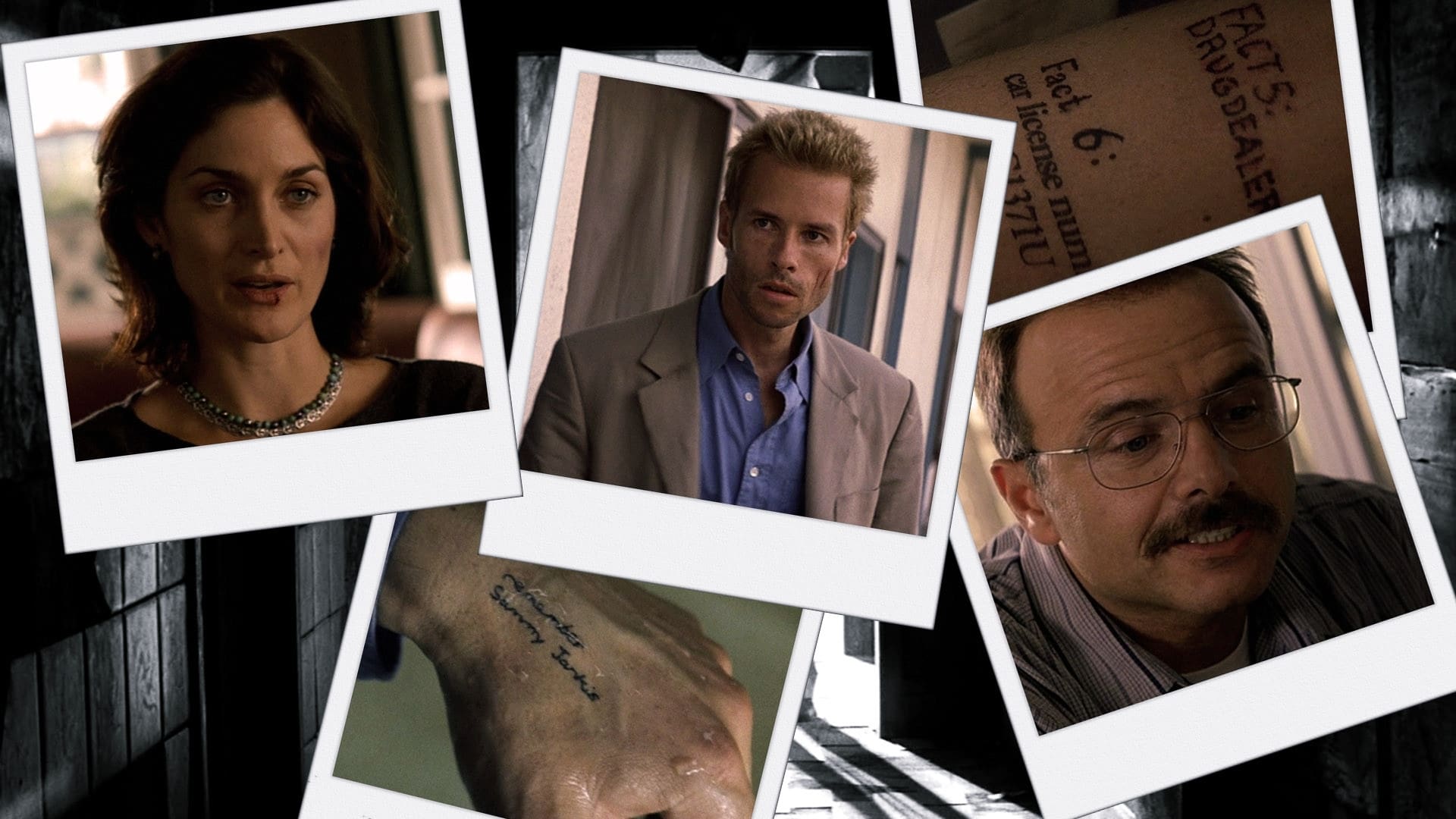
Direction and Mise-en-Scène: The Art of Disorientation
Christopher Nolan doesn’t direct Memento—he dissects it. Every shot, every camera movement, every cut is designed to destabilize you. The film doesn’t flow—it crawls like Leonard Shelby, taking steps backward while moving forward. Nolan uses editing not just to tell the story but to force you into his protagonist’s skin. The color scenes, moving in reverse, are packed with abrupt jump cuts and tight framing that demand your attention to every detail. The black-and-white scenes, meanwhile, are slower, almost contemplative, as if time had stopped. But don’t be fooled: Nolan doesn’t give you a break. Not even in the moments that seem calm. There’s a shot where Leonard sits in a motel room, staring into space, and the camera lingers on his face for what feels like an eternity. Nothing happens. No dialogue. Just silence and Pearce’s vacant expression. And yet, that shot tells you more about the character than any monologue could.
The sound design is another standout. David Julyan, responsible for the score, opts for minimalist, almost ambient music that heightens the sense of isolation and paranoia. Tense moments aren’t resolved with jarring musical stings but with uncomfortable silences and amplified everyday sounds: the scratch of a pen on skin, the creak of a door opening, the echo of footsteps in an empty hallway. Nolan and Julyan know real terror isn’t in what you see—it’s in what you don’t see. And in Memento, what you don’t see is almost everything.
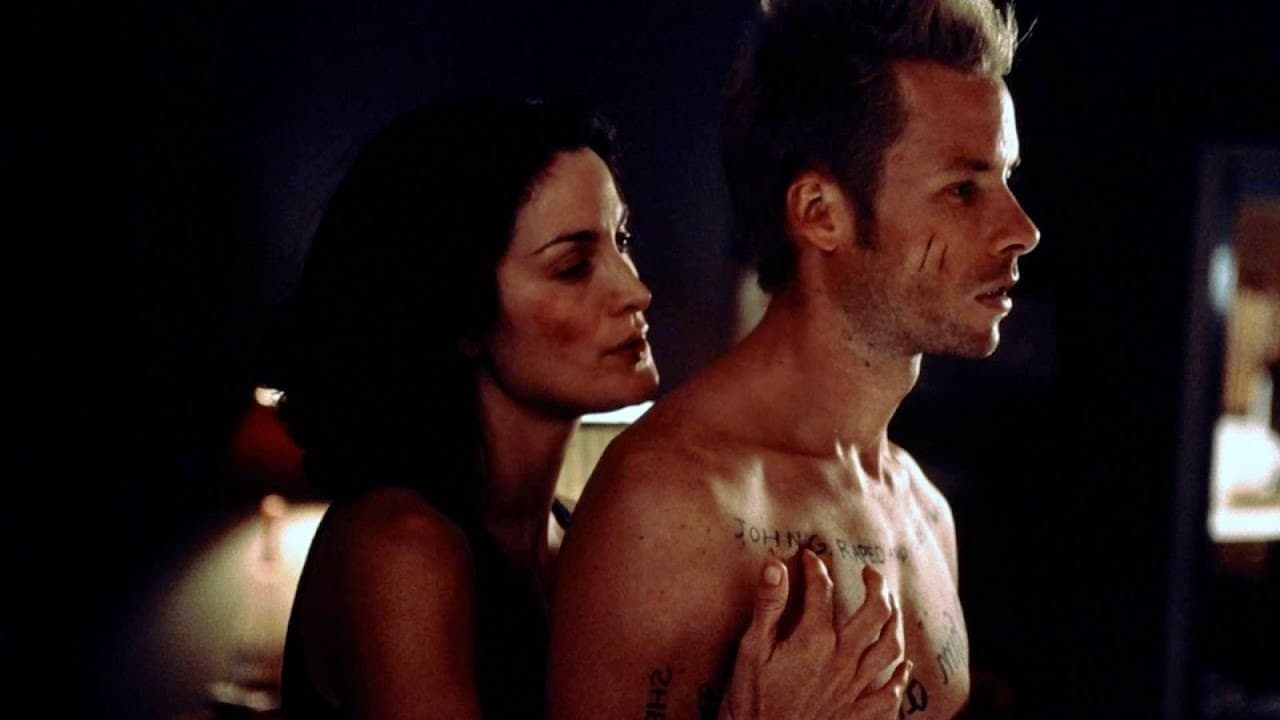
Performances: Fragility as a Weapon
Guy Pearce doesn’t play Leonard Shelby—he inhabits him. His performance is a mix of vulnerability and restrained violence that’s utterly mesmerizing. Pearce avoids turning Leonard into a pitiful or pathetic figure. Instead, he gives him a fragile dignity, as if deep down, his condition isn’t a curse but an excuse. There’s a moment where Leonard tells Natalie, «I’m not a killer. I’m just someone who wants to do the right thing.» And that line sums up the entire film. Leonard isn’t a hero, but he’s not a villain either. He’s a man trapped in a system he’s created to justify his actions. Pearce plays him with a naturalness that hurts, as if every scene is the first time he’s living it. And in a way, it is.
Carrie-Anne Moss is equally brilliant as Natalie, a woman who toys with Leonard as much as he toys with himself. Moss brings a calculated coldness that contrasts with Pearce’s desperation, and their on-screen chemistry is electric. But the real revelation is Joe Pantoliano as Teddy. Pantoliano doesn’t play a typical villain—his Teddy is ambiguous, a corrupt cop or a loyal friend, depending on the moment. Or maybe depending on how you remember him. Pantoliano pulls it off with a subtlety that leaves you doubting: is he manipulating Leonard or trying to help him? The answer, like nearly everything in Memento, isn’t so simple.
The best
- The narrative structure: Nolan doesn’t just play with time—he plays with the audience’s perception. Every scene is a puzzle, and the script forces you to reconstruct the story as if you were Leonard himself. The genius lies in realizing that by the end, it doesn’t matter if you’ve solved the mystery—what matters is that you’ve lived the experience.
- Guy Pearce: His portrayal of Leonard Shelby is one of those performances that leaves you breathless. Pearce doesn’t act—he disintegrates on screen, showing the fragility and ferocity of a man trapped in his own mind. Every gesture, every look, every burst of violence is calculated to the millimeter.
- Wally Pfister’s cinematography: Pfister uses color and black-and-white not just as aesthetic choices but as narrative tools. The color scenes, cold and harsh, reflect Leonard’s confusion, while the black-and-white scenes, warmer, offer a visual breather that never quite feels comforting.
The script: Adapted by Nolan from his brother Jonathan’s story, Memento*’s script is a masterclass in manipulation. It doesn’t just play with time—it plays with the trust of the audience, forcing you to question every clue, every line of dialogue, every twist.
- The sound design: David Julyan opts for a minimalist score that reinforces the sense of isolation and paranoia. Uncomfortable silences and amplified everyday sounds create an oppressive atmosphere that plunges you into Leonard’s head.
The worst
- Some redundant dialogue: There are moments where the script repeats itself, especially in the black-and-white scenes where Leonard explains his condition over and over. While understandable—after all, the character forgets things—it can get a bit tedious.
- The pacing in the second half: The film loses some steam toward the end, as the reverse structure starts to feel predictable. It’s not a major flaw, but there are moments where you feel Nolan could’ve hit the gas a little harder.
- Some underdeveloped supporting characters: Jorja Fox and Mark Boone Junior have roles that are too small to leave a mark. While their presence is necessary for the plot, their characters feel a bit blurry compared to the leads.
The Verdict of Claqueta Ácida
Memento isn’t a film—it’s an experience. Nolan grabs you by the hand, shoves you into Leonard Shelby’s head, and leaves you there, lost and confused, wondering what the hell just happened. And the best part? When you think you’ve figured it out, you realize you haven’t understood anything. The reverse structure, the brutal performances, and the twisted script make Memento an instant classic, one of those films you don’t just watch but feel. It’s not perfect—nothing is—but it’s so smart, so visceral, and so goddamn original that it doesn’t matter. Nolan doesn’t just tell you a story: he forces you to live it. And that, dear readers, is what separates good cinema from cinema that changes your life. 💀
tweets_alternativos:
- "@ChristopherNolan convirtió un cortometraje de su hermano en una obra maestra del thriller psicológico. Memento es la prueba de que el guion puede ser más retorcido que la mente de sus personajes."
- "@GuyPearce demostrando que se puede ser frágil y letal en la misma escena. Leonard Shelby es el antihéroe que no sabías que necesitabas. #Memento"
- "@NewmarketFilms apostó por un Nolan desconocido y ganó. Memento es el ejemplo perfecto de cómo el bajo presupuesto puede ser tu mejor aliado. Menos es más, joder."
🎬 Tráiler Oficial
Abrir en YouTube
Theater Collateral Damage Report
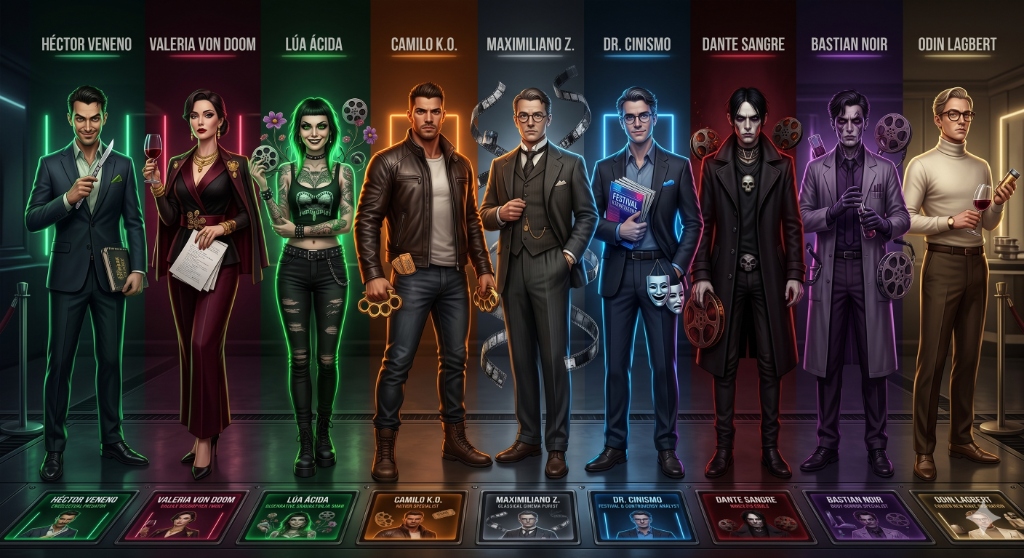
Psychophysical impact certificate issued by Héctor Veneno
Ni un solo parpadeo voluntario. El asiento, inusualmente cómodo.
Ninguna comprobación del tiempo. Se agradece la rareza.
Ninguna. Guarda el café para la sesión siguiente.
"No hubo. La coherencia se mantuvo hasta el último fotograma."
💬 Community Verdict
What did you think of the film? Rate it from 0 to 10 to compare it with the editorial review.
You haven't voted yet
📢 ¿Te ha gustado el ácido?
Comparte esta crítica con tus amigos cinéfilos o desata la polémica en redes.
⚡ THE CINEMATIC VENOM YOUR INBOX CRAVES
No sugarcoated ratings, no corporate fluff. Subscribe for our uncensored weekly analysis or join the private Telegram for press previews, poll clashes, and instant alerts.
Alertas de estrenos en 1 segundo, encuestas en caliente y audios al salir de pases de prensa.
Recibe la dosis semanal en tu mail + regalo inmediato del PDF con 50 joyas ocultas de culto.
Related Reviews
Recommended autopsies for demanding film buffs.
 🔥 Fusión Nuclear8.5
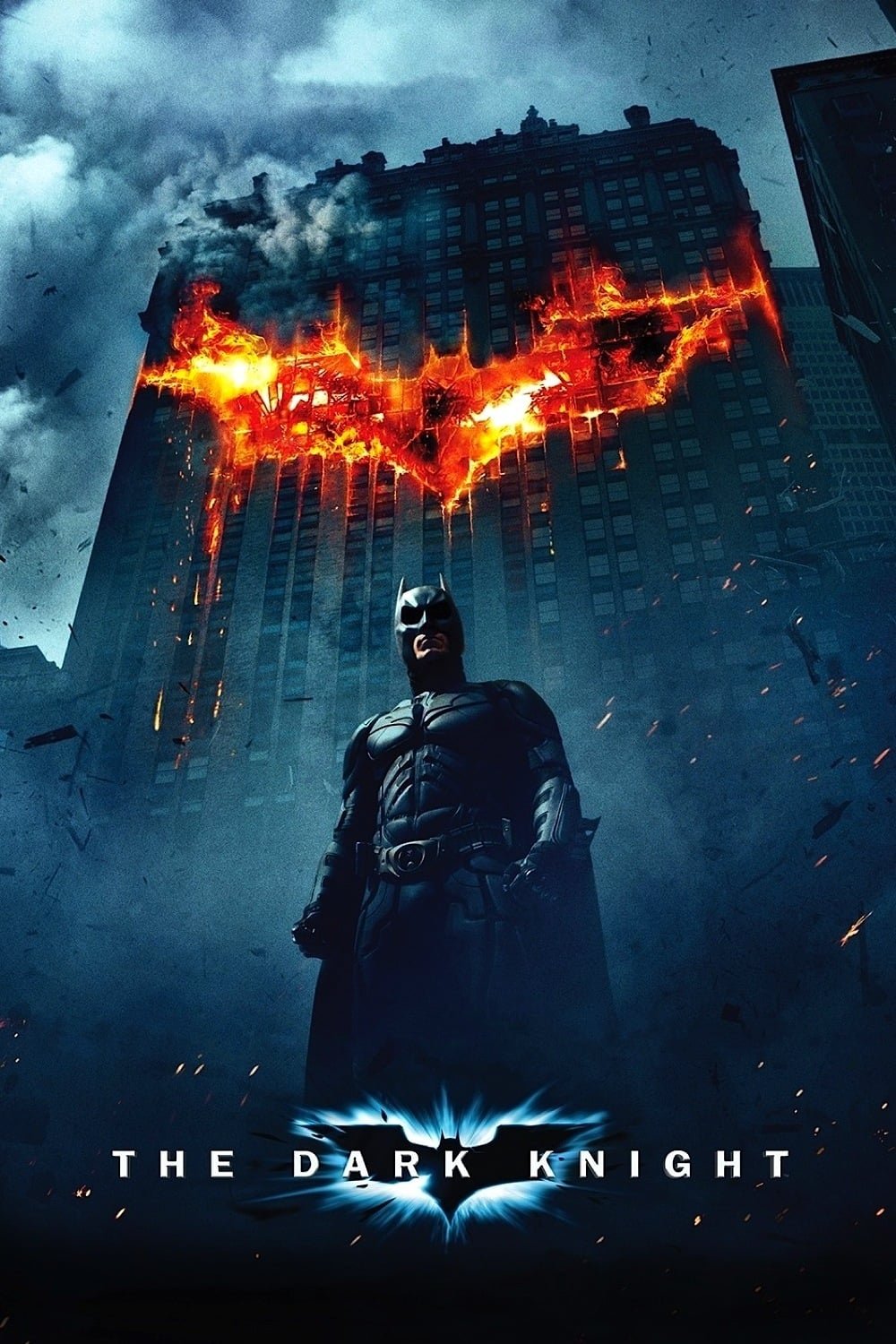
The Dark Knight: When Nolan Saved Superhero Cinema (And Gave Us a Joker for the Ages)
⚡Del mismo director (Christopher Nolan): analiza la evolución o degradación de su estilo.
Christopher Nolan turned a comic book into Shakespeare with a blockbuster budget. Heath Ledger stole the Joker’s soul—and ours. Masterpiece or pretentious overkill? Here’s the autopsy.
 🔥 Fusión Nuclear9.0
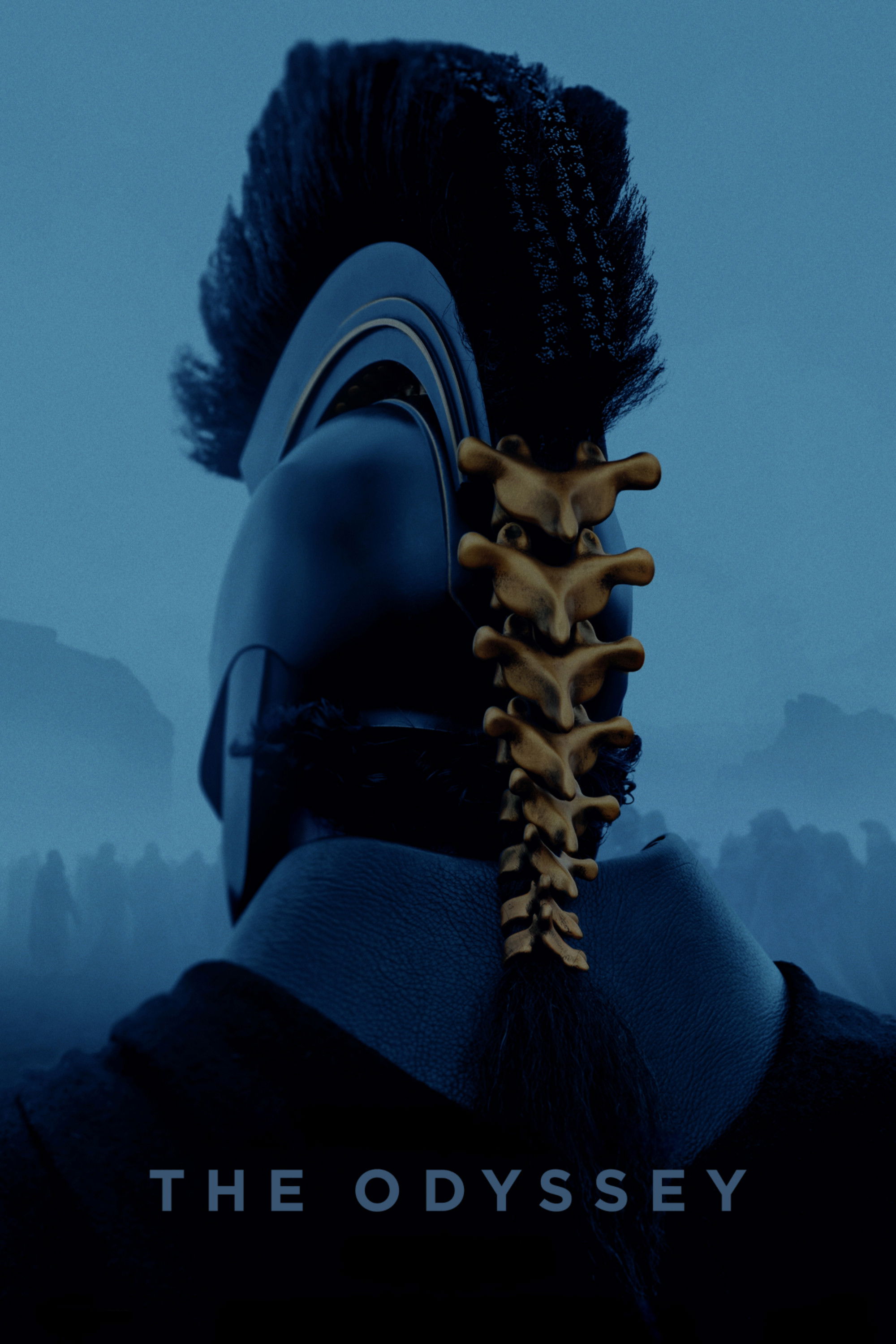
The Odyssey: Nolan’s Epic Ego Trip
⚡Del mismo director (Christopher Nolan): analiza la evolución o degradación de su estilo.
Christopher Nolan’s *The Odyssey*: A cinematic masterpiece—or a bloated vanity project drowning in its own pretensions?
 🔥 Fusión Nuclear9.5
*2001: A Space Odyssey – A Monkey, a Monolith, and Two Hours of Cosmic Pretentiousness*
⚡Afinidad temática directa en atmósfera, estilo y fijaciones visuales.
We dissect Stanley Kubrick’s magnum opus. A visual feast of minimalism and space hypnosis that cemented "serious" sci-fi—and bored half of humanity to tears.
Editorial Ecosystem
Cinephile connections, archive interviews and related analyses.
🎞️ In Claqueta Cinematheque2
💬 Debate Cinéfilo & Autopsia de Lectores
0 veredictos¿Discrepas con nuestra nota? ¿Es una obra maestra o veneno puro? Deja tu veredicto abajo sin necesidad de registro.

Aún nadie ha dejado su veredicto para esta película.
Sé el primero en clavarle el colmillo rellenando el formulario de arriba.