The Dark Knight — When Nolan Saved Superhero Cinema (And Gave Us a Joker for the Ages)
Christopher Nolan turned a comic book into Shakespeare with a blockbuster budget. Heath Ledger stole the Joker’s soul—and ours. Masterpiece or pretentious overkill? Here’s the autopsy.

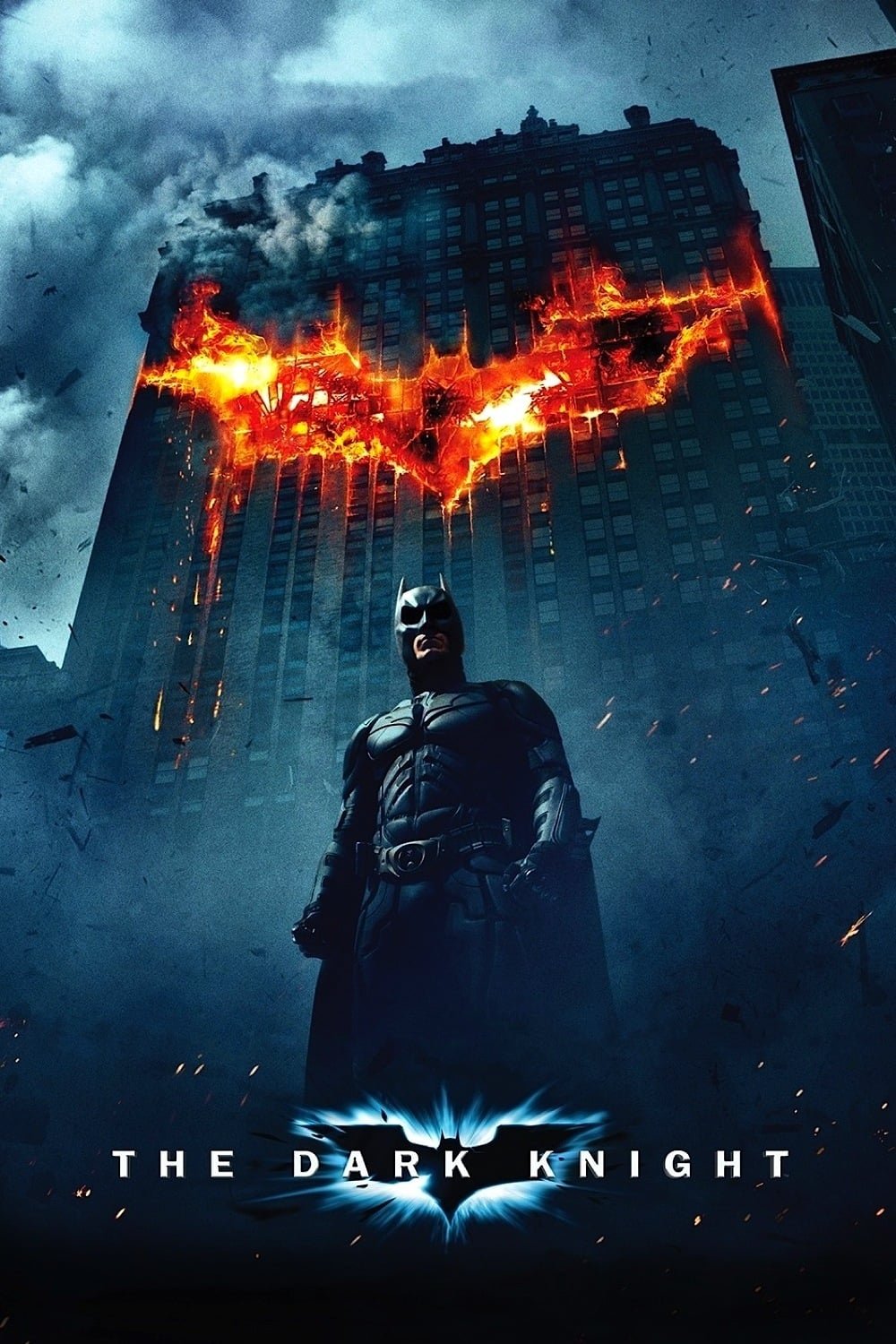


Some movies don’t premiere—they declare themselves. The Dark Knight arrived in 2008 like an IMAX hurricane of intellectual testosterone and a Joker reeking of gasoline and Greek tragedy. Christopher Nolan, a guy who’d already proven he could turn insomnia into art (Memento) and dreams into nightmares (Inception), decided it was time to rescue Batman from the ‘90s dumpster. Not to make another superhero movie, but to prove the genre could be dark, filthy, and—above all—adult. Spoiler: he pulled it off. Though he sometimes got a little too heavy-handed with the philosophical sermons between explosions and dump truck chases.
The $185 million budget—a fortune at the time—is visible in every frame, but not like today’s blockbusters that look like Apple product catalogs. Here, the money was spent on things that matter: shooting with real IMAX cameras (yes, those monstrosities that weigh a ton and sound like hell), building practical sets that reek of sweat and oil, and paying Heath Ledger to lock himself in a hotel for a month and emerge as the Joker. Not as a comic book villain, but as something worse: a shattered mirror of our own society. The result is a film that smells like burnt gasoline, fake blood, and barely concealed intellectual pretensions. But damn, does it smell good.
Gotham had never felt so real. Wally Pfister, Nolan’s longtime cinematography accomplice, turned the city into another character: grimy, gleaming, packed with elongated shadows and neon lights reflecting off dirty puddles. Every frame looks like a Caravaggio painting, but with exploding police cars in the background. Then there’s the score by Hans Zimmer and James Newton Howard—a two-headed beast that blends Gregorian chants with industrial sounds and a violin that seems to be undergoing torture. The Joker’s theme, that distorted why do you wanna kill me?, is so catchy it hurts. Like a virus burrowing into your brain and refusing to leave.
But of course, all of this would be sound and fury if not for the script. Jonathan Nolan (Christopher’s brother) and the director himself pulled off a tightrope act: mixing classic noir with cynical political thriller, and tossing in a villain whose only motivation is “to watch the world burn.” The problem is, sometimes the script tries too hard. There are lines that sound like they were written by a drunk philosopher (“Introduce a little anarchy. Upset the established order, and you’ll see real chaos”), and moments where Batman seems more like an ethics professor than a caped crusader. But overall, the film holds up because it knows what it wants to be: an urban western where good and evil aren’t black and white, but shades of gray stained with blood.
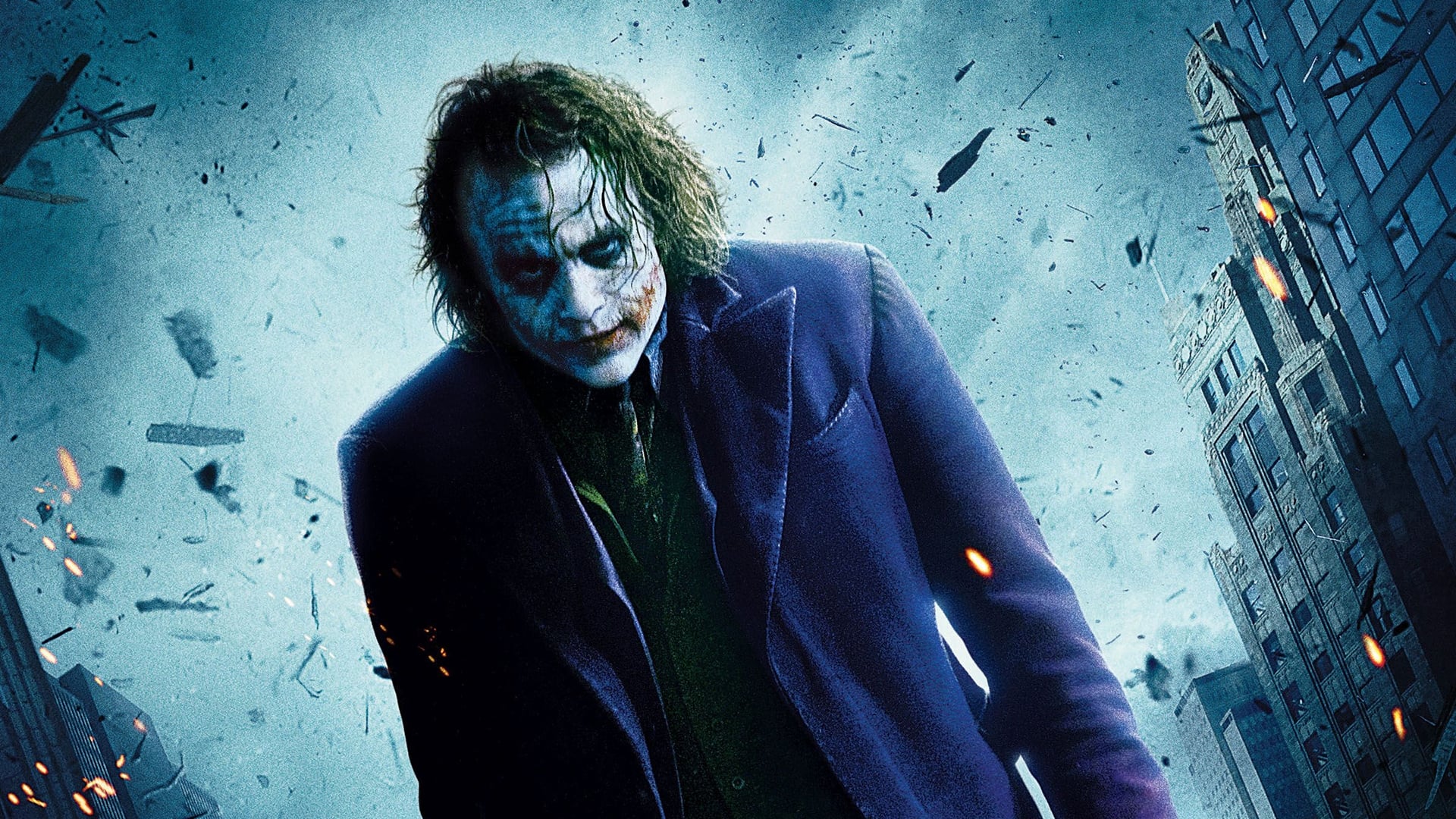
Direction and Mise-en-scène: Nolan in God Mode
Christopher Nolan doesn’t direct movies—he builds them. And The Dark Knight is his Gothic cathedral: imposing, obsessively detailed, and with a few cracks only the purists dare to point out. The guy shoots like every frame might be his last, and it shows. There’s not a single wasted shot, not a single scene that doesn’t advance the plot, the characters, or at least the spectacle. But beware, because Nolan has one problem: he loves big drama. So big it sometimes slips through his fingers.
The clearest example is the ferry scene. Two boats, two groups of people, one bomb, and a moral dilemma that should tear your soul apart. In theory. In practice, Nolan can’t help turning it into a cheap ethics reality show, with sweaty close-ups and a Joker who feels more like a Big Brother host than a nihilist terrorist. It’s the moment the film flirts with the ridiculous, but also the moment it proves its boundless ambition. Because who the hell dares to wedge a free-will debate into a Batman movie? Only Nolan. And only he could get away with it.
But where the direction truly shines is in the action sequences. The dump truck chase is a masterclass in controlled chaos: handheld cameras, fake long takes (but well-edited), and a sense of space that leaves you breathless. Nolan doesn’t use CGI to hide the action—he uses it to enhance it. Cars fly, buildings explode, and you feel every crash, every screech, every gunshot. This is real action cinema, the kind they don’t make anymore. And then there’s the Joker. Nolan gives him room to shine, but without making him the absolute center of the film. Because, in the end, The Dark Knight isn’t the Joker’s movie—it’s Batman’s. Or, more precisely, Bruce Wayne’s.
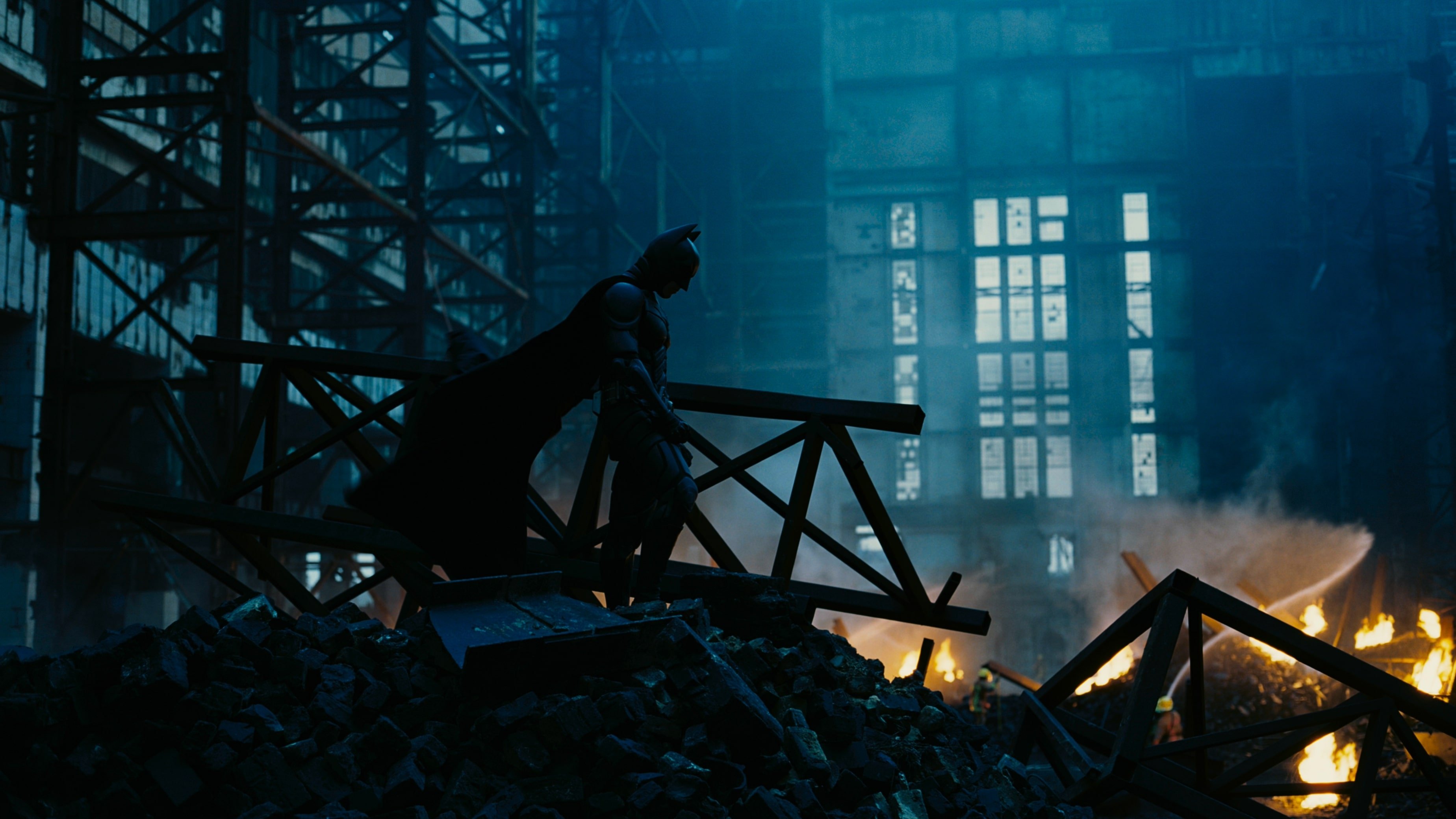
Performances: Ledger Ate the Movie (And Left Us Hungry)
Christian Bale is fine. It’s not his best turn as Batman—that honor still belongs to Batman Begins—but he delivers. His Bruce Wayne is a broken, exhausted man hiding behind a mask and a ridiculous growl that sounds like he’s got a cold. Bale has brilliant moments, like that hospital scene where he tells Harvey Dent, “You either die a hero, or you live long enough to see yourself become the villain.” But let’s be honest: Bale isn’t this movie’s protagonist. The protagonist is Heath Ledger, and what he did with the Joker is so monstrous it feels like a miracle.
Ledger doesn’t play the Joker. He lives him. Every twitch, every laugh, every flick of his tongue over cracked lips is pure, unfiltered evil. There’s no motivation, no origin, no explanation. Just chaos. And that’s what makes him terrifying. Ledger’s Joker isn’t a comic book villain—he’s a concept: the embodiment of randomness, of cruelty without reason, of laughter hiding a knife. When he asks, “Wanna know how I got these scars?” and spins a different story each time, it’s not a script error—it’s genius. Because the Joker has no past. Only a present. And Ledger understood that better than anyone.
The rest of the cast holds their own. Aaron Eckhart is sublime as Harvey Dent, a man who believes in the system until the system spits in his face. His transformation into Two-Face is so brutal it hurts, though the movie overdoes it with the makeup (that burned side looks like it’s from a Power Rangers episode). Gary Oldman remains Gotham’s only decent cop, and Michael Caine, as always, steals every scene he’s in. Only Maggie Gyllenhaal disappoints a little. Rachel Dawes is still the trilogy’s weakest link—a sparkless character who feels like she wandered in from a CSI episode. But nobody’s perfect.
The best
- Heath Ledger’s Joker: This isn’t a performance—it’s an exorcism. Ledger didn’t play the Joker; he flayed him alive and forced us to watch. He won a posthumous Oscar and left us wondering what else he could’ve destroyed. A character who transcends comics and becomes myth.
- Wally Pfister’s cinematography: Gotham had never felt so real. Pfister turns the city into another character—gritty, gleaming, packed with elongated shadows. Every frame looks like a Caravaggio painting, but with exploding police cars in the background.
- Hans Zimmer and James Newton Howard’s score: A two-headed beast. Gregorian chants mixed with industrial sounds and a tortured violin. The Joker’s theme is so catchy it hurts. Like a virus burrowing into your brain and refusing to leave.
The action sequences: Nolan shoots like every frame might be his last. The dump truck chase is controlled chaos at its finest. Handheld cameras, real explosions, and a sense of space that leaves you breathless. Real* action cinema.
- The script (despite everything): A mix of noir, political thriller, and Greek tragedy. It’s got pretentious dialogue, but also moments of pure genius. Like that hospital scene where Batman tells Harvey Dent, “You either die a hero, or you live long enough to see yourself become the villain.”
The worst
The uneven tone: Nolan wants to make an adult movie, but sometimes he overthinks it. Some scenes feel like they’re from a House* episode (the Joker’s interrogation), while others sound like a self-help seminar (the ferry speech). The film swings between genius and ridiculousness too often.
- Rachel Dawes (again): Maggie Gyllenhaal doesn’t save the trilogy’s most insipid character. Rachel Dawes is the weak link—a walking cliché who only exists so Batman has something to lose. Not even her death is memorable.
- Batman’s voice: Christian Bale is still committed to sounding like he’s got a potato stuck in his throat. It’s ridiculous, distracting, and—worst of all—doesn’t fit the rest of the movie. An unforgivable directorial misstep.
Two-Face’s makeup: Aaron Eckhart is brilliant, but that burned side looks like it’s from a Power Rangers* episode. It’s so over-the-top it borders on comedy, and in a film that takes itself this seriously, that stings.
- The pretentiousness overload: Nolan can’t resist dropping philosophical musings between explosions and chases. Sometimes it works (the ferry dilemma), but other times it sounds like a film student trying to impress their professor. Less is more, Chris.
The Verdict of Claqueta Ácida
The Dark Knight isn’t a perfect movie. It’s got ridiculous moments, pretentious dialogue, and an intellectual testosterone overload that sometimes drowns it. But damn, it nails almost everything else. Nolan turned a comic into a Greek tragedy with a blockbuster budget, and Heath Ledger left us with a Joker who remains the most terrifying villain in modern cinema. It’s a film that reeks of burnt gasoline, fake blood, and boundless ambition. And sometimes, that’s enough to save superhero movies. Even if just once. 💀
tweets_alternativos:
- "¿Qué tiene @chrisnolan que cada vez que rueda con @ChristianBale acabamos con una película de 3h y un villano que se come la pantalla? El Joker de Ledger no era un personaje, era un exorcismo. #Cine"
- "Wally Pfister filmó Gotham como si fuera el último lugar habitable en la Tierra. Cada encuadre grita: 'Aquí no hay héroes, solo supervivientes'. @wallypfister merece un altar. #Fotografía"
- "@Legendary y @WarnerBros pic.twitter.com no se imaginaban que soltar 185M en una película de Batman con un payaso nihilista les daría 1.000M. El capitalismo también tiene sus milagros. #NegociosDelCine"
🎬 Tráiler Oficial
Abrir en YouTube
Theater Collateral Damage Report
Psychophysical impact certificate issued by Maximiliano Z.
Cero bostezos. Pupilas dilatadas y tensión mandibular constante.
Ni una sola mirada al móvil.
Ninguna. Guarda el café para la sesión siguiente.
"No hubo. La coherencia se mantuvo hasta el último fotograma."
💬 Community Verdict
What did you think of the film? Rate it from 0 to 10 to compare it with the editorial review.
You haven't voted yet
📢 ¿Te ha gustado el ácido?
Comparte esta crítica con tus amigos cinéfilos o desata la polémica en redes.
⚡ THE CINEMATIC VENOM YOUR INBOX CRAVES
No sugarcoated ratings, no corporate fluff. Subscribe for our uncensored weekly analysis or join the private Telegram for press previews, poll clashes, and instant alerts.
Alertas de estrenos en 1 segundo, encuestas en caliente y audios al salir de pases de prensa.
Recibe la dosis semanal en tu mail + regalo inmediato del PDF con 50 joyas ocultas de culto.
Related Reviews
Recommended autopsies for demanding film buffs.
 🔥 Fusión Nuclear8.0
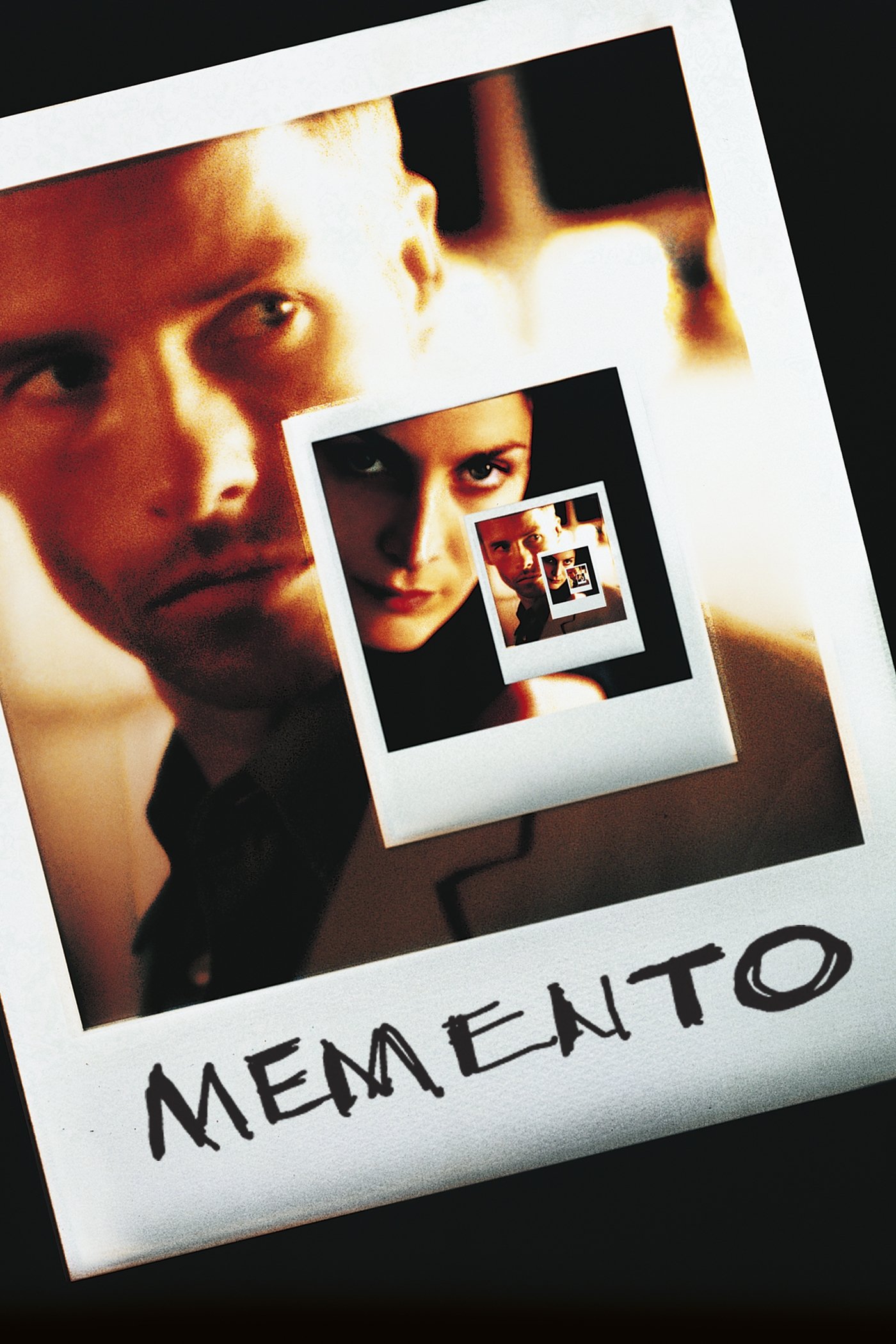
Memento: The Maze Nolan Built to Fuck With Your Head (And He Nailed It)
⚡Del mismo director (Christopher Nolan): analiza la evolución o degradación de su estilo.
Christopher Nolan dismantles memory like a Swiss watch in this twisted-structure masterpiece. Guy Pearce shines, but the script is the real monster here.
 🔥 Fusión Nuclear9.0
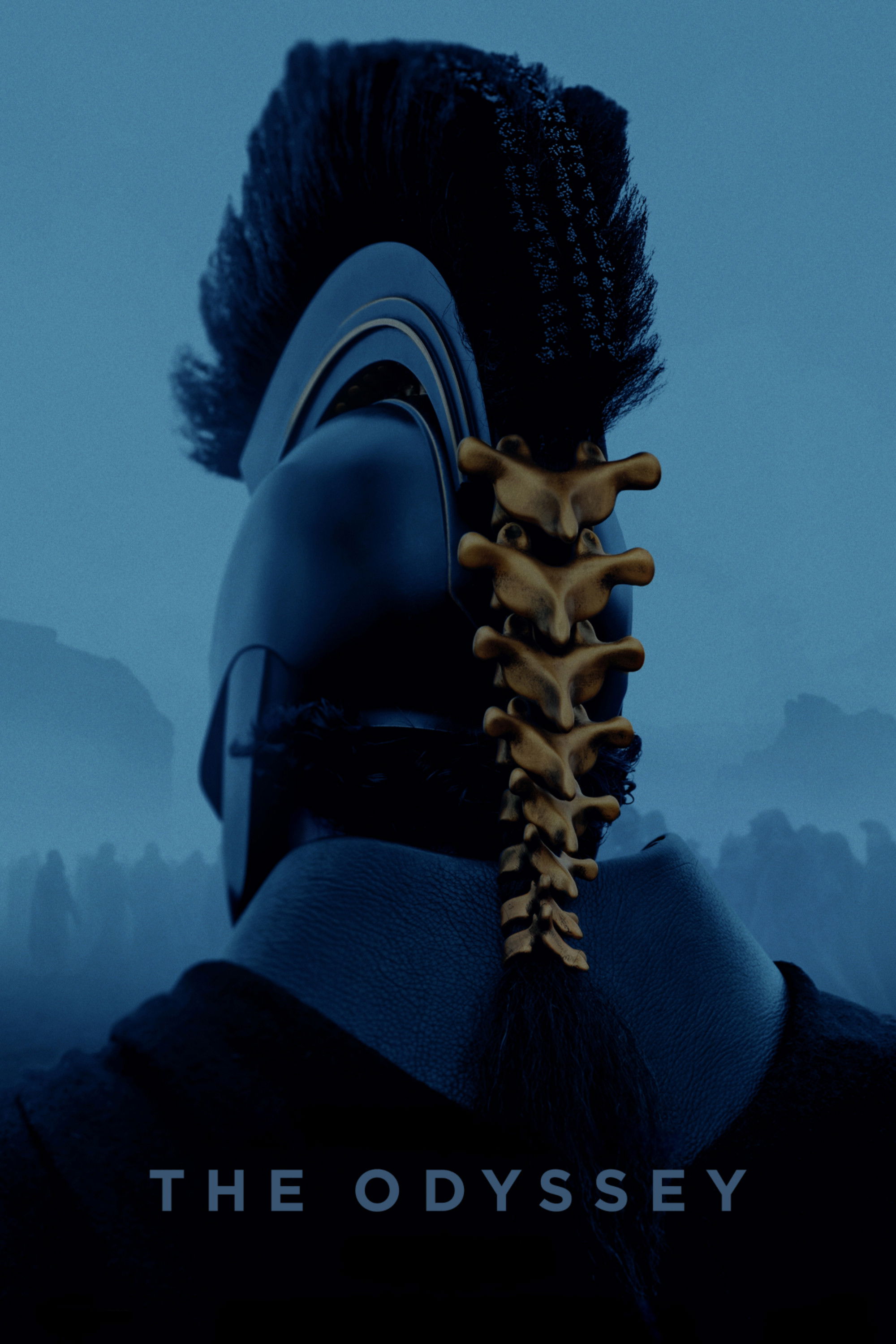
The Odyssey: Nolan’s Epic Ego Trip
⚡Del mismo director (Christopher Nolan): analiza la evolución o degradación de su estilo.
Christopher Nolan’s *The Odyssey*: A cinematic masterpiece—or a bloated vanity project drowning in its own pretensions?
 🔥 Fusión Nuclear9.5
*2001: A Space Odyssey – A Monkey, a Monolith, and Two Hours of Cosmic Pretentiousness*
⚡Afinidad temática directa en atmósfera, estilo y fijaciones visuales.
We dissect Stanley Kubrick’s magnum opus. A visual feast of minimalism and space hypnosis that cemented "serious" sci-fi—and bored half of humanity to tears.
Editorial Ecosystem
Cinephile connections, archive interviews and related analyses.
🎞️ In Claqueta Cinematheque2
💬 Debate Cinéfilo & Autopsia de Lectores
0 veredictos¿Discrepas con nuestra nota? ¿Es una obra maestra o veneno puro? Deja tu veredicto abajo sin necesidad de registro.

Aún nadie ha dejado su veredicto para esta película.
Sé el primero en clavarle el colmillo rellenando el formulario de arriba.