Pooka Lives! – An Acidic Review by Valeria Von Doom
A biting review of Pooka Lives! that acknowledges its hits but points out its lack of spark in an era saturated with creepypastas.
Pooka Lives!: full review
The year 2020 was a cauldron of digital experiments: the pandemic forced creators to seek stories that could be consumed on small screens, and Blumhouse Television, always ready to bet on the cheap, launched Pooka Lives!. Alejandro Brugués, the Cuban-Mexican director who had garnered a certain cult following with The Last Will and Testament of Rosalynn Leigh, came back with an eight-episode series that intended to mix internet horror with ensemble comedy. The project arose in the midst of the creepypasta fever, when meme culture became a fertile territory for low-budget terror.
Brugués had demonstrated in The Last Will and Testament of Rosalynn Leigh that he knew how to play with claustrophobic atmosphere and dark humor. With Pooka Lives! he attempted to translate that formula to the streaming era, but the Blumhouse Television budget, which hovers around 2 million dollars for the entire series, left little room for visual ambition. Filming was carried out mostly in a Los Angeles studio, with sets that resemble an Airbnb loft and a coworking office, which explains the "web series set" sensation.
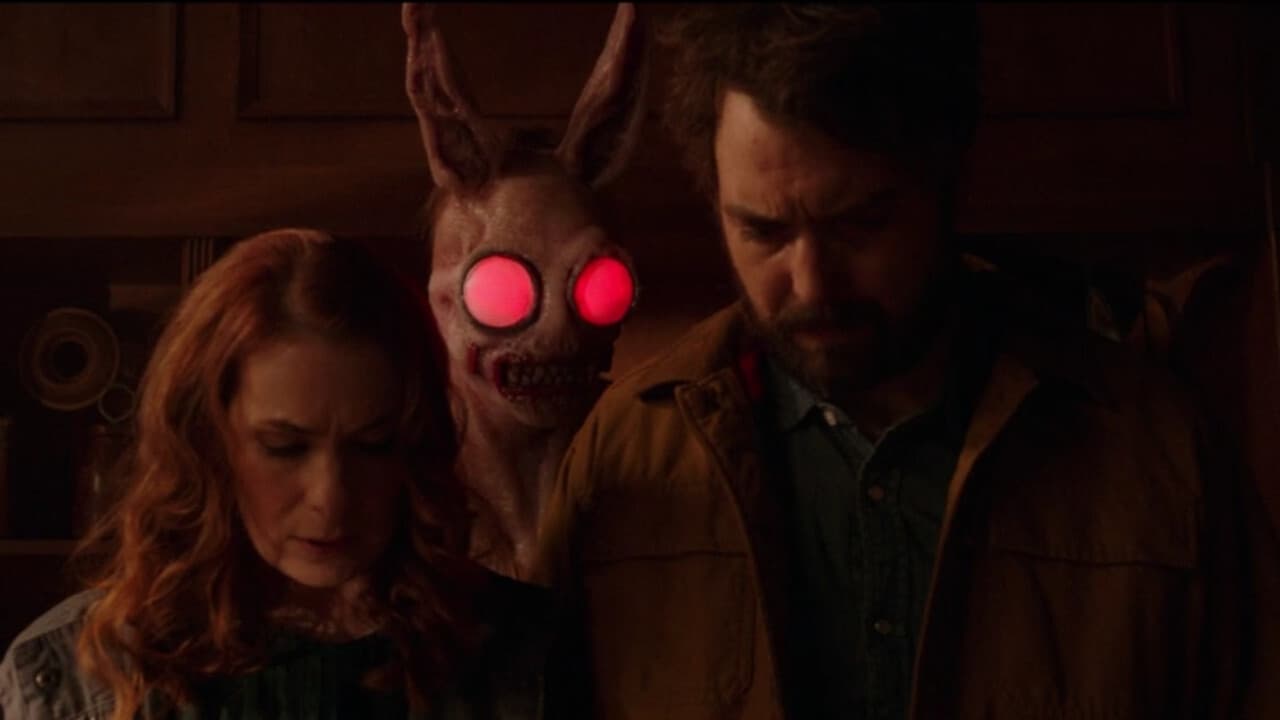
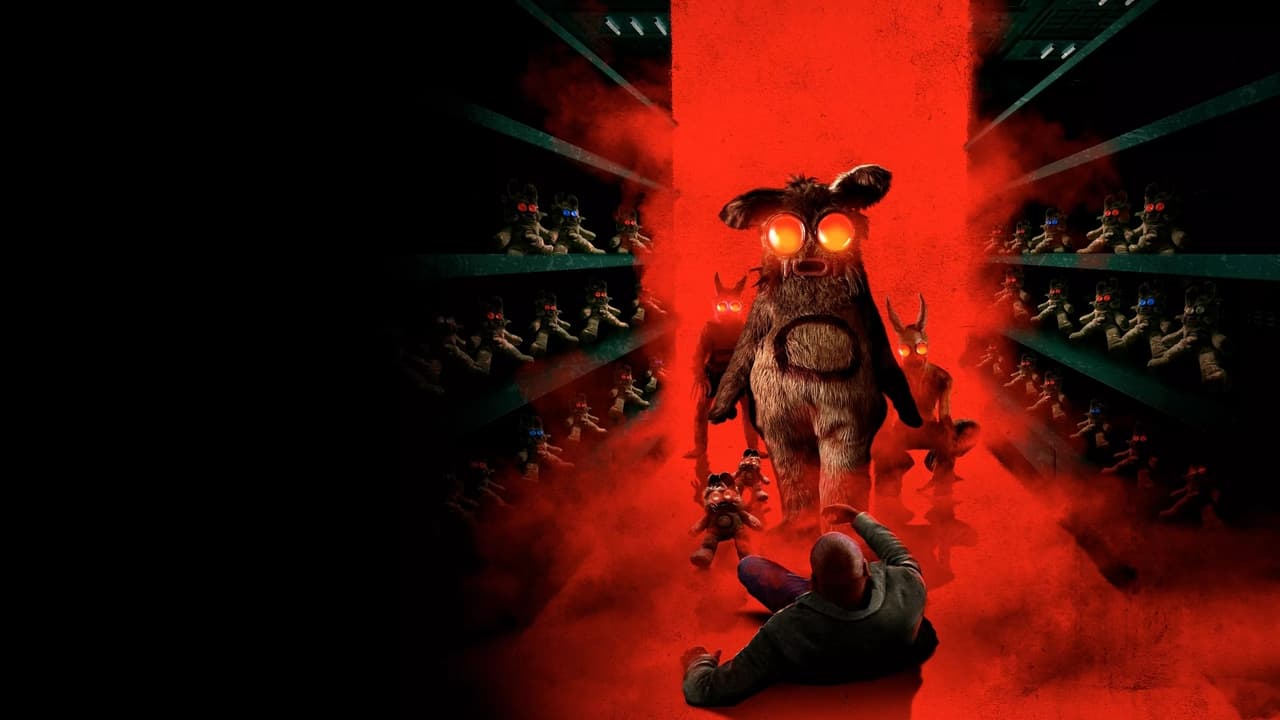
The premise is simple: a group of thirty-somethings creates a creepypasta about a creature called Pooka, and the story becomes so viral that real versions of the beast begin to appear. The official synopsis promises a mix of terror and humor, but the execution stays on the surface. The series relies on forum and TikTok culture, and each episode attempts to escalate the threat while the characters argue about memes, which sometimes results in something more tiring than chilling.
The camera remains static, almost like a YouTube documentary, and the sound of keyboard clicks becomes an irritating leitmotif. That scene encapsulates the series' intention: to immerse us in digital paranoia, but without the necessary tension for the fear to be palpable.
Upon leaving, the sensation was of having seen a promising idea that stopped halfway. The series works as a format experiment, but its lack of originality and irregular rhythm turn it into a mediocre piece of entertainment. It is not a total waste of time, but I would not recommend it to anyone looking for more than an excuse to watch Felicia Day throw out internet jokes.
Direction and Staging
Brugués opts for an aesthetic that combines vlog style with handheld camera shots, as if the viewer were part of the forum where Pooka is discussed. In episode three, when the group gathers in a rural house to "investigate" the creature, the camera becomes more unstable, following the characters through dark hallways with dim light that barely reveals details. That decision creates an atmosphere of uncertainty, but the lack of contrast and the grayish color palette make the tension dissipate quickly.
The most memorable shots are the quick cuts of text messages appearing on screen, accompanied by an exaggerated notification sound. The intention is to generate a sense of digital invasion, but the excess of text effects becomes distracting. The staging, although coherent with the internet theme, rarely surpasses the aesthetic of a TikTok video, which detracts from the weight of the supposed supernatural threat.
Performances and Script
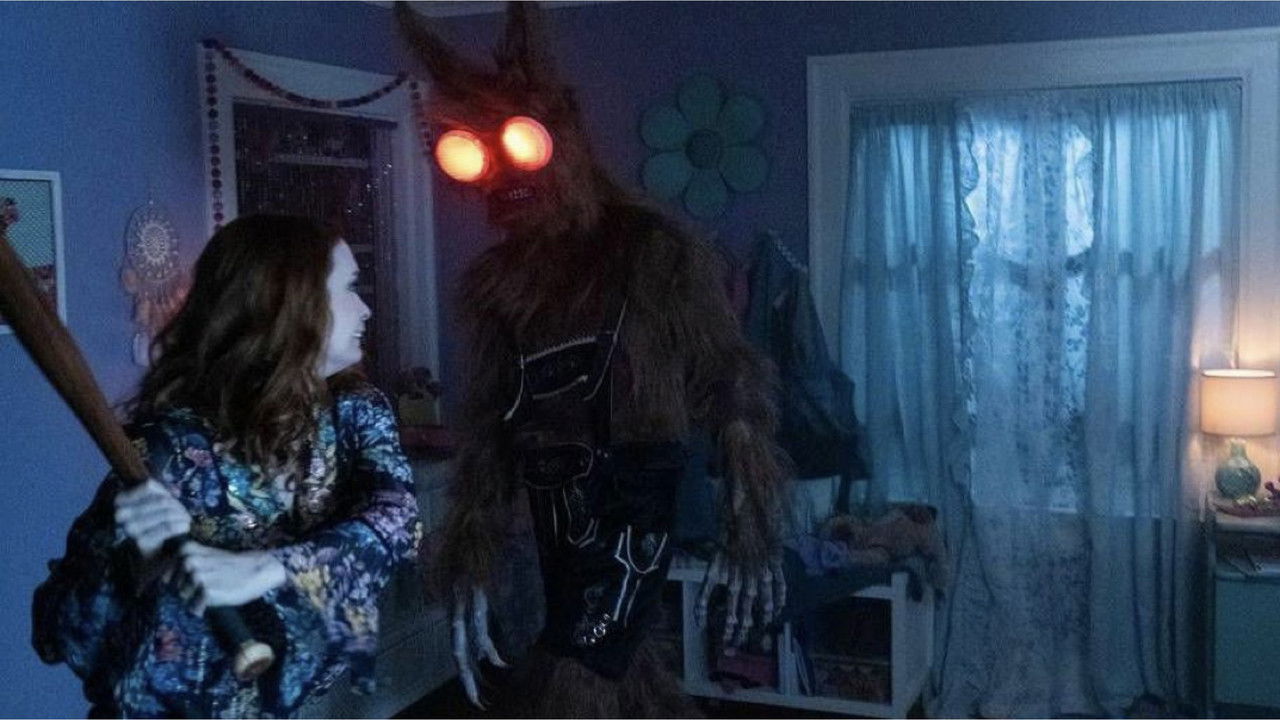
Malcolm Barrett carries the weight of Derrick with a mix of sarcasm and vulnerability that, at times, manages to anchor the series. His chemistry with Lyndie Greenwood (Susan) is the strongest point; their dialogues about the virality of the creepypasta sound authentic and, at times, hilarious. Felicia Day, as Molly, brings her characteristic acidic humor, but her presence sometimes eclipses the rest of the cast, creating a tonal imbalance.
Ryan Copple's script attempts to balance horror with situational comedy, but most of the jokes fall into the predictable zone.
Technical Aspects
Ana M. Amortegui, director of photography, achieves lighting that recalls low-budget thrillers of the 2000s. The cold colors and neon light in the office settings reinforce the sensation of a digital world. However, the lack of variety in lighting makes the series look monotonous after the first episodes.
Kyle Newmaster composes a soundtrack that mixes retro synthesizers with light percussion. The music works in the humor moments, but in the tension scenes it becomes too generic, as if it were a stock package. The editing, handled by an uncredited editor in the credits, alternates between fast rhythm in dialogues and abrupt cuts in the scares, generating an irregular visual experience.
The best
- Malcolm Barrett's performances: His charisma keeps the series afloat when the script falters.
- Felicia Day's humor: Each line from Molly is a flash of wit that saves the plot.
- Production design: The coworking sets and digital forum aesthetic are convincing.
- References to meme culture: They manage to connect with the young audience familiar with the internet.
The worst
- Predictable script: The jokes and narrative twists are too obvious.
- Monotonous photography: The grayish color palette impoverishes the atmosphere.
- Generic music: The soundtrack brings nothing new to the genre.
- Irregular rhythm: The episodes lose speed in critical moments.
The Verdict of Claqueta Ácida
Pooka Lives! is a series that dares to mix digital horror with ensemble comedy, but the mix results more diluted than explosive. The performances by Barrett and Day are the only life preservers in a sea of predictable script and flat aesthetic. In short, it works well enough to pass the time, but it leaves no mark and does not provoke chills. It is a mediocre proposal that stays on the surface of creepypasta culture, without delving or surprising. 💀
🎬 Tráiler Oficial
Abrir en YouTube
Pooka Lives!: frequently asked questions
- What is the rating of "Pooka Lives!" on Claqueta Ácida?
- "Pooka Lives!" scored 5.8/10 on Claqueta Ácida in the review by Valeria Von Doom.
- Is "Pooka Lives!" worth watching?
- With reservations. We gave it 5.8/10 (Citric Acid), our rating for uneven films with something worth saving.
- Who directed "Pooka Lives!"?
- "Pooka Lives!" was directed by Alejandro Brugués.
Theater Collateral Damage Report
Psychophysical impact certificate issued by Valeria Von Doom
2 amagos en el tramo intermedio; pestañeo pesado en las transiciones más innecesarias.
Alguna consulta furtiva al móvil en el segundo acto. Nada que no se perdone.
1 espresso para no dejarse vencer por la mediocridad cómoda.
"A mitad del segundo acto cuando la subtrama secundaria empezó a pesar más de lo que aportaba."
💬 Community Verdict
What did you think of the film? Rate it from 0 to 10 to compare it with the editorial review.
You haven't voted yet
📢 ¿Te ha gustado el ácido?
Comparte esta crítica con tus amigos cinéfilos o desata la polémica en redes.
⚡ THE CINEMATIC VENOM YOUR INBOX CRAVES
No sugarcoated ratings, no corporate fluff. Subscribe for our uncensored weekly analysis or join the private Telegram for press previews, poll clashes, and instant alerts.
Alertas de estrenos en 1 segundo, encuestas en caliente y audios al salir de pases de prensa.
Recibe la dosis semanal en tu mail + regalo inmediato del PDF con 50 joyas ocultas de culto.
Related Reviews
Recommended autopsies for demanding film buffs.
 ⚡ Ácido Cítrico 7.1
28 Years Later: The Bone Temple: when cult cinema trips over its own shadow
⚡ Afinidad temática directa en atmósfera, estilo y fijaciones visuales.
A sequel that smells rotten from the very first frame. Garland and DaCosta try to revive the genre, but the result is a technical knockout dressed up as a masterpiece.
 ⚡ Ácido Cítrico 5.8
A Serbian Film: The Snuff That Thought It Was Art (and Ended Up a High-School Nightmare)
⚡ Afinidad temática directa en atmósfera, estilo y fijaciones visuales.
Srđan Spasojević serves up a depravity feast swinging between gratuitous shock and social commentary. Genius or pretentious trash? Claqueta Ácida dissects it with surgical precision.
 ⚡ Ácido Cítrico 6.0
Adolescence, Sex, and Death at Camp Miasma: The Slasher That Reeks of Teen Sweat and a Recycled Script
⚡ Afinidad temática directa en atmósfera, estilo y fijaciones visuales.
Jane Schoenbrun turns a summer camp into a dumpster fire of hormones and clichés. Art or autopsy of a dying subgenre?
Editorial Ecosystem
Cinephile connections, archive interviews and related analyses.
💬 Debate Cinéfilo & Autopsia de Lectores
0 veredictos¿Discrepas con nuestra nota? ¿Es una obra maestra o veneno puro? Deja tu veredicto abajo sin necesidad de registro.

Aún nadie ha dejado su veredicto para esta película.
Sé el primero en clavarle el colmillo rellenando el formulario de arriba.