The Bay — An Outbreak of Mediocrity in the Maryland Bay
An acidic review of Barry Levinson's film that tries to scare with viruses and ends up as a low-budget routine.
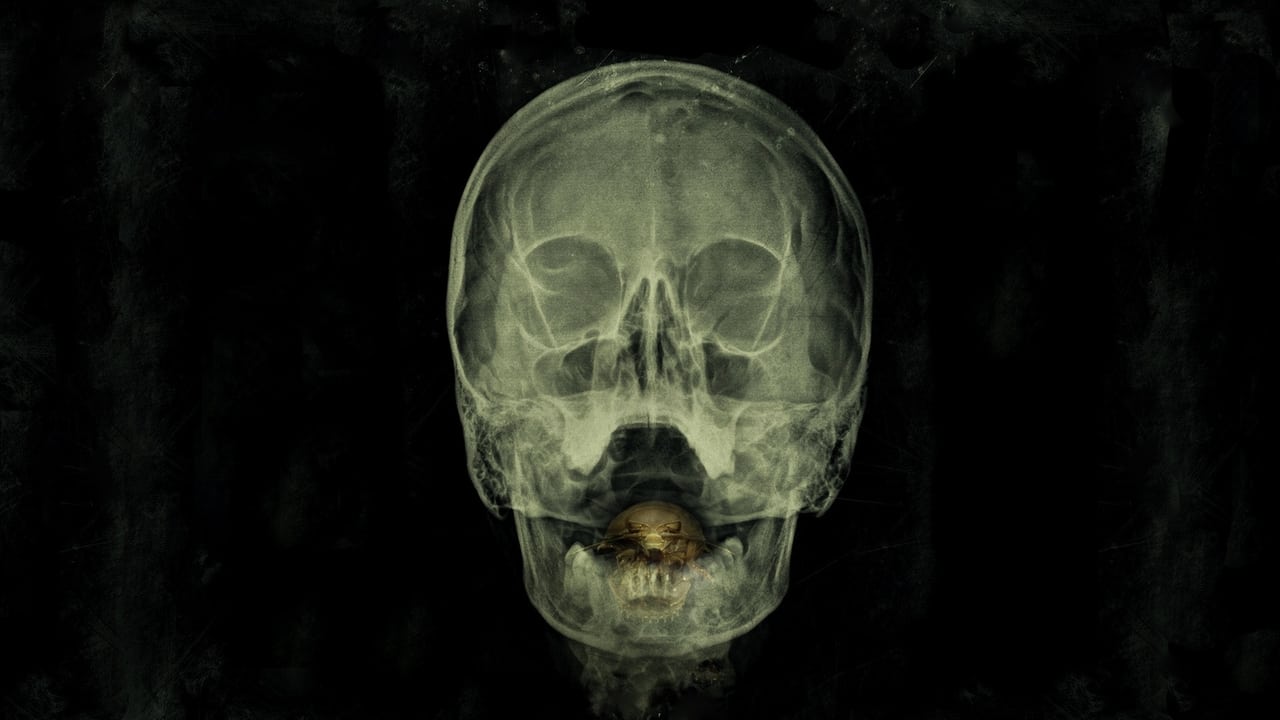

The Bay: full review

As an Amazon Associate, Claqueta Ácida earns from qualifying purchases.
The theater's air conditioning blew like a morgue breeze while the trailer for The Bay rumbled through the speakers, announcing an ecological catastrophe that, according to the marketing, would make the audience tremble. Barry Levinson, the very same who gifted us Sleepers in 1996, returned to the big screen intending to mix thriller and viral horror, but the result stayed in the comfort zone of low-budget found footage. The first impression was that feeling of having walked into an emergency room: flickering arc lights, a teenager loudly chewing popcorn in row 3, and the echo of a 911 call repeating like a sick heartbeat. It wasn't the cinema we expected from a director with Levinson's solidity, but something that smelled like a film school final project that didn't have time to polish its edges. There was a promise of urban chaos, of Baltimore as a sick organism, but what arrived was a flat simulation, a reliefless map where the characters walk in a straight line toward their own irrelevance.
The shooting took place in Baltimore under a limited budget that, according to industry sources, hovered around 2 million dollars. The production, one of eight companies –Baltimore Pictures, Hydraulx, Automatik Entertainment, Haunted Movies, Roadside Attractions, Lionsgate, Alliance Films, and IM Global–, demanded Levinson deliver the film in digital format, a decision he regretted in interviews: “Celluloid has a texture that digital cameras will never be able to imitate”. The result is an image that looks like it was compressed into a 720p file, with grain that reminds one more of digital degradation than classic mastery. It is a photography that doesn't breathe, that gets trapped on the surface of the sensor without managing to penetrate the viewer's skin. Levinson, accustomed to the warmth of 35mm, seems to have drowned in the coldness of the pixel, losing the opportunity to give the city a tactile texture that would turn it into another character.
The opening shot, a shaky take of a mobile phone screen showing an emergency alert, holds for over two minutes without cuts. The film advances with a succession of 911 calls, security camera recordings, and testimonies that feel more like a true crime podcast than a cinematic narrative. It is an exercise in data accumulation that forgets that cinema is, above all, emotion. If you don't feel the fear in your bones, it doesn't matter how many computer screens you show the audience.
The disparity between the expectation generated by Levinson's name and the reality of the product is, in itself, a lesson in cinematic economics: you pay €9.50 and lose 84 minutes you will never get back. It's the kind of movie you watch on the couch with the TV on in the background, not the one that forces you to hold your breath in the darkness of a theater.
Direction and staging
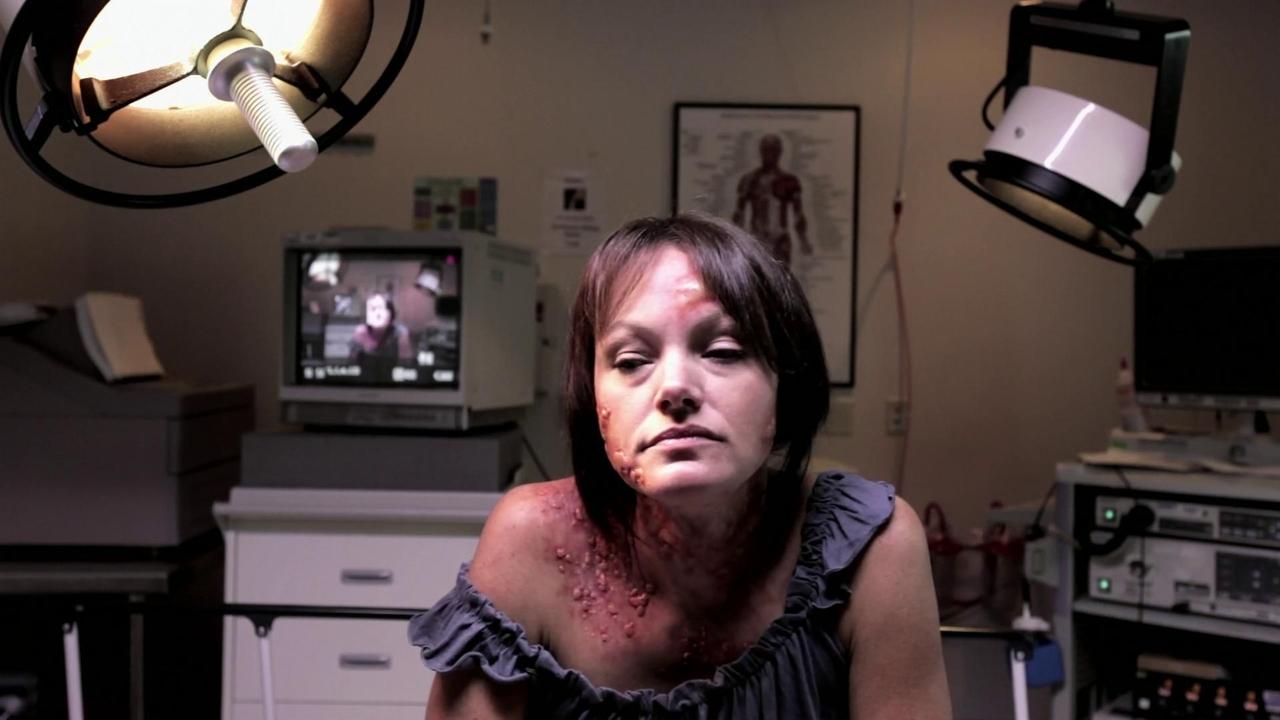
Levinson tries to create an atmosphere of claustrophobia through the shaky camera and three-point lighting that, in most shots, is reduced to a hard light that barely reveals the characters' features. The framing composition, which could have been an opportunity to play with the 1.37:1 Academy ratio, stays in an uninspired 16:9. The hospital scene, where Dr. Michaels (Kenny Alfonso) explains the spread of the virus, is lit with arc lights that generate expressionist shadows, but the background sound –a fan hum– drowns out any attempt at tension. Levinson, who knows how to direct actors, seems to have forgotten how to direct the camera. The movements are mechanical, lacking the fluidity that characterized his best works. There is an evident disconnect between the narrative intention and the visual execution, as if the director had been in another room, thinking about his next movie while his team improvised with the lights.
Performances and script
Kristen Connolly, as Stephanie, is the only light in the middle of the fog. Her face reflects an anxiety that Michael Wallach's script barely brushes. Will Rogers (Alex) and Christopher Denham (Sam) deliver performances that oscillate between the resigned and the forced; their dialogue, especially the exchange about “the origin of the outbreak”, sounds as if it were copied from a public health manual. The lack of depth in the secondary characters, like Mayor Stockman (Frank Deal), turns any attempt at political conflict into a bodiless murmur. Connolly tries to hold the weight of the film with her presence, but it's like trying to keep a candle lit in a hurricane. The script is so flat that it doesn't allow the actors to show their nuances, forcing them to recite lines that have no soul. It's a shame, because Connolly has real talent that here gets buried under layers of narrative mediocrity.Technique and sound
Josh Nussbaum, the director of photography, manages to capture the Maryland fog with a grayish palette that, although appropriate, lacks the texture of the chemical grain we so deeply revere. Marcelo Zarvos's soundtrack, composed mostly of electronic drones, tries to create a sense of urgency, but ends up being background noise competing with the sound effects of the 911 phones. The editing, handled by an anonymous editor, resorts to abrupt cuts that break continuity instead of creating rhythm, causing the tension to dissipate like vapor. The sound mix is chaotic, with voices getting lost in the background noise and effects that scream louder than necessary. It is a sensory experience that exhausts more than it scares, leaving the viewer with a headache instead of a jump.The best
- Kristen Connolly: delivers a palpable anguish that elevates the scarce plot.
- Diseño de producción: meticulously recreates the interiors of an emergency hospital.
- Sombras expresionistas: in the laboratory scene add a touch of classic style.
The worst
- Guion de Michael Wallach: forced dialogue and lack of internal coherence.
- Fotografía digital: degradation grain that ruins the atmosphere.
- Montaje torpe: incoherent cuts that destroy the tension.
The Verdict of Claqueta Ácida
The Bay works as a mock drill of ecological terror that never manages to infect the viewer. Levinson's direction seems like a shadow of his past glories, and the rest of the team gets trapped in a virus of mediocrity that cures nothing. You paid €9.50 and received a dose of boredom that not even the sound of the theater's trailers could mask. In short, a film that stays on the shore without swimming. 💀🎬 Tráiler Oficial
Abrir en YouTube
The Bay: frequently asked questions
- What is the rating of "The Bay" on Claqueta Ácida?
- "The Bay" scored 5.8/10 on Claqueta Ácida in the review by Maximiliano Z..
- Is "The Bay" worth watching?
- With reservations. We gave it 5.8/10 (Citric Acid), our rating for uneven films with something worth saving.
- Who directed "The Bay"?
- "The Bay" was directed by Barry Levinson.
Theater Collateral Damage Report
Psychophysical impact certificate issued by Maximiliano Z.
2 amagos en el tramo intermedio; pestañeo pesado en transiciones.
Las miradas al reloj llegan puntuales en cuanto la película se pone explicativa.
1 espresso doble bien cargado para no desmayarse.
"A mitad del segundo acto cuando intentaron justificar la subtrama innecesaria."
The rebuttal from Dr. Cinismo (Pretentiousness Radar)
In stark disagreement with the review given by Maximiliano Z..
“Duelo editorial natural entre las visiones antagónicas de Maximiliano Z. y el consejo de redacción. "La pretensión no es arte, aunque se proyecte con subtítulos en fuente helvética sobre fondo negro."
💬 Community Verdict
What did you think of the film? Rate it from 0 to 10 to compare it with the editorial review.
You haven't voted yet
📢 ¿Te ha gustado el ácido?
Comparte esta crítica con tus amigos cinéfilos o desata la polémica en redes.
⚡ THE CINEMATIC VENOM YOUR INBOX CRAVES
No sugarcoated ratings, no corporate fluff. Subscribe for our uncensored weekly analysis or join the private Telegram for press previews, poll clashes, and instant alerts.
Alertas de estrenos en 1 segundo, encuestas en caliente y audios al salir de pases de prensa.
Recibe la dosis semanal en tu mail + regalo inmediato del PDF con 50 joyas ocultas de culto.
Related Reviews
Recommended autopsies for demanding film buffs.
 🔥 Fusión Nuclear 7.6
Sleepers: When Hell Has a Name and a Surname
⚡ Del mismo director (Barry Levinson): analiza la evolución o degradación de su estilo.
Barry Levinson turns prison drama into a feast of cruelty and redemption. Spoiler: forgiveness hurts more than the punches.
 ⚠️ Ácido Sulfúrico 3.2
On the Run: A Senseless Sprint
⚡ Afinidad temática directa en atmósfera, estilo y fijaciones visuales.
A marathon of clichés and marketing sweat that leaves the audience feeling like they've run in circles. 💀
 ⚡ Ácido Cítrico 6.8
Azrael: Samara Weaving and the Hell of Silence
⚡ Afinidad temática directa en atmósfera, estilo y fijaciones visuales.
E.L. Katz and Simon Barrett deliver a brutal, relentless mute survival horror film where Samara Weaving once again proves why she is the modern scream queen.
Editorial Ecosystem
Cinephile connections, archive interviews and related analyses.
🎞️ In Claqueta Cinematheque 1

💬 Debate Cinéfilo & Autopsia de Lectores
0 veredictos¿Discrepas con nuestra nota? ¿Es una obra maestra o veneno puro? Deja tu veredicto abajo sin necesidad de registro.

Aún nadie ha dejado su veredicto para esta película.
Sé el primero en clavarle el colmillo rellenando el formulario de arriba.