The Dogs — A bark that gets stuck in the throat
An acidic critique of Valerie Buhagiar's unsettling yet predictable effort, where rural horror remains in the shadows.
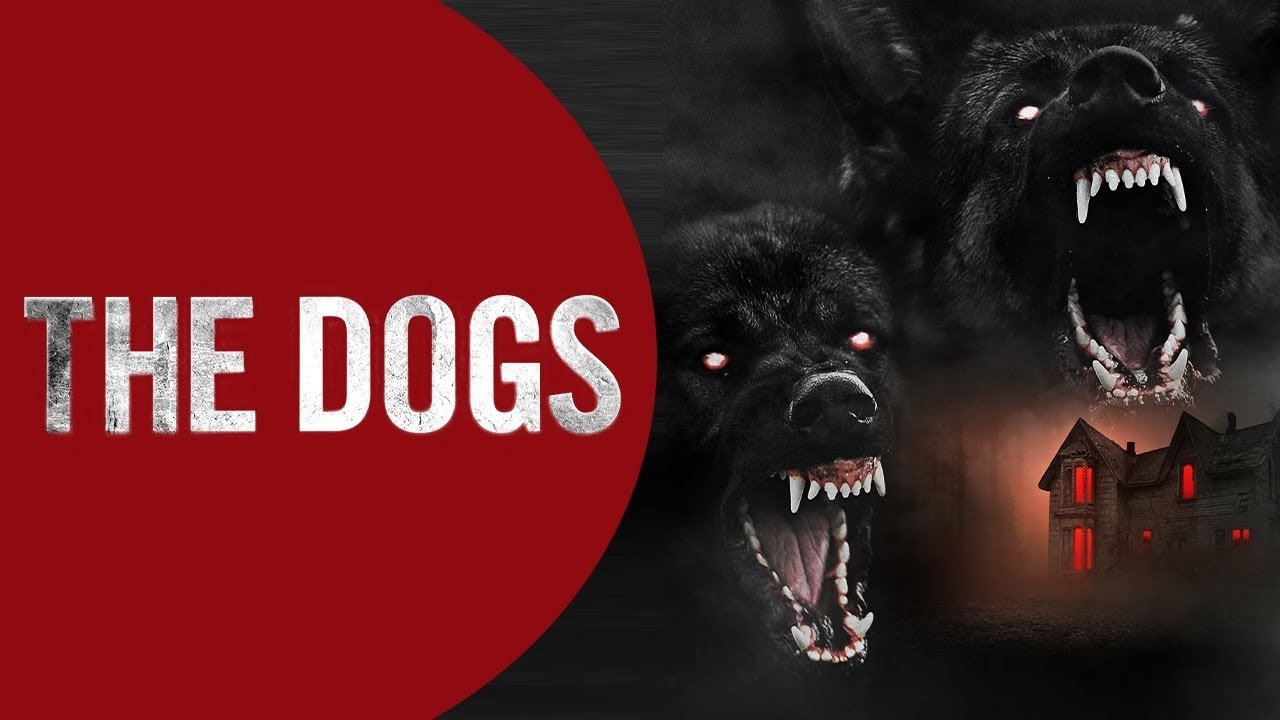
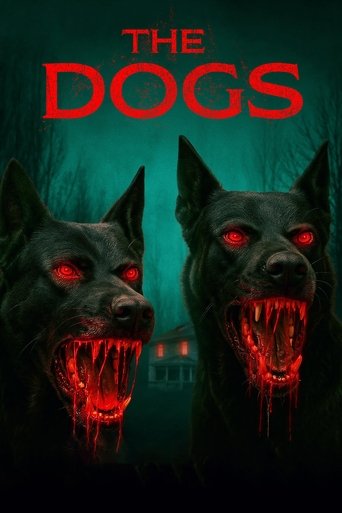
The Dogs: full review
The climate of Canadian cinema in 2025 feels like a perpetual mist, and Valerie Buhagiar dives right into it with The Dogs, a piece that pretends to blend psychological terror with rural folklore. After several horror shorts and a foray into television, Buhagiar arrives on the big screen intending to explore inherited fear, that shadow projected from childhood into adulthood. The project was born under the auspices of Wild Media Entertainment and 2ofaMind Productions, with a modest budget of 1.2 million dollars reflected in the scarce visual pomp, but also forcing the director to rely on atmosphere rather than effects.
The first scene that left a mark on me was the long shot of the dirt road leading to the farm, filmed at dusk with a light that seems to filter through a thick fog. There is no handheld camera, but rather a static shot that lingers on the horizon while the sound of the wind becomes a constant whisper. That silence is broken by the creak of the house door, and that is where Anthony Artibello's script attempts to sow doubt: Cameron (Donovan Colan) hears voices that do not exist. The idea is intriguing, but the execution remains on the surface, like a layer of ice that never breaks. A detail that goes unnoticed is the use of a 35mm camera which, according to the second unit DOP, sought to capture the texture of dust, but the final result feels far too uniform.
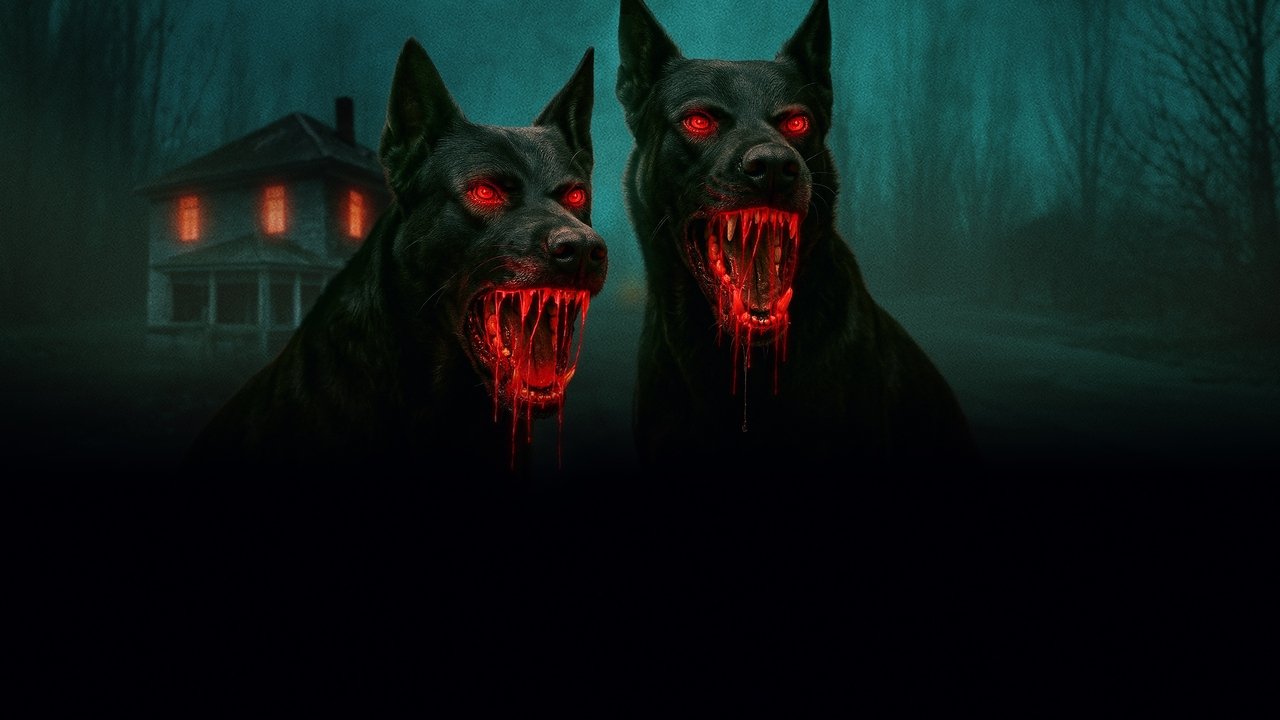
As for the direction, Buhagiar shows a steady hand in building the claustrophobia of the farm's interior. The narrow hallways and windowless rooms become mental labyrinths for Cameron, and the director uses framing to reinforce his isolation. However, the lack of a credited director of photography is noticeable in the scarce variety of shots; the film leans too heavily on natural light, which sometimes makes it flat. When the camera ventures into the barn in the night scene, the only light comes from a flickering oil lamp, creating shadows that seem to dance, but the exposure is so underexposed that details are lost. The music, or rather the absence of it, tries to create tension, but the prolonged silence becomes monotonous after the first twenty minutes. Only in the climax, when the broken mirror reflects the mother's face, does a pulsing bass track appear, attempting, unsuccessfully, to elevate the adrenaline.
Donovan Colan carries the emotional weight of the film. His portrayal of Cameron is the only one that manages to convey a credible evolution: from childish confusion to an adult paranoia that borders on the visceral. Kathleen Munroe, as the mother, offers a maternal presence that becomes increasingly oppressive, but her screen moments are scarce and often lost in dialogue that brings nothing new to the table. Stuart Hughes as Art Sinclair tries to be the ambiguous antagonist, but his character lacks clear motivation, diluting any real threat. The supporting cast, like Asher Grayson and Aidan Kalechstein, appear as shadows that barely graze the plot; their interventions are so brief that the viewer wonders if they were cut in the edit to save time.
Artibello's script has moments of brilliance in the dialogues between Cameron and his mother, where tension is built through what is left unsaid. However, the narrative becomes predictable when the farm's secrets are revealed in a linear fashion, lacking the unexpected twists the genre demands. The pacing remains constant, but never accelerates enough to generate a climax that justifies the wait. The editing, though functional, provides no dynamism; the transitions are simple cuts that offer no surprise, and the final scene, where Cameron runs into the forest in the rain, feels like a repetition of the opening without bringing anything new.
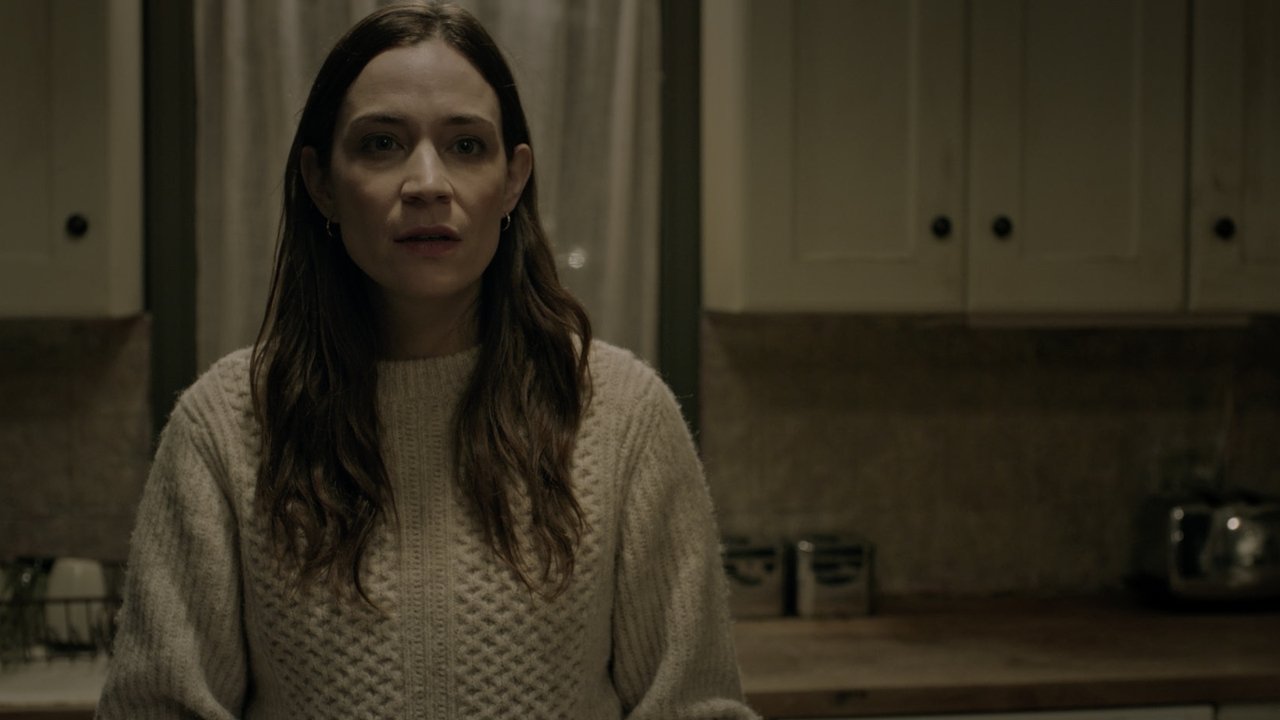
On a technical level, the diseño de producción deserves a mention. The farm is decorated with everyday objects that, under the right light, acquire a sinister quality: an old wooden chair, a flickering oil lamp, and a series of yellowish notebooks suggesting a hidden past. The ambient sound, with creaking wood and the echo of animals, helps create an oppressive atmosphere, although the lack of a defined soundtrack leaves empty spaces that the viewer must fill themselves. The sound mix, handled by the production company's audio engineer, is competent but lacks layers that could intensify the horror moments; the whisper of the wind becomes repetitive and the slam of the door, though well-placed, loses impact due to the absence of reverb.
The best
- Donovan Colan's performance: Keeps the film afloat with a portrayal that combines vulnerability and creeping paranoia.
- Production design: The farm and its everyday objects become silent characters that add texture to the terror.
- Sound atmosphere: The farm noises and strategic silence generate constant tension.
The worst
- Predictable script: The plot twists are announced far too clearly, with no real surprises.
- Limited cinematography: The absence of a credited director of photography leaves the image flat and monotonous.
- Supporting characters without depth: Most of the supporting cast appear as shadows without motivation.
The Verdict of Claqueta Ácida
The Dogs manages to create a rural atmosphere that, at its best moments, borders on the unsettling, but the script and the lack of visual resources leave it trapped in a bark that never bites. It works more as an exercise in style than a complete horror experience. In short, a film that stays at the door of fear without crossing it. 💀🎬 Tráiler Oficial
Abrir en YouTube
The Dogs: frequently asked questions
- What is the rating of "The Dogs" on Claqueta Ácida?
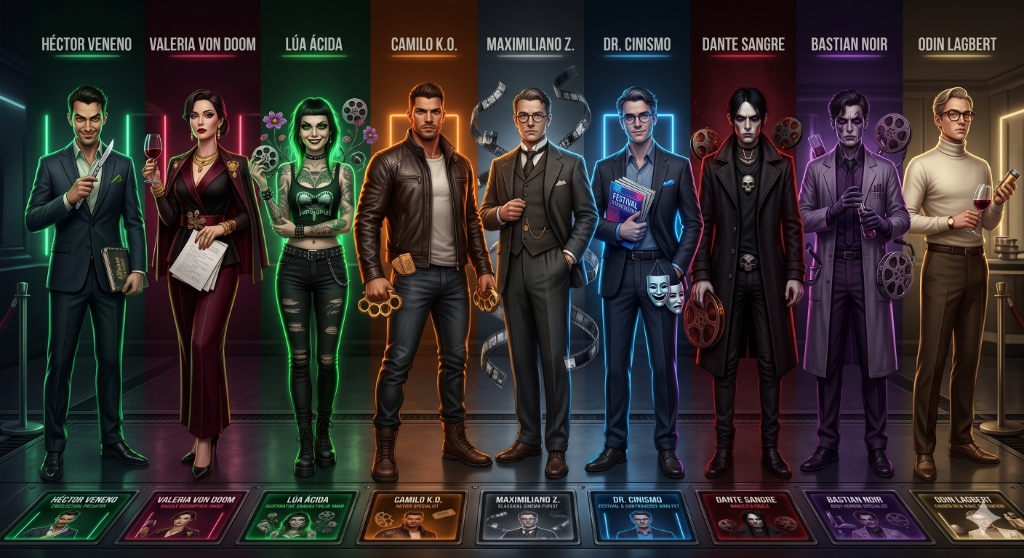
- "The Dogs" scored 6.4/10 on Claqueta Ácida in the review by Bastian Noir.
- Is "The Dogs" worth watching?
- With reservations. We gave it 6.4/10 (Citric Acid), our rating for uneven films with something worth saving.
- Who directed "The Dogs"?
- "The Dogs" was directed by Valerie Buhagiar.
Theater Collateral Damage Report
Psychophysical impact certificate issued by Bastian Noir
1 amago en el tramo intermedio; pestañeo pesado en las transiciones más innecesarias.
Alguna consulta furtiva al móvil en el segundo acto. Nada que no se perdone.
1 espresso para no dejarse vencer por la mediocridad cómoda.
"A mitad del segundo acto cuando la subtrama secundaria empezó a pesar más de lo que aportaba."
💬 Community Verdict
What did you think of the film? Rate it from 0 to 10 to compare it with the editorial review.
You haven't voted yet
📢 ¿Te ha gustado el ácido?
Comparte esta crítica con tus amigos cinéfilos o desata la polémica en redes.
⚡ THE CINEMATIC VENOM YOUR INBOX CRAVES
No sugarcoated ratings, no corporate fluff. Subscribe for our uncensored weekly analysis or join the private Telegram for press previews, poll clashes, and instant alerts.
Alertas de estrenos en 1 segundo, encuestas en caliente y audios al salir de pases de prensa.
Recibe la dosis semanal en tu mail + regalo inmediato del PDF con 50 joyas ocultas de culto.
Related Reviews
Recommended autopsies for demanding film buffs.
 ⚡ Ácido Cítrico 7.1
28 Years Later: The Bone Temple: when cult cinema trips over its own shadow
⚡ Afinidad temática directa en atmósfera, estilo y fijaciones visuales.
A sequel that smells rotten from the very first frame. Garland and DaCosta try to revive the genre, but the result is a technical knockout dressed up as a masterpiece.
 ⚡ Ácido Cítrico 5.8
A Serbian Film: The Snuff That Thought It Was Art (and Ended Up a High-School Nightmare)
⚡ Afinidad temática directa en atmósfera, estilo y fijaciones visuales.
Srđan Spasojević serves up a depravity feast swinging between gratuitous shock and social commentary. Genius or pretentious trash? Claqueta Ácida dissects it with surgical precision.
 ⚡ Ácido Cítrico 6.0
Adolescence, Sex, and Death at Camp Miasma: The Slasher That Reeks of Teen Sweat and a Recycled Script
⚡ Afinidad temática directa en atmósfera, estilo y fijaciones visuales.
Jane Schoenbrun turns a summer camp into a dumpster fire of hormones and clichés. Art or autopsy of a dying subgenre?
Editorial Ecosystem
Cinephile connections, archive interviews and related analyses.
💬 Debate Cinéfilo & Autopsia de Lectores
0 veredictos¿Discrepas con nuestra nota? ¿Es una obra maestra o veneno puro? Deja tu veredicto abajo sin necesidad de registro.

Aún nadie ha dejado su veredicto para esta película.
Sé el primero en clavarle el colmillo rellenando el formulario de arriba.