The Furious — A Top-Tier Martial Slaughterhouse Sabotaged by Its Own Screenplay
Timo Tjahjanto unleashes another hyperviolent bloodbath under the banner of XYZ and Edko Films. Tiger Chen’s return and Yayan Ruhian’s feral mysticism gift us with razor-sharp choreography and a stellar visual package, but the alarming lack of dramatic pacing and a generic script riddled with clichés prevent this fistfest from becoming the instant classic it promised to be. We dissect the film’s physical triumphs and narrative shipwrecks in our latest acidic takedown.

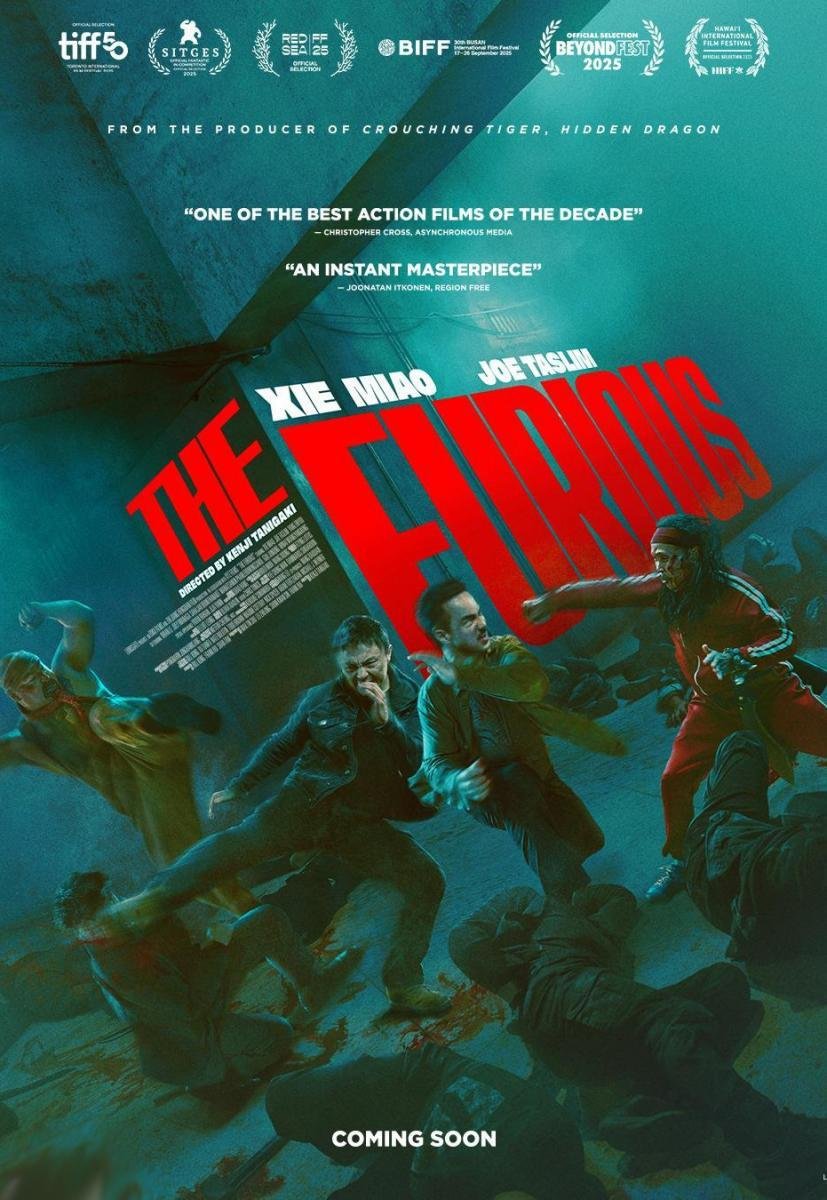

tweets_alternativos:
tweets_alternativos_en: []
Asian action cinema has spent decades serving as the antidote to Hollywood’s visual anemia, but The Furious feels like a lab experiment where someone tried to refine the purest DNA of mixed martial arts with the criminal stylization of old-school Hong Kong—only to forget to inject a single drop of sanity into the script. Kenji Tanigaki, the visceral director and legendary Japanese fight choreographer behind monumental sagas like Rurouni Kenshin, arrives with an enviable résumé as the modern king of on-screen physical impact. Yet here, he proves once again that mastering millimeter-perfect martial executions doesn’t automatically make you a maestro of dramatic pacing or restraint.
The Furious is the cinematic equivalent of a brakeless rollercoaster of martial arts and ballistics, but with a screenplay scribbled on a bloodstained napkin during breaks in a Bangkok shoot. The result? A film that oscillates between absolute physical awe and narrative yawns, as if the best of Hong Kong’s brawler cinema and a by-the-book crime melodrama had a bastard child in an editing bay obsessed with instant impact and overstuffed shots.
The industrial context of this production is flawless, which makes the final product all the more frustrating. Coproduced by the legendary Bill Kong through Edko Films (the powerhouse behind historical giants like Hero and Crouching Tiger, Hidden Dragon) and globally distributed by Lionsgate, The Furious was poised to be the genre’s new holy grail in theaters worldwide, uniting Hong Kong, Japanese, and Southeast Asian technical talent. The script, penned by Tin Shu Mak and Frank Hui, unfortunately reveals its autopilot mode the moment the film strays from pure action. The premise—a former special forces agent turned trader whose daughter is snatched off the street and must exhume his lethal military past by teaming up with a journalist—is so well-trodden we’ve seen variations of it everywhere, from Man on Fire to The Man from Nowhere. But the real crime isn’t the déjà vu plot; it’s how the film insists on slamming the brakes on adrenaline to remind you just how generic its story is, sabotaging climaxes with melodramatic transitions.
The Furious emerges in a cultural climate where Asian cinema is desperately clawing back global dominance in practical action against the West’s green-screen overkill. While recent productions prove visceral innovation is still possible, The Furious sometimes feels anchored in hollow spectacle: brutal chases, implacable villains with perfect poses, and a rhythm that screeches to a halt the second fists stop flying and characters attempt to justify their existence. The cinematography tries to lend a dark, stylized edge with neon-noir lighting indebted to the best of Asia’s red-light districts, but the narrative transitions’ editing muddies the technical sheen, leaving you with the sensation of watching a product fragmented into combat videoclips.
Then there’s the cast—a train wreck of performances where martial arts alone save the day. Mo Tse, playing the lethal protagonist thirsting for vengeance after his daughter’s kidnapping, demonstrates devastating physicality and robotic martial precision, though his emotional range suffers horribly in dramatic passages. On the opposite side, the hitmen and assassins move like caged beasts in their antagonistic roles. The martial chemistry between them and their allies is brutal, a genuine clash of physical titans where every blow feels real.
But if anyone steals the show every time they share the screen with the protagonist, it’s the charismatic Joe Taslim as Navin, the Thai journalist. The Indonesian actor (The Raid) elevates the film to another level: his movements are bloody poetry, his gaze lethal, and the mysticism he brings to the choreography ignites the screen amid the script’s lethargy. Beside him, the magnetic Jeeja Yanin delivers flashes of her indomitable martial talent and stage presence, though her character ultimately drowns in the criminal organization’s tangled subplots alongside Yayan Ruhian and Brian Le.
🎬 Direction: The Pace of a Hangover Snail Kenji Tanigaki directs The Furious like he’s rushing to the next action set. The editing in mundane scenes is chaotic, with a narrative tempo swinging between histrionic and catatonic. Transition scenes and expository dialogues could be excised entirely without harming the plot, exasperatingly slowing the protagonist’s journey. Tanigaki seems obsessed with hyperactive staging at all the wrong moments, as if he believes a film’s rhythm is measured solely in cuts per minute rather than the dramatic tension of the labyrinth he’s constructing.
The physical staging, by contrast, is spectacular but carelessly integrated into the narrative. The settings—from the humid back alleys of the suburbs to industrial complexes—are excellently captured by the camera, yet they feel like mere combat arenas in a video game rather than organic locations where a story unfolds. Tanigaki attempts to compensate for the script’s alarming lack of bite by stretching fights with aesthetic shots and close-ups of stunt performers’ faces, making the third act feel as exhausting as it is interminable for the audience’s ribs.
🎭 Actors: A Cast Lost in the Limbo of Overacting If there’s anything worse than a predictable script, it’s a cast wasted on dramatic fronts. Mo Tse plays this broken human weapon with the rigid intensity of an old-school action hero. His dramatic performance is weighed down by stiff dialogue; in scenes where he must convey devastation over his daughter’s loss and kidnapping, the script fails him completely, leaving him exposed. The rest of the cast chews the scenery with relish as villains, imbuing them with imposing physical presence, but the script dooms them to spout the same old criminal threats, stripping their menace of nuance.
The real issue, however, lies in the writing of the criminal network’s supporting characters. The Furious’s mobsters are so generic they seem plucked from a standard international action-thriller template. Jeeja Yanin and the backup hitmen do their best with purely functional roles, but their performances are suffocated by the lack of backstory. Only the pure martial magnetism of Joe Taslim and icons like Yayan Ruhian make their sequences feel alive and transcendent, operating as an oasis of charisma in a wasteland of insipid lines.
🛠️ Technical Department: When the Budget Shows (And Not in a Good Way) The Furious’s script is a textbook example of how to stall a modern action thriller. Tin Shu Mak and Frank Hui seem to have taken notes from the genre’s biggest hits of the last decade but, instead of synthesizing those influences into something with its own identity, they’ve built a predictable structure where every twist is telegraphed from a mile away. The criminals’ dialogue is flat and devoid of subtext, causing the plot to lurch between action set pieces.
The cinematography is, ironically, one of the most salvageable visual aspects if analyzed in isolation. Its use of color, gritty contrasts, and nocturnal mysticism is superb, but it clashes head-on with a direction that insists on oversaturating the screen. The production design and sets look colossal thanks to Edko’s financial backing, distancing themselves from any B-movie aesthetic, but the costumes err on the side of excessive homogeneity: dark trench coats, dark suits, and tactical leather, as if the design department bought in bulk for the entire stunt cast.
The editing is the film’s true Achilles’ heel: while the hand-to-hand combat sequences maintain clarity thanks to the immense physical prowess of Mo Tse, Joe Taslim, and the stunt performers, the chases and shootouts are so abruptly and rapidly cut that they shatter spatial continuity. The score swells and dips with crescendos that force an epicness the characters’ drama hasn’t earned, creating moments of unintentionally comedic emotional underscoring.
📊 Damage Report
👍 The Best - The choreography of Joe Taslim, Mo Tse, and the physical climax: The deployment of real martial arts when the stars collide on screen is pure Hong Kong action archaeology. Brutal, fluid, bloody, and millimetric. - The chiaroscuro visual craftsmanship: Impeccable cinematography filled with dirty neons, shadows, and Bangkok’s humid alleys, elevating the film’s industrial look above the genre’s average. - The sound design in combat: The impacts resonate in your bones; the crunch of joints and the sound design of the blows deliver an implacable punch that’s the director’s trademark. - Jeeja Yanin’s presence: Though underutilized in the script, her sheer presence, agility, and martial charisma are a reminder of the tremendous physical talent in today’s international scene.
👎 The Worst - The script by Tin Shu Mak and Frank Hui: A compendium of clichés, predictable twists, and flat dialogue that obliterates any hint of dramatic tension in favor of gratuitous slaughter. - The narrative pacing outside the fights: The film grinds to a halt every time characters attempt to talk, gaze gravely into the distance, or develop the hackneyed kidnapped-daughter plot. - The abuse of dramatic effectism: Used to stretch emotional moments that feel artificial, unnecessarily padding the runtime between slaughters. - The general dramatic direction: Proof that being one of the planet’s best purveyors of gritty action doesn’t automatically translate to handling a commercial feature’s internal narrative and restraint. - The score: Pompous, invasive, and hell-bent on dictating exactly what the audience should feel in every long take instead of letting the images breathe.
💀 The Verdict of Claqueta Ácida The Furious is that bizarre cinematic creature born when you have a $20 million budget, a top-tier technical crew, and the biggest martial beasts of the moment under Edko Films and Bill Kong’s banner—but you completely forget to write a story with a soul to justify the spectacle. It’s not an absolute disaster, because watching Mo Tse and Joe Taslim break limbs on screen remains a formidable visual feast for any adrenaline junkie. But it falls far short of the instant classic it promised on paper.
Kenji Tanigaki proves his hands are golden when it comes to designing carnage and physical chaos, but his grip falters when steering the suspense and empathy. If you’re after two hours of acrobatics, bloody choreography, and brutally well-filmed fights, you’ll leave the theater sated. But if you were hoping for an action thriller with the depth, soul, and impact of modern Asian cinema’s greatest references, The Furious will leave your eyes wide open to the impacts—but your heart stone cold. ⬇️
🎬 Tráiler Oficial
Abrir en YouTube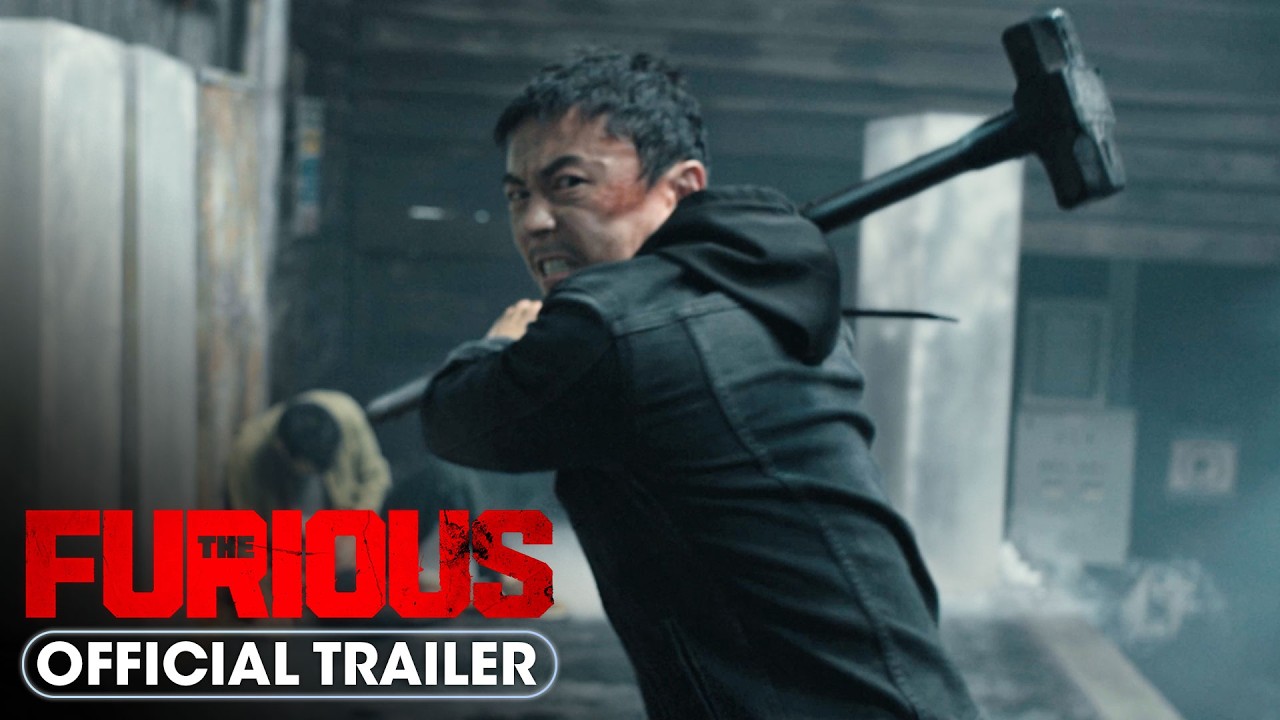
Ending Explained: The Furious
Ficha de Daños Colaterales en Sala
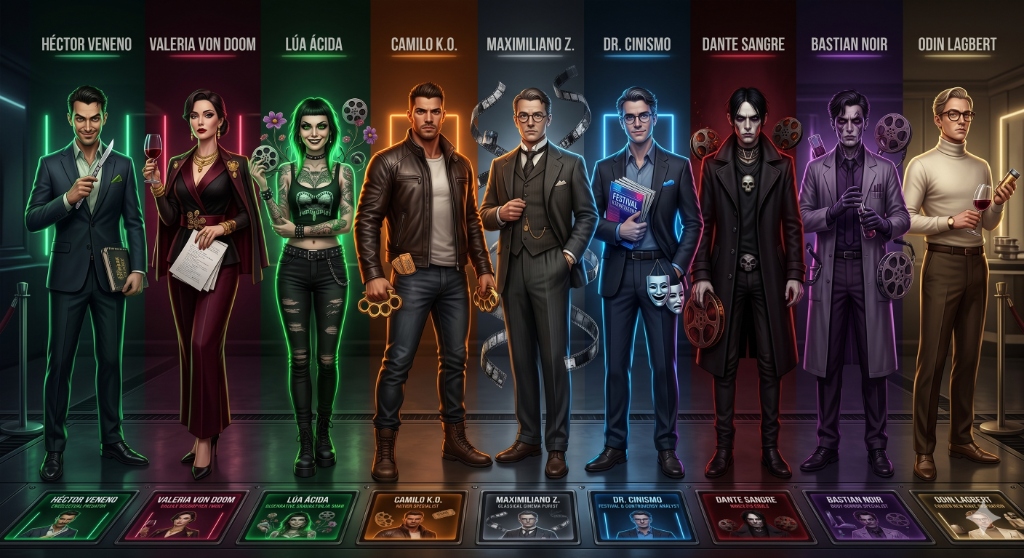
Certificado de impacto psicofísico emitido por Odin Lagbert
1 amago en el tramo intermedio; pestañeo pesado en las transiciones más innecesarias.
Minuto 40 y minuto 88 (comprobando cuánto quedaba de suplicio).
2 espressos para no dejarse vencer por la mediocridad cómoda.
"A mitad del segundo acto cuando la subtrama secundaria empezó a pesar más de lo que aportaba."
💬 El Veredicto de la Comunidad
¿Qué te ha parecido la película? Deja tu nota de 0 a 10 para contrastarla con el análisis de la redacción.
Aún no has votado
📢 ¿Te ha gustado el ácido?
Comparte esta crítica con tus amigos cinéfilos o desata la polémica en redes.
⚡ THE CINEMATIC VENOM YOUR INBOX CRAVES
No sugarcoated ratings, no corporate fluff. Subscribe for our uncensored weekly analysis or join the private Telegram for press previews, poll clashes, and instant alerts.
Alertas de estrenos en 1 segundo, encuestas en caliente y audios al salir de pases de prensa.
Recibe la dosis semanal en tu mail + regalo inmediato del PDF con 50 joyas ocultas de culto.
Related Reviews
Recommended autopsies for demanding film buffs.
 ⚡ Ácido Cítrico7.1
28 años después
⚡Afinidad temática directa en atmósfera, estilo y fijaciones visuales.
Una secuela que huele a podrido desde el primer fotograma. Garland y DaCosta intentan revivir el género, pero el resultado es un KO técnico disfrazado de obra maestra.
 ⚡ Ácido Cítrico5.8
**A Serbian Film: The Snuff That Thought It Was Art (and Ended Up a High-School Nightmare)**
⚡Afinidad temática directa en atmósfera, estilo y fijaciones visuales.
**Srđan Spasojević serves up a depravity feast swinging between gratuitous shock and social commentary. Genius or pretentious trash? Claqueta Ácida dissects it with surgical precision.**
 ⚡ Ácido Cítrico6.0
Adolescence, Sex, and Death at Camp Miasma: The Slasher That Reeks of Teen Sweat and a Recycled Script
⚡Afinidad temática directa en atmósfera, estilo y fijaciones visuales.
Jane Schoenbrun turns a summer camp into a dumpster fire of hormones and clichés. Art or autopsy of a dying subgenre?
Editorial Ecosystem
Cinephile connections, archive interviews and related analyses.
💬 Debate Cinéfilo & Autopsia de Lectores
0 veredictos¿Discrepas con nuestra nota? ¿Es una obra maestra o veneno puro? Deja tu veredicto abajo sin necesidad de registro.

Aún nadie ha dejado su veredicto para esta película.
Sé el primero en clavarle el colmillo rellenando el formulario de arriba.