Ending Explained: Sleepers
When Hell Has a Name and a Surname
💡 How does Sleepers end?
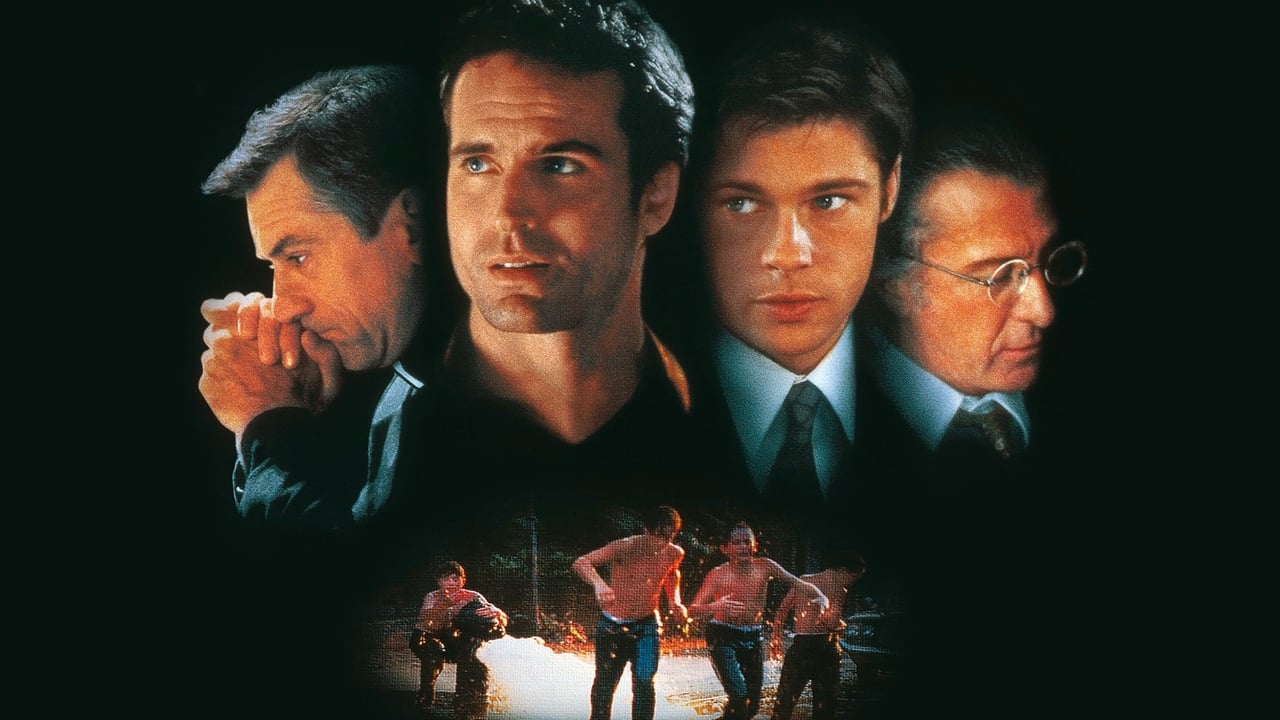
At the end of Sleepers, the jury acquits John and Tommy thanks to Father Bobby's testimony. Years later, the friends scatter: Shakes stays in the neighborhood, Michael moves to England, John dies of alcoholism, and Tommy is murdered.
What happens at the end
In the courtroom, Michael, now a district attorney, ensures that the case against Nokes's murderers falls under his control. With the help of Benny, the neighborhood's old thug, and Danny Snyder, an alcoholic lawyer who agrees to take the defense, a strategy is built based on witness intimidation and evidence tampering. The eyewitness, Mrs. Salinas, has her credibility undermined by Snyder; two additional witnesses are silenced by Benny's pressure. Ferguson, the former guard turned social worker, is called to the stand and, under Snyder's cross-examination, confesses to the systematic abuse at Wilkinson before his testimony is stricken from the record and he is ordered to remain in town for questioning.
At the same time, Shakes provides the police with compromising information about corrupt officer Styler, leading to his conviction for bribery and the murder of a drug dealer. Using that same information, it is revealed that politician Addison, who had abused children, is murdered by hitmen working for Eddie “Little Caesar” Robinson, Rizzo's older brother. Father Bobby, upon learning of the horrors experienced at the reform school, agrees to commit perjury and testifies that John and Tommy were with him at a Knicks game on the day of the murder, presenting three ticket stubs as evidence. The jury, with no further doubts, acquits the two men.
Following the verdict, the four friends reunite in a Hell's Kitchen bar along with Carol. They toast to their legal victory while Shakes narrates that this will be the last time they are ever together. In the years that follow, Shakes stays in the neighborhood and becomes an apprentice reporter; Michael leaves the DA's office, moves to the English countryside, and never marries; John dies before the age of thirty from alcohol poisoning; Tommy is murdered by rival criminals; and Carol remains a social worker, naming her son “Shakes” in honor of her friend.
What it means
The final twist—the acquittal of the killers through perjury and judicial manipulation—dismantles the illusion of retributive justice. Instead of a court that recognizes childhood trauma, the film shows how street power, criminal loyalty, and institutional corruption can rewrite the truth. Father Bobby's testimony, backed by basketball game ticket stubs, functions as a symbol of the falsehood the system is willing to accept when it suits its allies.
At the same time, the conclusion suggests that revenge does not restore what was lost; the protagonists survive the trial, but their lives disintegrate into alcohol, premature death, and exile. Shakes's final line, announcing their definitive separation, underscores the impossibility of closing the circle of abuse: the trauma persists, even though the crime goes unpunished. The film, with its cynical tone, denounces the complicity of a society that prefers to "forget" children's suffering rather than dispense real justice.
What is left open
The film does not clarify whether Shakes will ever directly confront his past beyond the final narration, nor how the Hell's Kitchen community processes the disappearance of its most violent figures. The future of Carol's son, who bears the name Shakes, remains up in the air, leaving the question of whether the new generation will be able to break the cycle of violence that marked their predecessors.


As an Amazon Associate, Claqueta Ácida earns from qualifying purchases.
🎬 Official Trailer
Abrir en YouTube
More endings explained
- The Bay: ending explained
- Insidious: ending explained
- Snatch: Dogs and Diamonds: ending explained
- Living Cemetery: ending explained
- The Shawshank Redemption: ending explained
- Cape Fear: ending explained