The Departed — Scorsese Plays Chess with Rats and We All Lose
Scorsese delivers a rat-infested thriller where Boston reeks of cheap whiskey and betrayal. Nicholson steals the show, DiCaprio sweats ink, and Damon grins like a psychopath. A masterpiece with an expiration date: never.


The Departed: full review


Some films reek of gunpowder and whiskey from the very first frame. The Departed is one of them. Martin Scorsese, that old sea wolf who’s spent decades navigating Hollywood’s shark-infested waters, decided in 2006 it was time to play chess with rats. And oh, did he ever. A loose adaptation of Infernal Affairs (2002), the Hong Kong thriller that proved the mole game could be addictive, The Departed doesn’t just surpass its predecessor—it buries it with honors, as if Scorsese had decided Boston deserved its own Dantean inferno. And oh, did he deliver. The city, cold and damp, becomes a character in its own right, a labyrinth of cobblestone streets where every corner hides a betrayal and every bar stinks of stale beer and rotten secrets. It’s no coincidence the film opens with a quote from John 8:32: «The truth shall set you free.» Spoiler: nobody here gets freed. They all end up with a bullet in the back of the head or a knife in the spine, while Scorsese cackles from his director’s chair like a cruel god enjoying the spectacle of his creations destroying each other.
The shoot was a controlled hell. Scorsese, obsessed with authenticity, chose to film in real Boston locations, including Chinatown, where Frank Costello’s (Jack Nicholson) Irish mob had run rampant decades earlier. The director, who had already proven in Goodfellas (1990) and Casino (1995) that he knew how to depict organized crime like no one else, wanted The Departed to smell like sweat, fear, and dirty money. And oh, did he succeed. The scenes in the police precinct, with its narrow hallways and flickering fluorescents, ooze a claustrophobia that clings to your skin. Meanwhile, Costello’s dens, bathed in red and blue lights straight out of a 70s brothel, are the perfect stage for Nicholson to unleash his arsenal of lascivious stares and razor-sharp one-liners. The actor, in one of his last great roles, devours the screen like a rare steak. Every time he opens his mouth, it’s as if the devil himself decided to drop a pearl of wisdom. «I want what’s coming to me», he snarls at DiCaprio at a pivotal moment. And you can’t help but think: Good God, this man is evil incarnate.
But The Departed wouldn’t be what it is without its ensemble cast. Leonardo DiCaprio, as Billy Costigan—the undercover cop infiltrating the mob—sweats ink in every scene. This isn’t actorly perspiration; it’s the sweat of a man trapped in a game he can’t escape alive. DiCaprio, who had already worked with Scorsese on Gangs of New York (2002), proves here why he’s one of the greats: his Billy is a bundle of nerves, a guy cracking under the pressure while trying to keep it together. On the other side of the chessboard, Matt Damon plays Colin Sullivan, Costello’s mole in the police. Damon, Hollywood’s golden boy until then, reinvents himself as a psychopath with an angel’s smile. His Colin is cold, calculating, a man who grins while plunging a knife into your ribs. And then there’s Mark Wahlberg, who walks away with the best supporting actor prize as Sergeant Dignam, a testosterone-fueled hurricane of bad temper who seems plucked from one of Scorsese’s nightmares. Every time Wahlberg steps on screen, it’s like someone opened a window in a smoke-filled room: the air becomes breathable, but also more dangerous.
William Monahan’s script, based on the film by Andrew Lau and Alan Mak, is a perfectly oiled machine. Every line rings true, every twist is calculated to the millimeter. Monahan, who won an Oscar for this work, proves he knows how to write complex characters without falling into black-and-white morality. There are no heroes here, only rats trying to survive in a world where loyalty is a currency. The film’s structure, with its time jumps and parallels between Billy and Colin, is a masterclass in narrative precision. Scorsese, who had already shown in Goodfellas that he knew how to edit a scene to make the audience feel the vertigo of the fall, takes it to another level here. The moment Billy and Colin cross paths in an elevator, unaware they’re enemies, is a masterstroke of pure tension, a gut-punch that leaves you breathless. And then there’s the ending, that bloodbath straight out of a Greek tragedy. Scorsese shows no mercy to his characters—or the audience. When the screen fades to black, you can’t help but feel you’ve witnessed something monumental, something filthy and brilliant at the same time.
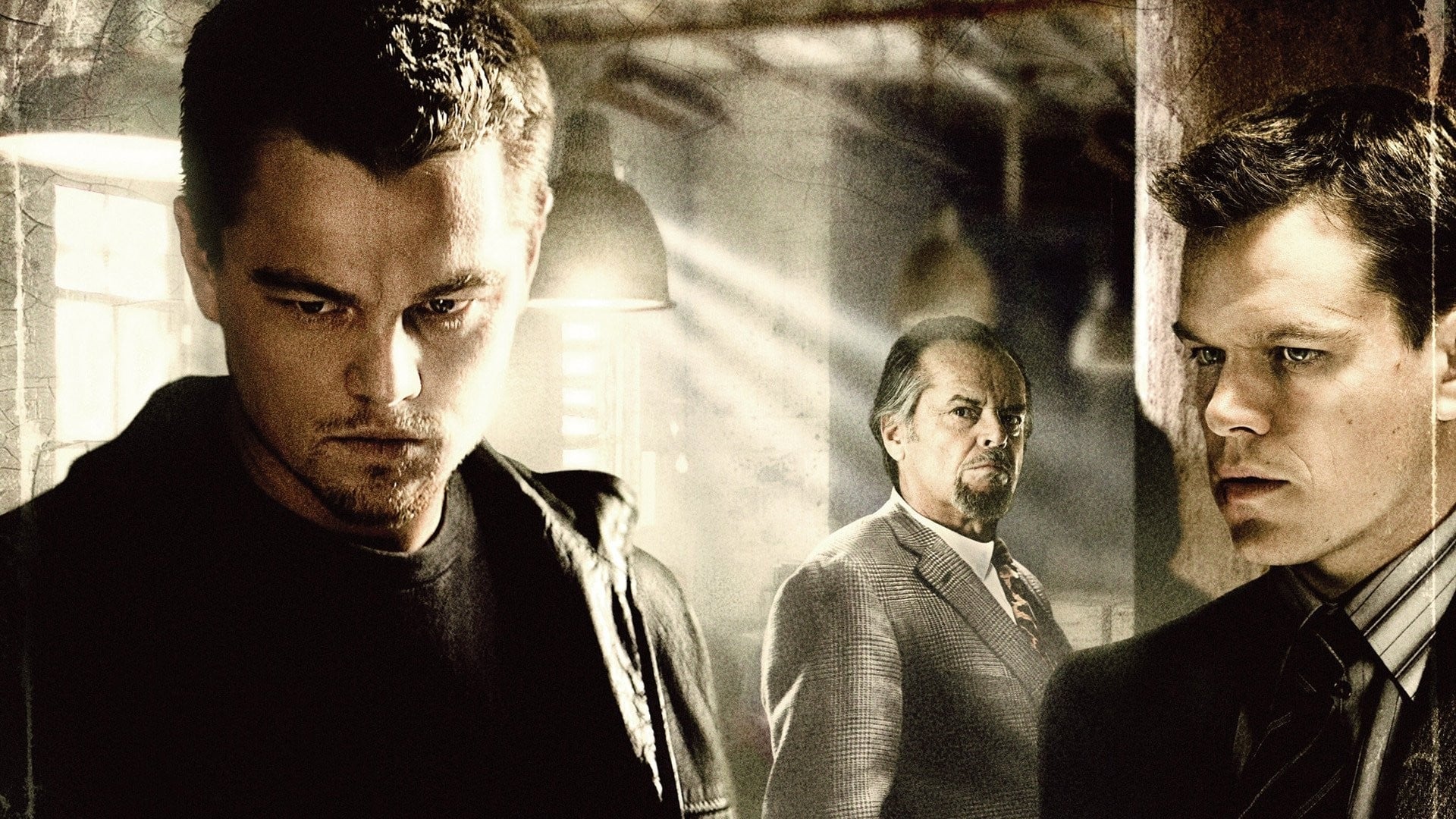
Direction and Mise-en-Scène: Scorsese in His Prime
Scorsese doesn’t direct The Departed—he conducts it. Every shot, every camera movement, every shift in rhythm is calculated to keep the audience teetering on the edge of the abyss. The director, who had already proven in Taxi Driver (1976) and Raging Bull (1980) that he knew how to create oppressive atmospheres, takes his style to new heights here. Michael Ballhaus’s cinematography, a frequent Scorsese collaborator, is a chiaroscuro marvel. The police precinct scenes are bathed in a cold, bluish light that makes you feel like you’re trapped in a refrigerator. Meanwhile, Costello’s dens, with their red and gold lighting, seem plucked from a fever dream. Scorsese plays with colors like a painter obsessed with decay: the red of blood, the blue of the police, the gold of corruption. And then there’s the editing, that frenetic rhythm that drags you along like a current and doesn’t let go until the final frame. The apartment shootout sequence, with its mix of quick cuts and jarring camera movements, is a perfect example of how Scorsese turns violence into something almost poetic.
But what truly makes The Departed great is its ability to portray moral ambiguity. Scorsese doesn’t judge his characters; he shows them as they are: broken men trapped in a game they can’t win. Billy and Colin aren’t heroes—they’re victims of a system that’s turned them into monsters. And Costello, that devil in a trench coat, is nothing more than a product of his time, a man who’s decided that if the world’s a sewer, he’ll be the king of the rats. Scorsese, who had already explored human duality in The King of Comedy (1982) and The Last Temptation of Christ (1988), takes that obsession to its peak here. The rooftop scene where Billy and Colin meet, with Boston sprawling beneath them like a chessboard, is pure cinema. Two men, two fates, one game. And Scorsese, like a cruel god, decides who lives and who dies.
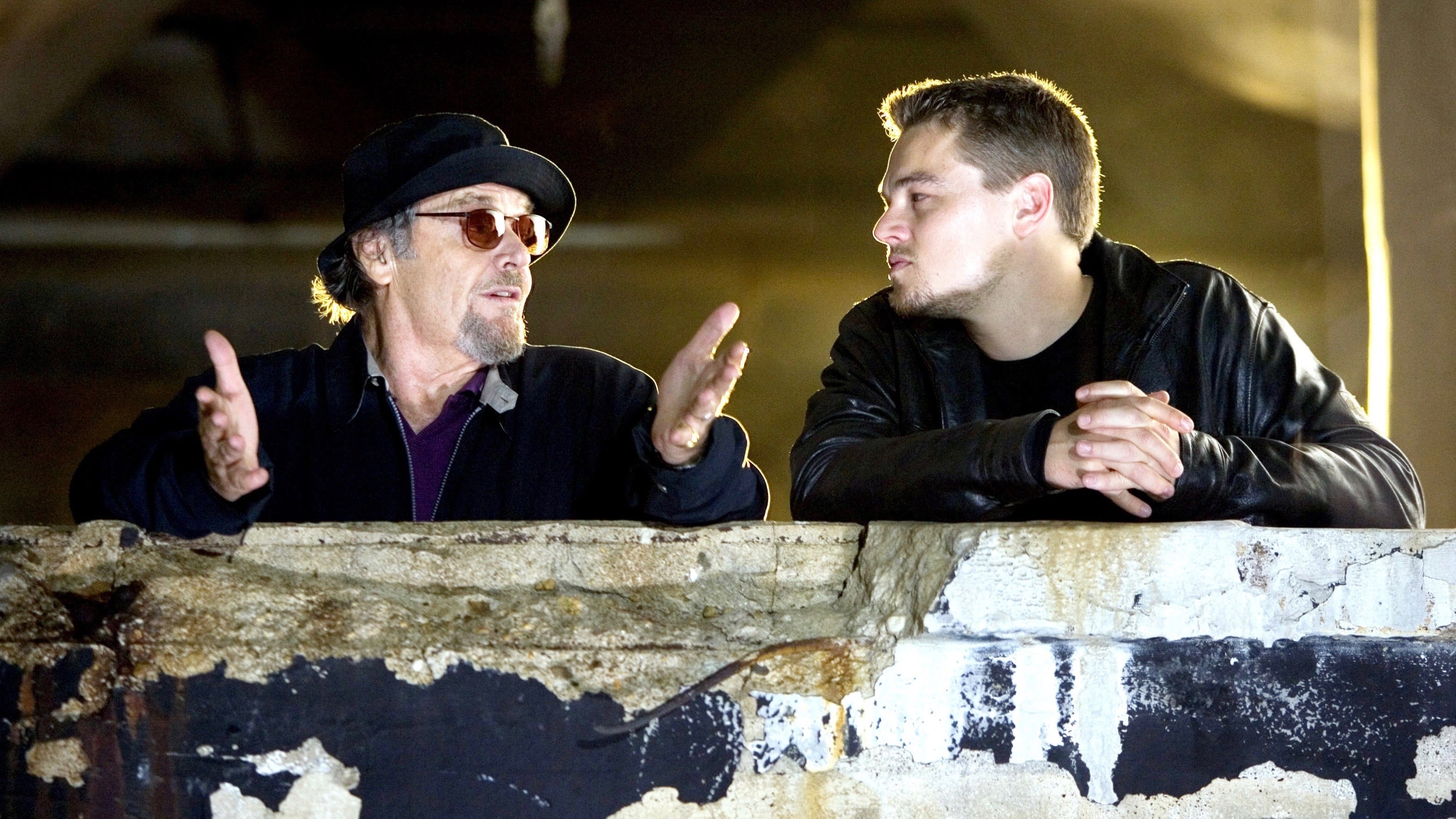
Performances: A Cast That Devours the Screen
Jack Nicholson is Frank Costello. He doesn’t play the character—he consumes him. Every time he appears on screen, it’s as if the devil decided to pay Boston a visit. Nicholson, who had already proven in The Shining (1980) and Batman (1989) that he knew how to steal scenes, takes his style to new heights here. His Costello is a man who revels in power, laughs at the police, and treats his men like toys. «I want what’s coming to me», he tells DiCaprio at a key moment. And you can’t help but feel that «coming to me» includes not just the money, but the souls of everyone around him. Nicholson doesn’t act—he possesses. Every glance, every gesture, every line of dialogue is laced with a malice that feels real. It’s as if Scorsese captured the devil in a bottle and unleashed him on Boston.
But The Departed wouldn’t be the same without Leonardo DiCaprio and Matt Damon. DiCaprio, as Billy Costigan, proves why he’s one of the great actors of his generation. His Billy is a broken man, a guy who’s sold his soul to the police and knows there’s no turning back. DiCaprio conveys that desperation with an intensity that hurts. Every time the phone rings, every time he gets a call from Costello, it’s as if he knows his end is near. And then there’s Matt Damon, who reinvents himself as Colin Sullivan, Costello’s mole in the police. Damon, Hollywood’s golden boy until then, shows here that he can be as cold and calculating as the best villain. His Colin is a man who smiles while stabbing you in the back, a badge-wearing psychopath who enjoys the game. The chemistry between DiCaprio and Damon is electric, a battle of glances and silences that keeps the audience on edge until the final frame.
And then there’s Mark Wahlberg. His Sergeant Dignam is, without a doubt, the film’s funniest and most terrifying character. Wahlberg, who had already proven in Boogie Nights (1997) and The Fighter (2010) that he knew how to steal scenes, takes his style to new heights here. Dignam isn’t a character—he’s a force of nature. Every time he opens his mouth, it’s like dropping a bomb. «You know what a rat is? It’s a guy who gets into your house and steals your fucking food», he snarls at DiCaprio at a key moment. And you can’t help but laugh, even though you know that kind of dark humor is what makes The Departed great. Wahlberg doesn’t act—he bulldozes. He’s the perfect counterpoint to Nicholson’s darkness and DiCaprio’s desperation.
The best
- Jack Nicholson’s performance: Costello isn’t a villain—he’s the devil in a trench coat. Nicholson devours the screen with every line, every glance, every gesture. It’s impossible to look away when he’s on screen. A magnetic monster.
- William Monahan’s script: Every line rings true, every twist is calculated to the millimeter. Monahan turns a mole story into a study of moral ambiguity. There are no heroes, only rats trying to survive.
- Michael Ballhaus’s cinematography: The chiaroscuro, the saturated colors, the light that seems plucked from a fever dream. Ballhaus turns Boston into a character in its own right, a labyrinth of betrayals and secrets.
- The editing: Scorsese and his editor, Thelma Schoonmaker, create a frenetic rhythm that drags you along like a current. The apartment shootout sequence is a perfect example of how to turn violence into something almost poetic.
- Mark Wahlberg as Dignam: A hurricane of testosterone and bad temper. Wahlberg steals every scene he’s in, turning Dignam into the most memorable character after Costello.
The worst
- Some predictable twists: Though the script is brilliant, there are moments when the audience can see the end coming. The elevator scene, for example, is so tense you can almost smell the finale.
- Vera Farmiga’s character: Madolyn, the psychiatrist, is the weakest link in the cast. Farmiga does her best, but her character feels like she’s from another movie, as if Scorsese didn’t quite know what to do with her.
- Excessive gratuitous violence: Some scenes, like the informant’s murder in the cinema, feel more like a stylistic exercise than a narrative necessity. Scorsese sometimes gets carried away by his love for gore.
- The overly abrupt ending: After two and a half hours of tension, the climax hits like a bucket of ice water. It’s not bad, but you expect something more... epic, perhaps.
The Verdict of Claqueta Ácida
The Departed is one of those films that leaves you breathless, heart in your throat, feeling like you’ve witnessed something monumental. Scorsese turns Boston into a hellscape of betrayal, whiskey, and death stares. Nicholson is the devil in a trench coat, DiCaprio sweats like his life depends on it, and Damon grins like he knows something we don’t. The script is a perfectly oiled machine, the cinematography a chiaroscuro marvel, and the editing a masterclass in narrative precision. There are moments when you can’t help but think you’re watching a masterpiece. And then there’s the ending, that bloodbath that leaves you speechless. 💀
🎬 Tráiler Oficial
Abrir en YouTube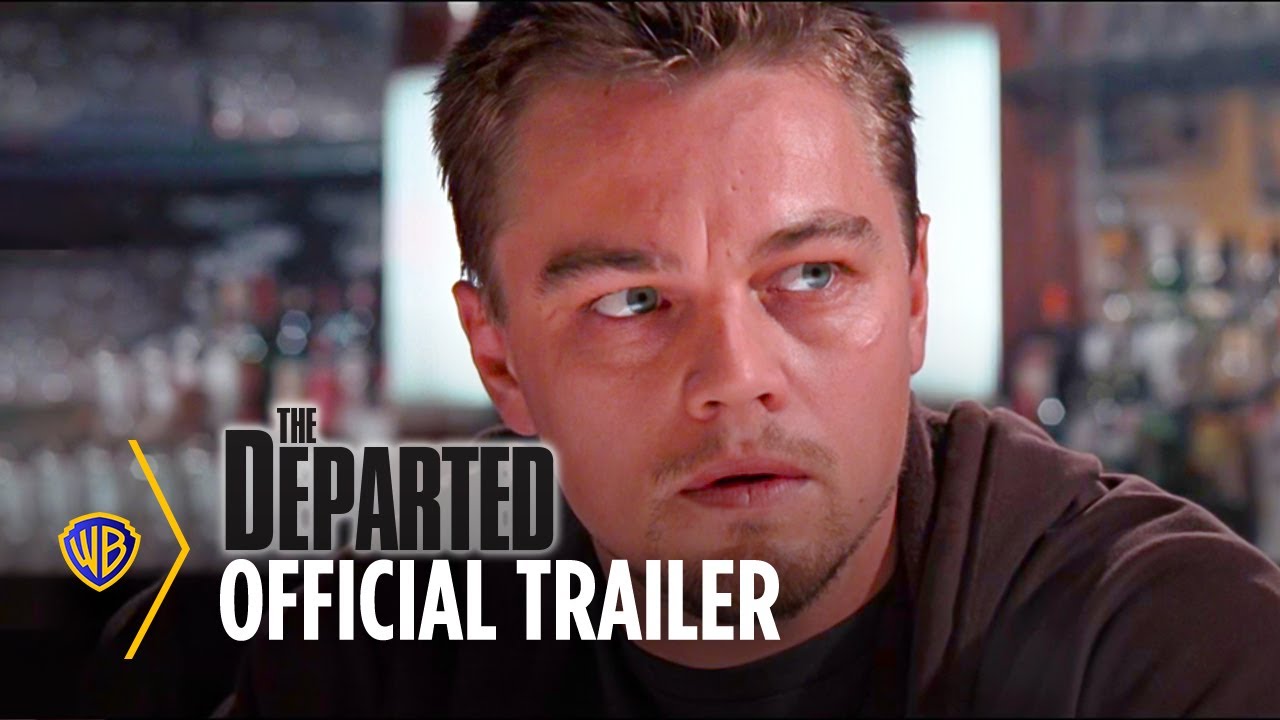
The Departed: frequently asked questions
- What is the rating of "The Departed" on Claqueta Ácida?
- "The Departed" scored 9.2/10 on Claqueta Ácida in the review by Valeria Von Doom.
- Is "The Departed" worth watching?
- Yes. We gave it 9.2/10 (Nuclear Fusion), our rating for must-see films.
- Who directed "The Departed"?
- "The Departed" was directed by Martin Scorsese.
Theater Collateral Damage Report
Psychophysical impact certificate issued by Valeria Von Doom
Ni un solo parpadeo voluntario. El asiento, inusualmente cómodo.
Ni una sola mirada al móvil.
Ninguna. Esta obra no necesita muletas estimulantes.
"Inexistente: pulso de hierro hasta los créditos finales."
💬 Community Verdict
What did you think of the film? Rate it from 0 to 10 to compare it with the editorial review.
You haven't voted yet
📢 ¿Te ha gustado el ácido?
Comparte esta crítica con tus amigos cinéfilos o desata la polémica en redes.
⚡ THE CINEMATIC VENOM YOUR INBOX CRAVES
No sugarcoated ratings, no corporate fluff. Subscribe for our uncensored weekly analysis or join the private Telegram for press previews, poll clashes, and instant alerts.
Alertas de estrenos en 1 segundo, encuestas en caliente y audios al salir de pases de prensa.
Recibe la dosis semanal en tu mail + regalo inmediato del PDF con 50 joyas ocultas de culto.
Related Reviews
Recommended autopsies for demanding film buffs.
 🔥 Fusión Nuclear 9.2
 *Taxi Driver*: Scorsese Films New York’s Sewers with Neon Poetry
⚡ Del mismo director (Martin Scorsese): analiza la evolución o degradación de su estilo.
An in-depth review of *Taxi Driver* (1976), Martin Scorsese and Paul Schrader’s masterpiece. A feverish descent into urban alienation, concealed firearms, and sleepless nights.
 🔥 Fusión Nuclear 8.5
 "Raging Bull: The Review That’ll Knock the Wind Out of You"
⚡ Del mismo director (Martin Scorsese): analiza la evolución o degradación de su estilo.
A devastating takedown of *Raging Bull*. What’s in store for you?
 🔥 Fusión Nuclear 9.3
 GoodFellas: Scorsese Reminds Us the Mafia Is the Last American Dream Standing
⚡ Del mismo director (Martin Scorsese): analiza la evolución o degradación de su estilo.
Scorsese delivers a brutal portrait of the mob where crime doesn’t pay—but at least it makes you feel alive. Or so you think, until paranoia gnaws you down to the bone.
Editorial Ecosystem
Cinephile connections, archive interviews and related analyses.
🎞️ In Claqueta Cinematheque 3
💬 Debate Cinéfilo & Autopsia de Lectores
0 veredictos¿Discrepas con nuestra nota? ¿Es una obra maestra o veneno puro? Deja tu veredicto abajo sin necesidad de registro.


Aún nadie ha dejado su veredicto para esta película.
Sé el primero en clavarle el colmillo rellenando el formulario de arriba.