The Shining — A Descent into the Abyss
Kubrick drags us to the Overlook, where madness and terror take the wheel—no ghosts required.

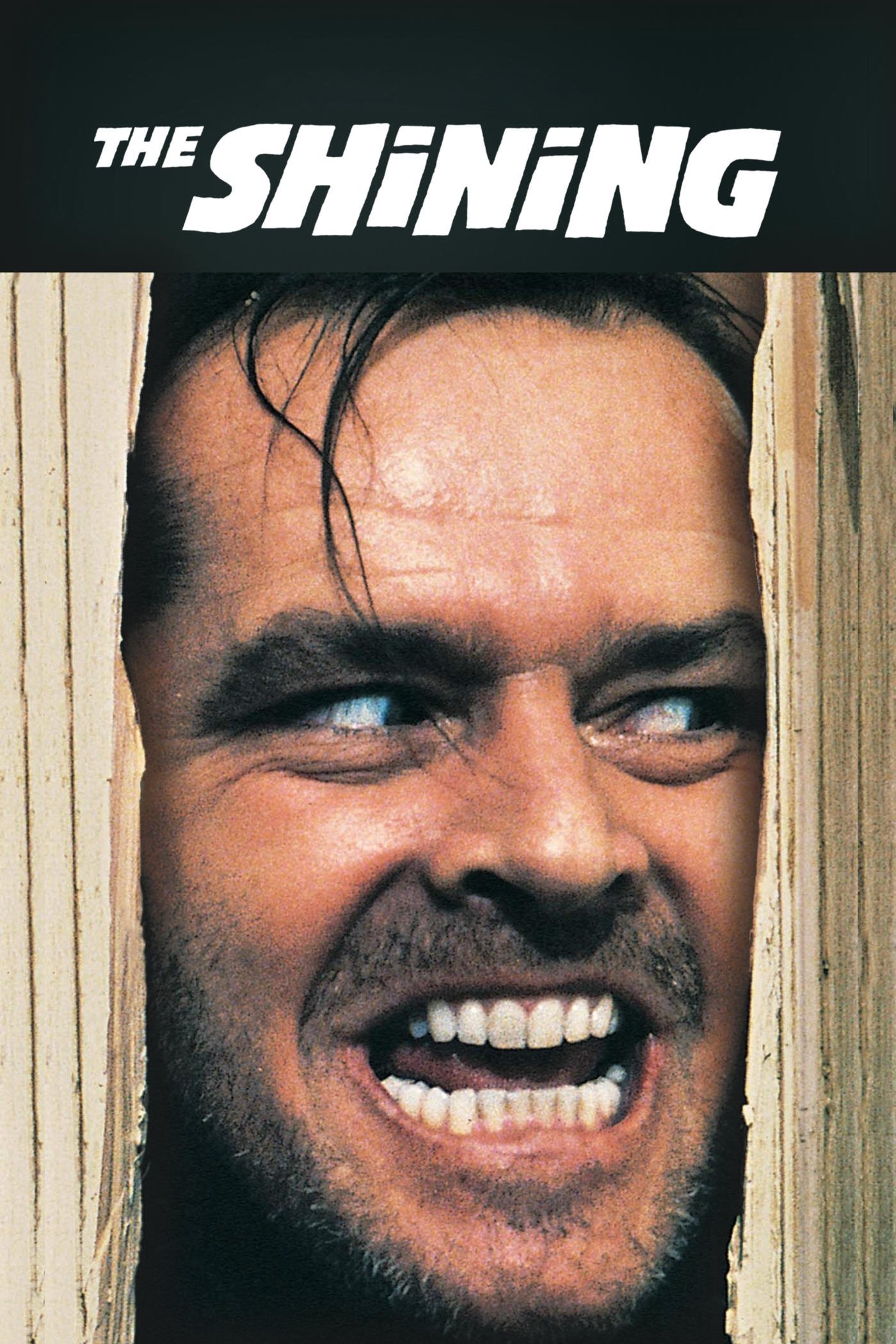


The Shining isn’t a horror movie. It’s a real-time autopsy of the human mind, filmed with the surgical precision of a director who despised the genre as much as he mastered it. Stanley Kubrick, that guy who turned space into a frozen hell in 2001-una-odisea-del-espacio-kubrick-y-el-monolito-que-nos-dejo-mudos" class="text-amber-400 font-black hover:text-amber-300 transition underline decoration-amber-500/40 hover:decoration-amber-300" title="[9.3/10 🔥 Fusión Nuclear] Lee nuestra autopsia de «2001»" data-acid-interlink="2001-una-odisea-del-espacio-kubrick-y-el-monolito-que-nos-dejo-mudos">2001 and war into a grotesque ballet in Full Metal Jacket, here decides the real monster isn’t a ghost—it’s loneliness, booze, and a hotel with too much memory. Based on Stephen King’s novel—which, by the way, the author hates this adaptation with the same fervor fans worship it—The Shining is that rare case where the mental remake you craft years later eclipses the original experience. And that, dear readers, is either a fucking miracle or a curse. You decide which after watching it three times in a row at 3 AM with the lights off and the volume maxed, as God intended.
The Overlook Hotel isn’t a set. It’s a living organism, a labyrinth of breathing hallways, hypnotic carpet patterns, and rooms that shift like the building’s had one too many. Kubrick films it with such long, meticulous takes that you’re forced to feel every second of that claustrophobic isolation. The opening sequence—that aerial tracking shot following the Torrances’ car along a serpentine road while Wendy Carlos and Rachel Elkind’s score turns the landscape into an omen—is pure cinematic sorcery. No dialogue, no cheap scares, just the ominous hum of synthesizers and the creeping dread that this car will never reach its destination. Spoiler: it doesn’t. Because in this film, destination is a trap.
Jack Nicholson doesn’t play Jack Torrance. He inhabits him like a virus, with a smile that starts charming and ends as the grimace of a predator who’s caught the scent of your fear. His performance is a masterclass in dismantling a character without letting the audience look away. The moment he axes through the bathroom door screaming that iconic “Here’s Johnny!” isn’t just a jump scare—it’s confirmation that the man you loved as a father and husband is gone. Nicholson does it so well it’s almost pitiful when, in the climax, he wanders into the snow maze like a lost child. But let’s not kid ourselves: that guy out there isn’t Jack anymore. He’s the Overlook using his body like a puppet. And Kubrick, that bastard, makes us feel sorry for him. That’s art, folks. That’s terror in its purest form.
Wendy Torrance, played by Shelley Duvall, is the other side of this broken coin. Her performance has been criticized as “too histrionic,” but her character isn’t designed for subtlety. Wendy is a woman trapped in a toxic marriage, in a cursed hotel, with a son who sees things he shouldn’t and a husband who turns into a monster before her eyes. Duvall plays her with a fragility that borders on unbearable, as if she knows the floor beneath her will vanish any second. And vanish it does. The scene where she bolts upstairs with a baseball bat, her ragged breathing and Jack’s axe blows filling the silence, is one of the most agonizing sequences in horror cinema. No music, no quick cuts—just the sound of her fear and ours. Kubrick psychologically tortured her during filming—yes, the director was a sadist with his actors—but the result is a performance so real it hurts. Literally. It hurts to watch her suffer, hurts to recognize her terror as our own.
Danny Lloyd, the kid playing Danny Torrance, is the beating heart of this nightmare. At just six years old, he achieves something few adult actors can: conveying terror without saying a word. His “shining”—that psychic ability to see the Overlook’s past and future—manifests in lost stares, uncomfortable silences, and that scene where he talks to his finger, Tony, like he’s his only friend in the world. The sequence where he rides his tricycle down the hotel halls, the camera stalking him at floor level like a predator, is as simple as it is brilliant. No special effects, no jump scares—just the sound of wheels on carpet and the creeping dread that something’s about to appear behind him. And something always does.
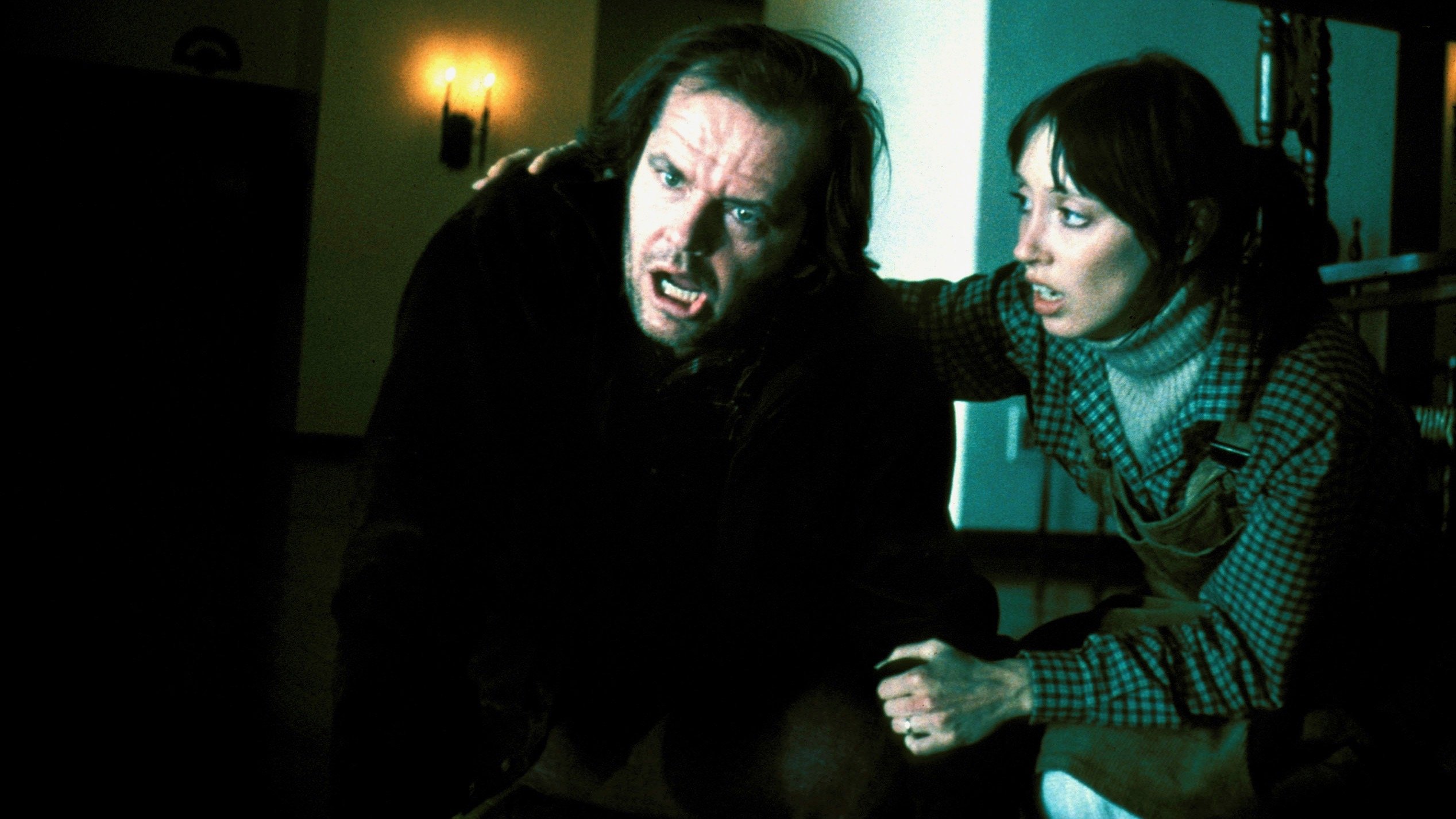
Direction and Mise-en-scène: Kubrick, the Puppeteer
Stanley Kubrick didn’t direct movies. He dissected them. And in The Shining, his scalpel is so sharp every frame feels like a moving autopsy. His use of the Steadicam—an innovation allowing fluid, stable camera movements—becomes a tool of psychological terror. Danny’s tricycle sequence is the perfect example: the camera follows so closely you can almost feel the Overlook’s breath on your neck. But it’s not just the movement that terrifies—it’s what doesn’t move. Kubrick was a master of static shots, of compositions that feel like living paintings. The image of Jack slumped over his typewriter, a mountain of blank pages beside him, is so symbolic it aches. It’s the visual representation of madness: a man obsessed with writing a novel that will never exist, trapped in a cycle of repetition and violence.
The production design, by Roy Walker, is another pillar of the film. The Overlook is packed with details that, upon repeat viewings, reveal its sinister nature. The carpets with geometric patterns that seem to shift when you blink, the hallways stretching like veins in a diseased body, the rooms that rearrange themselves like the hotel’s alive. Kubrick wanted the space to feel oppressive, and he succeeded. Every corner of the Overlook breathes malice, from the golden bathroom of Room 237 to the snow maze—which, ironically, is the only place the characters can escape. Or at least try.
John Alcott’s cinematography is, quite simply, a masterpiece. Kubrick and he worked with natural light whenever possible, giving the film a raw, realistic look. The night scenes, lit only by lamps and the glow of snow, have a dreamlike quality that makes them even more unsettling. Then there are those wide shots of the hotel, isolated in the middle of nowhere, like a beacon of madness in a sea of white. Alcott also plays with color: the Overlook’s reds and golds contrast with the blues and whites outside, creating a visual palette that reinforces the idea that the hotel and the outside world are two opposing realities. One embraces you. The other devours you.
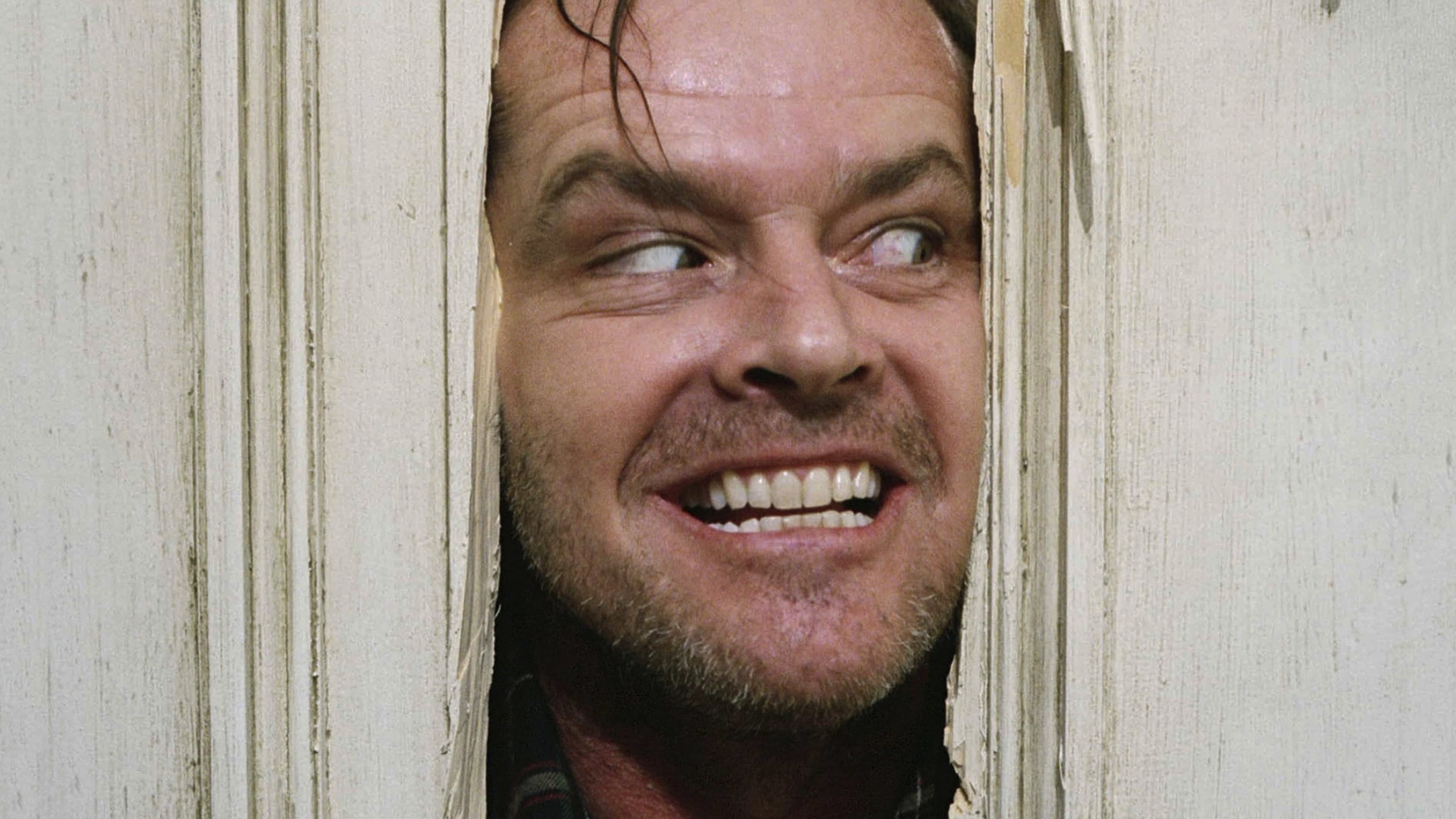
Performances: Nicholson and Duvall, the Yin and Yang of Terror
Jack Nicholson needs no introduction. He’s one of those stars whose name alone evokes a certain controlled madness, a dangerous charisma. But in The Shining, Nicholson takes his performance to another level. It’s not just that he plays a man going insane—he makes us believe the insanity was always there, lurking, waiting for the right moment to surface. His crooked smile, arched eyebrows, that glint in his eyes that says I know something you don’t... Nicholson turns every scene into a spectacle of psychological manipulation. And the best part? He never overacts. Even in the most intense moments—like when he chases Wendy with an axe—there’s an elegance to his violence, as if Jack Torrance were a dancer performing a macabre ballet.
Shelley Duvall, on the other hand, is the perfect counterpart. If Nicholson is fire, she’s the ice cracking under pressure. Her performance is a lesson in conveying terror through vulnerability. Wendy isn’t an action hero; she’s an ordinary woman trapped in a situation way beyond her, and Duvall plays her with a rawness that hurts. The scene where she discovers Jack’s manuscripts—thousands of pages with the same sentence repeated over and over—is a breaking point. No screams, no histrionics, just the silence of someone realizing her life is a lie. And then there’s that look, that moment when Wendy realizes her husband isn’t her husband anymore. It’s chilling.
Danny Lloyd, despite his young age, achieves something few child actors can: conveying complex emotions without overacting. His portrayal of Danny is subtle, almost minimalist, but every gesture, every glance, is loaded with meaning. The scene where he talks to his finger, Tony, is a perfect example. No special effects, no background music—just a kid talking to part of himself like it’s his only ally in a world he doesn’t understand. It’s heartbreaking and terrifying at once, because you know Danny’s seeing things no child should. And yet, there he is, trying to make sense of it all with the innocence of someone who still believes the world is a safe place.
Technical Breakdown: When Sound and Music Become Weapons
The Shining’s soundtrack is one of those oddities only Kubrick could pull off. There’s no traditional score, no recurring themes or melodic developments. Instead, the director opted for a mix of classical music, synthesizers, and ambient sounds that turn the film into an auditory experience as disturbing as the visuals. The “Dies Irae” from Berlioz’s Symphonie Fantastique plays like a death omen every time it appears, while Wendy Carlos and Rachel Elkind’s synths create a dystopian sci-fi atmosphere. But the most terrifying thing of all is the silence. Kubrick wields it like a weapon, letting ambient sounds—the wind, footsteps, the characters’ breathing—fill the void. The result is a film that forces you to listen, even when you don’t want to.
Ivan Sharrock’s sound design is another key element. Every noise in The Shining has a purpose: the creak of doors, the echo of footsteps in empty halls, the sound of an axe slicing through the air... Everything is designed to set your nerves on edge. And then there are the moments of absolute silence, like when Danny rides his tricycle through the hotel. No music, no dialogue—just the sound of wheels on carpet and the creeping dread that something’s about to appear. Those silences are what make the film so terrifying. Because in horror, sometimes what you don’t hear is more important than what you do.
The best
- Jack Nicholson’s performance: It’s not just that he plays a man going insane—he makes us believe the insanity was always there, waiting for its moment. His crooked smile and predator’s gaze turn every scene into a masterclass in psychological manipulation. And the best part? He never overacts. Even in the most intense moments, there’s an elegance to his violence, as if Jack Torrance were a dancer in a macabre ballet.
- John Alcott’s cinematography: Kubrick and Alcott created a visual palette that reinforces the idea that the Overlook and the outside world are two opposing realities. The hotel’s reds and golds contrast with the blues and whites outside, crafting an oppressive, dreamlike atmosphere. Every frame feels like a living painting, every composition designed to set your nerves on edge.
Stanley Kubrick’s direction: The master of psychological suspense turns The Shining* into an autopsy of the human mind. His use of the Steadicam, static shots, and production design creates a terror that goes beyond cheap scares. Kubrick doesn’t show you monsters—he shows you madness. And that’s far more terrifying.
- Sound design and music: The mix of classical music, synthesizers, and ambient sounds turns the film into a disturbing auditory experience. Silence is also a weapon, letting the ambient noise—the wind, footsteps, breathing—fill the void and set your nerves on edge.
Shelley Duvall’s performance: Wendy Torrance is the perfect counterpart to Jack Nicholson. Her portrayal of a woman trapped in a toxic marriage and a cursed hotel is so real it hurts*. Duvall conveys terror through vulnerability, teaching us how to make the audience feel fear in their own skin.
The worst
- Underdeveloped side characters: Characters like Dick Hallorann (Scatman Crothers) or the Overlook’s chef have potential, but Kubrick sidelines them like narrative devices rather than human beings. Hallorann, in particular, has one of the film’s most iconic scenes—his arrival at the Overlook in the snow—but his character never gets the development he deserves.
Uneven pacing: The Shining* takes its time building atmosphere, which can feel slow for some viewers. There are moments where the plot stalls, especially in the first half, where the sense of isolation and paranoia takes a while to set in. It’s not a film for the impatient, and that can be a problem for those seeking immediate horror.
- The relationship with Stephen King’s novel: Kubrick took many liberties with the source material, and while the result is a cinematic masterpiece, King fans might feel let down. Characters like Wendy and Danny are very different in the book, and the plot leans more toward the supernatural than the psychological. It’s understandable why King hates this adaptation, but it’s undeniable that Kubrick created something unique.
Dated special effects: While most of The Shining*’s effects hold up over time, some moments—like the blood pouring from the elevator or the twins in the hallway—can feel a bit cheesy by today’s standards. It’s not a major issue, but it’s noticeable.
The Verdict of Claqueta Ácida
The Shining isn’t a horror movie. It’s a shattered mirror reflecting our worst fears: loneliness, madness, the violence we carry inside. Stanley Kubrick doesn’t give you cheap scares—he gives you a cinematic experience that will haunt you for days, weeks, years. Jack Nicholson’s performance is one of the greatest in film history, and John Alcott’s cinematography turns the Overlook Hotel into a character itself, a nightmare labyrinth you can’t escape. Yes, there are slow moments, and yes, some side characters get left behind. But none of that matters. Because The Shining isn’t a film you watch—it’s a film you live. And when you leave the theater, the Overlook stays with you. Like a virus. Like a shining. 💀
tweets_alternativos:
- "El Overlook, un lugar donde la realidad se distorsiona #ElResplandor #Kubrick"
- "La actuación de Jack Nicholson, un verdadero tour de force #ElResplandor #Actuacion"
- "La fotografía de John Alcott, un trabajo maestro #ElResplandor #Fotografia"
🎬 Tráiler Oficial
Abrir en YouTube
Ficha de Daños Colaterales en Sala
Certificado de impacto psicofísico emitido por Odin Lagbert
Cero. La pantalla absorbió cada segundo de atención disponible.
El móvil permaneció en el bolsillo donde debía estar.
Ninguna: la adrenalina cinematográfica es suficiente.
"Inexistente: pulso de hierro hasta los créditos finales."
💬 El Veredicto de la Comunidad
¿Qué te ha parecido la película? Deja tu nota de 0 a 10 para contrastarla con el análisis de la redacción.
Aún no has votado
📢 ¿Te ha gustado el ácido?
Comparte esta crítica con tus amigos cinéfilos o desata la polémica en redes.
⚡ THE CINEMATIC VENOM YOUR INBOX CRAVES
No sugarcoated ratings, no corporate fluff. Subscribe for our uncensored weekly analysis or join the private Telegram for press previews, poll clashes, and instant alerts.
Alertas de estrenos en 1 segundo, encuestas en caliente y audios al salir de pases de prensa.
Recibe la dosis semanal en tu mail + regalo inmediato del PDF con 50 joyas ocultas de culto.
Related Reviews
Recommended autopsies for demanding film buffs.
 🔥 Fusión Nuclear9.5
*2001: A Space Odyssey – A Monkey, a Monolith, and Two Hours of Cosmic Pretentiousness*
⚡Del mismo director (Stanley Kubrick): analiza la evolución o degradación de su estilo.
We dissect Stanley Kubrick’s magnum opus. A visual feast of minimalism and space hypnosis that cemented "serious" sci-fi—and bored half of humanity to tears.
 🔥 Fusión Nuclear9.3
2001: A Space Odyssey — The Day Kubrick Left Us Speechless (and Oxygenless)
⚡Del mismo director (Stanley Kubrick): analiza la evolución o degradación de su estilo.
Kubrick turned science fiction into pure art: 149 minutes of eloquent silence, bone-wielding apes, and a psychopathic computer. Masterpiece or pretentious fraud? Here’s the verdict.
 🔥 Fusión Nuclear8.5
*A Clockwork Orange: The Sweet, Rusty Aftertaste of Violent Haute Couture*
⚡Del mismo director (Stanley Kubrick): analiza la evolución o degradación de su estilo.
A scathing review of Kubrick’s masterpiece, where ultraviolence meets 60s fashion in a twisted pas de deux.
Editorial Ecosystem
Cinephile connections, archive interviews and related analyses.
🎞️ In Claqueta Cinematheque3
💬 Debate Cinéfilo & Autopsia de Lectores
0 veredictos¿Discrepas con nuestra nota? ¿Es una obra maestra o veneno puro? Deja tu veredicto abajo sin necesidad de registro.

Aún nadie ha dejado su veredicto para esta película.
Sé el primero en clavarle el colmillo rellenando el formulario de arriba.