Mother Mary
The pop exorcism music video on the catwalk of pain


tweets_alternativos:
tweets_alternativos_en:
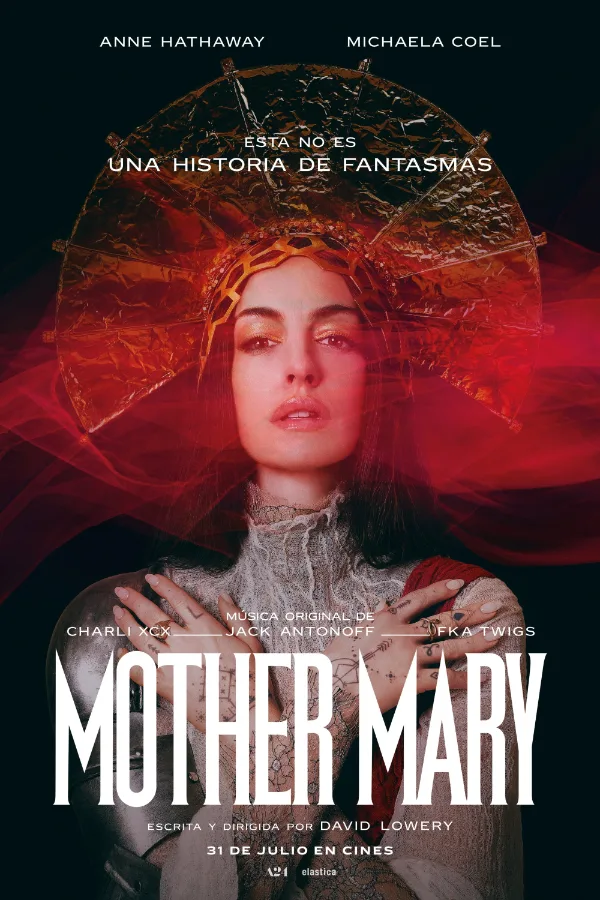
Walking into Mother Mary without knowing exactly which altar you’re approaching is the best way to surrender to the experience. After conquering the existentialist lyricism of memory with the now-undisputed A Ghost Story and reimagining the Arthurian myth through a verdant, psychedelic, hypnotic lens in The Green Knight, Texan filmmaker David Lowery returns to deliver his most kamikaze, brazen, and sensorially scorching work yet. Forget the Hollywood-approved musical biopics, the made-for-TV tales of broken toys, or the conventional dramas about the ravages of fame: what Lowery constructs here is, plainly and brutally, the high-fidelity filming of a pop-star exorcism’s music video.
The Architecture of Trauma: Production Design as a Pagan Temple
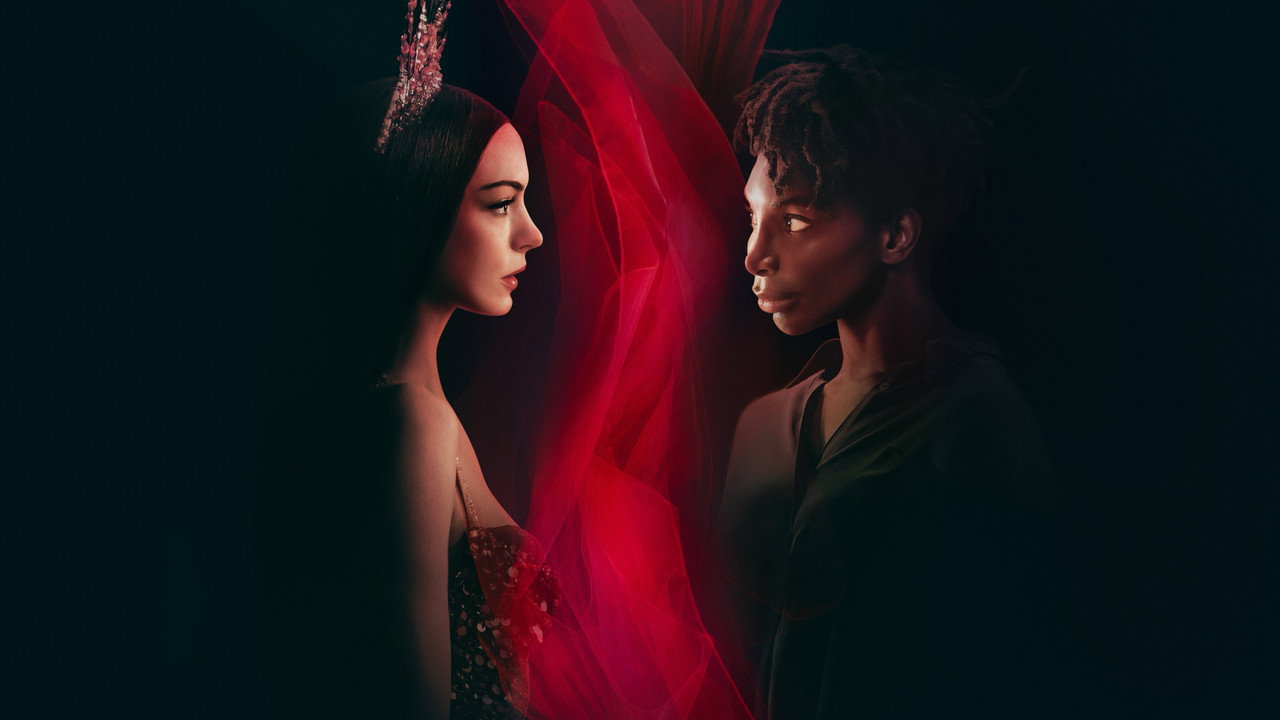
One of the film’s greatest triumphs—and where Lowery’s auteur stamp is most crushing—is its monumental production design, helmed by Francesca Di Mottola. The spaces in Mother Mary aren’t mere functional sets; they’re cathedrals of vanity and liturgical sanctuaries where the creative process devours its own priestesses. The transition from the near-surgical sterility of high-fashion ateliers to the imposing scale of pop stages constructs an oppressive ecosystem, despite its gargantuan dimensions.
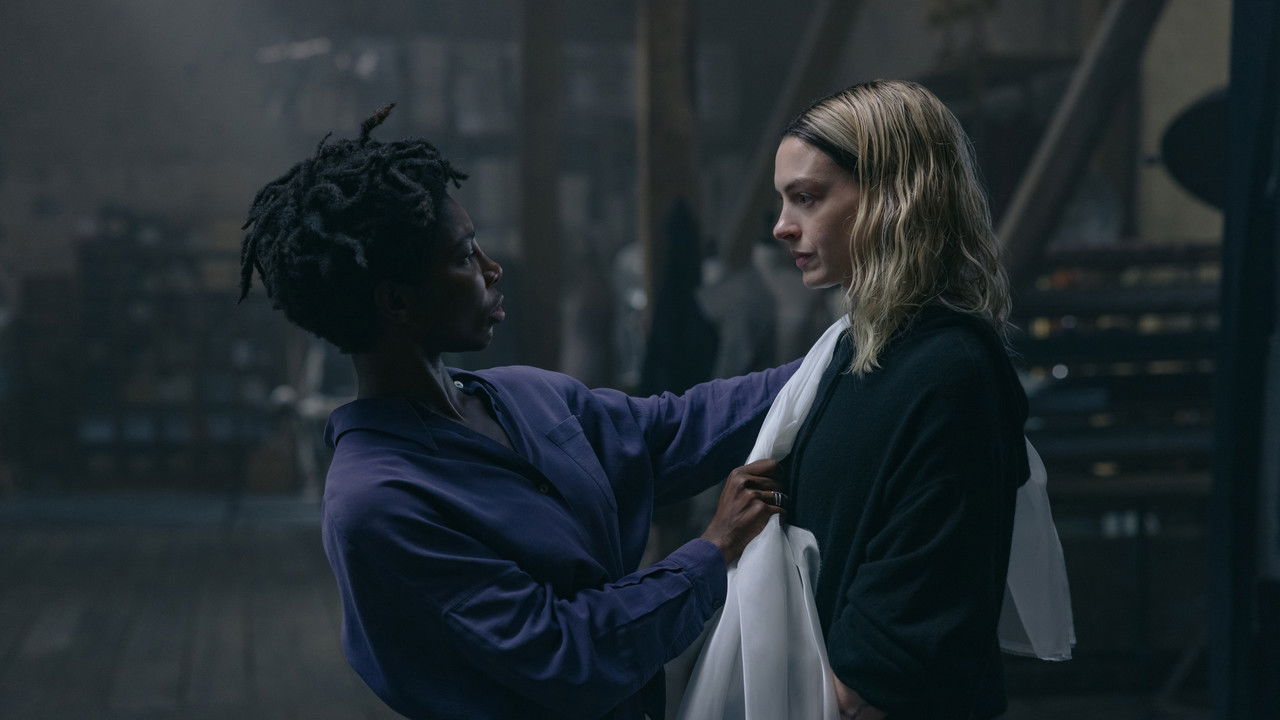
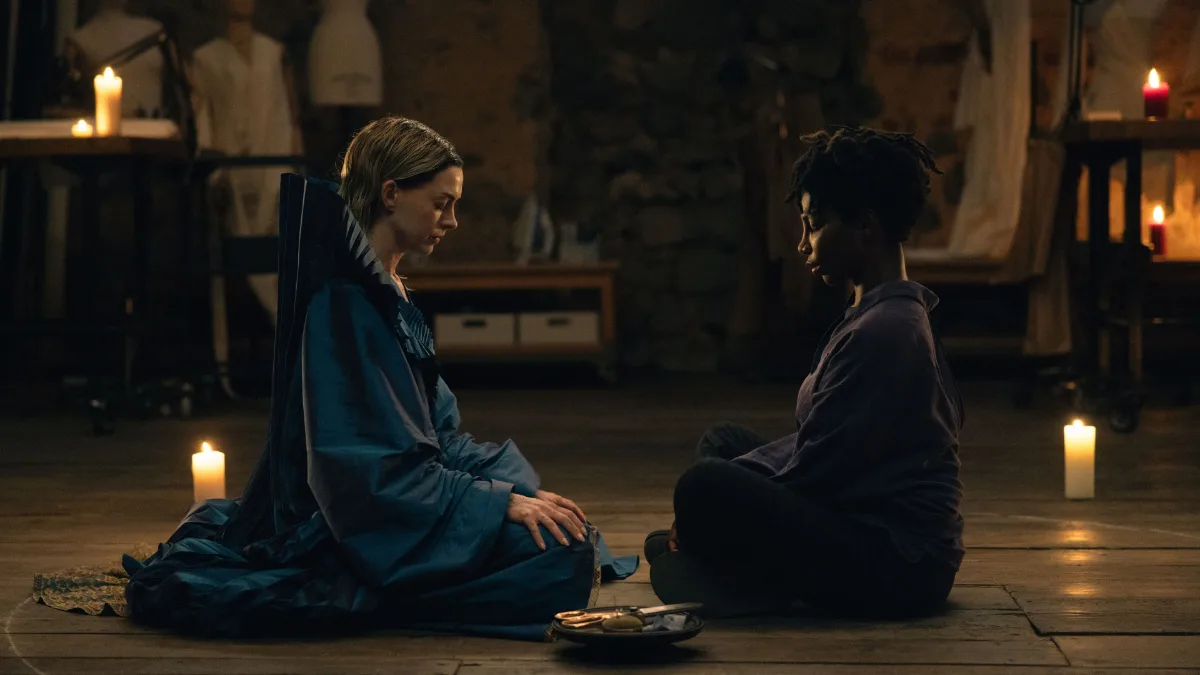
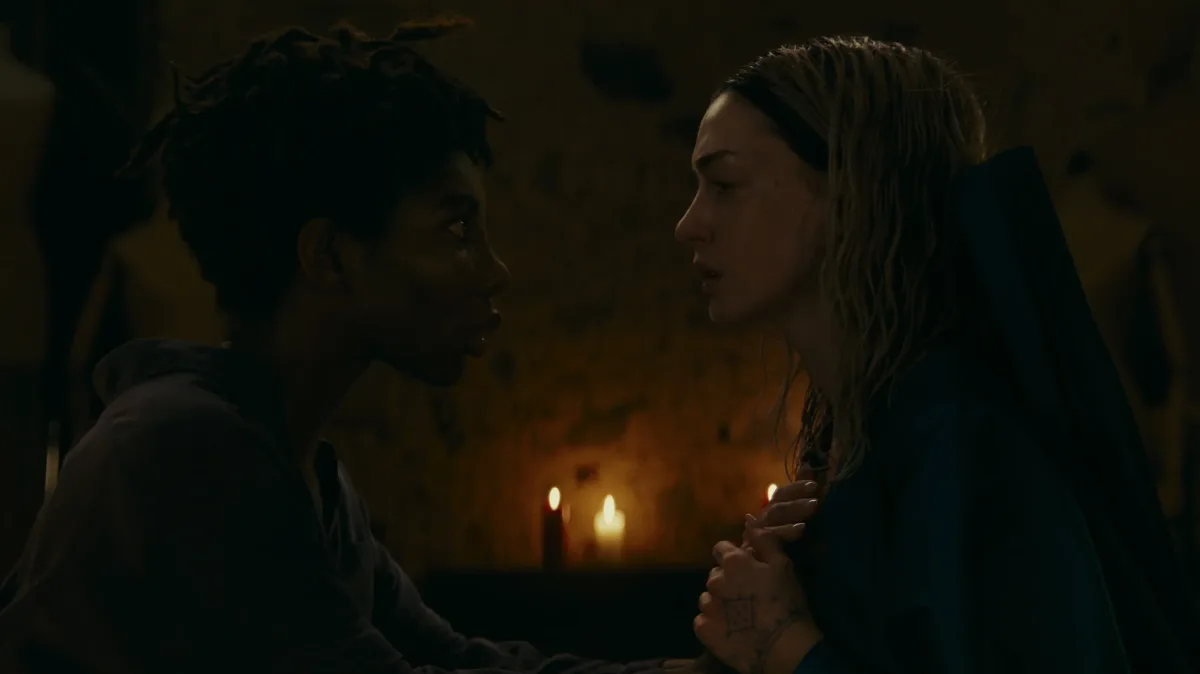
The backbone is Sam’s (Michaela Coel) workspace: a 14-metre-high warehouse surrounded by drained wood and dense shadows, transforming what should be an airy craft space into a claustrophobic cage where motionless mannequins watch like silent witnesses. Di Mottola establishes a brilliant spatial continuity: the dark beams and rustic barn austerity are replicated through light patterns in the 360-degree mirrored dressing rooms and packed stadiums. Not a single object, reflective surface, or runway is placed at random; the architecture imprisons the madness and forces the inevitable collision of egos.
The Tailoring of Pain: Bina Daigeler and Costume as Armour and Shroud
If the architecture builds the cell, the costumes—crafted by the masterful Bina Daigeler (Tár, Volver)—dictate the pain of its inhabitants. In Mother Mary, clothing isn’t haute couture window dressing: it’s an emotional armour, a physical manifestation of trauma, and a sacrificial shroud.
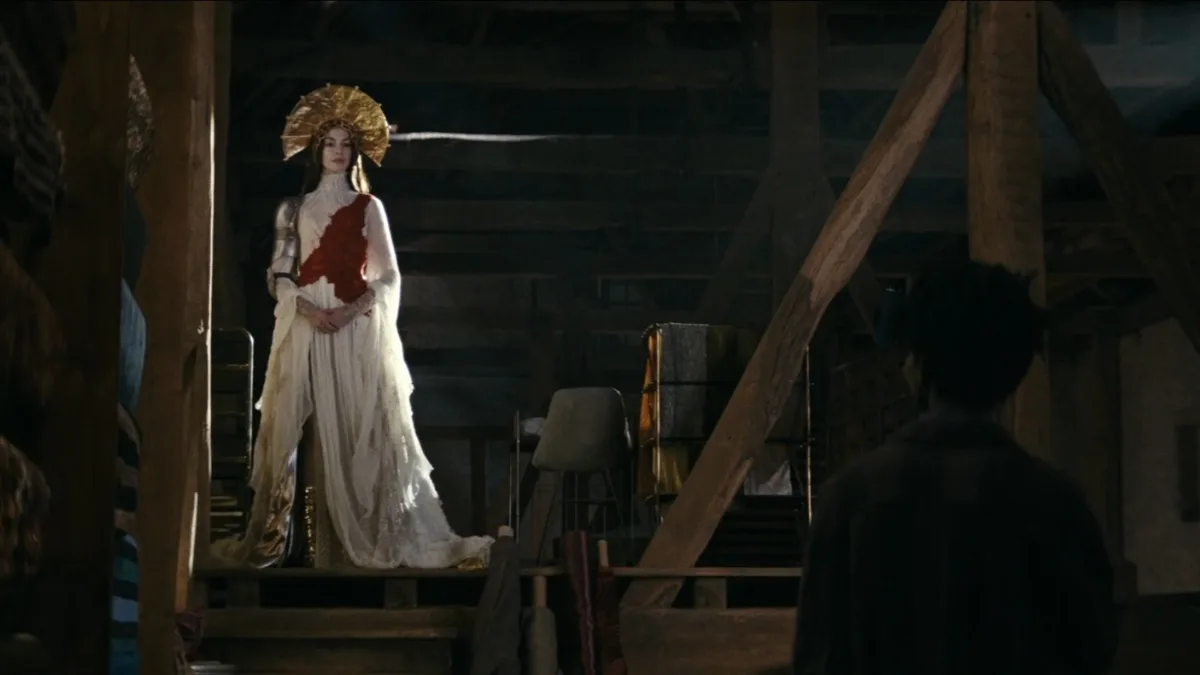
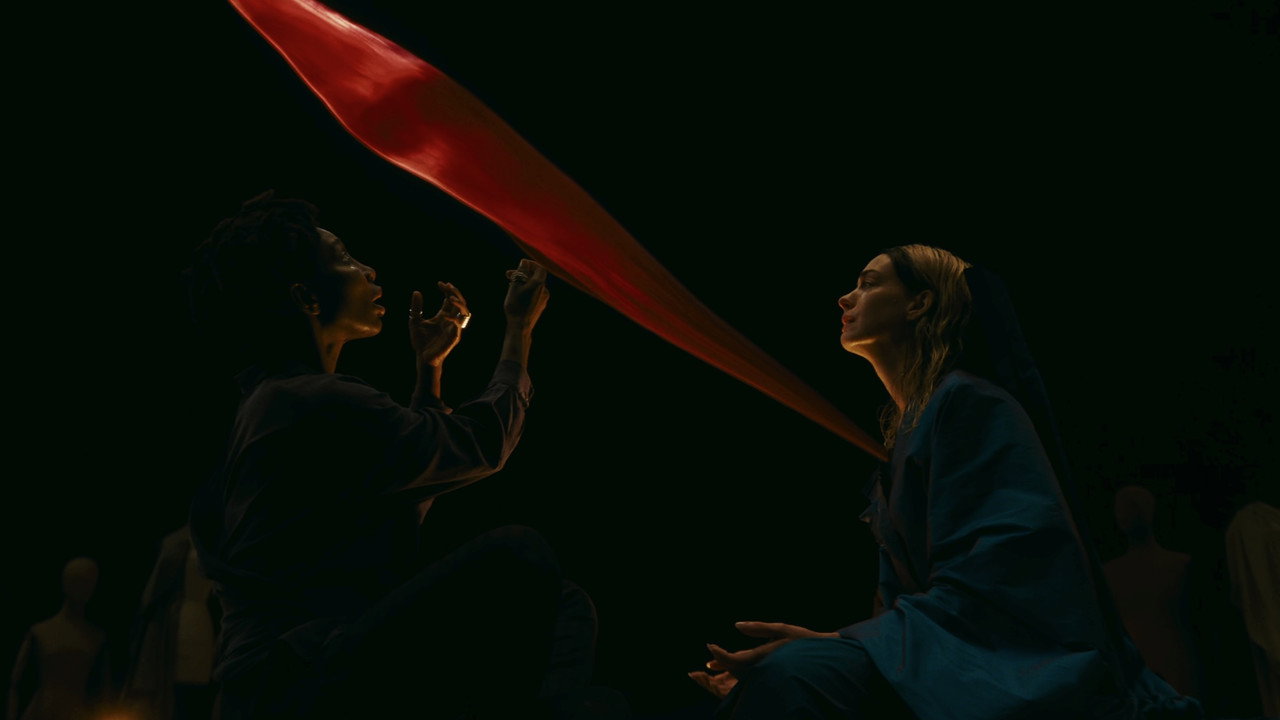
Daigeler designs Sam’s (Michaela Coel) creations as sculptural, oppressive pieces. Sharp shoulder pads, rigid corsets that resemble metal breastplates, and heavy leathers imprison the diva’s (Anne Hathaway) body to contain her psychological collapse. Yet as the "pop exorcism" progresses, the wardrobe fractures into frayed fabrics, fluid gauzes, and blood-red hues, transforming elegance into a sacred garb of atonement. Every stitch Coel executes on-screen feels like a scar; the act of dressing or undressing the star is the film’s most visceral and bloody battleground.
«David Lowery doesn’t film a pop star’s rise; he captures the accelerated destruction of an identity turned myth within an altar of fabric, mirrors, concrete, and neon.»
The Spectral Camera: Anamorphic Photography and Chromatic Expressionism
If the film feels like a fever dream, the visual responsibility lies with Andrew Droz Palermo, Lowery’s trusted cinematographer. Palermo shoots in 2x anamorphic, injecting a slight distortion at the edges of the frame that mimics the psychological cracks in the protagonists.
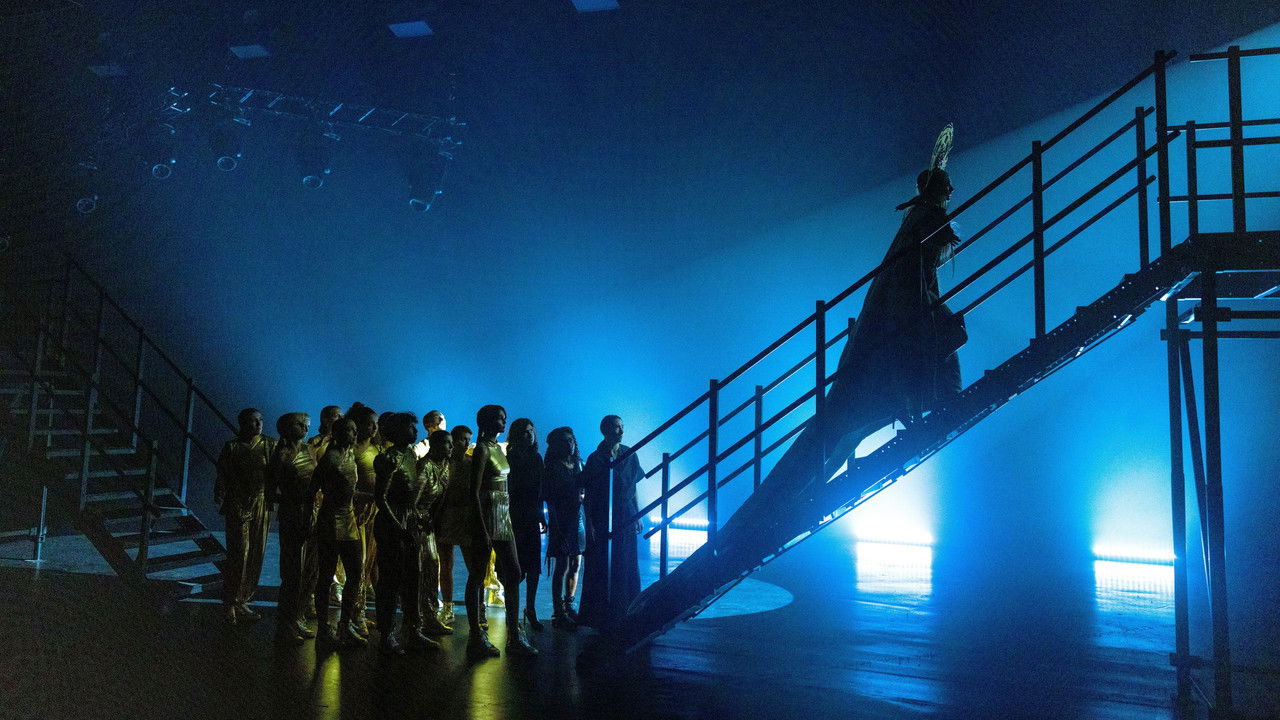
Palermo’s use of colour avoids the purely decorative to sketch a radical dramatic map:
- Sombre, desaturated tones: In the intimacy of the workshop, light falls softly on stone and wood, sculpting faces in half-shadow and accentuating Michaela Coel’s restrained gestures.
- Fire and chromatic hypnosis: During rehearsals and concerts, the photography shifts into a deafening palette of ambers, golds, and blinding white spotlights.
Moreover, the recurring use of deep focus keeps the vast environments—the stadium, the workshop—ever-present behind the actresses, making the physical weight of the walls feel like they’re crushing the characters.
The Aesthetic Ritual: Sound, Music, and Costume as Armour
The formal deployment is dazzling. The sound design turns the synthetic pulse of the dance floor and the metallic clash of fabrics into an unbearable liturgical murmur. Meanwhile, the costumes function as a sophisticated ritual armour, designed to contain the star’s imminent collapse. Not a single fold or stitch in Mother Mary lacks symbolic weight; in an environment as ostensibly frivolous as global fashion, the artistic team transforms every design into a pagan relic geared toward sacrifice.
«David Lowery doesn’t film a pop star’s rise; he captures the accelerated destruction of an identity turned myth within a cathedral of mirrors, concrete, and neon.»
This visual assault is matched by a soundtrack of thunderous force. The organic, melancholic compositions of Daniel Hart collide head-on with the electronic pop pulse of Jack Antonoff and Charli XCX. The music here doesn’t gently accompany scenes: it’s the invasive force possessing the actresses on-screen, imposing a psychotic rhythm between delirium tremens and mystical catharsis.
The Duel of Gazes: Volcanic Restraint vs. Histrionics
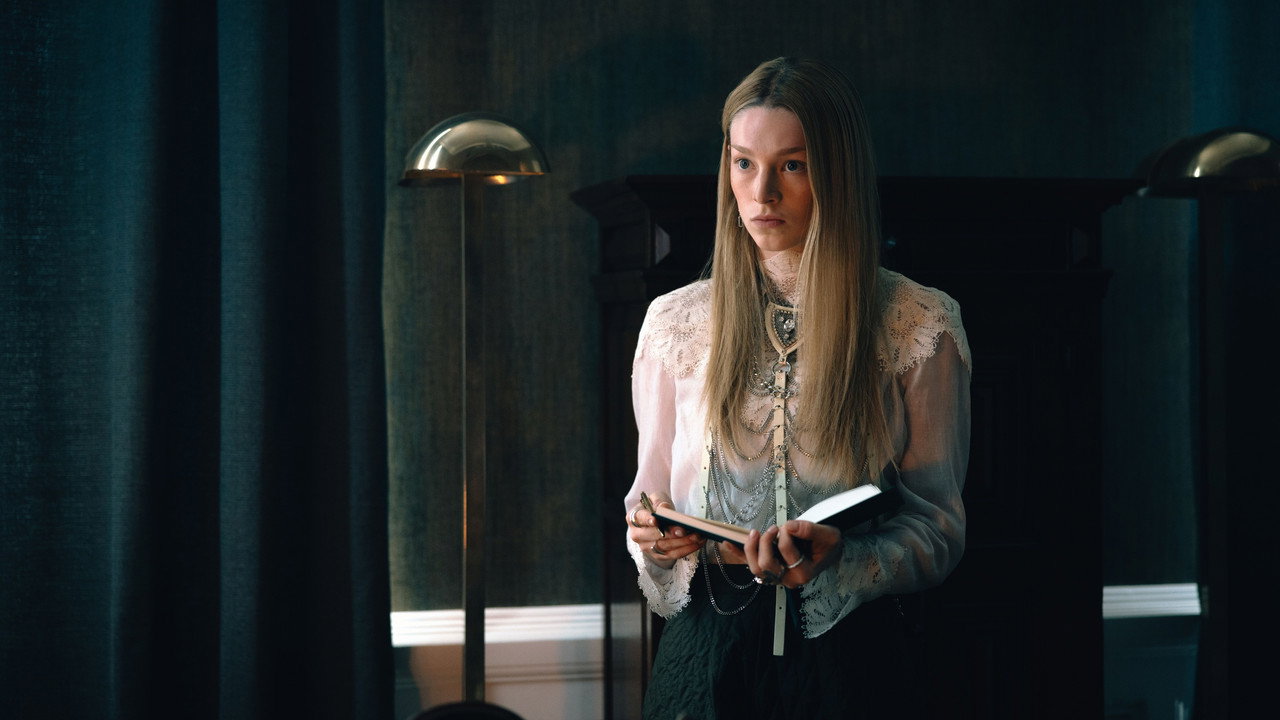
Despite the dizzying mise-en-scène, the script anchors the story in the collision of its performers. The film’s mastery in sustaining anguished tension is surprising, given it relies on a minimal dramatic triangle.
On one side, Anne Hathaway is unleashed, delivering one of the most visceral physical and emotional performances of her career—overflowing with rage, neurosis, and vulnerability. Yet the true revelation, the magnetic core that destabilises the film from within, is Michaela Coel.
Playing Sam, the fashion designer tasked with sculpting the diva’s new icon, Coel commands the screen with sheer, monumental presence. Her gaze is penetrating, hieroglyphic, almost mythological; you can’t tell if her character embodies salvation, carnal desire, or an ancient deity demanding tribute. Michaela Coel doesn’t need to raise her voice to dominate the frame: a blink, a stony posture, or a frozen silence is enough to eclipse everything.
Completing this fractured cosmos of egos is Hunter Schafer as Hilda. Schafer provides an indispensable counterpoint, adding texture to the web of manipulation and artistic devotion binding the trio. With razor-sharp, intense interventions, she demonstrates an uncanny acting maturity, serving as the only possible anchor between the runway’s creative delirium and raw reality.
Psychodramatic Catharsis: Where the Hell Does Mother Mary Fit?
For those encountering David Lowery’s filmography for the first time with this film, disorientation is guaranteed. Mother Mary immediately evokes Nicolas Winding Refn’s fixation on cannibalistic beauty in The Neon Demon, but stripped of its nihilistic emptiness. It retains the wounded diva deconstruction seen in Vox Lux by Brady Corbet, swapping social commentary for a purely introspective, iconographic journey.
There are stretches of genuine scenic frenzy that recall the relentless, lysergic rhythm of Gaspard Noé’s Climax, mixed with the ego-driven battles of Darren Aronofsky’s Black Swan. Yet Lowery’s signature remains unmistakable: that poetic pause mid-storm, the sudden halt in rhythm to let silence tear deeper than a stadium’s blaring speakers.
The Best
- Michaela Coel: The spectral presence of Michaela Coel: A hypnotic, magnetic performance built on an unforgettable gaze that sears into your retinas.
- Technical mastery: The production design and technical craft: Francesca Di Mottola’s set architecture, Andrew Droz Palermo’s anamorphic cinematography, the costumes, and the sound form an unsurpassable liturgical altar.
- Formal risk: David Lowery’s formal audacity: Treating the pop industry and haute couture as a ritual of exorcism and spiritual purge.
- Anne Hathaway: Anne Hathaway’s kamikaze commitment: A visceral, unbridled, no-safety-net performance.
The Worst
- Cryptic narrative: Its cryptic, elusive nature: The poetic, indeterminate storytelling will give hives to anyone seeking a linear drama or a conventional biopic.
- Aesthetic overload: Excessive aesthetic zeal: In certain moments, the overwhelming beauty of the sets threatens to overshadow the script’s buried emotional weight.
The Acid Clapboard Verdict
Mother Mary is a brilliant, uncomfortable, excessive, and utterly fascinating sensory hallucination. David Lowery delivers a high-voltage cinematic trance where pop is stained with paganism and haute couture becomes the perfect shroud for a collection of collapsing egos. With staggering production design that turns ateliers and stages into paranoia’s sanctuaries, enveloping anamorphic cinematography, a mesmerising Michaela Coel, and a sonic assault demanding to be experienced in a darkened theatre, this is a full-blown exorcism that cements its director as one of contemporary cinema’s boldest and most poetic aesthetes. A gut-wrenching piece to devour with your stomach in knots and the speakers blaring at full tilt. 💀
🎬 Tráiler Oficial
Abrir en YouTube
Ficha de Daños Colaterales en Sala
Certificado de impacto psicofísico emitido por Odin Lagbert
Cero bostezos. Pupilas dilatadas y tensión mandibular constante.
Ni una sola mirada al móvil.
Ninguna: la adrenalina cinematográfica es suficiente.
"No hubo. La coherencia se mantuvo hasta el último fotograma."
💬 El Veredicto de la Comunidad
¿Qué te ha parecido la película? Deja tu nota de 0 a 10 para contrastarla con el análisis de la redacción.
Aún no has votado
📢 ¿Te ha gustado el ácido?
Comparte esta crítica con tus amigos cinéfilos o desata la polémica en redes.
⚡ THE CINEMATIC VENOM YOUR INBOX CRAVES
No sugarcoated ratings, no corporate fluff. Subscribe for our uncensored weekly analysis or join the private Telegram for press previews, poll clashes, and instant alerts.
Alertas de estrenos en 1 segundo, encuestas en caliente y audios al salir de pases de prensa.
Recibe la dosis semanal en tu mail + regalo inmediato del PDF con 50 joyas ocultas de culto.
Related Reviews
Recommended autopsies for demanding film buffs.
 ⚡ Ácido Cítrico7.5
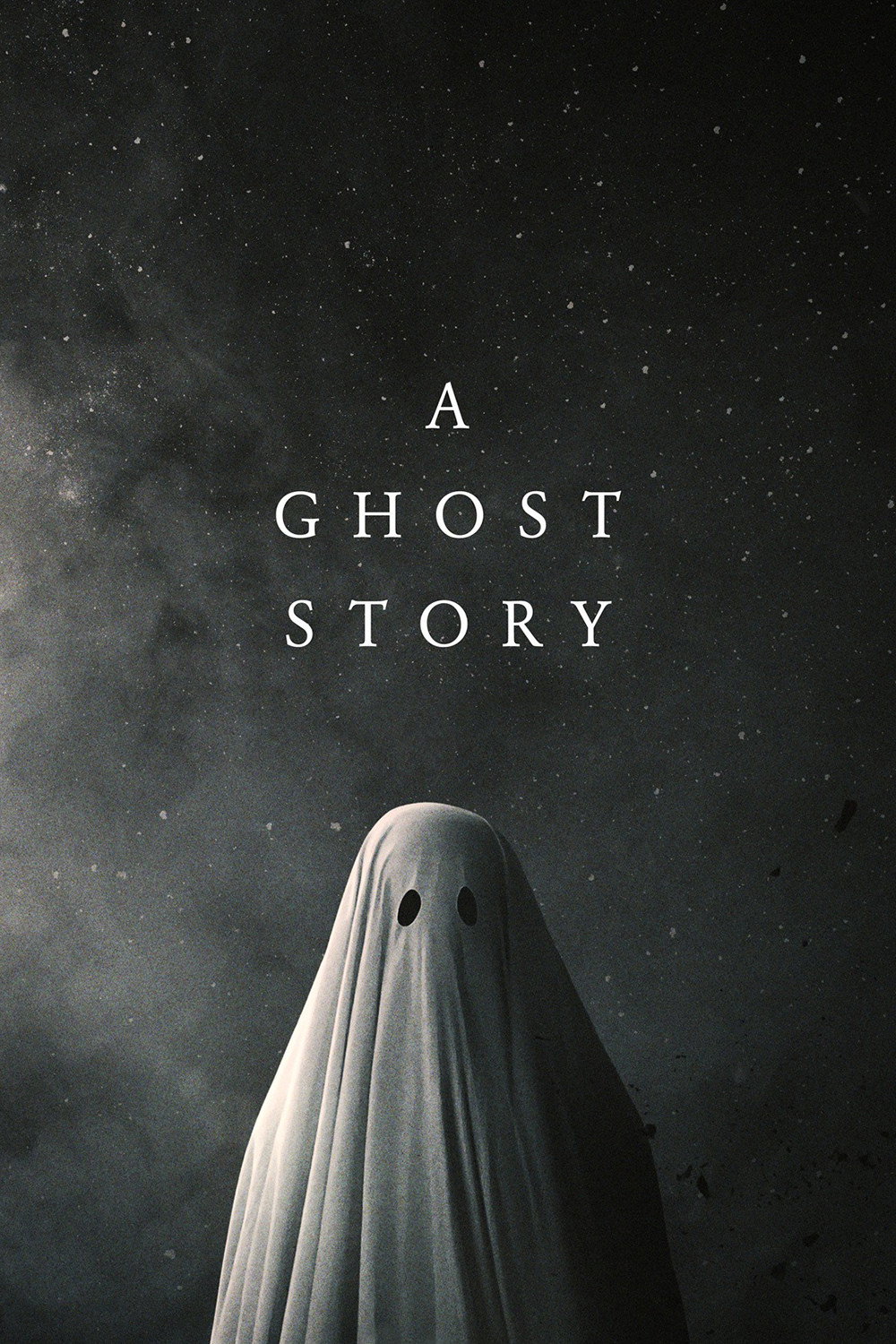
A Ghost Story: A Journey Through Time and Memory
⚡Del mismo director (David Lowery): analiza la evolución o degradación de su estilo.
The Claqueta Ácida review of A Ghost Story, a film that explores existence and human connection.
 🔥 Fusión Nuclear8.0
Bitter Christmas: Almodóvar Comes Home (And Saves Us from Corporate Holiday Hell)
⚡Consagradas en el olimpo transgresor con 🔥 Fusión Nuclear.
Almodóvar turns holiday grief into an intimate, visually stunning, and emotionally raw drama. Bárbara Lennie shines, but the script stumbles in the third act. 8/10.
 🔥 Fusión Nuclear8.0
The End of Oak Street: David Robert Mitchell Reinvents Cosmic Horror Without Losing Its Human Core
⚡Consagradas en el olimpo transgresor con 🔥 Fusión Nuclear.
Anne Hathaway and Ewan McGregor lead this claustrophobic descent where the unknown isn’t a monster—it’s reality itself unraveling at the seams. Mitchell proves once again that the most terrifying horror is the kind that festers in the intimate.
Editorial Ecosystem
Cinephile connections, archive interviews and related analyses.
🎞️ In Claqueta Cinematheque1
💬 Debate Cinéfilo & Autopsia de Lectores
0 veredictos¿Discrepas con nuestra nota? ¿Es una obra maestra o veneno puro? Deja tu veredicto abajo sin necesidad de registro.


Aún nadie ha dejado su veredicto para esta película.
Sé el primero en clavarle el colmillo rellenando el formulario de arriba.