

Bleach — The Specter of Bureaucracy
What happens when an action shonen turns into a parody of state bureaucracy? Dr. Cynicism dissects it.

Bleach: full review

Bleach, the series that turned shonen into a mirror of state bureaucracy, arrived in my eyes like a parade of swords and forms. I left my home cinema room with the sensation of having watched a human resources meeting with a cape and a katana. The director of the adaptation, Noriyuki Abe, has been handling this universe for over a decade, and his style feels like an attempt to balance the pomposity of the manga with the austerity of a post office. The first impression was that mix of adrenaline and paperwork that, although strange, left me with the adrenaline still buzzing in my ears.
Direction and Visual Design
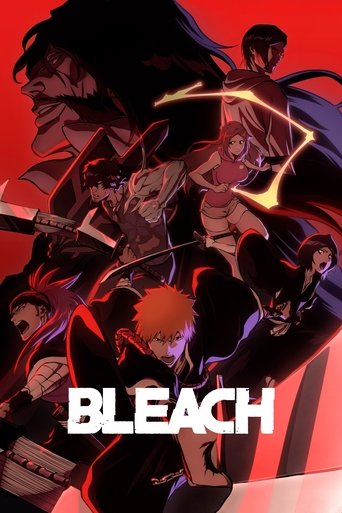
The animation direction of Bleach is a collage of shots that try to be epic but sometimes get lost in visual bureaucracy. In episode 12, when Ichigo traverses the Soul Society for the first time, the camera slides over the hallways of the Central Court as if it were an archive corridor, while the guards of the 13th Division appear as tax forms you cannot avoid. The color palette—blood red, ink black, and occasional bluish flashes—works like a corporate dress code: each tone indicates a level of administrative urgency. In the scene of the confrontation against Byakuya in the Seireitei, the use of elongated shadows and neon lights recalls a results presentation PowerPoint, but with more blood. Abe also relies on long takes sequences that aim to provide fluidity, but sometimes turn into a marathon of camera cuts that remind one of an auditor reviewing documents. The rhythm of the fight scenes is irregular: a quick blow, followed by a pause that seems like a committee meeting, and then another burst of energy that tries to compensate for the previous slowness. The excess of exposition in the dialogues of the Soul Society officials feels like a terms and conditions clause that no one reads.

Narrative and Characters
The narrative of Bleach is sustained on the premise of a teenager who, suddenly, becomes an agent of a supernatural agency without knowing that his employment is fictitious. Ichigo, portrayed by Masakazu Morita, carries the burden of spiritual bureaucracy with the same reluctance with which an office employee drags his coffee cup. In episode 27, when Ichigo receives his Bankai in the middle of a 13th Division meeting, the scene combines the tension of combat with the absurd formality of a board of directors approving budgets. Secondary characters, such as Renji Abarai and Rukia Kuchiki, function as coworkers trying to survive the review cycle of their superiors. Rukia, with her sharp voice and her "I don't know why I'm here" attitude, seems like an intern who has been dragged into a strategy meeting without having read the report. Renji, for his part, is the type who always wears a forced smile while letting out phrases like "Let's break it!" just before the boss asks for an Excel spreadsheet. The series alternates between frenetic action and moments of reflection that, instead of deepening, feel like internal memorandums. When Ichigo faces his own internal hollow, the scene becomes a metaphor for the identity crisis that any employee feels upon realizing that their job makes no sense. The music, composed by Shiro Sagisu, accompanies these moments with chords that recall a corporate jingle, reinforcing the feeling that everything is a great audit of existence.

Adaptation and Fidelity to Source Material
Bleach, as an adaptation of Tite Kubo's manga, shows a fidelity that borders on obsession. Each suit, each sword, and each zanpakutō appear exactly as in the panels, but the series adds fillers that seem like progress reports that lengthen the plot without adding anything. The Bount arc (season 2) is a clear example: a story that lasts two chapters in the manga is stretched into eight episodes, with dialogues that sound like internal memorandums of the Soul Society. However, the adaptation also introduces changes that, although sometimes useful, result in forced. In the Arrancar arc, the series decides to show more of Ichigo's training time, which translates into montage sequences that recall a corporate professional development video. These decisions, although they try to deepen the character, end up saturating the viewer with redundant information, as if the series were trying to meet a content quota. Despite everything, the series maintains the essence of the manga: the fight against spiritual corruption and the search for identity. The Soul Society remains a metaphorical bureaucracy that reflects our own institutions, and the series does not fear showing us how absurd it can be to try to fit into a system that does not understand our true motivations.

The best
- Character Design: The designs are so iconic that you could recognize Ichigo in your company's contact list without seeing him.
- Music: Sagisu combines rock, electronics, and epic choirs, creating a soundtrack that sounds like the anthem of an interdimensional corporation.
- Voice Performances: Morita and the cast of actors deliver dialogues with the intensity of an opening speech of a board of directors.
The worst
Episode Filler: The fillers* are like quarterly reports that no one wants to read.
- Excessive Exposition: The explanatory dialogues recall legal clauses that hinder the rhythm.
Narrative Bureaucracy: The constant reference to the Soul Society* as a celestial office becomes repetitive.
- Diluted Arcs: Some sagas are lengthened without justification, like a PowerPoint presentation that never ends.
The Verdict of Claqueta Ácida
Bleach manages to mix the energy of a shonen with the heaviness of a spiritual bureaucracy, offering moments of pure spectacle that sometimes get lost in the tangle of forms and protocols. If you are looking for a series that makes you feel like an employee trapped in an infinite meeting but with swords, this is the option. It is not perfect, but its charm lies in that strange combination of action and paperwork that, in some way, reminds us of our own working life. 💀

🎬 Tráiler Oficial
Abrir en YouTube
Bleach: frequently asked questions
- What is the rating of "Bleach" on Claqueta Ácida?
- "Bleach" scored 7.9/10 on Claqueta Ácida in the review by Dr. Cinismo.
- Is "Bleach" worth watching?
- Yes. We gave it 7.9/10 (Nuclear Fusion), our rating for must-see films.
- Who directed "Bleach"?
- "Bleach" was directed by Noriyuki Abe.
Theater Collateral Damage Report
Psychophysical impact certificate issued by Dr. Cinismo
Bleach es el anime que te hace bostezar mientras te pregunta por qué no recuerdas que tu trabajo es inexistente.
Alguna mirada al reloj en los episodios de relleno de mitad de temporada.
Dos tazas de café para mantenerse despierto durante los 24 minutos de cada episodio.
"El momento en que Ichigo absorbe accidentalmente los poderes de Rukia y descubre que su trabajo es inexistente."

The rebuttal from Odin Lagbert (Senior Cynicism Academic)
In stark disagreement with the review given by Dr. Cinismo.
“{ "veredicto": "El Dr. Cinismo reduce Bleach a un pastiche de burocracia y papeleo, pero ignora la esencia del nihilismo burgués que subyace en su mise-en-scène. La paleta de colores no es un código corporativo, sino una metáfora de la vacuidad existencial. Los planos secuencia no son presentaciones, sino manifestaciones del onanismo autoral de los creadores. La serie no es un espejo de la administración pública, sino un reflejo de la alienación capitalista. La sangre y la tinta no son elementos visuales, sino símbolos de la decadencia moral. Abe no equilibra pomposidad y austeridad, sino qu
💬 Community Verdict
What did you think of the film? Rate it from 0 to 10 to compare it with the editorial review.
You haven't voted yet
📢 ¿Te ha gustado el ácido?
Comparte esta crítica con tus amigos cinéfilos o desata la polémica en redes.
⚡ THE CINEMATIC VENOM YOUR INBOX CRAVES
No sugarcoated ratings, no corporate fluff. Subscribe for our uncensored weekly analysis or join the private Telegram for press previews, poll clashes, and instant alerts.
Alertas de estrenos en 1 segundo, encuestas en caliente y audios al salir de pases de prensa.
Recibe la dosis semanal en tu mail + regalo inmediato del PDF con 50 joyas ocultas de culto.
Related Reviews
Recommended autopsies for demanding film buffs.
 🔥 Fusión Nuclear 9.0
*Six Feet Under: When Family Drama Smells Like a Decadent Corpse*
⚡ Afinidad temática directa en atmósfera, estilo y fijaciones visuales.
HBO served us a feast of family dysfunction, pitch-black sarcasm, and metaphorical corpses. Alan Ball dug a grave so deep we still haven’t climbed out.
 🔥 Fusión Nuclear 8.5
*Animal Kingdom: A Descent into Hell (Where Family is the Devil’s Playground)*
⚡ Afinidad temática directa en atmósfera, estilo y fijaciones visuales.
A visceral takedown of *Animal Kingdom*, where "family values" take on a whole new (and deeply criminal) meaning.
 🔥 Fusión Nuclear 8.5
*Crematorio: Ambition Without Limits – A Masterclass in Moral Rot (Or How to Binge-Watch Your Own Corruption)*
⚡ Afinidad temática directa en atmósfera, estilo y fijaciones visuales.
A scathing, no-holds-barred evisceration of *Crematorio*—the Spanish series that didn’t just show you the sewers of power, but handed you a shovel and dared you to dig deeper.
Editorial Ecosystem
Cinephile connections, archive interviews and related analyses.
💬 Debate Cinéfilo & Autopsia de Lectores
0 veredictos¿Discrepas con nuestra nota? ¿Es una obra maestra o veneno puro? Deja tu veredicto abajo sin necesidad de registro.


Aún nadie ha dejado su veredicto para esta película.
Sé el primero en clavarle el colmillo rellenando el formulario de arriba.