
Bugonia — The Cosmic Snatch
Two young men convinced an executive is an alien kidnap her. Will they save Earth—or just their own delusions?


Bugonia: full review


As an Amazon Associate, Claqueta Ácida earns from qualifying purchases.

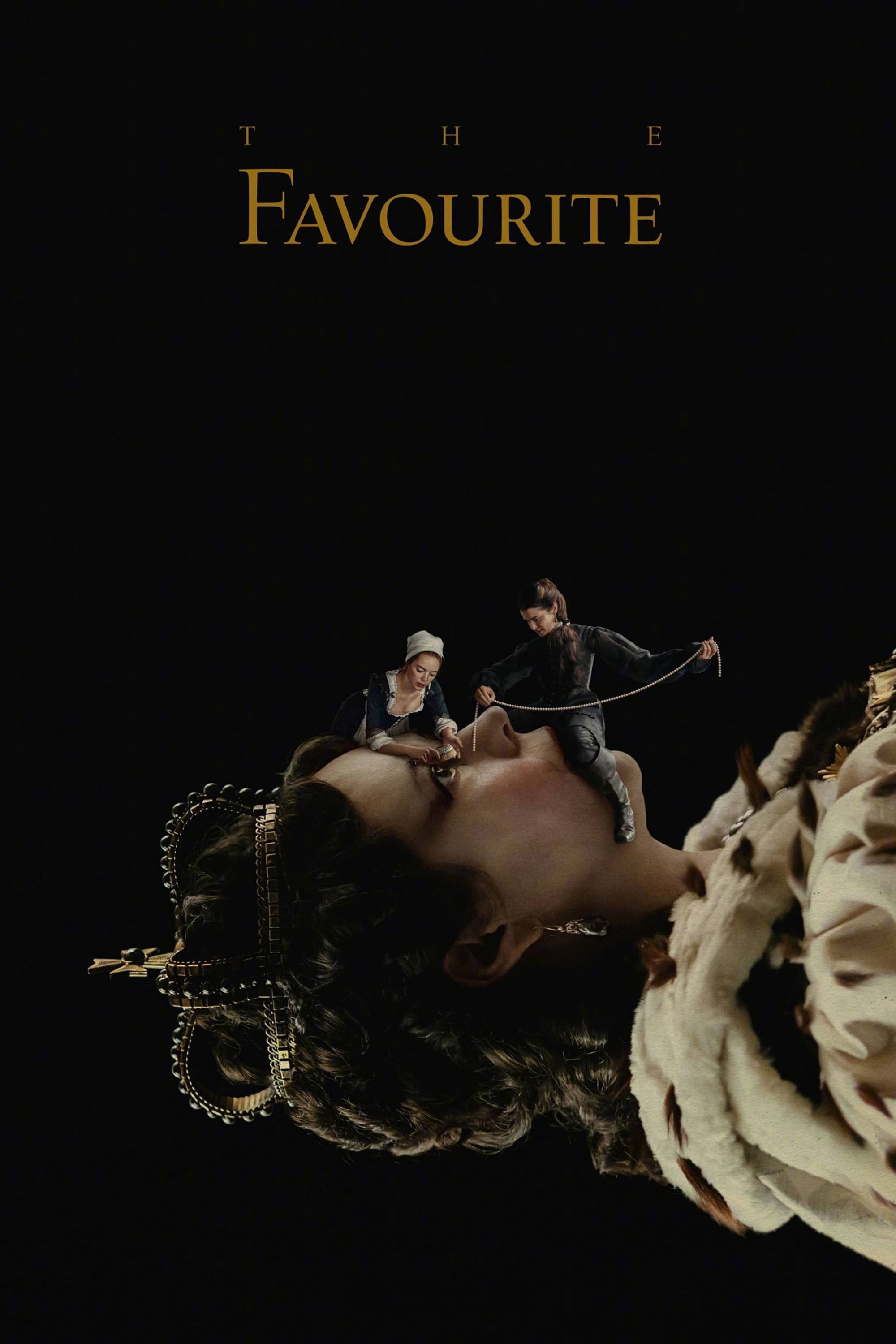
Yorgos Lanthimos has spent a decade proving that cruelty can be a film genre with its own grammar: cold shots, dialogue recited like instructions for a household appliance, and characters who tear each other apart with the politeness of someone asking for the time. With Bugonia (2025), the Greek director takes a curious step: for the first time he remakes someone else’s film, Save the Green Planet! (2003), Jang Joon-hwan’s Korean fever dream, and moves it to a rural America of conspiracy theories, dying bees and pharmaceutical companies with emotional-wellness departments. The result is his most direct and, at times, angriest film.
The premise fits in a paranoid tweet: Teddy Gatz (Jesse Plemons), a beekeeper and warehouse worker, is convinced that Michelle Fuller (Emma Stone), CEO of the pharmaceutical giant Auxolith, is an alien from Andromeda sent to destroy humanity. With the help of his cousin Don (Aidan Delbis), he kidnaps her, shaves her head “to cut off communication with the mothership” and chains her in his basement. His goal: to extract a confession and a meeting with her emperor. And Teddy has a very earthly reason to hate her: his mother (Alicia Silverstone) is in a coma after taking part in one of the company’s clinical trials.

Direction and mise-en-scène: the basement as a boardroom
Lanthimos shoots the kidnapping like a business negotiation. Teddy’s basement, with its tube lighting and flea-market furniture, becomes a boardroom where hostage and captor trade arguments, threats and emotional blackmail with a courtesy scarier than any blow. Robbie Ryan’s cinematography, shot in VistaVision, uses the format to give the miserable interiors an almost monumental breadth: Teddy’s house looks like both a temple and a landfill, and the shots of the apiary have the sick beauty of a documentary about the end of the world.
Compared with the baroque excess of Poor Things or the frayed triptych of Kinds of Kindness, Lanthimos is more restrained and faster here. Will Tracy’s script (The Menu, Succession) forces him to tell a story with a beginning, middle and end, and the director responds with a thriller pace that only slackens in the second act, when the cat-and-mouse game starts going round in circles. Jerskin Fendrix’s score, with its hysterical strings and choirs, once again works as a parallel nervous system.
Performances: two polite monsters
Emma Stone, in yet another collaboration with Lanthimos, builds Michelle as a crisis-management machine: even shaved, chained and humiliated, she speaks in the tone of someone presenting quarterly results. Stone is brilliant in her shifts of register, moving from corporate condescension to panic and from panic to a coldness that starts to sound suspiciously inhuman. It’s the kind of performance that turns every shot into a question.
But the film belongs to Jesse Plemons. His Teddy is a man whom precarity, internet forums and grief have turned into a fanatic, and Plemons plays him without a single wink to the audience: his conviction is so total that it is as moving as it is terrifying. Newcomer Aidan Delbis, as cousin Don, is the vulnerable heart of the show, and Stavros Halkias, as local cop Casey, brings a grotesque menace that speeds up the third act.
Script: paranoia as social diagnosis
The most interesting thing about Bugonia is that it doesn’t laugh at Teddy. The script spreads the blame with cruel even-handedness: the pharmaceutical company that experiments on the poor and sells them as data, the executive who has learned to talk like an HR manual, the man nobody listened to until he bought some chains. The title, which alludes to the ancient belief that bees were born from the carcass of an ox, anticipates the thesis: something is born from rot, but not necessarily something better.
The problem is that Lanthimos and Tracy, so sure of the diagnosis, stumble over the treatment. The middle section drags on with interrogations that repeat the same idea in different costumes, and the ending, which we won’t reveal here, is so radical it will split audiences between those who celebrate it as a perfect cosmic joke and those who see it as a nihilistic tantrum. We are, with reservations, in the first group.
The best
- Jesse Plemons: A fanatic built from the inside, with no caricature, who makes paranoia hurt.
- Emma Stone: Her executive is a marvel of ambiguity; every answer sounds like both a lie and a confession.
- Robbie Ryan’s cinematography: VistaVision turns a suburban basement and an apiary into end-of-days landscapes.
- The ending: One of the boldest conclusions in recent auteur cinema.
The worst
- The second act: The basement interrogations go round in circles once the film has already shown its hand.
- An unnecessary remake for those who know the original: Lanthimos polishes and Americanizes Jang Joon-hwan’s film, but loses some of its unhinged madness.
The Claqueta Ácida Verdict (7.5/10)
Bugonia is Lanthimos with the handbrake half off: more narrative, more political and more accessible than ever, without giving up his venom. A satire of contemporary paranoia that doesn’t choose between the conspiracy theorist and the corporation because it suspects, with good reason, that both belong to the same swarm. Imperfect, uncomfortable and with one of the most wicked endings of the year. 💀🎬 Tráiler Oficial
Abrir en YouTube
Ending Explained: Bugonia
Bugonia: frequently asked questions
- What is the rating of "Bugonia" on Claqueta Ácida?
- "Bugonia" scored 7.5/10 on Claqueta Ácida in the review by Maximiliano Z.
- Is "Bugonia" worth watching?
- With reservations. We gave it 7.5/10 (Citric Acid), our rating for uneven films with something worth saving.
- Who directed "Bugonia"?
- "Bugonia" was directed by Yorgos Lánthimos.
- How does "Bugonia" end?
- Spoilers in Bugonia ending explained .
Theater Collateral Damage Report
Psychophysical impact certificate issued by Maximiliano Z.
2 amagos en el tramo intermedio; pestañeo pesado en las transiciones más innecesarias.
Un par de miradas al reloj en el tramo intermedio, comprobando cuánto quedaba de suplicio.
How much second-hand embarrassment the film causes (10 = maximum). It is not the review score.
2 espresso para no dejarse vencer por la mediocridad cómoda.
"A mitad del segundo acto cuando la subtrama secundaria empezó a pesar más de lo que aportaba."
💬 Community Verdict
What did you think of the film? Rate it from 0 to 10 to compare it with the editorial review.
You haven't voted yet
📢 ¿Te ha gustado el ácido?
Comparte esta crítica con tus amigos cinéfilos o desata la polémica en redes.
⚡ THE CINEMATIC VENOM YOUR INBOX CRAVES
No sugarcoated ratings, no corporate fluff. Subscribe for our uncensored weekly analysis or join the private Telegram for press previews, poll clashes, and instant alerts.
Alertas de estrenos en 1 segundo, encuestas en caliente y audios al salir de pases de prensa.
Recibe la dosis semanal en tu mail + regalo inmediato del PDF con 50 joyas ocultas de culto.
By subscribing you agree that we use your email only to send you the newsletter. Unsubscribe at any time. Privacy policy
Related Reviews
Recommended autopsies for demanding film buffs.
 🔥 Fusión Nuclear 9.0
*Dogtooth (2009): The Instruction Manual for Turning Your Kids Into Lifetime-Guaranteed Automatons*
⚡ Del mismo director (Yorgos Lanthimos): analiza la evolución o degradación de su estilo.
Yorgos Lanthimos bursts onto the global cinema scene with a psychological horror satire about a father who keeps his three children isolated from the world using made-up words.
 🔥 Fusión Nuclear 8.5
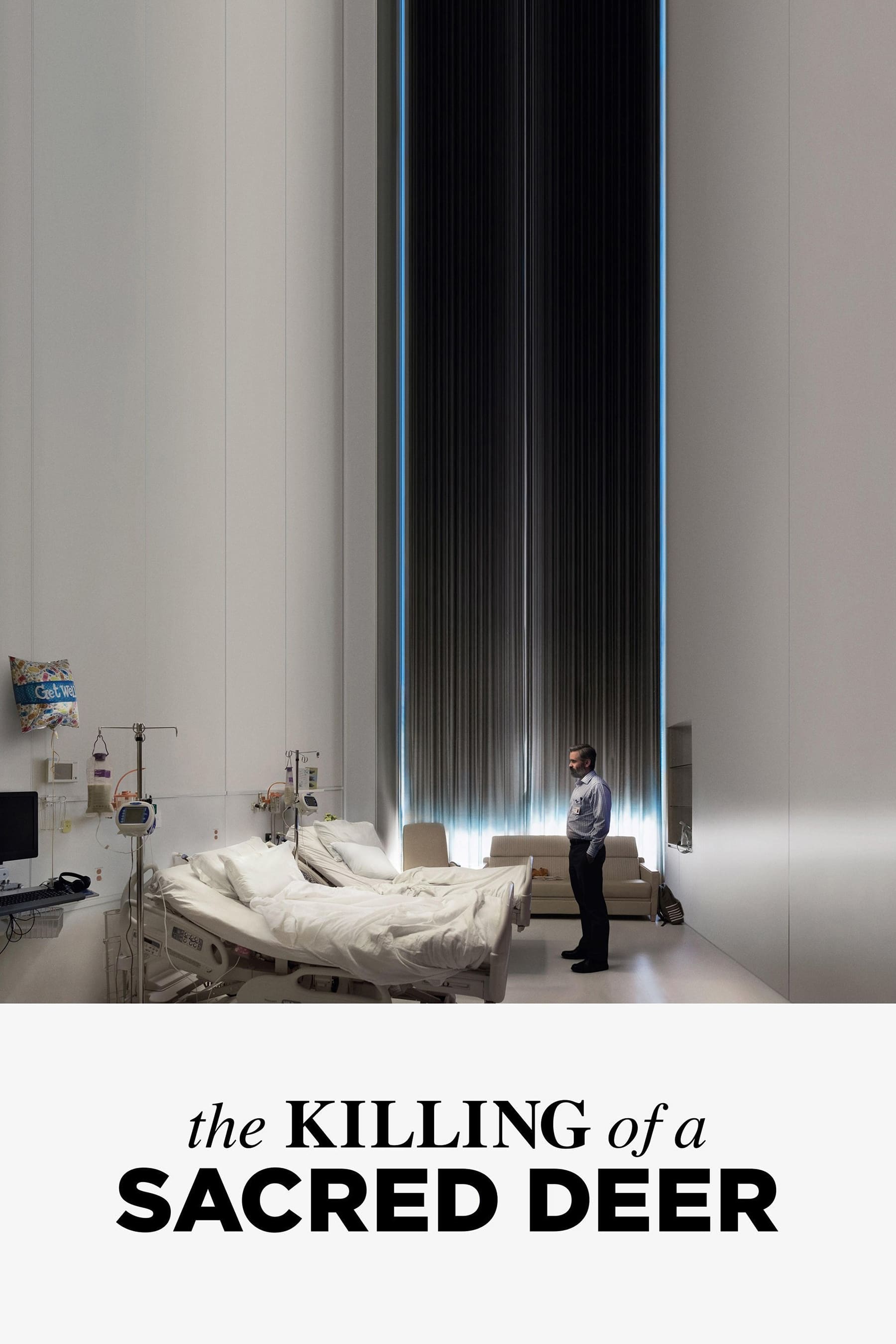
The Killing of a Sacred Deer: Yorgos Lanthimos’ Gothic Ritual of Slow-Motion Dread
⚡ Del mismo director (Yorgos Lánthimos): analiza la evolución o degradación de su estilo.
Lanthimos turns trauma into grand guignol opera with Farrell, Kidman, and a Barry Keoghan who stares into your soul like a rusted scalpel. Chamber cinema hurtling toward horror at a glacial pace.
 🔥 Fusión Nuclear 8.9
*The Killing of a Sacred Deer: Quantum Greek Tragedy Served on a Sterile Hospital Platter*
⚡ Del mismo director (Yorgos Lanthimos): analiza la evolución o degradación de su estilo.
Yorgos Lanthimos takes Euripides' classic myth and injects it with an unrelenting clinical nightmare, where a surgeon’s guilt unleashes an unbearable physical curse.
Editorial Ecosystem
Cinephile connections, archive interviews and related analyses.
🎞️ In Claqueta Cinematheque 3
💬 Debate Cinéfilo & Autopsia de Lectores
¿Discrepas con nuestra nota? ¿Es una obra maestra o veneno puro? Deja tu veredicto abajo sin necesidad de registro.
📏 Normas: se critica la película, no a las personas. Los insultos y los ataques personales se pueden borrar.