The Killing of a Sacred Deer — Yorgos Lanthimos’ Gothic Ritual of Slow-Motion Dread
Lanthimos turns trauma into grand guignol opera with Farrell, Kidman, and a Barry Keoghan who stares into your soul like a rusted scalpel. Chamber cinema hurtling toward horror at a glacial pace.

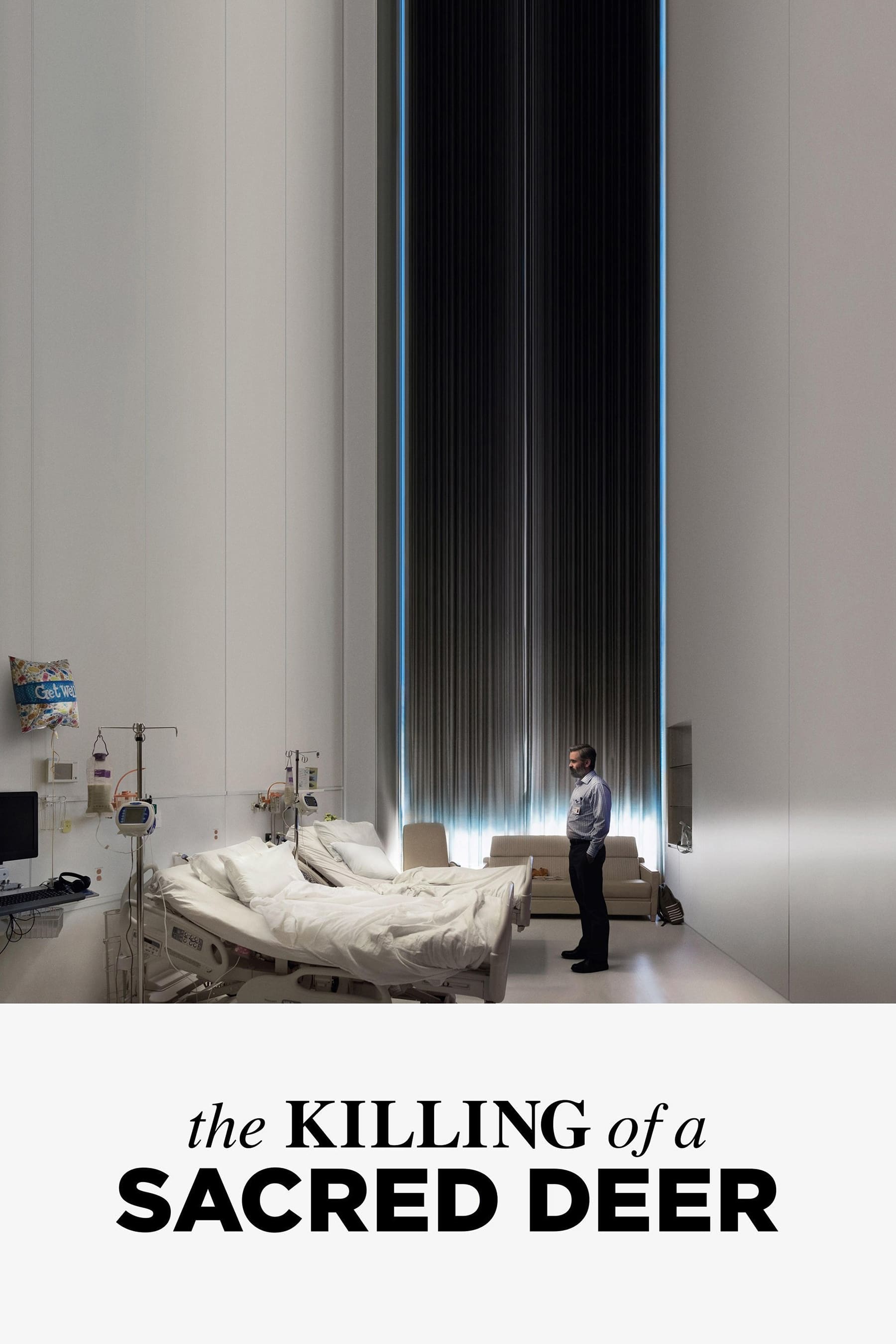

The cinema of Yorgos Lanthimos has always been an operating theater where humanity is flayed open, but never with such surgical precision as in The Killing of a Sacred Deer. Released in 2017, this film isn’t merely a gothic-modern style exercise—it’s a purification ritual where the viewer is the sacrifice. Lanthimos, that Greek butcher of everyday cruelty, had already left us breathless with Dogtooth (2009) and The Lobster (2015), but here he ascends to a new dimension: a theater of the absurd where actors don’t perform—they exist in a limbo between black comedy and cosmic horror. If The Lobster was a satire of love in late capitalism, The Killing is its dark inverse: a meditation on guilt, punishment, and the arbitrariness of pain, served with the icy precision of a scalpel gliding over anesthetized skin.
The project emerged from the collaboration between Lanthimos and his usual screenwriter, Efthymis Filippou, a duo obsessed with dismantling the myths of the nuclear family. This time, however, there are no futuristic dystopias or surreal hotels—just an elegant hospital, a suburban home with minimalist design, and a high-end restaurant where the characters chew their guilt like filet mignon. The official synopsis mentions a surgeon, Steven (Colin Farrell), who forms a dangerous friendship with a teenager named Martin (Barry Keoghan), but reducing this film to its plot is like describing 2001-una-odisea-del-espacio-kubrick-y-el-monolito-que-nos-dejo-mudos" class="text-amber-400 font-black hover:text-amber-300 transition underline decoration-amber-500/40 hover:decoration-amber-300" title="[9.3/10 🔥 Fusión Nuclear] Lee nuestra autopsia de «2001»" data-acid-interlink="2001-una-odisea-del-espacio-kubrick-y-el-monolito-que-nos-dejo-mudos">2001: A Space Odyssey as "a trip to the moon." What truly matters is how it’s told: with static shots that resemble Hopper paintings, robotic dialogues reminiscent of Pinter, and a soundtrack that oscillates between the sacred and the sinister, as if Górecki and Krzysztof Komeda had composed a black mass together-la-cueva-de-los-espejos-rotos" class="text-amber-400 font-black hover:text-amber-300 transition underline decoration-amber-500/40 hover:decoration-amber-300" title="[6.5/10 ⚡ Ácido Cítrico] Lee nuestra autopsia de «Together»" data-acid-interlink="together-la-cueva-de-los-espejos-rotos">together.
The casting is a masterclass in how talent can turn silence into a weapon. Colin Farrell, in one of his finest roles, plays Steven as a man with guilt etched into every pore. His performance is a choreography of restrained gestures: a jaw tremor, a cold sweat on the temple, a smile dissolving like ink in water. Opposite him, Nicole Kidman as Anna, his wife, is a sphinx of icy elegance—a woman who seems to have accepted horror with the same naturalness as slipping into an evening gown. But the real revelation is Barry Keoghan, an actor who doesn’t act—he infiltrates the screen like a flu virus at a family gathering, leaving behind chills and the eerie certainty you’ve just witnessed a perfect crime. His Martin is both pathetic and terrifying, a teenager plucked from a perverse fairy tale: his eyes are bottomless wells, and his smile is a reminder that evil doesn’t always arrive with horns and a trident.
The film was shot in Cincinnati, Ohio, a detail that’s no accident. Lanthimos chose a bland, upper-middle-class city to underscore that horror doesn’t need gothic settings. A designer kitchen, a hospital elevator, or a restaurant with white tablecloths will suffice. The cinematography by Thymios Bakatakis is a masterpiece of cold light and elongated shadows, as if every frame were illuminated by the full moon of a witch’s sabbath. The editing, slow but relentless, turns each scene into Hitchcockian suspense where the real danger isn’t what happens, but what isn’t said. And then there’s the music: from Pergolesi’s Stabat Mater to Colin Stetson’s ominous synthesizers, every note feels like a harbinger of the inevitable.
The direction: A macabre ballet of restrained gestures
Lanthimos doesn’t direct actors—he directs automatons with souls. His visual style is a blend of Stanley Kubrick (those endless hallways, that obsessive symmetry) and Luis Buñuel (everyday surrealism, cruelty disguised as normality). In The Killing of a Sacred Deer, every shot is a trap: the compositions are so precise they seem designed to ensnare the viewer in a logical nightmare. There are no jump scares or jarring sound effects; the terror here is existential, as if the universe itself had decided Steven deserves to suffer, and we, the audience, are its unwitting accomplices.
The Greek director demonstrates absolute control over pacing, alternating scenes of maddening slowness with bursts of sudden violence that pop like a blood-filled balloon. The sequence where Martin explains his theory of cosmic justice to Steven, for example, is a masterclass in pure tension: the camera remains static, the actors barely move, yet the air thickens until it becomes unbreathable. Lanthimos understands that true horror lies not in what’s seen, but in what’s sensed, and his films are like a fogged mirror: the closer you look, the blurrier the image becomes.
The performances: A coven of stares and silences
What defines this cast is their ability to convey emotion without saying it. Colin Farrell is magnificent as Steven, a man whose facade of professional success crumbles like a house of cards. His performance is a lesson in gestural economy: a sigh, a blink, a hand tremor are enough to reveal the internal collapse of a character who, in lesser hands, would be a cliché of tormented masculinity. Nicole Kidman, meanwhile, is a master of ambiguity: Anna could be a victim, an accomplice, or a sadist, and Kidman refuses to commit to any of the three. Her coldness is so unsettling that, at times, she seems on the verge of laughing at others’ suffering.
But the true protagonist is Barry Keoghan, an actor who seems plucked from a 1970s horror film. His Martin defies classification: Is he a psychopath? An avenging angel? A troubled teenager? Keoghan offers no answers, only questions, and his on-screen presence is so disquieting that, more than once, you’ll feel he’s staring directly into the camera, as if he knows something you don’t. His performance is so unforgettable that, years after watching the film, it lingers like an earworm you can’t shake.
The technical department: A symphony of the sinister
The cinematography by Thymios Bakatakis is one of the film’s greatest strengths. Every shot seems painted in natural light—but a sick light, as if the sun were filtered through smoked glass. The interiors, especially the hospital and the Murphy home, are lit with clinical coldness reminiscent of Michael Haneke’s cinema, but with a touch of dreamlike surrealism. The exteriors, meanwhile, have a near-pictorial quality: leafless trees, empty streets, a grayish sky—all contributing to an atmosphere of desolation that clings to the skin like cold sweat.
The sound design is another highlight. Lanthimos and his team use silence as a character in itself: dialogue is sparse and, when it appears, sounds artificial, as if the characters are reciting lines from a script they don’t fully understand. Sound effects are minimal but effective: a creaking door, the clink of cutlery against a plate, the hum of a fluorescent light—details that, in another film, would go unnoticed, but here take on an almost supernatural dimension.
The score, composed in part by Colin Stetson and in part by classical pieces like Pergolesi’s Stabat Mater, is a blend of the sacred and the profane. Stetson’s deep, repetitive saxophone notes create a sense of inevitability, as if the characters’ fates were already written and there’s no escaping them. The classical pieces, meanwhile, add a layer of irony: what better soundtrack for a modern tragedy than an 18th-century religious hymn?
The best
- Lanthimos’ direction: A masterclass in absolute control over form and content, where every shot, camera movement, and line of dialogue is calculated to induce discomfort.
- Barry Keoghan’s performance: A character that lodges in the memory like a splinter under the fingernail, played with a naturalness bordering on the supernatural.
- Thymios Bakatakis’ cinematography: A palette of cold colors and elongated shadows that turns the mundane into something sinister.
- The screenplay: Minimalist dialogue and absurd situations that, nonetheless, feel terrifyingly plausible.
- The soundtrack: A mix of classical music and ambient sounds that reinforces the sense that something terrible is about to happen.
The worst
- The pacing at times: The deliberate slowness may exasperate viewers accustomed to more commercial cinema.
- The lack of development for some characters: Anna (Nicole Kidman) and the Murphy children are somewhat relegated to mere spectators of the tragedy.
- The ending: Though coherent with the film’s tone, it may leave some viewers feeling like a puzzle piece is missing.
- Excessive ambiguity: There are moments when the lack of clear answers can be frustrating, even for fans of arthouse cinema.
The Verdict of Claqueta Ácida
The Killing of a Sacred Deer is one of those films that lodges in the mind like a rusted knife and refuses to leave. Lanthimos makes no concessions—not to the audience, not to the actors, not even to narrative logic. It’s a cold, calculated, and deeply uncomfortable work, but also one of the most original and disturbing films of the past decade. It’s not a movie for everyone (in fact, it’s not a movie for almost anyone), but those brave enough to enter its world of guilt and punishment will find a cinematic experience that haunts them long after the credits roll. 8.5 out of 10, because even geniuses are allowed a flaw or two. Or three. 💀
🎬 Tráiler Oficial
Abrir en YouTube
Ending Explained: The Killing of a Sacred Deer
Ficha de Daños Colaterales en Sala
Certificado de impacto psicofísico emitido por Valeria Von Doom
Ni un solo parpadeo voluntario. El asiento, inusualmente cómodo.
El móvil permaneció en el bolsillo donde debía estar.
Ninguna. Guarda el café para la sesión siguiente.
"Inexistente: pulso de hierro hasta los créditos finales."
💬 El Veredicto de la Comunidad
¿Qué te ha parecido la película? Deja tu nota de 0 a 10 para contrastarla con el análisis de la redacción.
Aún no has votado
📢 ¿Te ha gustado el ácido?
Comparte esta crítica con tus amigos cinéfilos o desata la polémica en redes.
⚡ THE CINEMATIC VENOM YOUR INBOX CRAVES
No sugarcoated ratings, no corporate fluff. Subscribe for our uncensored weekly analysis or join the private Telegram for press previews, poll clashes, and instant alerts.
Alertas de estrenos en 1 segundo, encuestas en caliente y audios al salir de pases de prensa.
Recibe la dosis semanal en tu mail + regalo inmediato del PDF con 50 joyas ocultas de culto.
Related Reviews
Recommended autopsies for demanding film buffs.
 🔥 Fusión Nuclear8.9
*The Killing of a Sacred Deer: Quantum Greek Tragedy Served on a Sterile Hospital Platter*
⚡Hermana de saga: otro capítulo diseccionado con rigor forense.
Yorgos Lanthimos takes Euripides' classic myth and injects it with an unrelenting clinical nightmare, where a surgeon’s guilt unleashes an unbearable physical curse.
 🔥 Fusión Nuclear9.0
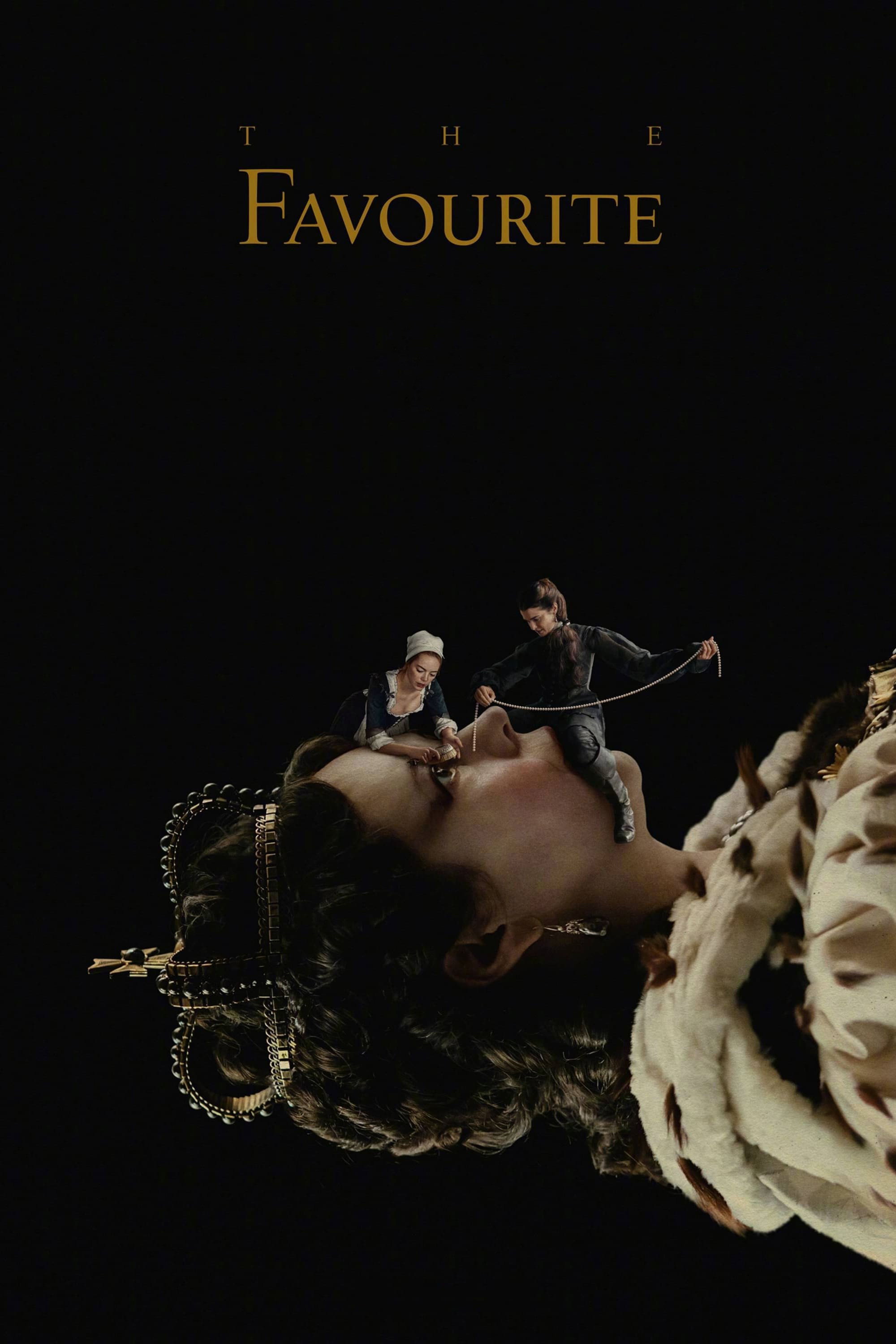
The Favourite: The Game of Thrones That Never Was (And That’s Why It’s a Masterpiece)
⚡Del mismo director (Yorgos Lánthimos): analiza la evolución o degradación de su estilo.
Yorgos Lanthimos turns Queen Anne’s palace into a luxury insane asylum. Emma Stone, Olivia Colman, and Rachel Weisz dance a minuet with daggers. 9.0/10. 💀
 🔥 Fusión Nuclear8.3
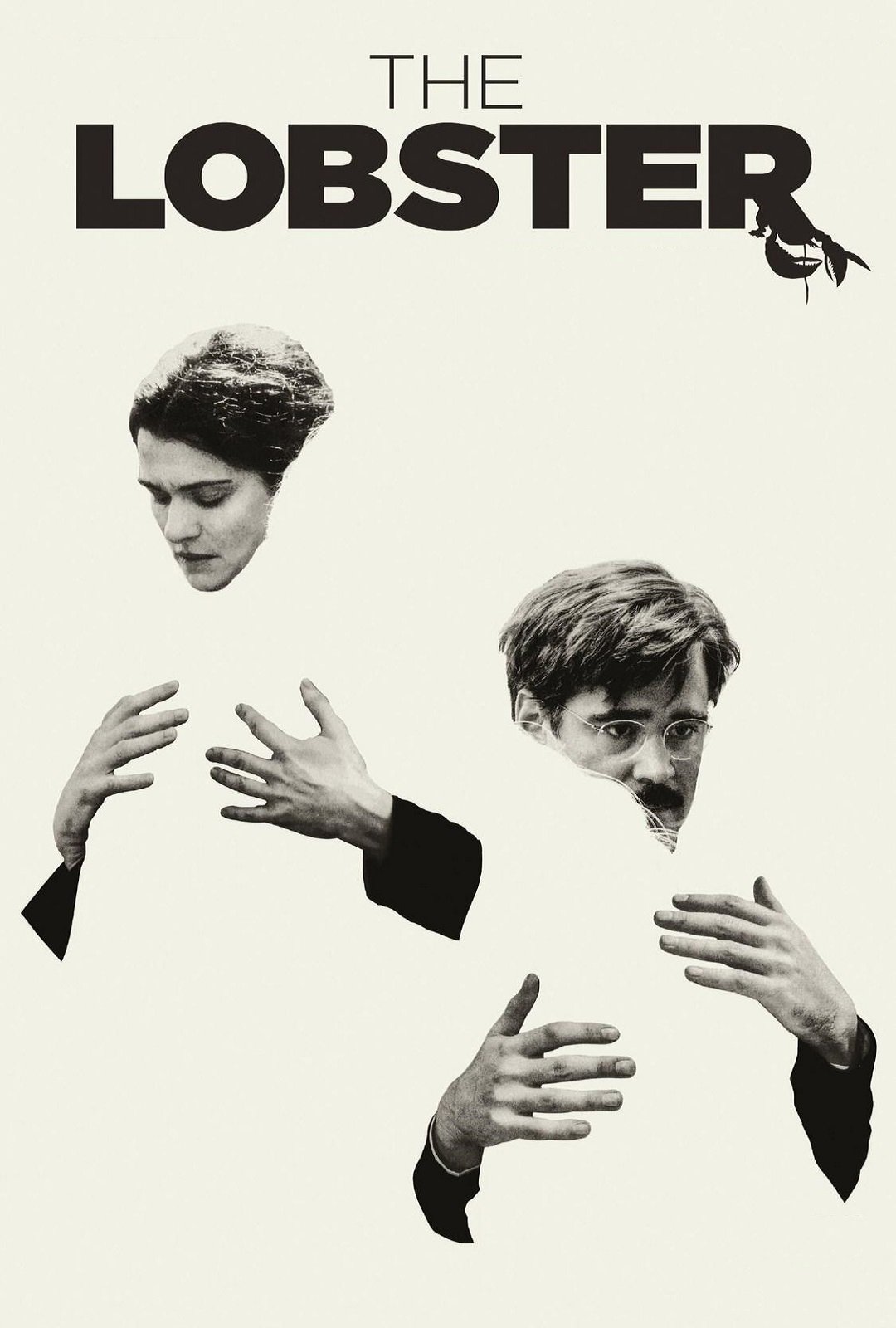
The Lobster: Marriage as the Concentration Camp of Loneliness
⚡Del mismo director (Yorgos Lánthimos): analiza la evolución o degradación de su estilo.
Yorgos Lanthimos turns love into a bureaucratic nightmare. Colin Farrell and Rachel Weisz shine in this dystopian satire that stings, amuses, and suffocates in equal measure.
Editorial Ecosystem
Cinephile connections, archive interviews and related analyses.
🎞️ In Claqueta Cinematheque3
💬 Debate Cinéfilo & Autopsia de Lectores
0 veredictos¿Discrepas con nuestra nota? ¿Es una obra maestra o veneno puro? Deja tu veredicto abajo sin necesidad de registro.


Aún nadie ha dejado su veredicto para esta película.
Sé el primero en clavarle el colmillo rellenando el formulario de arriba.