Civil War — Alex Garland’s Chilling, Flawless, and Terrifying Postcard of America’s Collapse
Alex Garland plunges us into an uncomfortable dystopian nightmare that refuses to offer political explanations, instead zeroing in on the desensitization of war journalism.

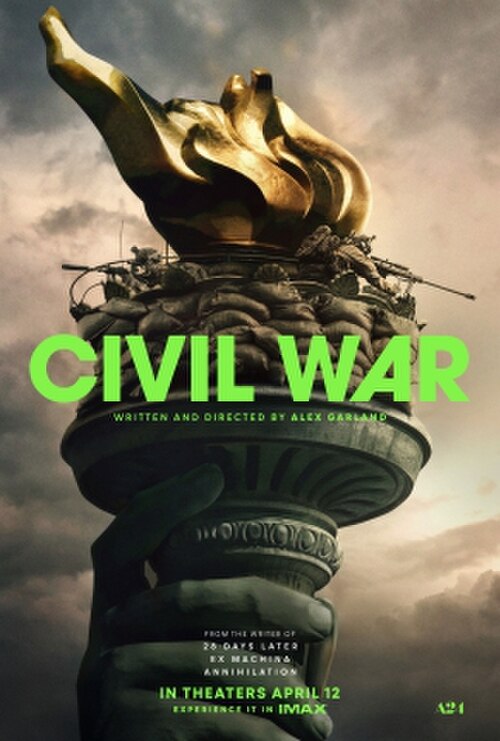

In an era where Twitter/X’s algorithm has turned political debate into a Gladiator-style meme and slogan deathmatch, Alex Garland—this Brit with better aim than a Call of Duty sniper—drops Civil War like a smoke grenade into a rally of Gadsden-flag-waving boomers. But here’s the stroke of genius (or cowardice, depending on how you look at it): instead of handing us another ideological pamphlet with subtitles in woke or MAGA, Garland gifts us a militarized road movie that reeks of burnt gasoline, journalist sweat, and the unmistakable stench of American hypocrisy. This isn’t a film about who’s right—it’s about what’s left when reason rots under the weight of bullets and likes.
The Roadmap of a Burning Country (No Ideological GPS Included)
The premise is so simple it hurts: the United States, in the near but unspecified future (because, let’s be honest, the present is dystopian enough), is bleeding out in a civil war no one bothers to explain. Texas and California as allies? A fascist president who dissolves the FBI and clings to power like an influencer to their last brand deal? Doesn’t matter. Garland isn’t interested in the why—he’s fixated on the how: how people live, how they die, and, above all, how they photograph the apocalypse when your biggest concern is snapping the perfect shot before your head gets blown off.Lee (Kirsten Dunst, in a role carved out for her "I just watched my dog and my faith in humanity die in the same day" stare) is a war photographer who’s seen so much horror she’s forgotten how to blink. Her partner Joel (Wagner Moura, forever the actor who looks like he walked out of a 1970s Brazilian thriller) is the cynical counterpoint—the guy who knows journalism isn’t about informing anymore, just monetizing chaos. Along for the ride are Sammy (Stephen McKinley Henderson, a grizzled print journalism veteran who seems like the last guardian of a profession that died when Twitter invented threads), and Jessie (Cailee Spaeny, oscillating between wide-eyed admiration and existential dread), Lee’s groupie who learns—too late—that the price of fame in wartime is dehumanization.
The journey from New York to Washington, D.C., is a slideshow of decay: strip malls turned into makeshift fortresses, gas stations where neighbors torture each other over a jerrycan of fuel, football stadiums packed with refugees who look like The Walking Dead extras—minus the zombies (because the real monsters are already alive). Garland and cinematographer Rob Hardy film these scenes with surgical detachment, as if documenting the collapse of an empire in real time. No epic heroics, just survivors with cameras.
The Sound of War: When Cinema Punches You in the Chest
If Civil War does one thing better than 99% of modern war films, it’s the sound design. Gunshots don’t sound like they do in Rambo (where every burst is a Slash guitar solo)—they sound like what they are: dry, brutal explosions that leave you deaf and your heart in your throat. Helicopters don’t glide across the sky like in Apocalypse Now; they buzz with the ominous hum of a killing machine closing in. And when Lee or Jessie fire their cameras, Garland inserts black-and-white snapshots that freeze the horror in time, like a scream muffled into a frame.This aesthetic choice is key: Civil War doesn’t glorify violence—it exposes it. Every photo the protagonists take is a reminder that war journalism is just voyeurism with press credentials. How many times have we seen conflict images in the news without questioning the human cost of capturing them? Garland forces us to look, and it hurts.
The Cast: When Actors Say More with Silence Than Others Do with a Monologue
Kirsten Dunst has spent years proving she can convey more with a glance than most actors can with a three-page speech. Here, her Lee is a shattered character, a woman who’s normalized the abnormal to the point where she’s forgotten how to cry. Her relationship with Jessie (Cailee Spaeny) is the film’s emotional core: a mentor-mentee dynamic that evolves from admiration to resentment, and finally to something resembling maternal love (or at least its distorted shadow). Spaeny shines in her transformation from starry-eyed fan to traumatized witness—an arc that echoes Nightcrawler but with less glamour and more blood.Wagner Moura, always magnetic, provides the necessary counterbalance: the guy who believes in nothing but keeps going because it’s all he knows how to do. And Stephen McKinley Henderson, with his warm, weathered presence, is the last vestige of a journalism that died when clicks replaced ethics.
But if there’s one moment that steals the show, it’s Jesse Plemons’ appearance. In just five minutes of screen time, this actor achieves what many fail to do in two hours: he freezes your blood. His nameless soldier, with that vacant stare and monotone voice, is the face of everyday fascism—the guy who asks, "Which side are you on?" while pointing a rifle at you. He’s not a villain; he’s just another cog in the machine, and that’s what makes him terrifying. It’s as if Garland distilled all the dread of No Country for Old Men into a single scene.
The Political Cop-Out: Cowardice or Genius?
This is where Civil War earns both applause and backstabbing. Garland refuses to take sides. No flags, no speeches, no clear villains (well, except the fascist president, but he doesn’t even get a name). The "Western Forces" (Texas + California, an alliance as absurd as Team Rocket) march on Washington without us knowing why they’re fighting—just that they’re toppling a tyrant. Is this a critique of American polarization? A metaphor for sensationalist journalism? Or just nihilistic style over substance?For some, this ambiguity will read as cowardice. For others, genius. Garland isn’t interested in answers—he’s asking uncomfortable questions: What’s left when a country bleeds out? How do you document horror without becoming complicit? And what happens when the only way to survive is to stop feeling? The film doesn’t judge; it observes. And that makes it even more disturbing.
The Final Assault: When the Video Game Eats the Movie
Up until the final act, Civil War is a masterclass in sustained tension. Then the White House assault happens, and Garland momentarily seems to forget he’s making a film about humanity’s collapse—not a first-person shooter. The pace accelerates, gunfire multiplies, and suddenly we’re in a Call of Duty cutscene with a Hollywood budget.It’s not that the sequence is bad (it’s technically flawless), but it shatters the nightmare atmosphere built over two hours. It’s as if Garland, at the last second, remembered audiences pay for action and decided to deliver—even at the cost of coherence. Thankfully, the epilogue—cold, desolate, perfect—redeems this misstep.
finalExplicado: "En el clímax, el equipo de periodistas logra infiltrarse en la Casa Blanca asediada por las fuerzas secesionistas. Mientras los soldados ejecutan a los últimos defensores leales, Jessie (Cailee Spaeny) y Lee (Kirsten Dunst) llegan hasta el Despacho Oval. El presidente es capturado, humillado y ejecutado sumariamente de un disparo en la cabeza frente a las cámaras. La secuencia culmina con el cadáver del presidente siendo arrastrado por las escaleras mientras la bandera secesionista ondea. Simbólicamente, el desenlace representa la banalidad absoluta del colapso: el poder imperial estadounidense termina en un acto vulgar, casi administrativo, filmado como cualquier otra ejecución de guerra. No hay épica, ni redención, ni ideología que importe ya. Solo queda la imagen cruda, el click, el registro. El periodismo ha ganado su foto histórica, pero ha perdido el alma en el proceso. El ciclo de violencia continúa sin explicación ni catarsis."
The Best
Jesse Plemons devours the screen in five minutes: His nameless soldier is the kind of villain that haunts your dreams. Not because of what he does, but because of what he represents: fascism as something banal, mundane, almost boring*. A reminder that evil doesn’t always wear a mask.- The immersive sound design: Every gunshot, every helicopter, every scream hits like a punch to the sternum. Close your eyes, and the movie’s still there, lurking.
The Worst
- The deliberate political dodge: Garland washes his hands like Pontius Pilate. If you’re looking for an analysis of the war’s causes, this film is like a menu with no food—pretty, but empty.
The Verdict of Claqueta Ácida (8/10)
Civil War is the movie America deserves: uncomfortable, loud, and deeply cynical. Garland doesn’t give us answers—just a shattered mirror reflecting our worst instincts. It’s a dystopian road movie that reeks of gunpowder and hypocrisy, a ferocious critique of sensationalist journalism, and a reminder that when the bullets start flying, ideology becomes a luxury few can afford. It’s not perfect (the final act stumbles), but it’s necessary. Like a gunshot in the dark.🎬 Tráiler Oficial
Abrir en YouTube
Ending Explained: Civil War
Ficha de Daños Colaterales en Sala
Certificado de impacto psicofísico emitido por Bastian Noir
Cero. La pantalla absorbió cada segundo de atención disponible.
El móvil permaneció en el bolsillo donde debía estar.
Ninguna. Esta obra no necesita muletas estimulantes.
"No hubo. La coherencia se mantuvo hasta el último fotograma."
💬 El Veredicto de la Comunidad
¿Qué te ha parecido la película? Deja tu nota de 0 a 10 para contrastarla con el análisis de la redacción.
Aún no has votado
📢 ¿Te ha gustado el ácido?
Comparte esta crítica con tus amigos cinéfilos o desata la polémica en redes.
⚡ THE CINEMATIC VENOM YOUR INBOX CRAVES
No sugarcoated ratings, no corporate fluff. Subscribe for our uncensored weekly analysis or join the private Telegram for press previews, poll clashes, and instant alerts.
Alertas de estrenos en 1 segundo, encuestas en caliente y audios al salir de pases de prensa.
Recibe la dosis semanal en tu mail + regalo inmediato del PDF con 50 joyas ocultas de culto.
Related Reviews
Recommended autopsies for demanding film buffs.
 ⚡ Ácido Cítrico6.0
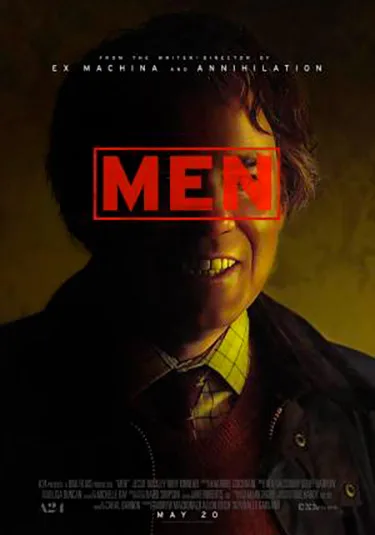
*"Men: Alex Garland’s Misogyny Cult Film or How to Drown in Your Own Symbolism"*
⚡Del mismo director (Alex Garland): analiza la evolución o degradación de su estilo.
Alex Garland delivers a rural horror pamphlet with more pretension than substance. Jessie Buckley suffers, the English countryside seethes, and the patriarchy disguises itself as allegory. Masterpiece or pretentious drivel?
 ⚡ Ácido Cítrico7.5
A Ghost Story: A Journey Through Time and Memory
⚡Consagradas en el olimpo transgresor con 🔥 Fusión Nuclear.
The Claqueta Ácida review of A Ghost Story, a film that explores existence and human connection.
 🔥 Fusión Nuclear8.0
*Backrooms: The Maze of Madness – A Descent into Overhyped Nothingness*
⚡Consagradas en el olimpo transgresor con 🔥 Fusión Nuclear.
*A scathing takedown of the horror series everyone’s raving about—spoiler: it’s not that deep.*
Editorial Ecosystem
Cinephile connections, archive interviews and related analyses.
🎞️ In Claqueta Cinematheque1
💬 Debate Cinéfilo & Autopsia de Lectores
0 veredictos¿Discrepas con nuestra nota? ¿Es una obra maestra o veneno puro? Deja tu veredicto abajo sin necesidad de registro.

Aún nadie ha dejado su veredicto para esta película.
Sé el primero en clavarle el colmillo rellenando el formulario de arriba.