Funny Games — Haneke Tortures Us with a Sadistic Smile—and We Love It
A satirical and squirm-inducing review of Michael Haneke’s modern Austrian cinema classic. A meta-cinematic essay that shames the viewer for their thirst for violence.

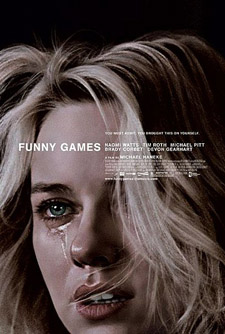

Michael Haneke isn’t a director—he’s an executioner with a camera. A surgeon who operates without anesthesia on the moral tumors of a society addicted to violence packaged as entertainment. Funny Games (1997) isn’t a horror film, though it leaves you colder than any ‘80s slasher. It’s not a thriller, though it keeps you on the edge of your seat until the final frame. It’s a lab experiment where the test subject isn’t the characters—it’s us, the audience, those passive voyeurs who buy tickets to watch a family get emotionally and physically dismantled while munching on popcorn with the same indifference Paul and Peter (the two young men in white gloves) sip lemonade before smashing someone’s kneecaps.
The Happy Family: A Portrait of the Bourgeoisie as Sitting Ducks
Haneke picks his victims with surgical precision: Anna (Susanne Lothar), Georg (Ulrich Mühe), and their son Georgie (Stefan Clapczynski) aren’t just any family. They’re the archetype of the European upper-middle class—polite, civilized, owners of a lakeside summer home straight out of an IKEA catalog. Their greatest sin isn’t being rich but believing their status shields them from barbarism. That evil is something that happens to other people—those poor souls in rough neighborhoods or watching cheap slashers on VHS.Haneke’s genius lies in how he shatters that illusion of safety from the very first shot. The film opens with a lateral tracking shot following the family car as Nessun Dorma blares from the speakers. The music, grand and operatic, clashes with the banality of the scene: Anna argues with her son over the radio volume. It seems innocuous, but Haneke is already toying with us. Opera, a symbol of high culture, mixes with domestic squabbling, reminding us that horror doesn’t distinguish between the sublime and the mundane. When the two young men appear, impeccable in their white polo shirts, the irony is crushing: evil doesn’t wear a hockey mask or a butcher’s knife. It wears Lacoste and smiles politely.
The Egg Incident: How Haneke Turns the Mundane into Nightmare
The borrowed-eggs scene is one of modern cinema’s most brilliant moments. No tense music, no subjective shots, no close-ups of knives. Just a long take of Peter (Frank Giering) asking for eggs with a Boy Scout smile. Anna, polite but wary, hands him a dozen. Peter breaks them one by one, calmly, as if performing a piece of contemporary art. "Don’t you have more eggs?" he asks. Anna, increasingly nervous, offers more. Peter insists. "You sure you don’t have more?" The repetition, the insistence, the unshakable smile—Haneke turns a trivial gesture into a ritual of domination.What’s terrifying isn’t what we see but what we don’t see. When Peter breaks the last egg and says, "Thanks, ma’am," the camera lingers on Anna’s face, which for the first time looks directly at the audience with an expression of pure horror. Not fear of what’s coming but the certainty that it’s already happened. Haneke doesn’t need explicit violence to convey terror. A broken egg and a smile are enough.
Breaking the Fourth Wall: When the Villain Winks at You
What sets Funny Games apart from any other horror film is its constant breaking of the fourth wall. Paul (Arno Frisch) isn’t your typical villain. He’s not Hannibal Lecter, seducing you with his intellect, or Freddy Krueger, cracking jokes. He’s a class-conscious sociopath, a manipulator who knows he’s in a movie and has no problem reminding you of it.In one of the film’s most uncomfortable moments, Paul looks straight at the camera and asks, "Do you think they’re gonna win?" It’s not a rhetorical question. It’s an accusation. Haneke forces us to confront our complicity as viewers. Why are we still watching this? Are we waiting for a happy ending? Or, deep down, do we enjoy watching others suffer? Paul doesn’t just torture the family—he tortures us, reminding us that by buying a ticket, we’ve signed a tacit contract with violence.
This isn’t new in cinema (Godard played with self-reference in the ‘60s), but Haneke takes it to a level of intellectual sadism rarely seen. When Paul rewinds the film with a remote control after Anna shoots him, he’s not just mocking the audience’s expectations. He’s deconstructing cinema itself. In that moment, Funny Games stops being a movie and becomes an essay on the power of film as a tool of manipulation.
The Sound of Silence: How Haneke Uses Audio to Torture Us
The Funny Games soundtrack is, in essence, the absence of music. No dramatic scores, no violins signaling danger. Just silence, muffled screams, and the sound of everyday objects turned into weapons: a golf club smashing a kneecap, a remote control used as a bludgeon, the crunch of a bone breaking off-screen.Haneke understands that sound is scarier when you don’t expect it. In one scene, Georgie (the son) is tied up on the floor while the kidnappers debate what to do with him. Suddenly, there’s a dull thud off-screen. The camera doesn’t move. We don’t see what happened. We only hear the child’s stifled sobs. The horror isn’t in what you see but in what you imagine.
This formal choice isn’t accidental. Haneke rejects explicit gore because he knows real violence isn’t aesthetic. There are no elegant choreographies or well-lit fake blood. There’s pain, chaos, and the sound of flesh tearing. By denying us visual catharsis, he forces us to fill in the blanks with our own imagination, which is always crueler than any image.
The Ending: When Haneke Spits in Your Face
The climax of Funny Games is a white-gloved gut-punch. After twelve hours of psychological torture, Anna and Georg are murdered. No redemption, no poetic justice. Just the void.But Haneke doesn’t stop there. In the final minutes, Paul and Peter show up at another house, asking another family for eggs. The cycle repeats. No moral, no lesson learned. Just the realization that evil is cyclical, banal, and, above all, boring. As viewers, we expect an ending that stitches the wound shut, but Haneke denies us even that comfort.
The last shot is a lateral tracking shot over the lake, identical to the opening. The camera pulls away, indifferent. The world keeps turning. The family has been erased from existence as if they never mattered. And we, the audience, are left with the uncomfortable feeling that we’ve been complicit in something we knew was coming all along.
finalExplicado: "Paul y Peter irrumpen de nuevo en la casa de la vecina, matan a su marido y obligan a Anna a jugar “el juego frío o caliente” para encontrar al perro. Anna descubre el cadáver del niño, Paul la obliga a rezar en voz alta y, al fallar, le dispara en la cabeza. Georg muere desangrado. Peter y Paul, impasibles, eligen otra casa y el ciclo reinicia. Simbólicamente, el final significa que la violencia no tiene cierre ni catarsis: es un loop infinito que solo existe porque el espectador lo demanda. Haneke rompe la cuarta pared para humillarnos: al rogar que la familia sobreviva, confirmamos nuestra complicidad sadomasoquista. No hay escape, solo la certeza de que pagamos por ver cómo se repite la masacre."
The best
- Arno Frisch’s charisma: Paul isn’t a villain—he’s a sociology professor with a god complex, and Frisch plays him with a mix of sadism and condescension that makes him one of cinema’s most hateable (and fascinating) characters.
- Violence off-screen: Haneke proves that terror isn’t in what you see but in what you don’t dare imagine. Every off-screen blow is a dagger to the viewer’s conscience.
The worst
- The moralizing sermon: Sometimes, Haneke overplays his hand and turns his film into a pamphlet about the audience’s complicity. As if we needed a pretentious Austrian to remind us that watching violence in movies turns us into monsters.
- The deliberately slow pacing: There are moments when the psychological torture drags to the point of exhaustion, not because it’s necessary but because Haneke enjoys watching us suffer. Like a cat playing with a mouse before killing it.
The Verdict of Claqueta Ácida (8.5/10)
Funny Games isn’t a movie. It’s an experiment in intellectual sadism disguised as arthouse cinema. Haneke doesn’t want to entertain you—he wants to flay you alive, twist the knife, and remind you that, in the end, you paid to watch a family get destroyed. It’s brilliant, uncomfortable, necessary, and, above all, unbearable in the best possible way. If you leave the theater feeling like your mind’s been violated, congratulations: Haneke’s done his job. Cinema as a weapon of mass destruction.🎬 Tráiler Oficial
Abrir en YouTube
Ending Explained: Funny Games
Ficha de Daños Colaterales en Sala
Certificado de impacto psicofísico emitido por Bastian Noir
Cero bostezos. Pupilas dilatadas y tensión mandibular constante.
Ni una sola mirada al móvil.
Ninguna. Guarda el café para la sesión siguiente.
"Inexistente: pulso de hierro hasta los créditos finales."
💬 El Veredicto de la Comunidad
¿Qué te ha parecido la película? Deja tu nota de 0 a 10 para contrastarla con el análisis de la redacción.
Aún no has votado
📢 ¿Te ha gustado el ácido?
Comparte esta crítica con tus amigos cinéfilos o desata la polémica en redes.
⚡ THE CINEMATIC VENOM YOUR INBOX CRAVES
No sugarcoated ratings, no corporate fluff. Subscribe for our uncensored weekly analysis or join the private Telegram for press previews, poll clashes, and instant alerts.
Alertas de estrenos en 1 segundo, encuestas en caliente y audios al salir de pases de prensa.
Recibe la dosis semanal en tu mail + regalo inmediato del PDF con 50 joyas ocultas de culto.
Related Reviews
Recommended autopsies for demanding film buffs.
 🔥 Fusión Nuclear8.7
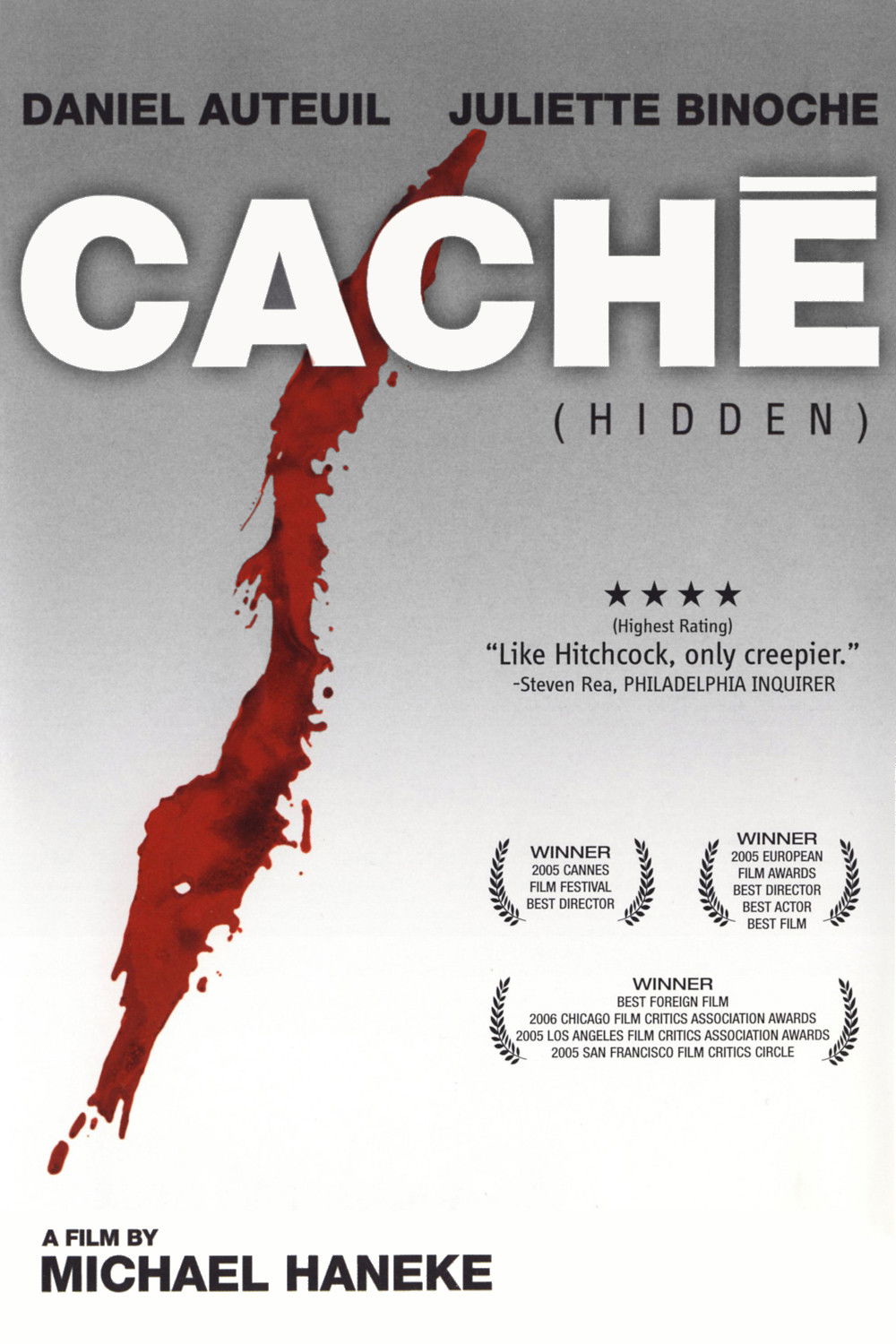
**Caché (Hidden): The Silence That Screams and the Guilt That Won’t Forgive**
⚡Del mismo director (Michael Haneke): analiza la evolución o degradación de su estilo.
Michael Haneke dissects the French bourgeoisie with a psychological thriller that stings worse than a switchblade. Or is it just a hall of mirrors?
 🔥 Fusión Nuclear9.2
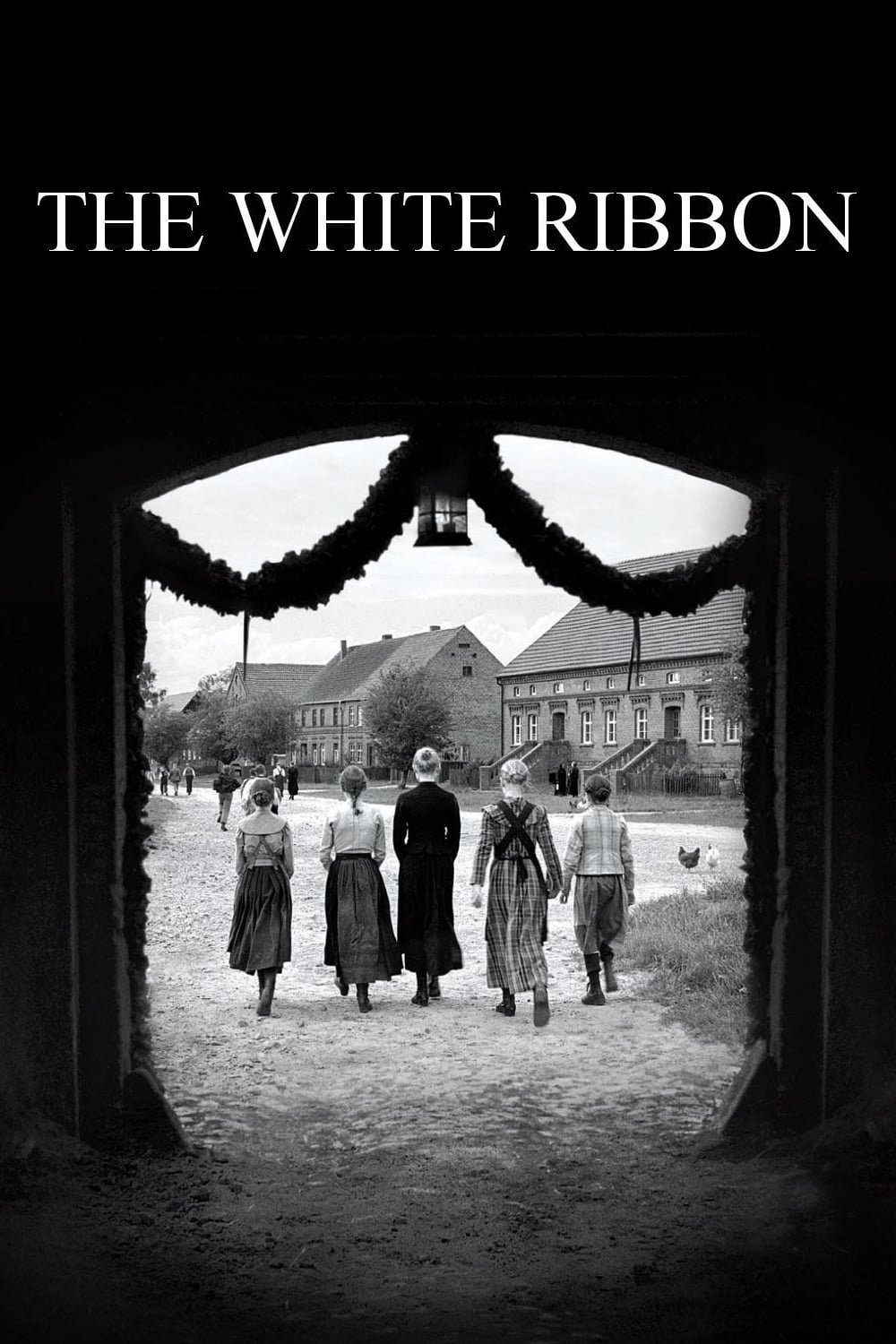
The White Ribbon: The Silence That Screams (And No One Bothered to Listen)
⚡Del mismo director (Michael Haneke): analiza la evolución o degradación de su estilo.
Haneke dissects fascism with a silver scalpel in stark black and white. Cold, cruel, and essential. 9.2/10, but don’t you dare watch it on a Sunday.
 🔥 Fusión Nuclear8.7
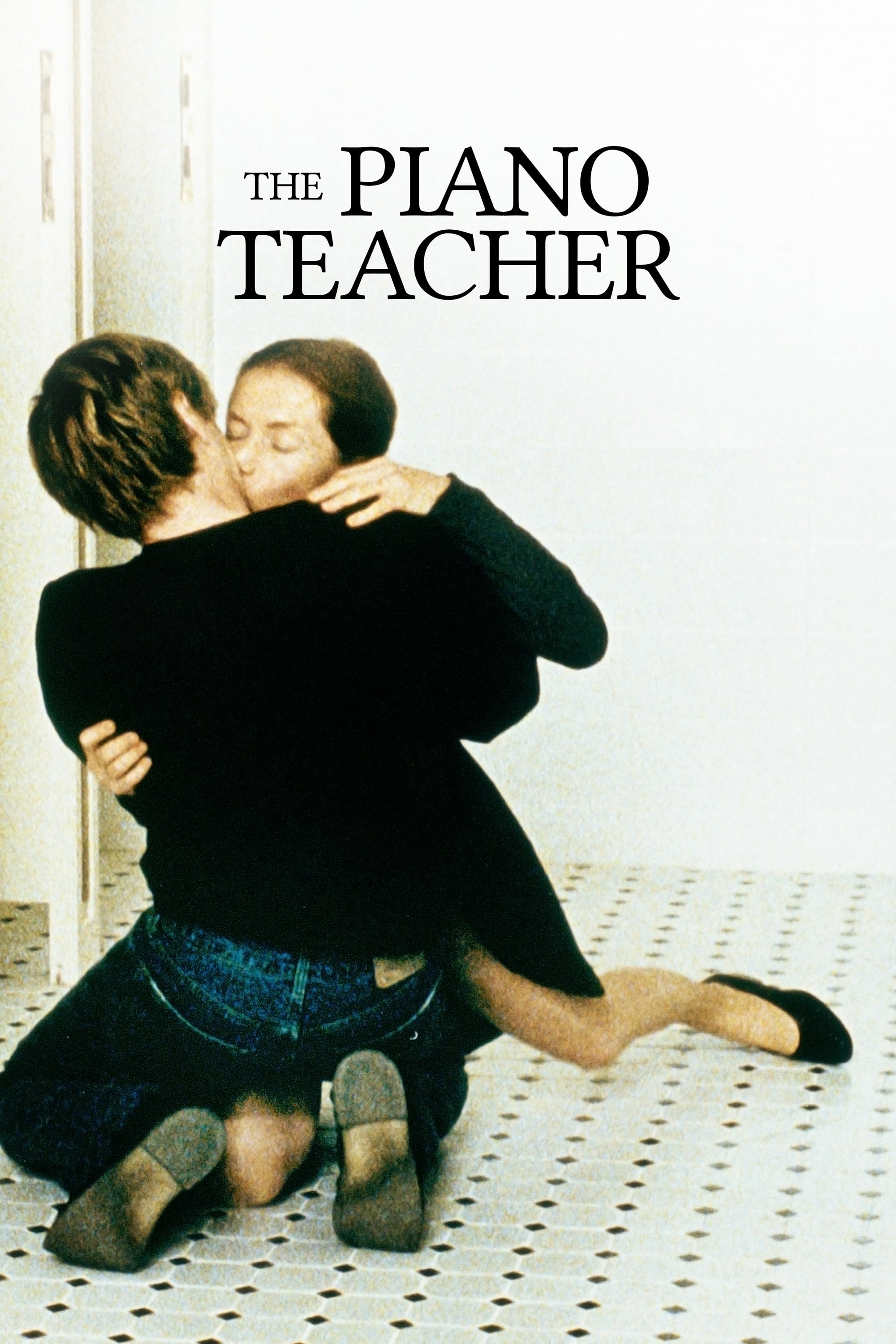
The Piano Teacher: Haneke Flays the Soul with Ivory Keys and Razor Blades
⚡Del mismo director (Michael Haneke): analiza la evolución o degradación de su estilo.
Isabelle Huppert in a role that burns. Haneke turns the conservatory into an emotional slaughterhouse. Pain, silence, and a mother worse than hell itself.
Editorial Ecosystem
Cinephile connections, archive interviews and related analyses.
🎞️ In Claqueta Cinematheque3
💬 Debate Cinéfilo & Autopsia de Lectores
0 veredictos¿Discrepas con nuestra nota? ¿Es una obra maestra o veneno puro? Deja tu veredicto abajo sin necesidad de registro.


Aún nadie ha dejado su veredicto para esta película.
Sé el primero en clavarle el colmillo rellenando el formulario de arriba.