

Hard Candy — The Perfect Trap and the Taste of Revenge
A suffocating and uncomfortable chamber psychological thriller where Elliot Page and Patrick Wilson play cat and mouse in one of the best debut films of the 2000s.


Hard Candy: full review


As an Amazon Associate, Claqueta Ácida earns from qualifying purchases.
Few films from early-2000s independent cinema retain an impact as intact, uncomfortable and magnetic as Hard Candy. The feature debut of David Slade — who came from the world of high-concept music videos for bands like Muse and System of a Down — still stands, two decades after its release, as a genuine masterclass in claustrophobic tension and narrative subversion. The film takes the classic myth of Little Red Riding Hood and the Big Bad Wolf and turns it completely inside out to build an electrifying chamber drama about online child grooming, vigilante justice and the rot hidden behind bourgeois neatness.
The premise starts with an apparent and deeply murky simplicity. Jeff (Patrick Wilson), a 32-year-old fashion photographer, meets Hayley (Elliot Page), a 14-year-old girl he met weeks earlier in an internet chat room, at a coffee shop. After a conversation loaded with ambiguous flirting, they go to Jeff’s house, a modern, minimalist, isolated space. The first scenes are soaked in an unbearable tension of grooming and manipulation in which the viewer fears the worst. However, as soon as Jeff believes he has total control of the situation and gets ready to photograph the girl, the tables turn drastically and violently: Jeff collapses from a sedative and wakes up bound to a chair in his own living room. Hayley is no naive victim; she is a cold, methodical, cerebral avenger who has set the perfect trap after investigating Jeff’s past, convinced that he is a serial predator responsible for the disappearance and death of several local girls.
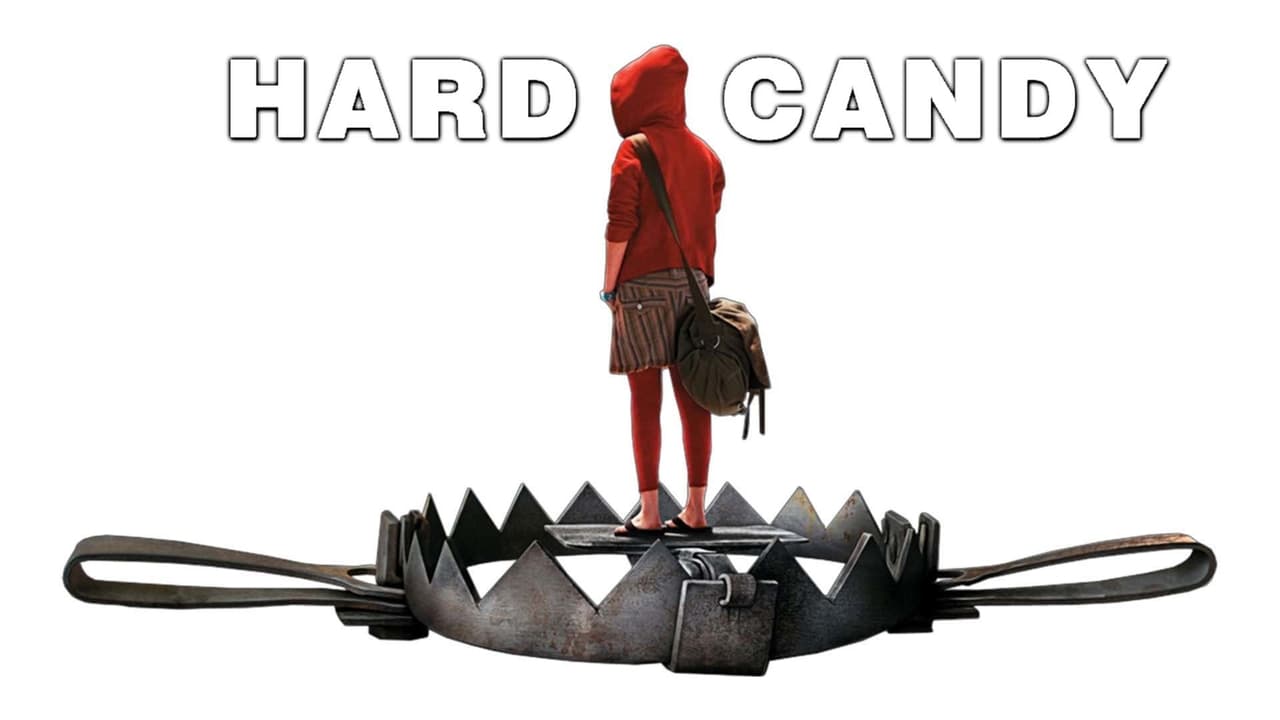
What follows is a devastating psychological and physical interrogation. Brian Nelson’s brilliant script is structured like a verbal fencing duel and a relentless trial in which the power dynamics constantly mutate. As Hayley searches the house for incriminating evidence and subjects Jeff to agonizing psychological torture — culminating in the famous, chilling sequence of the supposed surgical castration — the film puts the viewer in a deeply uncomfortable ethical dilemma. On the one hand, we want an abominable predator exposed and punished; on the other, we are terrified by the inhuman coldness and surgical detachment with which a teenager carries out her own sentence without any due process.
At the center of this acting duel shines a young Elliot Page, who delivered here one of the most dazzling and mature debut-era performances in contemporary American cinema. Page pulls off the feat of switching in seconds from the look of an innocent girl eating candy to the icy stare of an implacable executioner. Opposite Page, Patrick Wilson does colossal work, avoiding the schematic villain to show a man who swings between manipulative cynicism, terrified cowardice and visceral panic.
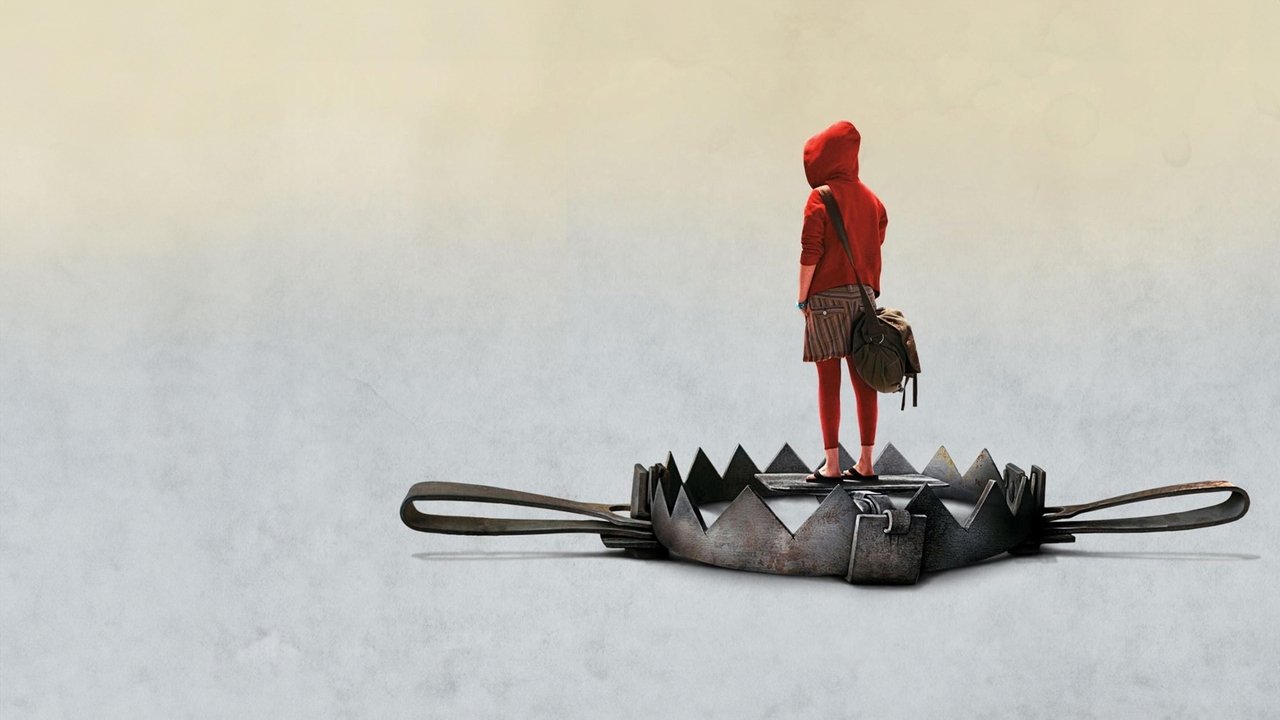
Visually, Jo Willems’ cinematography and the art direction stand out for their symbolic and aggressive use of color. The loud red of Hayley’s hoodie clashes violently with the whites, greys and metallic tones of Jeff’s antiseptic house, turning it into an operating room or a stylized cage.
The film also stands out for its use of architectural space as a suffocating trap. Far from being a cozy home, Jeff’s house is a structure of straight lines, cold glass and surgical finishes. That catalog neatness works as a metaphor for the predator’s social mask: an impeccable, avant-garde facade hiding dark secrets in its rooms and atrocious photographic files. Slade frames his shots with rigorous symmetry and claustrophobic compositions that shrink the characters, turning the house into a mental labyrinth from which neither opponent can escape without leaving shreds of their humanity behind.

It is also astonishing how far Hard Candy anticipated, by two decades, today’s conversations about grooming and the dangers of our digital footprint. Released in 2005, when internet chat rooms were still seen as spaces of innocent anonymity, the film exposed with prophetic vision how vulnerable young people are to predators hiding behind screens. It needs no fantastic monsters or constant explicit violence; exposing the buried violence of psychological manipulation and the devastating impact of abuse is enough. Hard Candy is an impeccable chamber thriller, sharp as a scalpel, that remains as intelligent, visceral and uncomfortable today as on day one.
The best
- Elliot Page’s towering performance: An unforgettable screen breakthrough, full of nuance, coldness and astonishing stage maturity.
- Brian Nelson’s script: Razor-sharp dialogue that keeps the tension at its peak for 100 minutes without leaving four walls.
- The visual and color design: The red of Hayley’s hoodie against the clinical neatness of the house heightens the nightmarish atmosphere.
- Patrick Wilson’s work: He portrays with great subtlety the physical and emotional degradation of a cornered manipulator.
The worst
- Scenes of agonizing tension: The improvised-operation sequence is deliberately unbearable to watch for sensitive viewers.
- Uncompromising moral ambiguity: The film’s refusal to offer a comforting ethical resolution may leave a bitter or puzzling aftertaste.
- A confined setting: Its chamber-drama roots may feel theatrical to those who prefer thrillers on a larger spatial scale.
The Claqueta Ácida Verdict
Hard Candy is a modern classic of psychological suspense and a masterclass in building maximum-tension cinema with barely two actors and one location. A brutal, stylized duel that subverts power dynamics and turns the internet predator into helpless prey. Backed by two monumental performances and impeccable direction, it remains as visceral, brilliant and deeply uncomfortable an experience as it was in 2005.Ending Explained: Hard Candy
Hard Candy: frequently asked questions
- What is the rating of "Hard Candy" on Claqueta Ácida?
- "Hard Candy" scored 8.2/10 on Claqueta Ácida in the review by Silvia Mordaz.
- Is "Hard Candy" worth watching?
- Yes. We gave it 8.2/10 (Nuclear Fusion), our rating for must-see films.
- Who directed "Hard Candy"?
- "Hard Candy" was directed by David Slade.
- How does "Hard Candy" end?
- Spoilers in Hard Candy ending explained .
Theater Collateral Damage Report
Psychophysical impact certificate issued by Silvia Mordaz
Cero. La pantalla absorbió cada segundo de atención disponible.
Ni una sola mirada al móvil.
How much second-hand embarrassment the film causes (10 = maximum). It is not the review score.
Ninguna: la adrenalina cinematográfica es suficiente.
"Inexistente: pulso de hierro hasta los créditos finales."
💬 Community Verdict
What did you think of the film? Rate it from 0 to 10 to compare it with the editorial review.
You haven't voted yet
📢 ¿Te ha gustado el ácido?
Comparte esta crítica con tus amigos cinéfilos o desata la polémica en redes.
⚡ THE CINEMATIC VENOM YOUR INBOX CRAVES
No sugarcoated ratings, no corporate fluff. Subscribe for our uncensored weekly analysis or join the private Telegram for press previews, poll clashes, and instant alerts.
Alertas de estrenos en 1 segundo, encuestas en caliente y audios al salir de pases de prensa.
Recibe la dosis semanal en tu mail + regalo inmediato del PDF con 50 joyas ocultas de culto.
By subscribing you agree that we use your email only to send you the newsletter. Unsubscribe at any time. Privacy policy
Related Reviews
Recommended autopsies for demanding film buffs.
 🔥 Fusión Nuclear 9.3
2001: A Space Odyssey — The Day Kubrick Left Us Speechless (and Oxygenless)
⚡ Afinidad temática directa en atmósfera, estilo y fijaciones visuales.
Kubrick turned science fiction into pure art: 149 minutes of eloquent silence, bone-wielding apes, and a psychopathic computer. Masterpiece or pretentious fraud? Here’s the verdict.
 🔥 Fusión Nuclear 8.5
*A Clockwork Orange: The Sweet, Rusty Aftertaste of Violent Haute Couture*
⚡ Afinidad temática directa en atmósfera, estilo y fijaciones visuales.
A scathing review of Kubrick’s masterpiece, where ultraviolence meets 60s fashion in a twisted pas de deux.
 🔥 Fusión Nuclear 8.5
*Airbag: The 90s’ Orgy of Chaos with Style (or How the Decade Taught Us to Laugh at Death)*
⚡ Afinidad temática directa en atmósfera, estilo y fijaciones visuales.
Juanma Bajo Ulloa turns mayhem into art with this psychedelic road movie, where the A/C reeks of cheap whiskey and the celluloid sweats testosterone. A cult gem that time hasn’t been able to tarnish.
Editorial Ecosystem
Cinephile connections, archive interviews and related analyses.
💬 Debate Cinéfilo & Autopsia de Lectores
¿Discrepas con nuestra nota? ¿Es una obra maestra o veneno puro? Deja tu veredicto abajo sin necesidad de registro.
📏 Normas: se critica la película, no a las personas. Los insultos y los ataques personales se pueden borrar.


