Freaks — When the Big Top Becomes a Chamber of Horrors (and Humanity Checks Out)
Tod Browning gifts us a freak show where the real monstrosity is human morality. 64 minutes of macabre genius that MGM tried to bury six feet under.

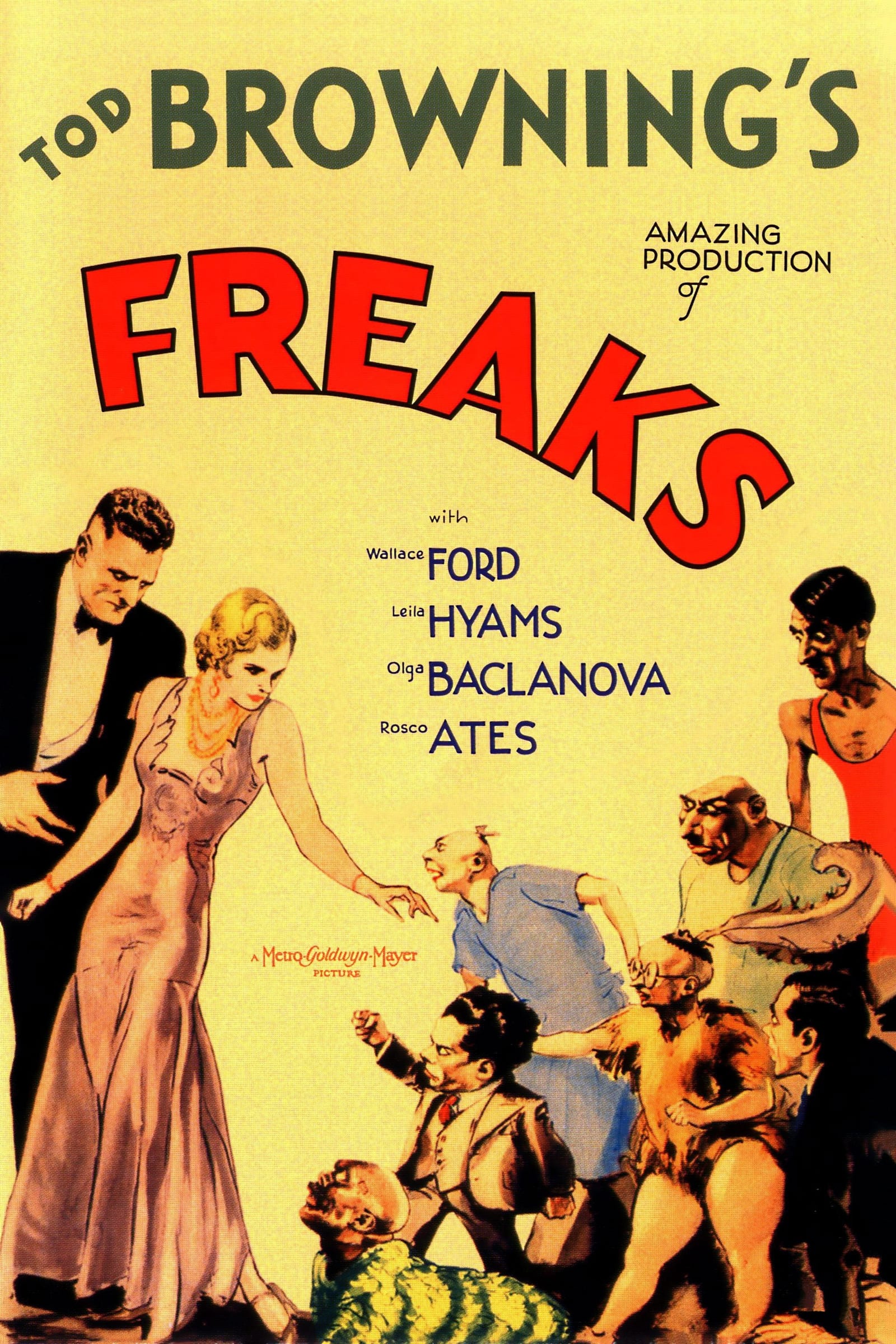

Celluloid crackles under Tod Browning’s fingers like the parched skin of an exhumed corpse. Freaks (1932) isn’t a film—it’s a pagan ritual shot on Metro-Goldwyn-Mayer’s soundstages, an act of cinematic witchcraft the studio tried to drown in a sea of cuts and censorship. Browning, that maestro of the grotesque who’d already gifted us Dracula (1931) with Bela Lugosi, decided this time that monsters wouldn’t be cardboard cutouts but flesh-and-blood human beings—deformed, crippled, dwarves, bearded ladies, limbless men. The circus becomes a microcosm where human morality rots like meat left in the California sun. MGM, that factory of saccharine dreams, wasn’t prepared for its own big top to become a funhouse mirror reflecting the hypocrisy of Depression-era America. The result? A scandal, a box-office flop, and a masterpiece that, like a ghost, refused to die, resurrecting decades later as a cursed classic adored by filmmakers and cinephiles who see in its frames the DNA of every exploitation film to come.
The context couldn’t be more ironic. It’s 1932, the height of the Hays Code, that puritanical bible scrubbing cinema of all sin. The industry, terrified of government intervention, imposed brutal self-censorship. And into this climate of repression steps Tod Browning, a man who’d worked in real circuses and knew the world of freaks like the back of his hand. He decides to make a film where the real monsters aren’t the deformed but the 'normal' humans who exploit them. MGM, which had produced Dracula with Browning just a year earlier, trusted him blindly—unaware the director was about to stab them in the back. When the film premiered, audiences fled theaters in horror. Critics savaged it, calling it 'repugnant' and 'degenerate.' MGM, mortified, slashed the runtime from 90 to 64 minutes, excising key scenes we can now only imagine through stills and scripts. Freaks became a cursed film, screened at midnight shows and underground festivals. But like all things forbidden, its legend grew, turning it into a cult object, a symbol of resistance against moralism and hypocrisy.
The screenplay by Willis Goldbeck, based on Tod Robbins’ story Spurs, is a gem of gothic, macabre storytelling. The tale of Hans, the dwarf who inherits a fortune, and Cleopatra, the trapeze artist who tries to seduce him for his money, is a moral fable where traditional roles are perversely inverted. Here, the freaks aren’t passive victims but a tight-knit family who fight tooth and nail against the abuses of the 'normal.' The finale—a bacchanal of vengeance in the rain as the freaks hunt Cleopatra and Hercules—is one of the most shocking moments in 1930s cinema. No special effects, no exaggerated makeup, just real, deformed bodies brimming with rage, moving like a pack of starving wolves. The script isn’t flawless—it has moments of cheap melodrama and character development that occasionally slips into stereotype. But these flaws pale next to the power of its premise: Freaks isn’t a film about monsters but about the monstrosity of normalcy.
The cinematography by Merritt B. Gerstad is a chiaroscuro masterpiece, a play of light and shadow turning the circus into a labyrinth of nightmares. Night scenes, lit by oil lamps and candles, have a near-tactile texture, as if you could feel the cold dew on the circus tent. Gerstad, who’d worked on films like The Big House (1930), demonstrates absolute mastery of framing and composition. Every shot is laden with symbolism: the freaks always appear in groups, like a protective pack, while the 'normal' are often isolated, surrounded by empty space reflecting their moral loneliness. The wedding sequence, where Cleopatra and Hercules are humiliated by the freaks in an initiation ritual, is a perfect example of how cinematography can amplify horror without special effects. The camera moves with hypnotic slowness, as if documenting an ancient rite, and the close-ups of the freaks’ deformed faces are so jarring they’re impossible to forget.
The best
- Tod Browning’s direction: A fearless, brilliant exercise that turns the circus into a Dantean hellscape.
- The real freaks’ performances: They don’t act—they exist, and that authenticity is devastating.
- Merritt B. Gerstad’s cinematography: A play of light and shadow turning every frame into a visual nightmare.
- Willis Goldbeck’s script: A macabre tale where the real monsters are the 'normal' humans.
- The finale: A bacchanal of vengeance in the rain that’s impossible to forget.
The worst
- The uneven pacing: Some moments drag, breaking the narrative tension.
- Excessive melodrama: Some performances veer into histrionics, softening the story’s rawness.
- MGM’s censorship: The original 90-minute cut is lost, leaving a mutilated Frankenstein.
- Stereotypes: Some characters are drawn with broad strokes, falling into clichés of the era.
- The score: Sparse and, at times, too conventional for such a transgressive film.
The direction: Browning, the surgeon of the grotesque
Tod Browning doesn’t direct Freaks—he dissects it. With surgical coldness, the director lays bare humanity’s entrails, leaving them exposed, pulsing and bloody, under the circus lights’ harsh glare. Browning, who’d worked as a clown and circus performer before turning to film, knew the world of freaks better than anyone. He doesn’t idealize them, nor does he exploit them. He shows them as they are: people with dreams, fears, loves, and hatreds, as complex as any human. The scene where the freaks gather around a table to celebrate Hans and Cleopatra’s wedding is a perfect example of his mastery. The camera moves among them with an intimacy bordering on the obscene, capturing their gestures, glances, and laughter. There’s no condescension in his gaze, only an almost anthropological curiosity. Browning doesn’t judge, but he doesn’t forgive either. When the freaks turn on Cleopatra and Hercules, they do so with a ferocity that’s anything but innocent. It’s righteous vengeance, but also an act of pure violence—a reminder that even the oppressed can become oppressors.The film’s rhythm is uneven, with moments of near-dreamlike slowness and others of abrupt violence. But this irregularity isn’t a flaw—it’s a stylistic choice. Freaks isn’t a linear film; it’s a sensory experience, a journey into the heart of darkness where the viewer is forced to confront their own prejudices. Browning plays with time like a juggler, stretching tension to the breaking point before cutting brutally, like a knife sinking into flesh. The finale, where the freaks chase Cleopatra through pouring rain, is a perfect example of his mastery of suspense. No music, just the sound of rain and the pursuers’ screams. The camera moves like a wounded animal, unsteady and desperate, creating a scene of almost unbearable intensity.
The performances: When reality outshines fiction
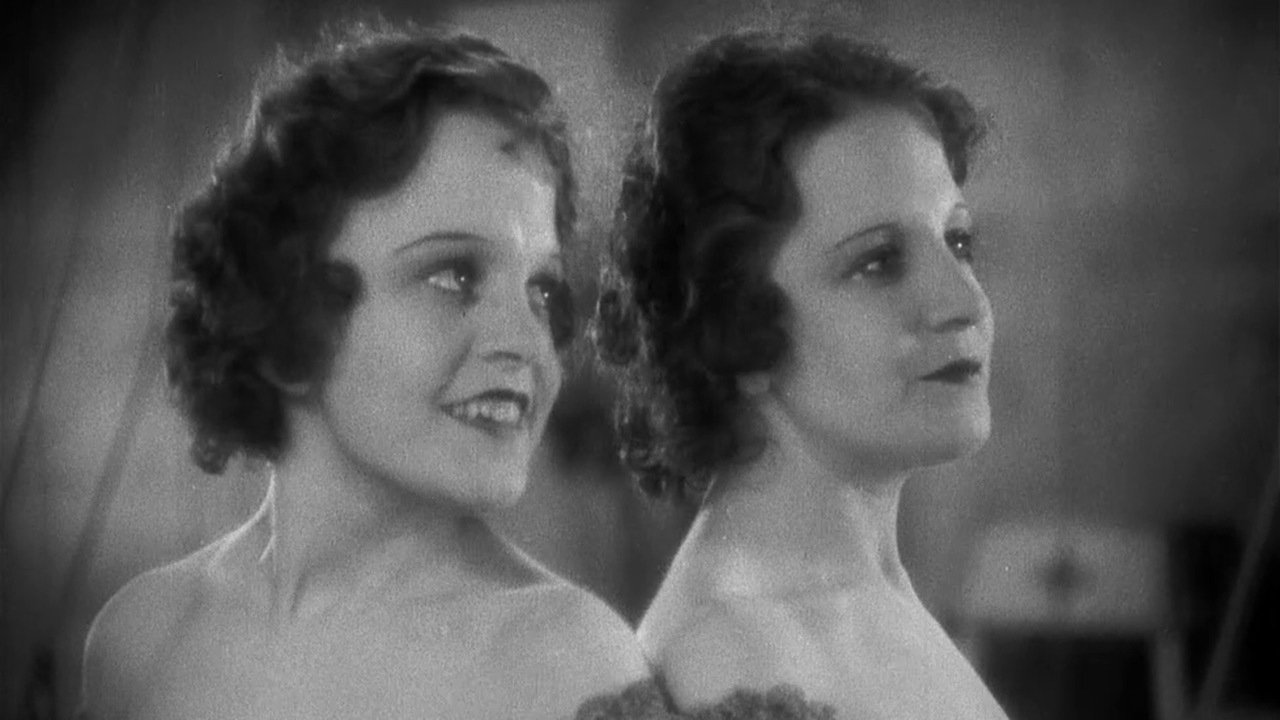
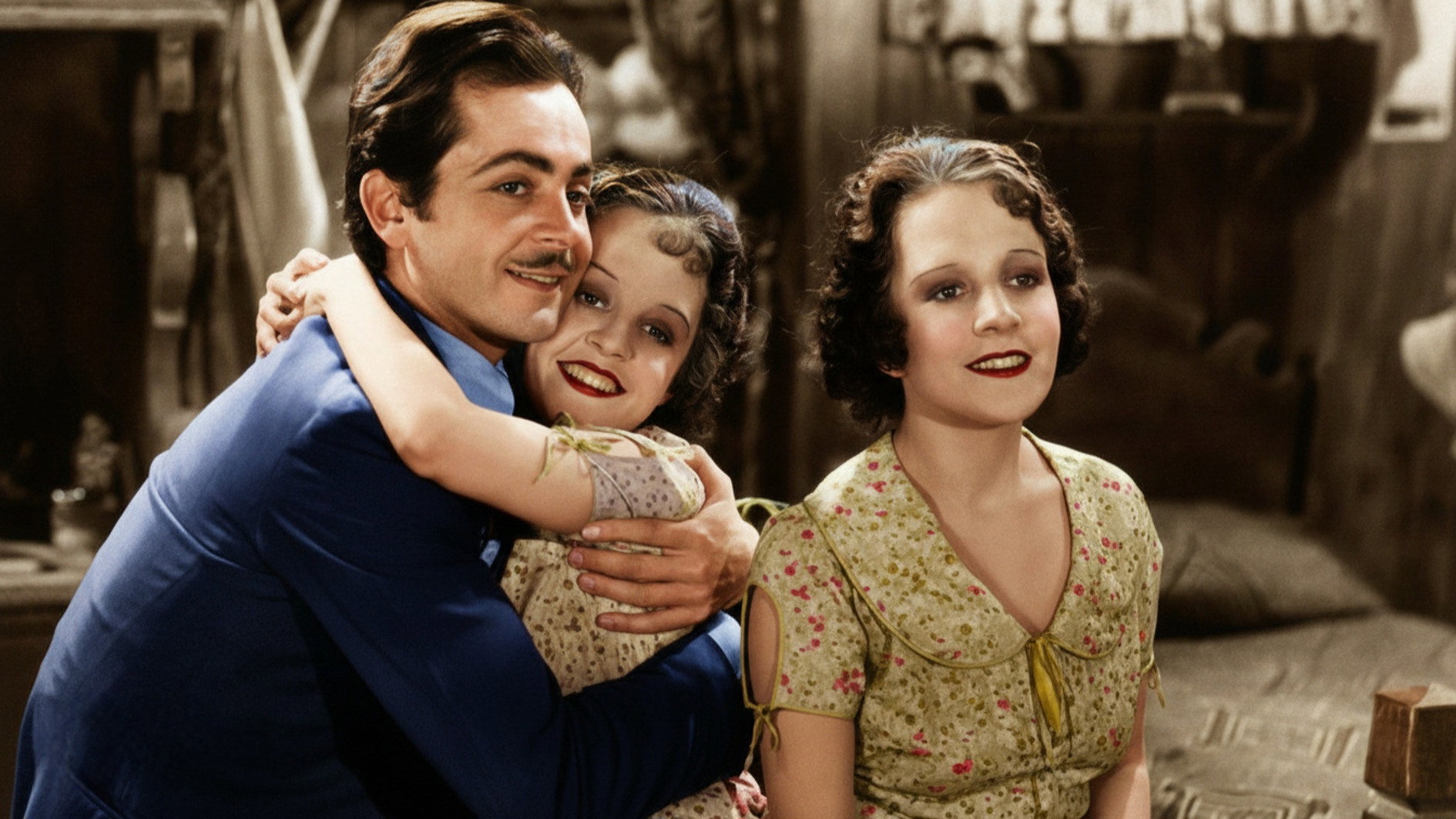
The cast of Freaks is mostly non-professional actors, many of them real circus performers. Yet their performances are so powerful they make most 'professional' actors of the era look ridiculous. Harry Earles, who plays Hans, is a revelation. His gaze, filled with an innocence bordering on the sinister, conveys more emotion than any dialogue. Earles, a real-life dwarf who worked in the circus, doesn’t act—he simply exists in front of the camera, and that authenticity makes his character deeply moving. Olga Baclanova, as Cleopatra, is the perfect villain: beautiful, seductive, and utterly ruthless. Her transformation from glamorous trapeze artist to deformed, humiliated woman is one of the film’s most shocking moments. Baclanova, a Russian actress who’d worked with directors like Josef von Sternberg, demonstrates a flair for melodrama that verges on the hysterical—but it fits the film’s tone perfectly.But the real star of Freaks isn’t an actor—it’s the freaks as a collective. Daisy Earles, Harry’s sister, plays Frieda with a sweetness that contrasts with the others’ ferocity. Prince Randian, the limbless man known as 'The Human Torso,' has a presence so powerful his silence speaks louder than any dialogue. Schlitzie, the microcephalic man, is an almost ghostly figure, a being who seems to have escaped from a nightmare. together-la-cueva-de-los-espejos-rotos" class="text-amber-400 font-black hover:text-amber-300 transition underline decoration-amber-500/40 hover:decoration-amber-300" title="[6.5/10 ⚡ Ácido Cítrico] Lee nuestra autopsia de «Together»" data-acid-interlink="together-la-cueva-de-los-espejos-rotos">Together, with their deformed bodies and intense gazes, they create a unique atmosphere, a sense of witnessing something forbidden, something that shouldn’t be seen. Yet it’s impossible to look away. Their performances aren’t 'good' in the traditional sense, but they’re real, authentic—and that makes them unforgettable.
The technical: A circus of shadows and nightmares
The production design of Freaks is a masterclass in macabre minimalism. The circus, with its ramshackle wagons and tattered tents, is a character in its own right. The sets, though simple, are rich with details that reinforce the sense of decay and abandonment. The lighting, by Merritt B. Gerstad, is one of the film’s strongest points. Night scenes, with their elongated shadows and dim lights, create a nightmarish atmosphere reminiscent of German Expressionism. The wedding sequence, lit by candles and oil lamps, is a perfect example of how light can amplify horror. Shadows move like living things, distorting the characters’ faces and creating a claustrophobic tension.The editing, though rudimentary by today’s standards, is effective in its simplicity. Browning and his editor, Basil Wrangell, opt for a slow, almost contemplative pace, allowing the viewer to immerse themselves in the circus world. Transitions between scenes are smooth, nearly imperceptible, resulting in a film that flows like a slow, dark river. The score, composed by Gaston Borch, is sparse but effective. The circus themes, with their blaring trumpets and martial drums, contrast with moments of absolute silence, creating a soundtrack that reinforces the sense of witnessing a grotesque, fascinating spectacle.
The Verdict of Claqueta Ácida
Freaks is one of those films you don’t forget—not because it’s perfect, but because it’s necessary. Tod Browning gave us a funhouse mirror where society reflects all its hypocrisy, and the result is as uncomfortable as it is fascinating. It’s not a film for everyone, not even for every cinephile. It’s a visceral experience, a journey into the heart of darkness where the monsters aren’t the deformed but those with rotten souls. MGM tried to bury it, but like all things forbidden, its legend grew, turning it into a cursed classic. Nearly a century after its release, Freaks remains as disturbing as the first day. And that, dear readers, is the true miracle of cinema. 💀🎬 Tráiler Oficial
Abrir en YouTube
Ending Explained: Freaks
Ficha de Daños Colaterales en Sala
Certificado de impacto psicofísico emitido por Dante Sangre
Cero. La pantalla absorbió cada segundo de atención disponible.
El móvil permaneció en el bolsillo donde debía estar.
Ninguna. Esta obra no necesita muletas estimulantes.
"Inexistente: pulso de hierro hasta los créditos finales."
💬 El Veredicto de la Comunidad
¿Qué te ha parecido la película? Deja tu nota de 0 a 10 para contrastarla con el análisis de la redacción.
Aún no has votado
📢 ¿Te ha gustado el ácido?
Comparte esta crítica con tus amigos cinéfilos o desata la polémica en redes.
⚡ THE CINEMATIC VENOM YOUR INBOX CRAVES
No sugarcoated ratings, no corporate fluff. Subscribe for our uncensored weekly analysis or join the private Telegram for press previews, poll clashes, and instant alerts.
Alertas de estrenos en 1 segundo, encuestas en caliente y audios al salir de pases de prensa.
Recibe la dosis semanal en tu mail + regalo inmediato del PDF con 50 joyas ocultas de culto.
Related Reviews
Recommended autopsies for demanding film buffs.
 🔥 Fusión Nuclear9.5
*2001: A Space Odyssey – A Monkey, a Monolith, and Two Hours of Cosmic Pretentiousness*
⚡Afinidad temática directa en atmósfera, estilo y fijaciones visuales.
We dissect Stanley Kubrick’s magnum opus. A visual feast of minimalism and space hypnosis that cemented "serious" sci-fi—and bored half of humanity to tears.
 🔥 Fusión Nuclear9.3
2001: A Space Odyssey — The Day Kubrick Left Us Speechless (and Oxygenless)
⚡Afinidad temática directa en atmósfera, estilo y fijaciones visuales.
Kubrick turned science fiction into pure art: 149 minutes of eloquent silence, bone-wielding apes, and a psychopathic computer. Masterpiece or pretentious fraud? Here’s the verdict.
 🔥 Fusión Nuclear8.5
*A Clockwork Orange: The Sweet, Rusty Aftertaste of Violent Haute Couture*
⚡Afinidad temática directa en atmósfera, estilo y fijaciones visuales.
A scathing review of Kubrick’s masterpiece, where ultraviolence meets 60s fashion in a twisted pas de deux.
Editorial Ecosystem
Cinephile connections, archive interviews and related analyses.
💬 Debate Cinéfilo & Autopsia de Lectores
0 veredictos¿Discrepas con nuestra nota? ¿Es una obra maestra o veneno puro? Deja tu veredicto abajo sin necesidad de registro.

Aún nadie ha dejado su veredicto para esta película.
Sé el primero en clavarle el colmillo rellenando el formulario de arriba.