Taxi Driver — Scorsese Films New York’s Sewers with Neon Poetry
An in-depth review of Taxi Driver (1976), Martin Scorsese and Paul Schrader’s masterpiece. A feverish descent into urban alienation, concealed firearms, and sleepless nights.

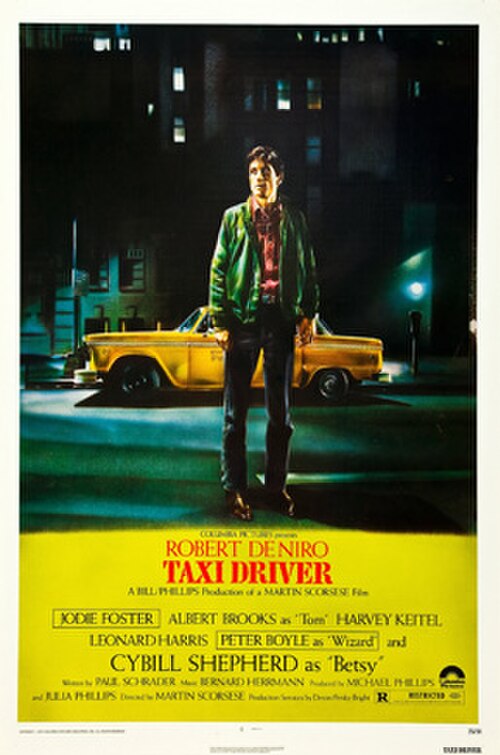

Some films don’t just capture a place and time—they become the funhouse mirror where an entire generation recognizes itself, recoils in disgust, and ultimately lets itself off the hook. Taxi Driver (1976) is that shattered mirror, that blood-and-neon testament Martin Scorsese and Paul Schrader wrote in the ink of New York’s moral bankruptcy—a city that, in those years, was little more than a landfill of rotten dreams and steaming sewers. Released at the height of New Hollywood, when American cinema still believed it could be art before profit, the film is a hallucinatory journey through the bowels of Manhattan, a labyrinth of neon lights, sewer steam, and loneliness so thick you could slice it with one of Travis Bickle’s hunting knives.
Scorsese and Schrader don’t portray loneliness as the romantic sigh Hollywood usually peddles, but as a psychological powder keg on the verge of detonation. And detonate it does. The film is an instruction manual for urban alienation, where social resentment, bargain-bin messianism, and firearms bought in sleazy motels mix into a Molotov cocktail that, ironically, ends up canonized by the very society that spawned it. Travis Bickle isn’t a hero, not even an antihero; he’s the logical product of a system that chews up individuals and spits them out as armed ghosts. And Robert De Niro, in a performance that’s pure dynamite, embodies him with an intensity that borders on unbearable.
finalExplicado_en: "Travis Bickle's blood-soaked rampage culminates in a slaughter inside the brothel, where he guns down Sport and the other pimps in a hallucinatory ballet of neon-drenched violence, then turns the gun on himself only to run out of bullets. Rescued by the authorities, he becomes a tabloid hero while Iris is returned to her parents. The ending is a savage, ironic gut-punch: Travis's messianic fantasy of purification doesn't redeem the city’s moral sewer; it simply adds another layer of filth. His survival and celebrity expose the rotten core of New York’s myth of heroism, proving the taxi driver remains trapped in the same psychological hell, smiling at us through the rear-view mirror of American delusion."
Travis Bickle: The Ghost Who Learned to Shoot
Travis Bickle is the archetype of the lone wolf, the incel before the term existed, the Vietnam vet whose empty stare seems to absorb all the light on screen. De Niro doesn’t play Travis; he is Travis, with that mix of vulnerability and latent menace that leaves the audience unsure whether to pity him or bolt for the exit. His social dysfunction is so masterfully painful: the scene where he takes Betsy (Cybill Shepherd) to a porn theater on their first date isn’t just a colossal seduction fail—it’s an act of emotional sabotage so brutal you can almost smell the disaster before it happens. Betsy, with her frozen smile and government-office innocence, is the perfect counterpoint to the rot Travis carries inside. She’s the American Dream; he’s the nightmare that dream breeds when it rots.
But where Travis reaches his interpretive peak—and where De Niro cements himself as one of cinema’s great sacred monsters—is in that improvised mirror monologue: "You talkin’ to me?" It’s not just an iconic moment; it’s the autopsy of a man who’s ceased to exist for the world and can only recognize himself through violence. The mirror doesn’t reflect his face but his void, and Travis, in an act of desperate comedy and tragedy, decides to fill it with the fantasy of being a vigilante. It’s no coincidence this scene has been parodied to death: it’s the DNA of an entire generation of tormented characters, from American Psycho’s Patrick Bateman to Phoenix’s Joker. Travis isn’t a man talking to himself; he’s a ghost rehearsing his own resurrection with bullets.
The arrival of Iris (Jodie Foster, in a performance that should’ve won her an Oscar at twelve) gives Travis the pretext he needs to justify his crusade. Iris isn’t a victim to him; she’s a symbol, an excuse to turn his misanthropy into something resembling purpose. The scene where Travis tries to "save" her from her pimp, Sport (Harvey Keitel, in a role as repugnant as it is fascinating), has nothing to do with altruism. Travis doesn’t want to liberate Iris; he wants to redeem himself through her. And when the violence erupts in that brothel, it does so with a rawness that still takes your breath away. Scorsese doesn’t glorify the shootout; he films it for what it is: a grotesque, absurd bloodbath where bodies fall amid hysterical laughter and distorted jazz. That famous overhead shot, the one that glides over the carnage like an indifferent angel, isn’t an homage to the Western or film noir—it’s a sinister mockery of the very idea of justice.
New York as the Ninth Circle of Hell
Visually, Taxi Driver is a fever dream, a visual poem to urban decay that Scorsese films as if Manhattan were Dante’s ninth circle of Hell. Michael Chapman’s cinematography is a masterpiece of filthy chiaroscuro, where the red and cyan neons of porn theaters blend with sewer steam to create an oppressive, claustrophobic atmosphere. Every frame seems drenched in sweat and acid rain, as if the city itself were oozing its own rot. Travis’s cab isn’t a vehicle; it’s a time capsule traversing the guts of a dying beast. And when the camera lingers on the faces of his passengers—a pimp, an adulterer, a corrupt politician—you realize Travis isn’t driving through New York’s streets but through the veins of a corpse.
The editing by Marcia Lucas (yes, that Marcia Lucas, George’s wife) is another of the film’s triumphs. Its slow, almost hypnotic pace reflects Travis’s insomnia, that sense of time stretching into unbearable agony. Scenes unfold like a fever dream, with transitions that feel like quantum leaps between reality and hallucination. And then there’s Bernard Herrmann’s score, that lone saxophone sounding like a lament from beyond the grave. Herrmann, who died hours after finishing the recording, composed a soundtrack that’s pure ominous melancholy, a requiem for a man who’s already dead though he still breathes. The main theme, with its syncopated rhythm and funereal jazz vibe, is the heartbeat of a heart slowly stopping.
The Climax: When Violence Becomes Art (and a Problem)
The final shootout is one of those moments where cinema transcends its nature to become something akin to a religious experience. Scorsese films it with a physical rawness that’s still shocking today: bodies twist, blood spatters the walls, and the sound of gunshots rings out like hammer blows. But the most interesting part isn’t the violence itself—it’s how the film presents it. Travis isn’t a hero; he’s a lunatic with an arsenal of pistols and a plan as absurd as his mirror monologue. And yet, when the press crowns him a civilian hero in the epilogue, you can’t help but wonder: isn’t this exactly what he wanted? Isn’t violence his way of existing in a world that’s erased him?
This is where Taxi Driver gets uncomfortable. The epilogue, with its ironic tone and suggestion that Travis has been redeemed by the society that once rejected him, has been misinterpreted for decades as an apology for violence. It’s not. Schrader and Scorsese don’t glorify Travis; they expose him as the product of a sick system. But the problem is that the film is so hypnotic, so visually dazzling, that it’s easy to fall into the trap of romanticizing his misanthropy. Travis isn’t a rebel; he’s a symptom. And the fact that society turns him into a hero in the end isn’t a critique—it’s a self-fulfilling prophecy.
The best
- Robert De Niro in his prime: A performance that oscillates between pathetic and terrifying, with an improvised monologue that redefines "pop icon."
- Michael Chapman’s cinematography and Bernard Herrmann’s score: A symphony of neon, steam, and saxophone that turns New York into another character in the film.
- Paul Schrader’s script: A relentless dissection of urban alienation, written with the bile of a Calvinist who hates the world but can’t look away.
The worst
- The ambiguous epilogue: An ironic ending that, in less capable hands, could’ve been misread as a glorification of violence (and boy, has it been misread).
- Some 70s tics: Certain editing and transition choices in the first act smell like mothballs, though the rest of the film more than makes up for it.
The Verdict of Claqueta Ácida (9.2/10)
Taxi Driver isn’t just a film; it’s a fogged-up mirror where American society looked in 1976 and saw its own gaunt face staring back. Scorsese and Schrader deliver a masterpiece of urban alienation, a hallucinatory journey through the guts of a city that’s both paradise and sewer. With a legendary performance by De Niro, cinematography that reeks of acid rain, and a script that doesn’t forgive, the film remains as relevant (and dangerous) today as it was nearly fifty years ago. Just don’t watch it if you’re looking for comfort: Taxi Driver isn’t a balm—it’s a rusty blade plunged into the side of the American Dream. And damn, does it hurt.🎬 Tráiler Oficial
Abrir en YouTube
Ending Explained: Taxi Driver
Ficha de Daños Colaterales en Sala
Certificado de impacto psicofísico emitido por Dr. Cinismo
Ni un solo parpadeo voluntario. El asiento, inusualmente cómodo.
El móvil permaneció en el bolsillo donde debía estar.
Ninguna. Guarda el café para la sesión siguiente.
"No aplica. La obra se sostiene sola."
💬 El Veredicto de la Comunidad
¿Qué te ha parecido la película? Deja tu nota de 0 a 10 para contrastarla con el análisis de la redacción.
Aún no has votado
📢 ¿Te ha gustado el ácido?
Comparte esta crítica con tus amigos cinéfilos o desata la polémica en redes.
⚡ THE CINEMATIC VENOM YOUR INBOX CRAVES
No sugarcoated ratings, no corporate fluff. Subscribe for our uncensored weekly analysis or join the private Telegram for press previews, poll clashes, and instant alerts.
Alertas de estrenos en 1 segundo, encuestas en caliente y audios al salir de pases de prensa.
Recibe la dosis semanal en tu mail + regalo inmediato del PDF con 50 joyas ocultas de culto.
Related Reviews
Recommended autopsies for demanding film buffs.
 🔥 Fusión Nuclear9.2
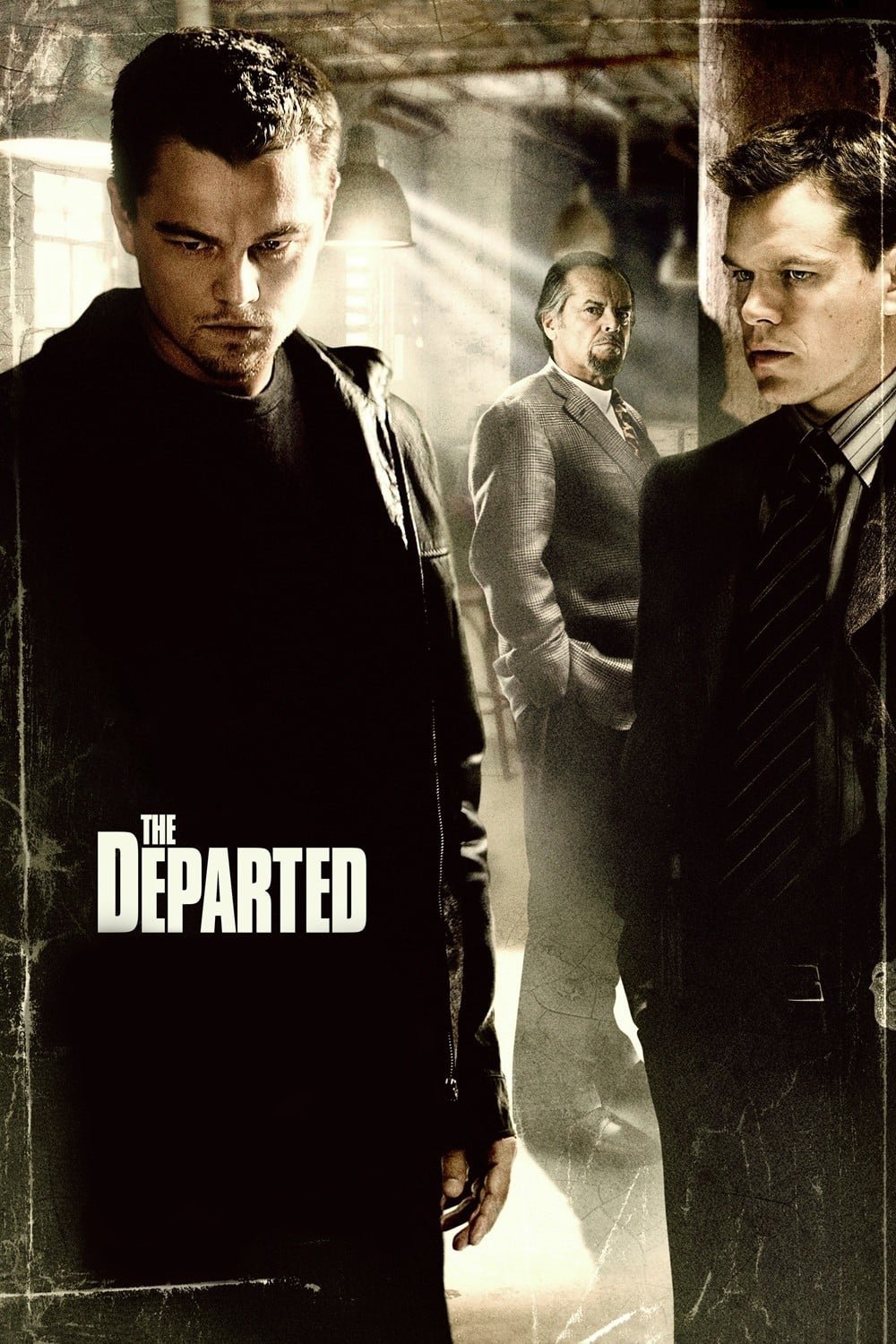
The Departed: Scorsese Plays Chess with Rats and We All Lose
⚡Del mismo director (Martin Scorsese): analiza la evolución o degradación de su estilo.
Scorsese delivers a rat-infested thriller where Boston reeks of cheap whiskey and betrayal. Nicholson steals the show, DiCaprio sweats ink, and Damon grins like a psychopath. A masterpiece with an expiration date: never.
 🔥 Fusión Nuclear8.5
"Raging Bull: The Review That’ll Knock the Wind Out of You"
⚡Del mismo director (Martin Scorsese): analiza la evolución o degradación de su estilo.
A devastating takedown of *Raging Bull*. What’s in store for you?
 🔥 Fusión Nuclear9.3
GoodFellas: Scorsese Reminds Us the Mafia Is the Last American Dream Standing
⚡Del mismo director (Martin Scorsese): analiza la evolución o degradación de su estilo.
Scorsese delivers a brutal portrait of the mob where crime doesn’t pay—but at least it makes you feel alive. Or so you think, until paranoia gnaws you down to the bone.
Editorial Ecosystem
Cinephile connections, archive interviews and related analyses.
🎞️ In Claqueta Cinematheque3
💬 Debate Cinéfilo & Autopsia de Lectores
0 veredictos¿Discrepas con nuestra nota? ¿Es una obra maestra o veneno puro? Deja tu veredicto abajo sin necesidad de registro.


Aún nadie ha dejado su veredicto para esta película.
Sé el primero en clavarle el colmillo rellenando el formulario de arriba.