The Favourite — The Game of Thrones That Never Was (And That’s Why It’s a Masterpiece)
Yorgos Lanthimos turns Queen Anne’s palace into a luxury insane asylum. Emma Stone, Olivia Colman, and Rachel Weisz dance a minuet with daggers. 9.0/10. 💀


The Favourite: full review

Queen Anne’s palace reeks of rot. This isn’t a metaphor. It’s literally the first thing you notice as the camera closes in on Olivia Colman, sprawled on her throne like a sack of potatoes with a crown, surrounded by rabbits that seem to understand politics better than she does. The Favourite isn’t a period film. It’s a documentary about power, sex, and decay, shot with the cold precision of an entomologist studying insects. Yorgos Lanthimos, the Greek who gifted us Dogtooth and The Lobster, proves once again that cinema can be elegant, brutal, and deeply unsettling all at once. No dragons, no epic battles, no grand speeches. Just three women tearing each other apart with porcelain smiles and glances sharp enough to cut glass. Welcome to Queen Anne’s court, where the real Game of Thrones is played with poisoned cakes and fake love letters.
The filming of The Favourite, by all accounts, was a hellscape of laughter and tension. Lanthimos, known for his almost clinical directing style, forced his actresses to improvise entire scenes with absurd dialogue before shooting the final takes. The goal? To make Olivia Colman, Emma Stone, and Rachel Weisz actually hate each other. Not the actresses-faking-rivalry-for-the-press kind of hate, but the three-women-trapped-in-a-gilded-cage-willing-to-murder-for-a-slice-of-power kind. The result is a chemistry so toxic you can almost smell the poison in the air. Stone, in her first serious role post-La La Land, proves she’s more than just a pretty face: she’s an actress capable of conveying ambition, vulnerability, and cruelty in a single glance. Weisz, meanwhile, devours the scenery with her signature feline grace. But it’s Colman who walks away with the grand prize: her Queen Anne is a pathetic, selfish, deeply human creature—a mix of spoiled child and senile tyrant who breaks your heart and makes you want to slap her at the same time. When she weeps over her dead rabbits (yes, her rabbits), you don’t know whether to laugh or cry with her. That’s Lanthimos’ genius: he forces you to empathize with a character who, in any other film, would be the villain of the piece.
Tony McNamara’s script, known for his work on The Great, is a masterclass in razor-sharp dialogue and cringe-inducing situations. There isn’t a single moment where the film falters: every scene is calculated to tighten the noose a little more, until the viewer ends up sweating bullets. The war against France, which should theoretically be the political backdrop, is treated as a running gag. Ministers discuss military strategy while the queen complains about her gout and her lovers stab each other in the back. It’s as if Game of Thrones and Veep had a bastard child, and that child was this film. But the real brilliance lies in how Lanthimos and McNamara turn what could’ve been a conventional historical drama into a pitch-black comedy about the loneliness of power. Queen Anne isn’t a leader; she’s a prisoner of her own court, surrounded by people who hate her, manipulate her, or ignore her. Her rabbits are her only real companions, and even they seem to judge her with their beady little eyes.
Robbie Ryan’s cinematography, with its off-center framing and wide-angle lenses that distort faces, is a statement of intent. Lanthimos doesn’t want you to see a pretty movie: he wants you to feel the weight of oppression, the claustrophobia of a palace where every corner hides a betrayal. The shots of the three leads, filmed from impossible angles, look like they’re ripped from a Baroque painting: exaggerated, grotesque, and yet hypnotic. The score, composed by Vivaldi but reimagined with a modern twist, reinforces that sense of timelessness. It’s as if Lanthimos took the 18th century, tossed it in a blender with a dash of Black Mirror, and served it up with a sadistic grin.

Direction and Mise-en-scène: The Palace as a Gilded Cage
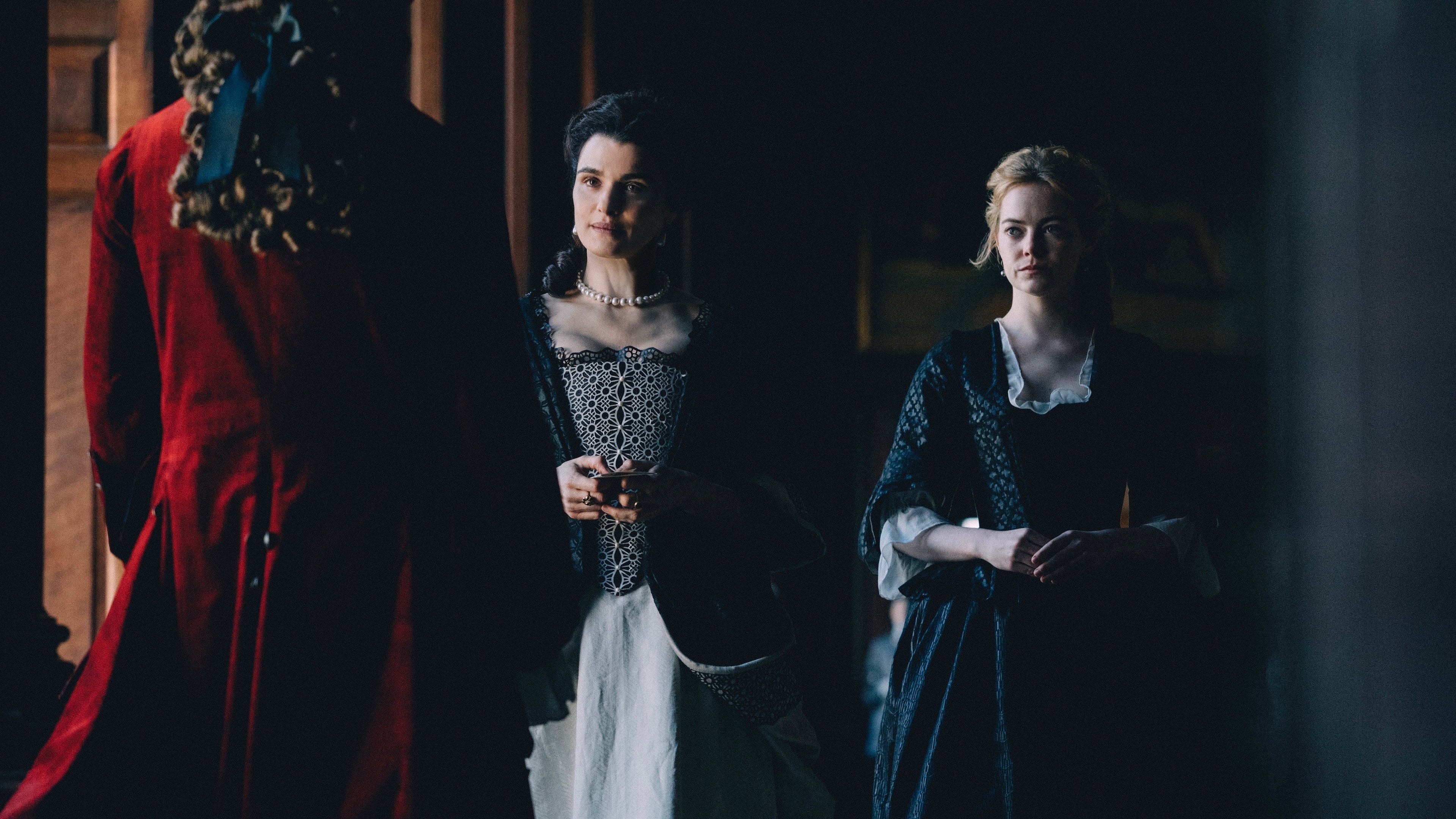
Lanthimos doesn’t direct actors—he dissects them. Every gesture, every glance, every breath is calculated to convey something beyond words. The scene where Abigail (Stone) and Sarah (Weisz) face off in a hallway, shot from a bird’s-eye view that reduces them to ants in a maze, is a perfect example of his style. No music, no dialogue, just the sound of their skirts brushing the floor and their eyes locked in a death stare. It’s a moment of pure tension, the kind that leaves you breathless. Then there’s the use of space: Queen Anne’s palace isn’t a set—it’s a character. The rooms are too large, the hallways too long, the doors too heavy. Everything is designed to make you feel trapped, just like them.
The editing, handled by Yorgos Mavropsaridis, is another highlight. The transitions between scenes are abrupt, almost violent, as if the film itself is impatient to get to the next act of cruelty. There’s a long take where Abigail and the queen dance a minuet while the court watches, and it’s so uncomfortable you can almost feel Stone’s cold sweat as she tries not to step on Colman’s dress. Lanthimos has no mercy for his characters—or his audience. He forces you to look, even when what you see repulses you.
Performances: A Trio of Corseted Assassins
Olivia Colman already won the Oscar for this role, and it’s not hard to see why. Her Queen Anne is a creature both fragile and monstrous—a woman who’s lost everything (her health, her dignity, her sanity) and has only power left, wielding it with the clumsiness of a child playing king. There’s a scene where Abigail finds her sobbing on the floor, surrounded by her rabbits, and Colman plays it with such raw vulnerability it hurts. This isn’t acting; it’s an exorcism.
Emma Stone, for her part, proves she’s more than La La Land’s girl-next-door. Her Abigail is a survivor, a woman who’s learned to navigate a man’s world using only her wits and charm. But Stone doesn’t fall into the trap of making her a one-dimensional villain: her Abigail is also afraid, she also suffers, and that’s what makes her so dangerous. When she smiles while poisoning someone, you know she’s not doing it out of malice—she’s doing it because she has no other choice.
Rachel Weisz rounds out the trio with a Sarah Churchill who’s all elegance and venom. Weisz has a gift for making even the most absurd lines sound natural, and she milks it for all it’s worth here. Her Sarah is a woman who’s dedicated her life to serving the queen, only to discover that power is a game with no winners, just survivors. When Weisz and Stone face off in that hallway scene, it’s like watching two lionesses fight over a scrap of meat. And the meat, of course, is Queen Anne.
The best
Olivia Colman’s Queen Anne: A performance that oscillates between the pathetic and the sublime. Colman doesn’t act—she inhabits* this flesh-and-blood monster, and the result is as uncomfortable as it is mesmerizing. When she weeps over her rabbits or demands more cakes, you don’t know whether to laugh or cry with her. That ambiguity is pure magic.
- Robbie Ryan’s cinematography: Lanthimos and Ryan turn the palace into a labyrinth of warped light and shadow. The wide-angle shots, off-center framing, and muted colors create an oppressive atmosphere that amplifies the claustrophobia. It’s as if the palace itself is alive and watching you.
- Tony McNamara’s script: Dialogue sharp enough to draw blood, cringe-inducing situations, and a pitch-black humor that leaves you breathless. McNamara turns what could’ve been a conventional historical drama into a dark comedy about the loneliness of power. And he makes it look effortless.
The toxic chemistry between Stone and Weisz: Two actresses at the peak of their careers, playing women who hate each other with a passion you can almost taste*. Every glance, every gesture, every word drips with venom. It’s the decade’s best duel—and there isn’t a sword in sight.
The soundtrack: Vivaldi reimagined with a modern edge, as if the Baroque composer wrote his music for a dystopia. The blend of classical and contemporary reinforces that The Favourite* belongs to no era in particular.
The worst
- The pacing in the second half: There’s a moment where the film seems to lose steam, as if Lanthimos isn’t quite sure how to wrap things up. It’s not a dealbreaker, but it’s noticeable.
- Some secondary characters: Nicholas Hoult does a decent job as Harley, but his character is little more than the archetypal ambitious courtier. The same goes for Joe Alwyn, whose Masham is so irrelevant you’ll forget he’s even in the film.
- The ending: Without spoilers, let’s just say the film’s conclusion is ambiguous and a tad frustrating. It’s not bad, but after two hours of tension, you expect something more decisive.
The Verdict of Claqueta Ácida
The Favourite isn’t a film—it’s an experience. One of those rare works that leaves you breathless, nauseous, and applauding all at once. Yorgos Lanthimos has turned a historical drama into a psychological thriller about power, sex, and loneliness, and he’s done it with an elegance that stings. Olivia Colman, Emma Stone, and Rachel Weisz don’t act—they devour each other in front of the camera, and the result is as brilliant as it is disturbing. It’s not perfect—nothing is—but it’s so close to perfection it hurts. If cinema is, as Hitchcock said, life with the boring bits cut out, then The Favourite is life without anesthesia: painful, beautiful, and absolutely essential. 💀
🎬 Tráiler Oficial
Abrir en YouTube
The Favourite: frequently asked questions
- What is the rating of "The Favourite" on Claqueta Ácida?
- "The Favourite" scored 9/10 on Claqueta Ácida in the review by Dr. Cinismo.
- Is "The Favourite" worth watching?
- Yes. We gave it 9/10 (Nuclear Fusion), our rating for must-see films.
- Who directed "The Favourite"?
- "The Favourite" was directed by Yorgos Lánthimos.
Theater Collateral Damage Report
Psychophysical impact certificate issued by Dr. Cinismo
Cero. La pantalla absorbió cada segundo de atención disponible.
Ninguna comprobación del tiempo. Se agradece la rareza.
Ninguna. Esta obra no necesita muletas estimulantes.
"Inexistente: pulso de hierro hasta los créditos finales."
💬 Community Verdict
What did you think of the film? Rate it from 0 to 10 to compare it with the editorial review.
You haven't voted yet
📢 ¿Te ha gustado el ácido?
Comparte esta crítica con tus amigos cinéfilos o desata la polémica en redes.
⚡ THE CINEMATIC VENOM YOUR INBOX CRAVES
No sugarcoated ratings, no corporate fluff. Subscribe for our uncensored weekly analysis or join the private Telegram for press previews, poll clashes, and instant alerts.
Alertas de estrenos en 1 segundo, encuestas en caliente y audios al salir de pases de prensa.
Recibe la dosis semanal en tu mail + regalo inmediato del PDF con 50 joyas ocultas de culto.
Related Reviews
Recommended autopsies for demanding film buffs.
 🔥 Fusión Nuclear 8.5
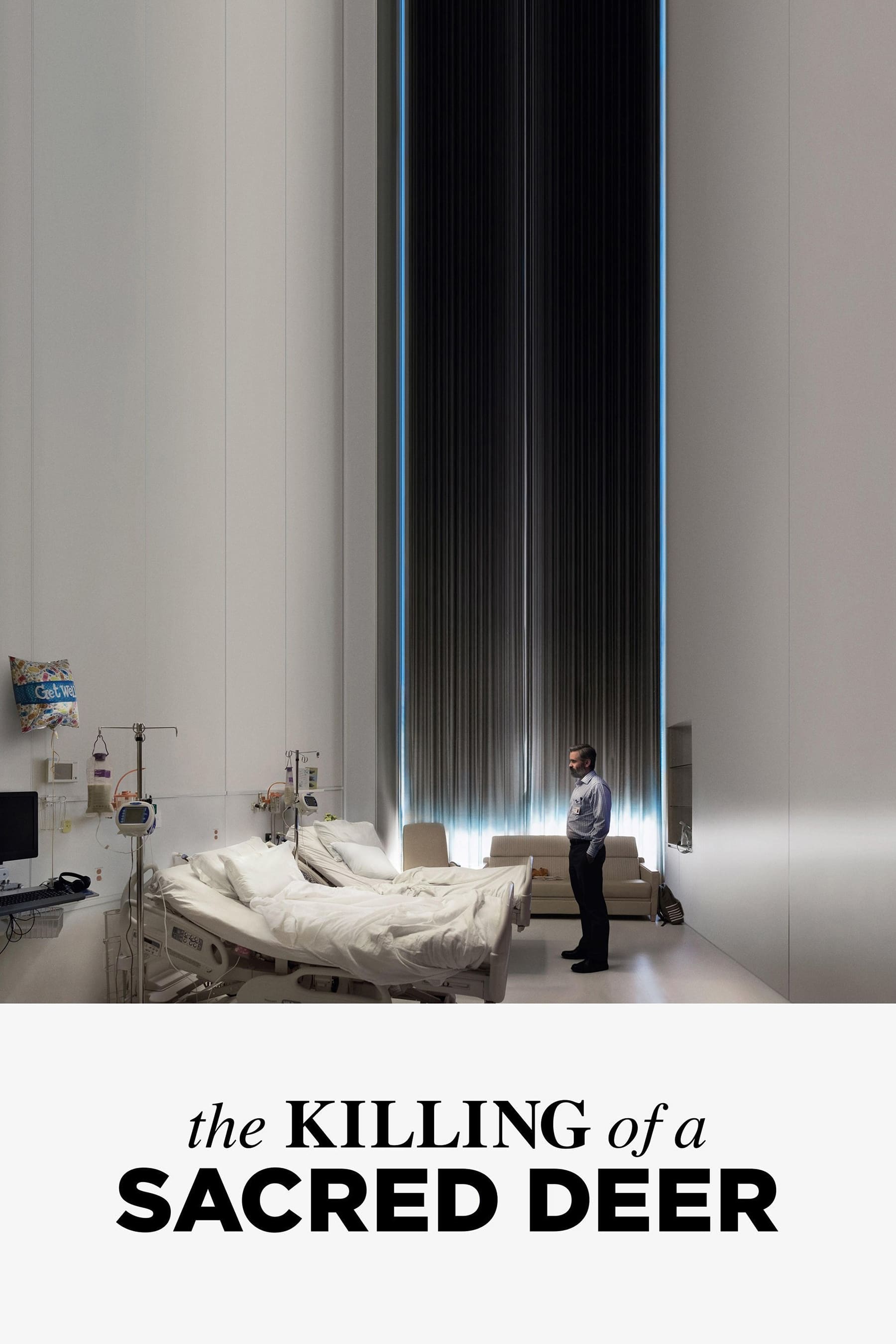
 The Killing of a Sacred Deer: Yorgos Lanthimos’ Gothic Ritual of Slow-Motion Dread
⚡ Del mismo director (Yorgos Lánthimos): analiza la evolución o degradación de su estilo.
Lanthimos turns trauma into grand guignol opera with Farrell, Kidman, and a Barry Keoghan who stares into your soul like a rusted scalpel. Chamber cinema hurtling toward horror at a glacial pace.
 🔥 Fusión Nuclear 8.3
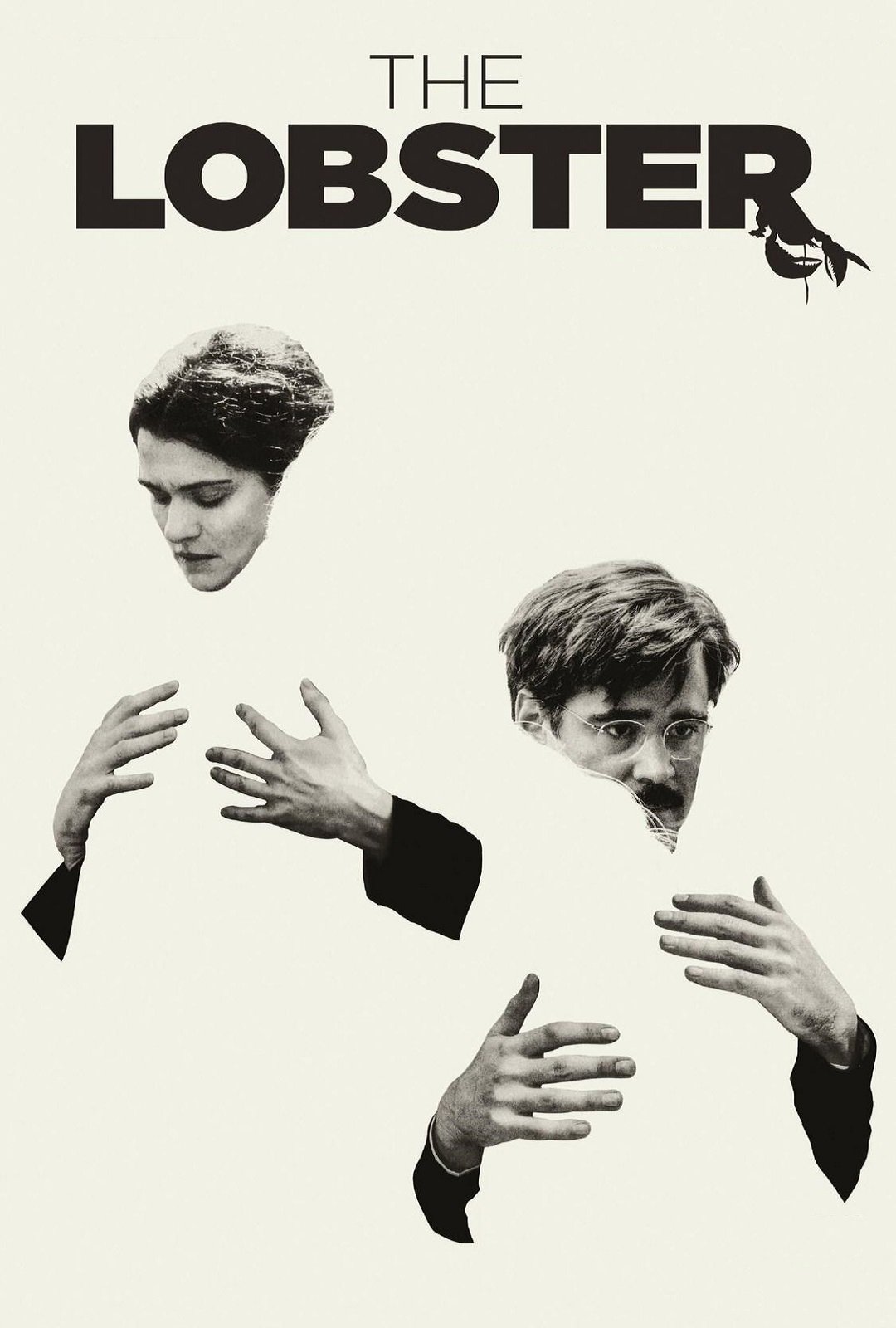
 The Lobster: Marriage as the Concentration Camp of Loneliness
⚡ Del mismo director (Yorgos Lánthimos): analiza la evolución o degradación de su estilo.
Yorgos Lanthimos turns love into a bureaucratic nightmare. Colin Farrell and Rachel Weisz shine in this dystopian satire that stings, amuses, and suffocates in equal measure.
 ⚡ Ácido Cítrico 7.5
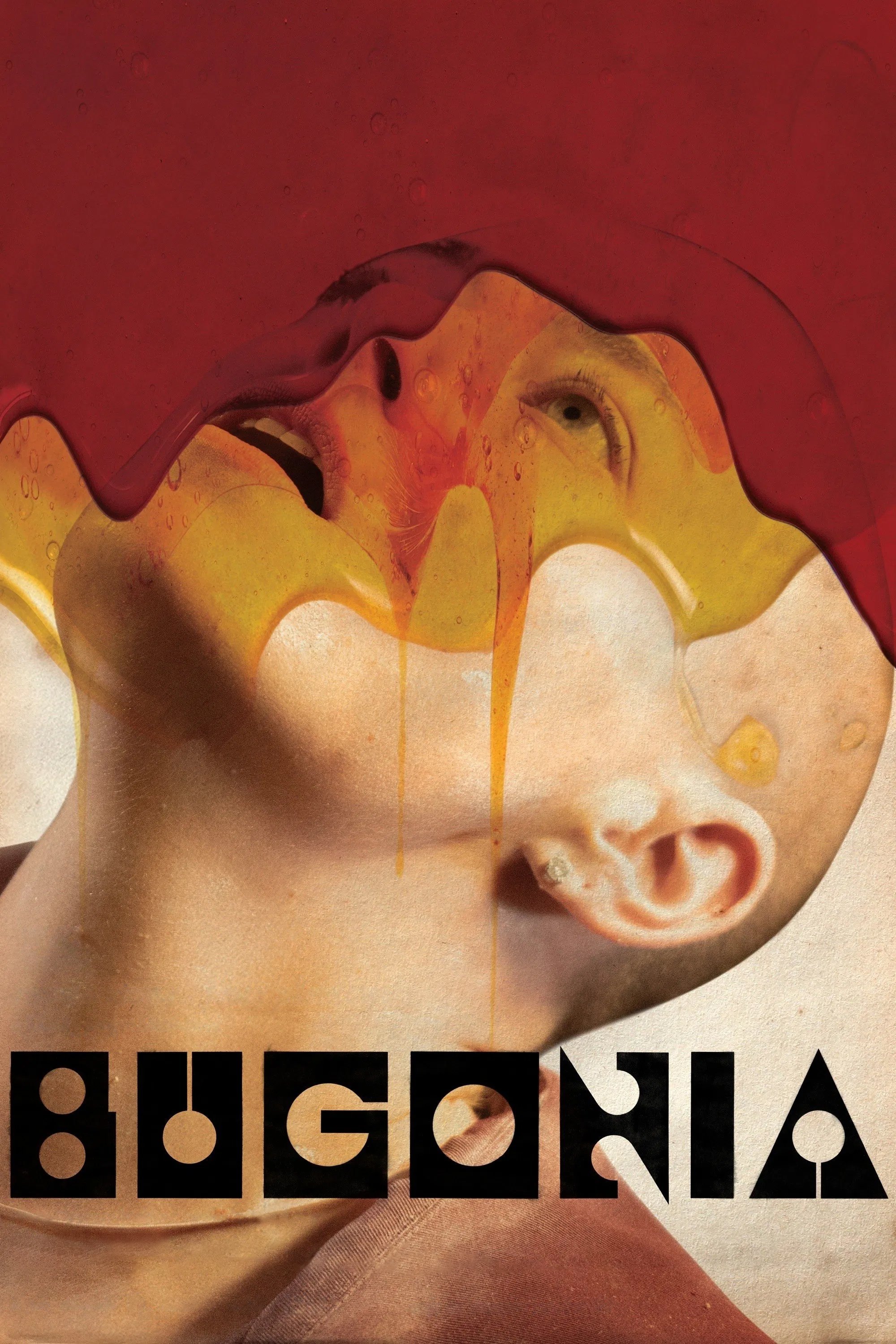
 Bugonia: The Cosmic Snatch
⚡ Del mismo director (Yorgos Lánthimos): analiza la evolución o degradación de su estilo.
Two young men convinced an executive is an alien kidnap her. Will they save Earth—or just their own delusions?
Editorial Ecosystem
Cinephile connections, archive interviews and related analyses.
🎞️ In Claqueta Cinematheque 3
💬 Debate Cinéfilo & Autopsia de Lectores
0 veredictos¿Discrepas con nuestra nota? ¿Es una obra maestra o veneno puro? Deja tu veredicto abajo sin necesidad de registro.


Aún nadie ha dejado su veredicto para esta película.
Sé el primero en clavarle el colmillo rellenando el formulario de arriba.