Caché (Hidden) — The Silence That Screams and the Guilt That Won’t Forgive
Michael Haneke dissects the French bourgeoisie with a psychological thriller that stings worse than a switchblade. Or is it just a hall of mirrors?


Caché (Hidden): full review


The opening shot of Caché is a lie. Or so it seems. A bourgeois home in a posh Parisian neighborhood, filmed from across the street in a static shot long enough to make you wonder if you’ve stumbled into the wrong movie. No credits, no music, nothing to warn you that what you’re watching isn’t a documentary—it’s the beginning of a nightmare. Michael Haneke, that Austrian with the face of a philosophy professor who delights in torturing his audience, is back at it. And this time, his favorite punching bag is the French middle class, the kind that thinks it can absolve its sins with a check to Doctors Without Borders and a glass of Bordeaux.
But Caché isn’t just a settling of scores with bourgeois hypocrisy. It’s a film about the weight of guilt, about how family secrets fester in silence until someone decides to drag them into the light. Georges Laurent (Daniel Auteuil) is a successful man: he hosts a literary TV show, lives in a pristine home with his wife Anne (Juliette Binoche) and their son Pierrot (Lester Makedonsky), and seems to have life all figured out. Until the tapes start arriving. First one, then another, then a child’s drawing straight out of a nightmare. Someone is watching Georges. Someone who knows him too well. And the worst part? Georges knows—deep down—who it is. Or at least, he suspects.
Haneke isn’t in a hurry. He never is. His cinema is like a knife sinking in millimeter by millimeter, without anesthesia. Caché unfolds with the calculated slowness of a psychological thriller, but also with the precision of a surgeon. Every shot, every line of dialogue, every silence is there for a reason. No filler, no concessions. And when the truth explodes, it does so in the most brutal way possible: without music, without drama, without anything to soften the blow. This is cinema in its purest form—cinema that hurts and leaves a mark.
What makes Caché a masterpiece isn’t just its flawless script or its brutal performances, but its ability to turn the mundane into something sinister. A house, a street, a school: Haneke takes the most innocuous spaces and loads them with unbearable tension. And he does it without special effects, without jump scares, without anything but the cold stare of his camera. Because in the end, the real monster in Caché isn’t the one sending the tapes—it’s the one receiving them. And the one watching them.
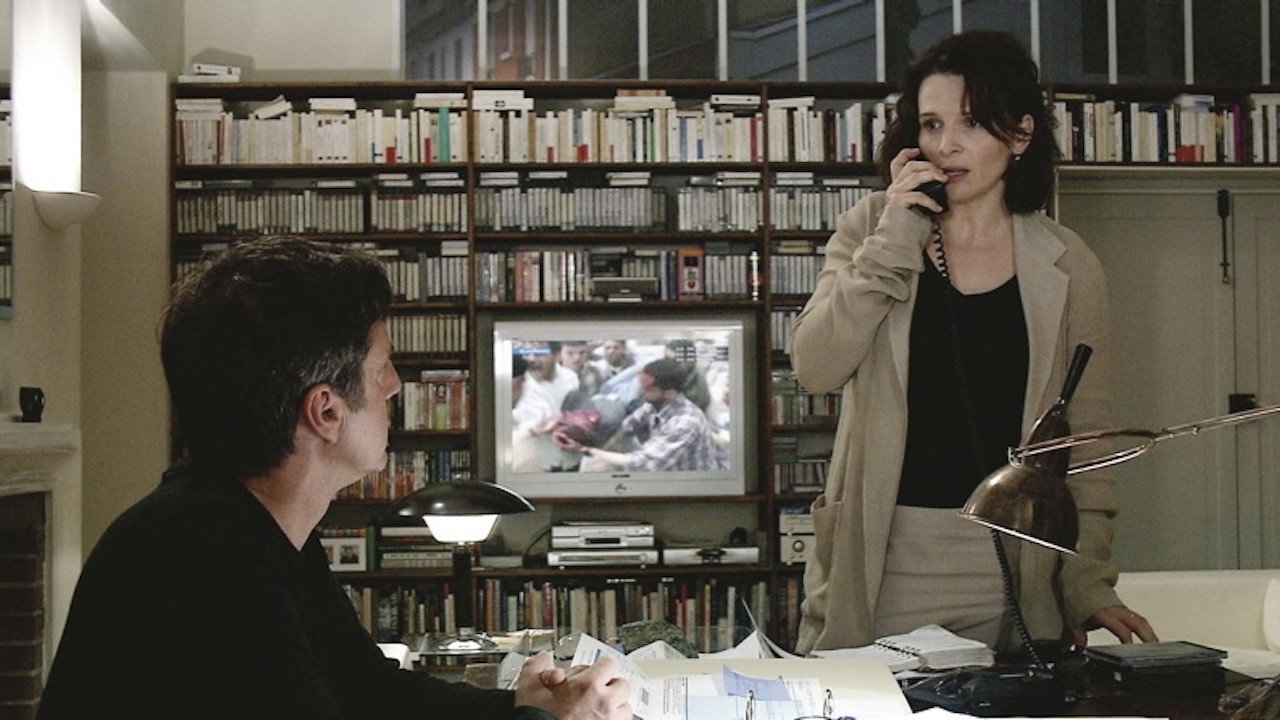
Direction: The Art of Torturing the Audience
Michael Haneke doesn’t direct films—he designs traumatic experiences. Caché is his most subtle work and, for that very reason, the most devastating. There’s no explicit violence, no conventional horror scenes, but every frame is charged with a tension that leaves you breathless. Haneke plays with off-screen space like a master: we never see what truly matters, only its consequences. And that, paradoxically, makes it all the more terrifying.
That opening long take—the one that seems like a editing mistake until you realize it’s not—is just the first of many low blows. Haneke forces you to look, to scrutinize every detail, to wonder what the hell is going on. And just when you think you’ve figured out the game, he changes the rules. The scene where Georges visits his mother (Annie Girardot) is a perfect example: a seemingly innocent conversation hiding layers upon layers of resentment and guilt. Haneke doesn’t explain it to you—he shows it to you. And then he leaves you alone with your questions.
The use of sound in Caché is another of its great triumphs. There’s no score, just ambient noise: traffic, footsteps, breathing. And in the midst of that silence, the dialogue sounds rawer, more real. When Georges and Anne argue, they do so like any couple: with half-truths, evasions, that mix of love and resentment only time can forge. And when the silence becomes unbearable, Haneke shatters it with a scream, a slamming door, a gunshot. But never with music. Because music would be a comfort, and Caché isn’t here to comfort.
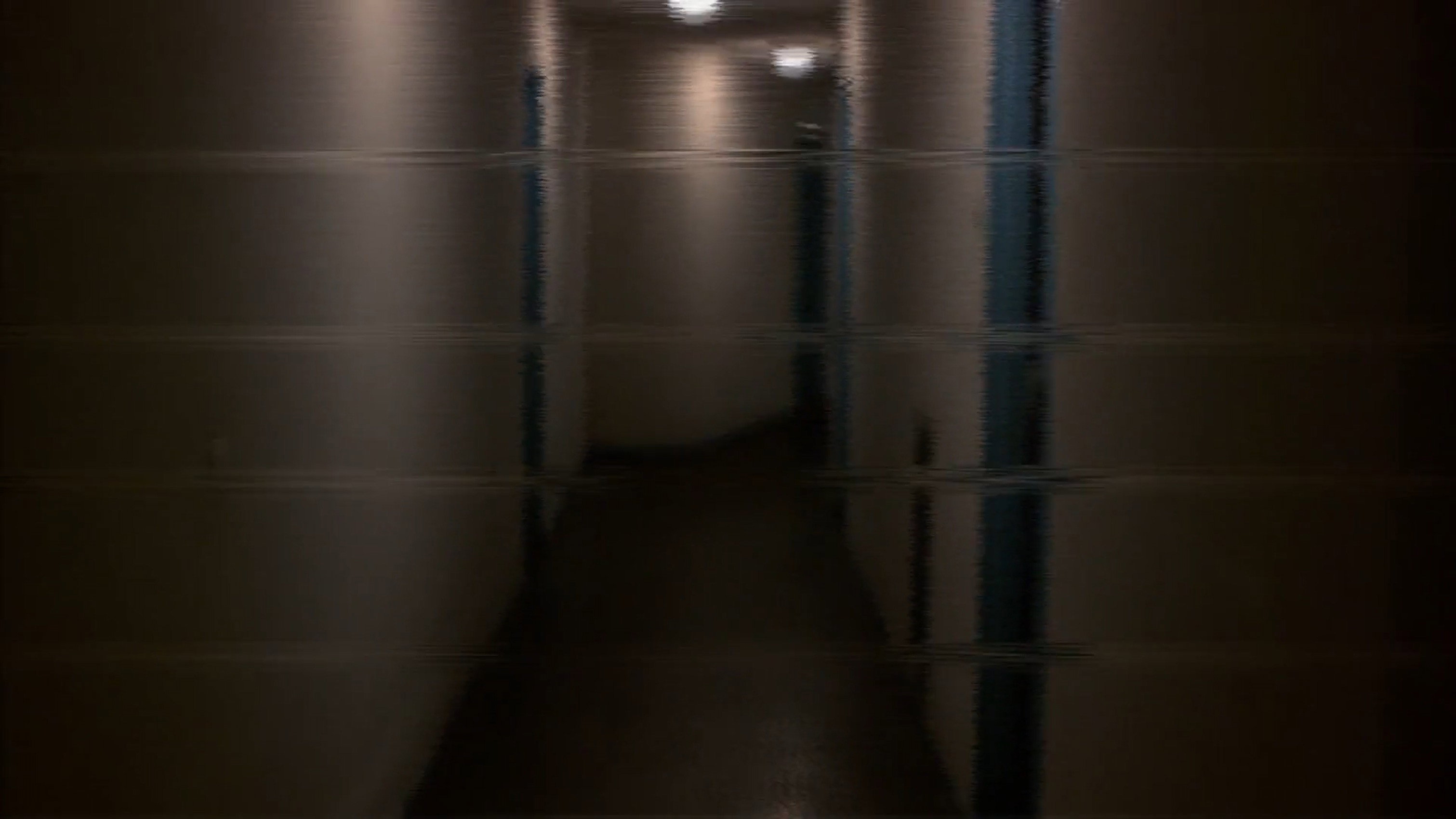
Performances: Guilt Has a Face
Daniel Auteuil delivers one of the best performances of his career. Georges isn’t a hero, not even an antihero: he’s a coward. A man who’d rather live with the lie than face the truth. Auteuil plays him with a chilling coldness, but also with small gestures that betray his vulnerability. When Georges cries in the bathroom, he does so in silence, as if afraid someone might hear him. And maybe he is.
Juliette Binoche, meanwhile, is magnificent as Anne. Her character is the perfect counterpoint to Georges: while he drowns in his guilt, she tries to maintain her composure, as if ignoring the problem could make it disappear. Binoche conveys that mix of strength and fragility that makes Anne so real, so human. And when she explodes, she does so with a rage that leaves you breathless.
But the real revelation of Caché is Maurice Bénichou. His Majid is a character that hurts to watch. Not because he’s a monster, but because he’s a broken man, someone life has treated with unnecessary cruelty. Bénichou plays him with a dignity that makes his suffering even more unbearable. The scene where Majid slits his throat in front of Georges isn’t just shocking—it’s necessary. Because after that, there’s no going back.
The best
- The cinematography of Christian Berger: Every frame looks like a painting. Berger uses light and color to create an oppressive atmosphere, as if the camera itself were judging the characters. The static shots, the visual silences, the way he captures faces—it all contributes to that sense that something terrible is about to happen.
- Haneke’s script: Flawless. Every line of dialogue, every silence, every gesture is calculated to the millimeter. There’s not a single extraneous line, not a single unnecessary shot. Haneke doesn’t give you answers—he forces you to find them. And when you think you’ve got them, you realize they might not be the right ones.
- Maurice Bénichou’s performance: Majid is a character who lodges in your chest and won’t let go. Bénichou plays him with a heartbreaking humanity, without slipping into melodrama. His final scene is one of those you never forget.
- The ending: I won’t spoil it, but it’s perfect. Haneke closes the film with a shot that says everything without saying anything. It’s a masterstroke—one that leaves you speechless and wanting to rewatch the movie to understand what the hell just happened.
The worst
The pacing: Caché* is a slow film. Very slow. Haneke isn’t in a rush to tell the story, and if you’re not used to his style, it can be frustrating. There are moments when it seems like nothing’s happening, and maybe nothing is. But that’s part of the game.
The ambiguity: Some viewers might be annoyed that Haneke doesn’t provide clear answers. The film raises questions but doesn’t always answer them. If you’re looking for a thriller with a clear villain and a happy ending, Caché* isn’t for you.
The coldness: Haneke isn’t a warm director. His cinema is cold, calculating, almost clinical. If you’re looking for raw emotion, Caché* might leave you feeling empty. But that emptiness is intentional—and part of its genius.
The Verdict of Claqueta Ácida
Caché is one of those films that haunts you long after you’ve seen it. Michael Haneke doesn’t offer comfort, easy answers, or even a clear villain to hate. What he offers is a mirror. And it hurts to look into it. It hurts to recognize that Georges isn’t a monster—he’s a man like any other, capable of terrible things out of fear, selfishness, cowardice. It hurts to realize that guilt isn’t hidden—it’s recorded. And that, in the end, we all have something to hide. Caché isn’t a film to watch once. It’s a film to watch, suffer through, and watch again. Because every time you do, you discover something new. And every time, it hurts a little more. 💀
🎬 Tráiler Oficial
Abrir en YouTube
Caché (Hidden): frequently asked questions
- What is the rating of "Caché (Hidden)" on Claqueta Ácida?
- "Caché (Hidden)" scored 8.7/10 on Claqueta Ácida in the review by Silvia Mordaz.
- Is "Caché (Hidden)" worth watching?
- Yes. We gave it 8.7/10 (Nuclear Fusion), our rating for must-see films.
- Who directed "Caché (Hidden)"?
- "Caché (Hidden)" was directed by Michael Haneke.
Theater Collateral Damage Report
Psychophysical impact certificate issued by Silvia Mordaz
Cero. La pantalla absorbió cada segundo de atención disponible.
Ni una sola mirada al móvil.
Ninguna. Esta obra no necesita muletas estimulantes.
"No aplica. La obra se sostiene sola."
💬 Community Verdict
What did you think of the film? Rate it from 0 to 10 to compare it with the editorial review.
You haven't voted yet
📢 ¿Te ha gustado el ácido?
Comparte esta crítica con tus amigos cinéfilos o desata la polémica en redes.
⚡ THE CINEMATIC VENOM YOUR INBOX CRAVES
No sugarcoated ratings, no corporate fluff. Subscribe for our uncensored weekly analysis or join the private Telegram for press previews, poll clashes, and instant alerts.
Alertas de estrenos en 1 segundo, encuestas en caliente y audios al salir de pases de prensa.
Recibe la dosis semanal en tu mail + regalo inmediato del PDF con 50 joyas ocultas de culto.
Related Reviews
Recommended autopsies for demanding film buffs.
 🔥 Fusión Nuclear 8.5
 *Funny Games*: Haneke Tortures Us with a Sadistic Smile—and We Love It
⚡ Del mismo director (Michael Haneke): analiza la evolución o degradación de su estilo.
A satirical and squirm-inducing review of Michael Haneke’s modern Austrian cinema classic. A meta-cinematic essay that shames the viewer for their thirst for violence.
 🔥 Fusión Nuclear 9.2
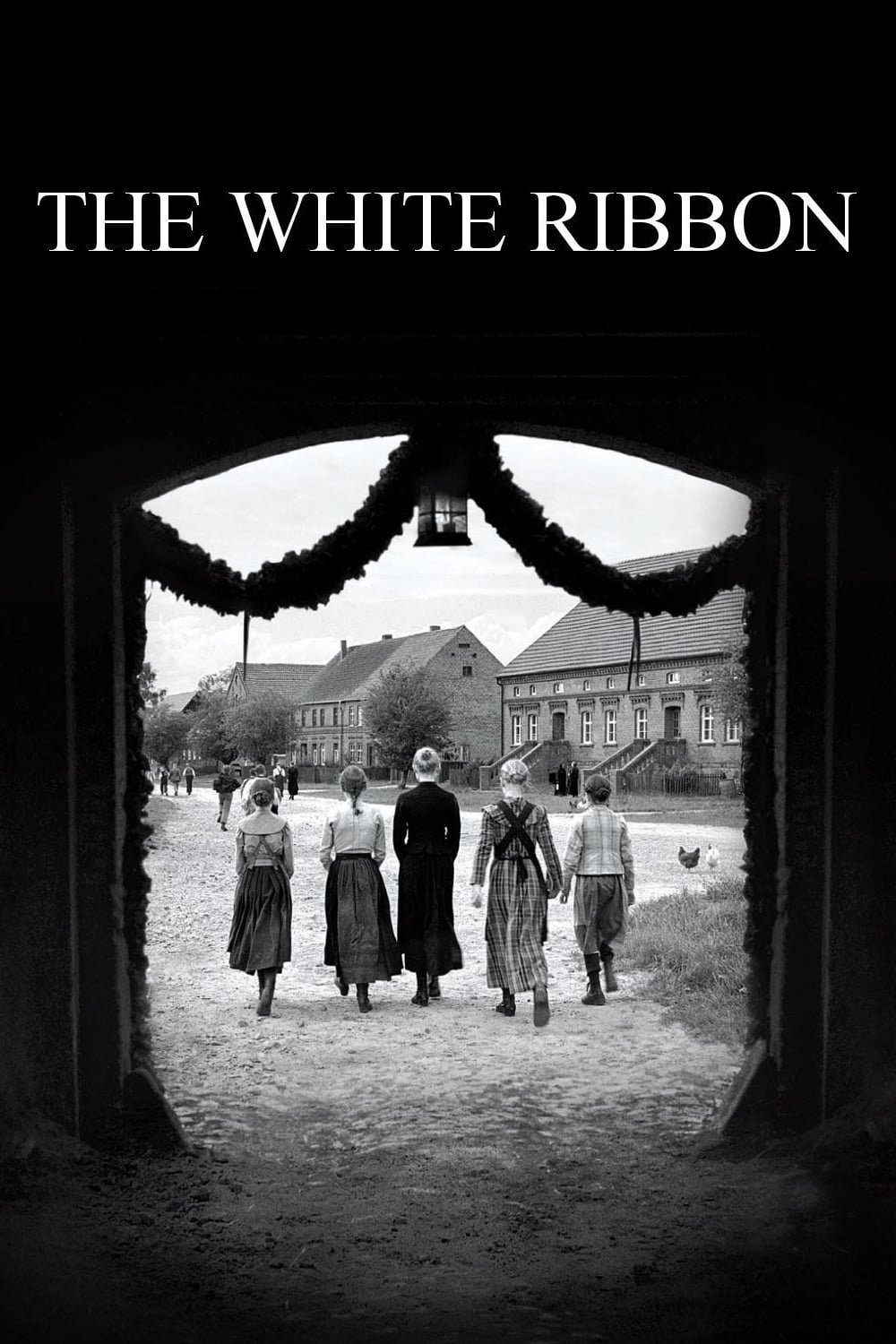
 The White Ribbon: The Silence That Screams (And No One Bothered to Listen)
⚡ Del mismo director (Michael Haneke): analiza la evolución o degradación de su estilo.
Haneke dissects fascism with a silver scalpel in stark black and white. Cold, cruel, and essential. 9.2/10, but don’t you dare watch it on a Sunday.
 🔥 Fusión Nuclear 8.7
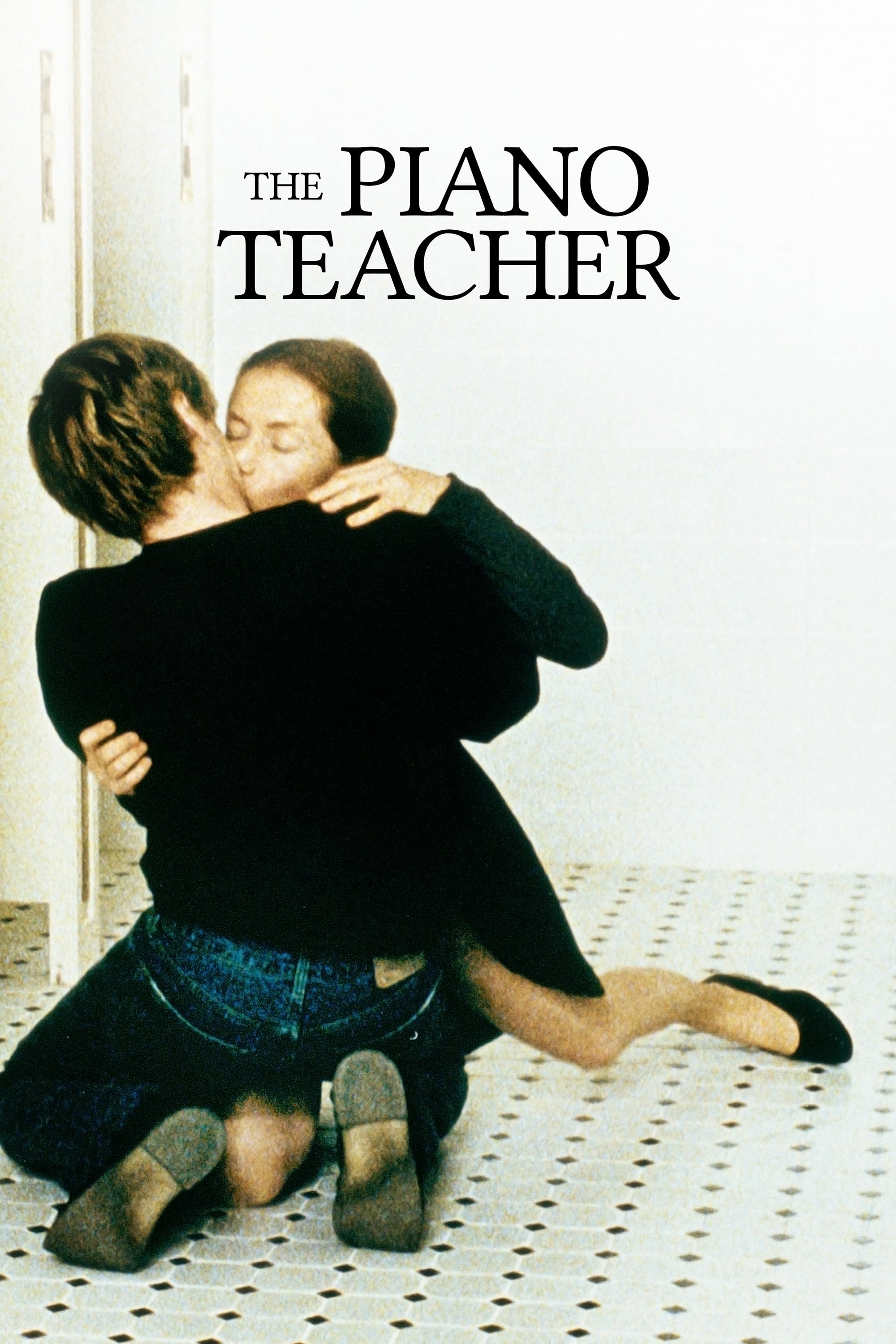
 The Piano Teacher: Haneke Flays the Soul with Ivory Keys and Razor Blades
⚡ Del mismo director (Michael Haneke): analiza la evolución o degradación de su estilo.
Isabelle Huppert in a role that burns. Haneke turns the conservatory into an emotional slaughterhouse. Pain, silence, and a mother worse than hell itself.
Editorial Ecosystem
Cinephile connections, archive interviews and related analyses.
🎞️ In Claqueta Cinematheque 3
💬 Debate Cinéfilo & Autopsia de Lectores
0 veredictos¿Discrepas con nuestra nota? ¿Es una obra maestra o veneno puro? Deja tu veredicto abajo sin necesidad de registro.


Aún nadie ha dejado su veredicto para esta película.
Sé el primero en clavarle el colmillo rellenando el formulario de arriba.