Maniac (2012) — A remake that stays in the shadows
An acidic review of 'Maniac' (2012), a slasher attempt that barely scratches the surface of horror.
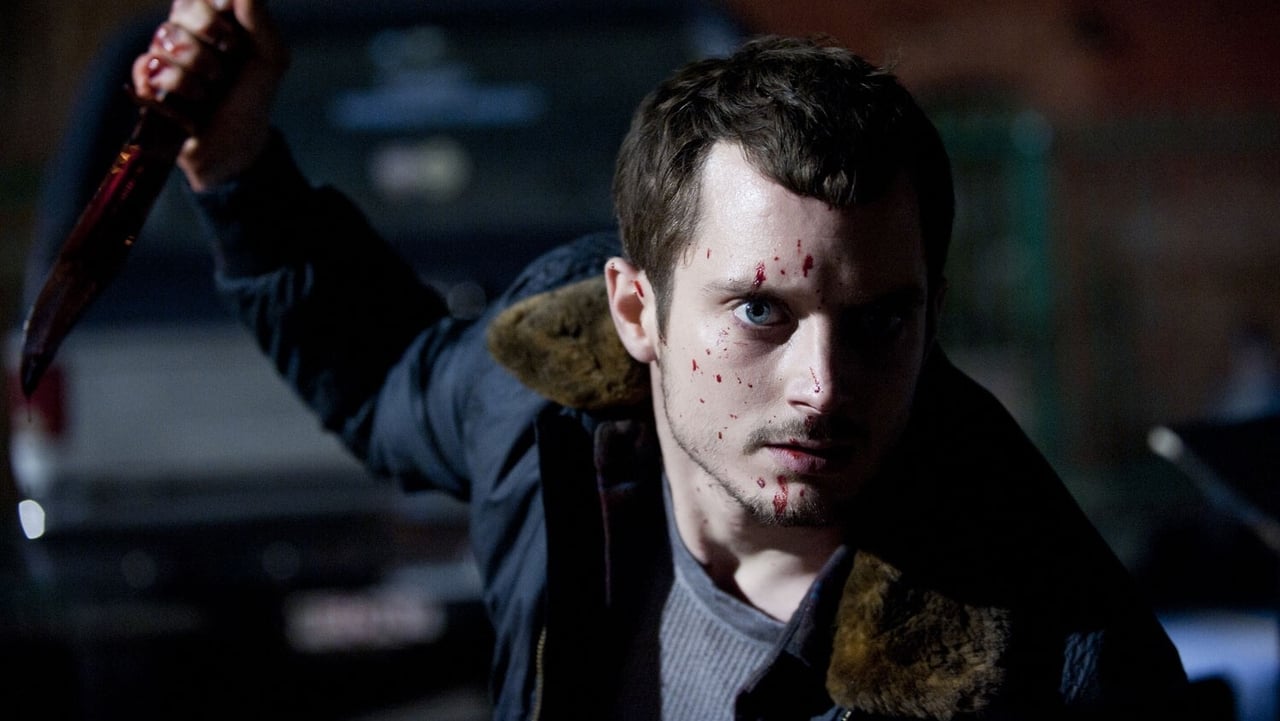
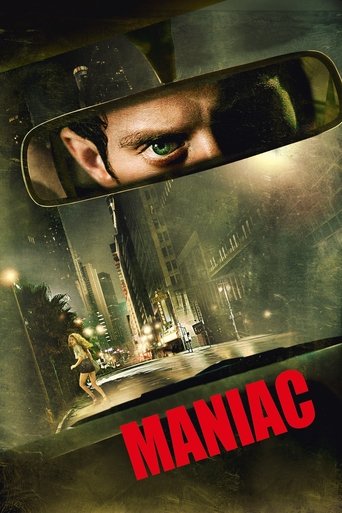
Maniac (2012): full review
The theater's air conditioning blew like a factory fan while the teenager in row 3 chewed popcorn to the rhythm of heartbeats, the stale smell of cheap buttered kernels hanging in the air like a bad omen. I paid €9.50 and was met with a screen trying to be horror but sounding like industrial waste, a clanging, grinding noise that reeked of cheap CGI and half‑baked scares. Franck Khalfoun, a remake veteran, joined the project after Alexandre Aja's departure, who stayed on as a ghostwriter, his name lingering like a phantom on the credits. The context was the boom of 2010s reboots, when studios sought to squeeze every drop of nostalgia without investing a single extra cent, treating cinema like a money‑laundering machine. It wasn't a movie, it was a financial transaction disguised as genre cinema.
Khalfoun had directed "Maniac" with the intention of paying homage to William Lustig, but the modest $5M budget turned it into a face‑lift that never quite covered the underlying decay. Filming took place in Paris and on an improvised Los Angeles set, with Maxime Alexandre handling cinematography, having previously shined in "The Hills Have Eyes". The production, under La Petite Reine and Blue Underground, suffered pressure from executives who wanted more blood and less shooting time, a classic case of creative constraints being replaced by cost‑cutting demands. According to set rumors, the director had to cut a torture scene because the producer told him that the cut was "too expensive," a line that perfectly illustrates how the fear in this film is measured in spreadsheets rather than screams. It's the kind of anecdote that makes you doubt whether the fear is real or just a matter of accounting.
The script, written by Alexandre Aja, could comfortably fit on a greasy bar napkin and still have room to spare, a testament to its utter emptiness. Every line of dialogue seems pulled from a slasher cliché manual: "What are you doing here?" followed by a forced smile that would make a cardboard cutout cringe. Frank (Elijah Wood) says "I’m not a killer" right before stabbing a victim, which shatters any attempt at coherence and leaves the audience wondering if the writers were playing a joke on themselves. The movie is held together by a series of 0.8‑second epileptic editing cuts that aim to create tension but only induce dizziness, a cheap trick that feels more like a migraine than suspense. It's low‑fidelity cinema that doesn't forgive the viewer for being awake, demanding a level of nausea that no one asked for.

Direction and staging
Khalfoun comes across as a second‑rate surgeon with a rusted scalpel: he cuts, sutures, and sometimes runs out of thread, leaving the wound gaping open. The scene where Frank opens the workshop door and the camera stays static for ten seconds is an pretentious attempt to create claustrophobia that fails because the audience is already bored and counting the seconds. The use of close‑ups on Wood's face shows his inability to convey fear; his expression is more of a mix of exhaustion and resignation, a dead‑pan stare that could have been lifted straight from a bad training video. In contrast, Nora Arnezeder as Anna manages to steal some energy with a gaze suggesting she knows more than she says, but the script leaves her as mere decoration, a pretty prop with no narrative weight. Khalfoun doesn't direct, he administers, dispensing bland, clinical shots without a pulse or a rhythm, just a succession of events occurring without emotional connection. The camera never breathes; it only observes with the indifference of a security guard who has seen it all and couldn't care less, turning the whole sequence into a sterile surveillance feed. It's a direction that settles for the minimum viable product, a catalog item that meets the technical specs but not the soul of the genre.

Technical aspects and performances
Maxime Alexandre's cinematography is the most decent point: cold lights, shadows crawling through the mannequin workshop's hallways, offering fleeting moments of visual interest that are quickly swallowed by the surrounding mediocrity. However, the poorly disguised green screen in the nightclub scene reveals the lack of resources; the background edges look like a child's wallpaper collage, a jarring reminder that the budget was as thin as the plot. Robin Coudert's soundtrack tries to be ominous, but the sound bursts eardrums during “suspense” moments to cover the absence of real atmosphere, a blaring assault that feels more like a cheap fireworks display than a subtle score. Elijah Wood, trapped in a role too big for him, delivers a flat performance that relies too heavily on external characterization; his Frank is a human mannequin, with no psychological depth, moving like a puppet on a string. Nora Arnezeder, for her part, tries to inject life into an inert body, but the material allows her nothing more than empty gestures, a performance that flickers briefly before being snuffed out. The editing, handled by an anonymous editor, resorts to abrupt cuts reminiscent of a 1995 home video, each jump feeling like a skipped beat in a broken record. The production design tries to recreate a mannequin workshop with recycled plastic pieces, but the result looks like a low‑budget prop set, plastic bits that scream cheapness louder than any scream track. The music, although composed by Robin Coudert, is mixed with exaggerated sound effects attempting to cover the lack of real tension, turning every quiet moment into a cacophony of over‑the‑top bangs. It's a technical package that screams its own mediocrity in every frame, a showcase of how not to allocate a modest budget.
The best
- Maxime Alexandre's cinematography: Cold lights and shadows that, when they work, create an atmosphere worthy of a low‑budget thriller.
- Nora Arnezeder's performance: Anna brings a spark of energy that briefly rescues the narrative.
- Production design: The mannequin workshop has plastic details that, while cheap, are curiously unsettling.
The worst
- Alexandre Aja's script: Slasher manual dialogue and a plot that crumbles in every scene.
- Editing: Abrupt cuts and continuity errors that break any immersion.
- Green screen use: Evident and cheap, ruining the illusion of the nighttime environments.
The Verdict of Claqueta Ácida
Maniac works like a broken mirror: it reflects what could have been a decent slasher, but each fragment is tarnished by a lack of budget, a cookie‑cutter script, and mediocre directing decisions. I paid for the ticket so you don't have to make the same mistake. It's not a total loss, but it doesn't deserve a second round either. In short, an attempt that stays in the shadows and illuminates nothing, with a few fleeting sparks that are quickly extinguished. 💀
🎬 Tráiler Oficial
Abrir en YouTube
Maniac (2012): frequently asked questions
- What is the rating of "Maniac (2012)" on Claqueta Ácida?
- "Maniac (2012)" scored 6/10 on Claqueta Ácida in the review by Dante Sangre.
- Is "Maniac (2012)" worth watching?
- With reservations. We gave it 6/10 (Citric Acid), our rating for uneven films with something worth saving.
- Who directed "Maniac (2012)"?
- "Maniac (2012)" was directed by Franck Khalfoun.
Theater Collateral Damage Report
Psychophysical impact certificate issued by Dante Sangre
2 amagos en el tramo intermedio; pestañeo pesado en transiciones.
Un par de miradas al reloj en el tramo intermedio, comprobando cuánto quedaba de suplicio.
1 espresso doble bien cargado para no desmayarse.
"A mitad del segundo acto cuando intentaron justificar la subtrama innecesaria."
The rebuttal from Valeria Von Doom (Cinematic Haute Couture)
In stark disagreement with the review given by Dante Sangre.
“Duelo editorial natural entre las visiones antagónicas de Dante Sangre y el consejo de redacción. "El director cree estar esculpiendo mármol; solo está amasando plastilina grasienta."
💬 Community Verdict
What did you think of the film? Rate it from 0 to 10 to compare it with the editorial review.
You haven't voted yet
📢 ¿Te ha gustado el ácido?
Comparte esta crítica con tus amigos cinéfilos o desata la polémica en redes.
⚡ THE CINEMATIC VENOM YOUR INBOX CRAVES
No sugarcoated ratings, no corporate fluff. Subscribe for our uncensored weekly analysis or join the private Telegram for press previews, poll clashes, and instant alerts.
Alertas de estrenos en 1 segundo, encuestas en caliente y audios al salir de pases de prensa.
Recibe la dosis semanal en tu mail + regalo inmediato del PDF con 50 joyas ocultas de culto.
Related Reviews
Recommended autopsies for demanding film buffs.
 ⚡ Ácido Cítrico 7.1
28 Years Later: The Bone Temple: when cult cinema trips over its own shadow
⚡ Afinidad temática directa en atmósfera, estilo y fijaciones visuales.
A sequel that smells rotten from the very first frame. Garland and DaCosta try to revive the genre, but the result is a technical knockout dressed up as a masterpiece.
 ⚡ Ácido Cítrico 5.8
A Serbian Film: The Snuff That Thought It Was Art (and Ended Up a High-School Nightmare)
⚡ Afinidad temática directa en atmósfera, estilo y fijaciones visuales.
Srđan Spasojević serves up a depravity feast swinging between gratuitous shock and social commentary. Genius or pretentious trash? Claqueta Ácida dissects it with surgical precision.
 🔥 Fusión Nuclear 8.0
Abigail: Ballet, Rivers of Hemoglobin, and the Worst Nightmare of a Discount Kidnapping Gang
⚡ Afinidad temática directa en atmósfera, estilo y fijaciones visuales.
Radio Silence signs a delightfully entertaining, bloody, and hyperbolic vampire slasher within a mansion where a twelve-year-old ballerina is the monster.
Editorial Ecosystem
Cinephile connections, archive interviews and related analyses.
💬 Debate Cinéfilo & Autopsia de Lectores
0 veredictos¿Discrepas con nuestra nota? ¿Es una obra maestra o veneno puro? Deja tu veredicto abajo sin necesidad de registro.


Aún nadie ha dejado su veredicto para esta película.
Sé el primero en clavarle el colmillo rellenando el formulario de arriba.