Martyrs — The Unbearable Calvary of Transcendence
Pascal Laugier delivers the magnum opus of the New French Extremity: a devastating plunge into systematic violence and the mystical quest for the great beyond.

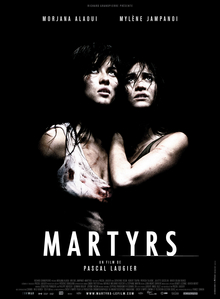
There are horror films that scare you, horror films that disgust you, and then there are horror films that shatter you from within and rewire your brain’s chemical composition. Martyrs (2008), written and directed by French filmmaker Pascal Laugier, rightfully belongs to this last and exclusive pantheon of suffering. Hailed as the definitive work of the so-called "New French Extremity," Martyrs is a philosophical and anatomical sledgehammer without anesthesia, obliterating any trace of mindless entertainment.
The story kicks off like a conventional revenge tale: Lucie, a young woman who was kidnapped and systematically tortured during her childhood in an abandoned warehouse, storms into a cozy bourgeois family’s breakfast fifteen years later, shotgun in hand, and slaughters them all under the horrified gaze of her best friend, Anna (Morjana Alaoui). Yet what seems like the climax of a revenge thriller is merely the prologue to one of cinema’s darkest, most unbearable, and existential odysseys.
Pascal Laugier’s direction is masterful, crafting an oppressive and claustrophobic atmosphere that lingers throughout the entire film. His handling of tension and suspense is nothing short of brilliant, keeping the audience in a constant state of anxiety. The cinematography is equally remarkable, with effective use of lighting and composition to create a bleak and depressing mood.
The cast, led by Morjana Alaoui and Mylène Jampanoï, delivers intense and convincing performances. The chemistry between the actresses is palpable, and their ability to convey pain and suffering is truly impressive. Catherine Bégin’s portrayal of "Mademoiselle" is particularly noteworthy, adding a layer of complexity and mystery to the plot.
The score is minimalist but effective. Music is used sparingly, but when it does appear, it packs a punch. The editing is equally sharp, with a well-measured pace that keeps the audience on the edge of their seats.
Beyond Horror: The Scientific Quest for the Soul
The true genius of Martyrs lies in its bold and drastic shift in tone halfway through. After Lucie’s departure (in a scene of immense psychological pain), Anna investigates the house and uncovers a clandestine organization hidden beneath the basement. A sinister society of millionaires, led by "Mademoiselle," an icy elderly woman obsessed with scientifically solving humanity’s greatest mystery: What lies in the afterlife?
To uncover the truth, this society kidnaps young women and subjects them to a controlled, systematic process of torture. According to their theory, if physical and psychological suffering is pushed to its absolute limit without causing death, the victim enters a state of mystical ecstasy (martyrdom) that allows them to glimpse the other side just before dying. What follows in the final third of the film is a test of endurance for the viewer: a silent, clinical, and repetitive depiction of Anna’s physical ordeal that transcends ordinary torture porn (à la Saw or Hostel) to become a deeply tragic and existential liturgy.
The exploration of the human condition is one of Martyrs’ most striking aspects. The film delves into themes like suffering, death, and the search for truth, posing profound questions about the nature of existence. Laugier’s unflinching approach to these themes makes the film both challenging and fascinating.
Plot Analysis
The plot of Martyrs is complex and multifaceted. It begins as a revenge thriller but soon evolves into an exploration of the human condition. The introduction of the clandestine organization and its quest for the afterlife adds a layer of complexity to the narrative, and Laugier’s handling of the story is admirable.
The film also explores themes like guilt, redemption, and the search for truth. The way the characters interact and relate to each other is fascinating, and the cast’s performances are crucial in conveying the emotion and intensity of the plot.
Cinematic Comparisons
Martyrs can be compared to other horror and drama films that explore the human condition. Movies like Salò, or the 120 Days of Sodom and The Exterminating Angel also tackle themes like suffering, death, and the search for truth. However, Laugier’s approach to these themes is unique and bold, making Martyrs stand out in the genre.
The Best
- Structural audacity: It dismantles the classic three-act horror format, shifting from home-invasion thriller to psychological drama before culminating in a transcendental horror essay.
- Morjana Alaoui’s performance: She carries the film’s unbearable final third with a physical dignity and emotional commitment that are utterly devastating.
- The ultimate existential debate: "Mademoiselle’s" monologue on suffering and the film’s chilling, cynical final whisper, which gives the entire movie a terrifying meaning.
The Worst
- Its extreme visual brutality: This is not a film to watch on a Friday night with popcorn. Viewing it induces a sense of suffocation and sadness that can linger for days.
- It fell victim to mass censorship: Due to its high level of graphic violence and raw intensity, its distribution was sabotaged in multiple countries, preventing mainstream audiences from recognizing its immense cinematic value.
The Verdict of Claqueta Ácida (9.2/10)
Martyrs is a painful and necessary masterpiece. Laugier doesn’t film violence to titillate sadists but to explore the fragility of the human body and the absolute cost of divine revelation. It is the supreme banner of our "oddball cinema" section: a brilliant film that will leave you utterly speechless, devastated, and staring into the void for hours after the credits roll. With a score of 9.2/10, Martyrs is a film that must be seen by those seeking an intense and challenging cinematic experience. However, it’s important to note that it’s not a film for everyone, given its graphic and disturbing content.🎬 Tráiler Oficial
Abrir en YouTube
Ending Explained: Martyrs
Ficha de Daños Colaterales en Sala
Certificado de impacto psicofísico emitido por Héctor Veneno
Ni un solo parpadeo voluntario. El asiento, inusualmente cómodo.
Ninguna comprobación del tiempo. Se agradece la rareza.
Ninguna. Esta obra no necesita muletas estimulantes.
"No hubo. La coherencia se mantuvo hasta el último fotograma."
💬 El Veredicto de la Comunidad
¿Qué te ha parecido la película? Deja tu nota de 0 a 10 para contrastarla con el análisis de la redacción.
Aún no has votado
📢 ¿Te ha gustado el ácido?
Comparte esta crítica con tus amigos cinéfilos o desata la polémica en redes.
⚡ THE CINEMATIC VENOM YOUR INBOX CRAVES
No sugarcoated ratings, no corporate fluff. Subscribe for our uncensored weekly analysis or join the private Telegram for press previews, poll clashes, and instant alerts.
Alertas de estrenos en 1 segundo, encuestas en caliente y audios al salir de pases de prensa.
Recibe la dosis semanal en tu mail + regalo inmediato del PDF con 50 joyas ocultas de culto.
Related Reviews
Recommended autopsies for demanding film buffs.
 🔥 Fusión Nuclear8.6
*Ghostland: Or How Pascal Laugier Turned a Home Invasion Flick Into a Psychological Survival Manual (With Porcelain Dolls)*
⚡Del mismo director (Pascal Laugier): analiza la evolución o degradación de su estilo.
Pascal Laugier returns with a suffocating, unsettling, and razor-sharp hall of mirrors about mental escapism, violence, and the scars of childhood abuse.
 🔥 Fusión Nuclear8.5
*Alleluia: Love as a Terminal Illness (or How to Turn Crimes of Passion into a Sweaty, Fleshy Spectacle)*
⚡Afinidad temática directa en atmósfera, estilo y fijaciones visuales.
Fabrice Du Welz reimagines the myth of the lonely hearts killers in a feverish whirlwind of jealousy, submission, and blood, led by Lola Dueñas in a performance that’s equal parts hypnotic and harrowing.
 🔥 Fusión Nuclear8.5
*High Tension (Haute Tension): The Brutal Birth of the New French Extremism – Or How to Turn Flesh into Poetry with a Machete*
⚡Afinidad temática directa en atmósfera, estilo y fijaciones visuales.
Alexandre Aja shocked global screens with a relentless rural bloodbath, redefined by breakneck pacing and a divisive twist that splits serious cinephiles right down the middle.
Editorial Ecosystem
Cinephile connections, archive interviews and related analyses.
🎞️ In Claqueta Cinematheque1
💬 Debate Cinéfilo & Autopsia de Lectores
0 veredictos¿Discrepas con nuestra nota? ¿Es una obra maestra o veneno puro? Deja tu veredicto abajo sin necesidad de registro.


Aún nadie ha dejado su veredicto para esta película.
Sé el primero en clavarle el colmillo rellenando el formulario de arriba.