

Pi — Faith in Chaos – A Mind-Bending Descent into the Outer Limits of Sanity
Max cracks the secret code behind the stock market in this 1998 fever-dream of a film—where math and madness collide like a Molotov cocktail in a petri dish.


Pi: Faith in Chaos: full review
As an Amazon Associate, Claqueta Ácida earns from qualifying purchases.
Pi is a film that coils like a python around the throat of Max Cohen, the most paranoid mathematician since John Nash decided aliens were speaking to him in binary code. Darren Aronofsky, that indie prodigy who would later give us Requiem for a Dream and Black Swan, makes his feature debut with Pi, a film that smells of stale coffee, nervous sweat and burnt circuits. It was 1998, when the world still believed Y2K would be the ultimate apocalypse, and Aronofsky, on a pittance of a budget (60,000 dollars, less than a Scarlett Johansson perfume commercial), decided it was the perfect moment to shoot a black-and-white nightmare in which mathematics and madness mix like a Molotov cocktail served in a lab test tube.
The film was born in the womb of Harvard University, where Aronofsky studied film and anthropology before graduating from the AFI Conservatory, places where he became obsessed with narrative structures and the idea that numbers govern the universe. Not content with that, he decided his protagonist would be a tormented genius living in a closet-sized apartment, surrounded by computers that looked salvaged from a tech dump. Max Cohen isn’t just a mathematician; he’s a secular martyr of chaos theory, a man who believes everything, from the stock market to nature itself, can be reduced to a divine numerical sequence. Aronofsky, who got the project off the ground by asking friends and family for 100-dollar donations, wanted the film to be a physical experience, something that would hit the viewer in the gut as much as in the brain. And boy did he succeed: Pi is like a migraine attack shot on high-contrast black-and-white 16mm reversal stock, with an aesthetic somewhere between German Expressionism and low-budget cyberpunk.
The cast, chosen with the precision of a surgeon operating with a kitchen knife, is led by Sean Gullette, an actor who seems lab-designed to embody existential neurosis. Gullette, who developed the original story with Aronofsky (although the director signed the final script), gets under Max’s skin with an intensity that borders on the unbearable. His performance is a choreography of nervous tics, cold sweats and lost stares, as if permanently on the verge of a breakdown. He isn’t a character; he’s a symptom: the physical embodiment of anxiety in the digital age. Beside him, Mark Margolis plays Sol Robeson, Max’s mentor, with an almost ghostly presence. Margolis doesn’t act; he inhabits the character like a specter refusing to leave this world. And then there’s Ben Shenkman, who plays Lenny Meyer, a Hasidic Jew who believes the name of God is hidden in numbers. Shenkman achieves something almost impossible: making Kabbalah seem as dangerous as a Molotov cocktail.
Direction: The pulse of a paranoid heart
If David Lynch and David Cronenberg had a bastard child in a Brooklyn alley, that child would be Darren Aronofsky. In Pi, the director proves that cinema can be a sensory and psychological experience without a million-dollar budget. Aronofsky films as if sculpting fear onto celluloid, using every technical resource to plunge the viewer into Max’s fractured mind. The camera moves like a caged animal, using the trademark Snorricam rig strapped to the actor’s body, with short, abrupt shots that mimic a racing heartbeat. The close-ups of Max’s eyes, full of sweat and desperation, are so invasive you feel the need to wipe your face afterward. And then there are the point-of-view shots, where the camera becomes Max’s eyes, spinning and staggering as if about to faint. Aronofsky doesn’t just want you to watch the film; he wants you to feel it in your bones.The high-contrast black and white isn’t an arbitrary aesthetic choice but a statement of principles. Aronofsky wanted the film to look like a fever dream, something unfolding in the mind of a man on the verge of collapse. Matthew Libatique’s cinematography (a regular Aronofsky collaborator) is raw, grainy and claustrophobic, as if the walls of Max’s apartment were closing in on the viewer. Libatique plays with shadow and light as if they were characters in the story, creating an atmosphere that swings between the Gothic and the industrial. The scenes where Max suffers his headaches are shot with visual distortions and extreme angles, altering the image until you feel you’re about to throw up. And then there’s the editing, sharp as a razor blade, which speeds up and slows down the rhythm like the beat of a sick heart. Aronofsky has no mercy on the viewer: he wants you to suffer, to feel uncomfortable, to leave the theater feeling something isn’t right in your head.
The script, written by Aronofsky, is a masterpiece of narrative economy. There isn’t a single superfluous line or a scene that doesn’t advance the plot or deepen Max’s psychology. The dialogue is philosophical without being pretentious, full of references to chaos theory, Kabbalah and fractal mathematics, but always at the service of the story. Aronofsky doesn’t get lost in intellectual digressions: every line is another nail in the coffin of Max’s sanity. And then there are the inner monologues, which sound as if Max were talking to himself in an infinite loop. They’re so intense you can almost smell the sweat and desperation coming off the screen.
Actors: The chemistry of imbalance
Sean Gullette doesn’t play Max Cohen; he becomes him. His performance is a choreography of paranoia, a ballet of nervous tics, cold sweats and lost stares. Gullette doesn’t just act; he suffers on screen, and that intensity is contagious. You can’t help feeling uncomfortable watching him, as if intruding on the privacy of a man on the edge of the abyss. His Max is a broken genius, a man who has sacrificed his humanity on the altar of mathematics. And then there’s Mark Margolis, who plays Sol Robeson with an almost supernatural presence. Margolis doesn’t need to say much to convey the wisdom and sadness of a man who has seen too much and prefers to lose himself in the game of Go. His performance is subtle but devastating, like a whisper echoing in an empty room.But if one character steals every scene, it’s Lenny Meyer, played by Ben Shenkman. Lenny is a Hasidic Jew who believes the name of God is hidden in numbers, and Shenkman plays him with an almost religious intensity. His scene in the diner and his encounters with Max, where he tries to convince him that numbers are sacred, are among the tensest moments in the film. Shenkman makes Lenny both charismatic and terrifying, like a prophet trying to decode the secrets of the universe. And then there’s Samia Shoaib, who plays Devi, Max’s neighbor. Shoaib doesn’t have many lines, but her presence is magnetic: Devi is the only character who seems to care about Max as a person, not as a genius or a madman. Her chemistry with Gullette is electric, full of a tension that never quite explodes.
Technical side: The beauty of ugliness
Matthew Libatique’s cinematography is one of the great stars of Pi. Libatique, who would later work with Aronofsky on films like Requiem for a Dream and Black Swan, creates a unique visual aesthetic in which black-and-white reversal stock isn’t just an aesthetic choice but a narrative tool. The images are grainy, dark and claustrophobic, as if the film had been shot inside Max’s mind. Libatique plays with shadow and light to create an atmosphere between the Gothic and the industrial, as if the film were an architectural nightmare. The scenes where Max suffers his headaches are heightened by overexposure and optical distortion, altering the image until you feel you’re about to lose your balance.The score, composed by Clint Mansell, is another of the film’s great successes. Mansell, who would become Aronofsky’s regular composer, creates music as intense as the film itself. It’s a spearhead of late-’90s club culture, a purely electronic mix of techno and IDM, with Mansell’s own themes and brutal licensed tracks from giants like Autechre, Aphex Twin, Orbital and Massive Attack, pulsing like a racing heart. The tense scenes are accompanied by minimalist but oppressive electronics that heighten the sense of paranoia and despair. And then there are the silences, as eloquent as the music itself. Mansell doesn’t just compose a score; he creates a sonic atmosphere that envelops the viewer and plunges them into Max’s mind.
The art design is another of the film’s highlights. Max’s apartment is a claustrophobic, industrial space full of old computers, exposed motherboards, crumpled papers and loose cables. It’s the perfect reflection of Max’s mind: a place where chaos and order mix in a macabre dance. The production design doesn’t aim for realism but for symbolism: every object, every detail, means something in the story. And then there are the costumes, as minimalist as the rest of the film. Max always wears the same scruffy clothes, like a monk of mathematics, and the other characters dress in ways that reflect their personalities. Lenny, for example, dresses like a Hasidic Jew, with his hat and black coat, while Devi wears simple, comfortable clothes, as if she were the only normal person in a world of madmen.
The editing is another of the film’s standout technical elements. Aronofsky and his editor, Oren Sarch, create a rhythm as frantic as Max’s mind, using the famous hip-hop montage technique (bursts of hyper-accelerated micro-shots for everyday actions like taking pills or turning on the computer). The scenes follow one another at a sometimes overwhelming speed, but always at the service of the story. The editing doesn’t just move the plot forward; it reflects Max’s mental state. The headache scenes are cut chaotically, with fast, abrupt cuts that mimic a racing heartbeat. And then there are the hallucination scenes, edited so that you’re never sure whether what you’re seeing is real or a projection of his mind.
The best
- Darren Aronofsky’s direction: Work worthy of a macabre orchestra, where every technical and narrative element serves paranoia and despair. Aronofsky doesn’t just direct; he leads the viewer to the abyss with a sadistic smile.
- Sean Gullette’s performance: A physical, visceral performance that makes Max Cohen one of the most memorable characters in independent cinema. Gullette doesn’t act; he bleeds on screen.
- Matthew Libatique’s cinematography: A visual journey into darkness, where grainy black and white isn’t an aesthetic choice but a narrative tool. Libatique makes every frame look like a nightmare shot on 16mm.
- Clint Mansell’s score and the electronic selection: A symphony of industrial anxiety that envelops the viewer and plunges them into Max’s fractured mind to the beat of techno, IDM and drum and bass.
- Aronofsky’s script: An exercise in narrative economy, where every line and every scene advances the plot or deepens the characters’ psychology. Not a single superfluous moment.
The worst
- Initial confusion: The film can be overwhelming in its first minutes, especially for those unfamiliar with chaos theory or Kabbalah. Aronofsky doesn’t bother to explain anything; he assumes the viewer is as mad as Max.
- Development of some supporting characters: Characters like Devi or the Wall Street firm could have had more depth. At times they seem like papier-mâché figures in a world of shadows.
- Frantic pace: The accelerated, hypnotic editing can be exhausting for some viewers. Pi isn’t a film to watch with a glass of wine and a smile; it’s a punch in the face.
- No conventional resolution: Some viewers may be frustrated by the ambiguous, radical ending. Aronofsky offers no easy answers, only more questions and a sense of existential emptiness.
The Claqueta Ácida Verdict
Pi isn’t a film; it’s a sensory and psychological experience that will leave you feeling someone has been poking around in your brain with a rusty screwdriver. Darren Aronofsky debuts with a masterpiece of independent cinema, a film that hurts, fascinates and repels in equal measure. It isn’t for everyone: if you want a linear story with a happy ending, go watch a Jennifer Lopez rom-com. But if you’re willing to dive into the mind of a paranoid genius, if you want to feel the cold sweat of madness on the back of your neck, then Pi is your film. Just don’t say we didn’t warn you: after watching it, you’ll never look at numbers the same way again. And remember, as Max Cohen would say: “Mathematics is the language of nature.” Too bad that language sometimes sounds like a scream in the dark. 💀🎬 Tráiler Oficial
Abrir en YouTube
Ending Explained: Pi: Faith in Chaos
Pi: Faith in Chaos: frequently asked questions
- What is the rating of "Pi: Faith in Chaos" on Claqueta Ácida?
- "Pi: Faith in Chaos" scored 8.5/10 on Claqueta Ácida in the review by Maximiliano Z.
- Is "Pi: Faith in Chaos" worth watching?
- Yes. We gave it 8.5/10 (Nuclear Fusion), our rating for must-see films.
- Who directed "Pi: Faith in Chaos"?
- "Pi: Faith in Chaos" was directed by Darren Aronofsky.
- How does "Pi: Faith in Chaos" end?
- Spoilers in Pi: Faith in Chaos ending explained .
Theater Collateral Damage Report
Psychophysical impact certificate issued by Maximiliano Z.
Cero bostezos. Pupilas dilatadas y tensión mandibular constante.
El móvil permaneció en el bolsillo donde debía estar.
How much second-hand embarrassment the film causes (10 = maximum). It is not the review score.
Ninguna. Esta obra no necesita muletas estimulantes.
"No hubo. La coherencia se mantuvo hasta el último fotograma."
💬 Community Verdict
What did you think of the film? Rate it from 0 to 10 to compare it with the editorial review.
You haven't voted yet
📢 ¿Te ha gustado el ácido?
Comparte esta crítica con tus amigos cinéfilos o desata la polémica en redes.
⚡ THE CINEMATIC VENOM YOUR INBOX CRAVES
No sugarcoated ratings, no corporate fluff. Subscribe for our uncensored weekly analysis or join the private Telegram for press previews, poll clashes, and instant alerts.
Alertas de estrenos en 1 segundo, encuestas en caliente y audios al salir de pases de prensa.
Recibe la dosis semanal en tu mail + regalo inmediato del PDF con 50 joyas ocultas de culto.
By subscribing you agree that we use your email only to send you the newsletter. Unsubscribe at any time. Privacy policy
Related Reviews
Recommended autopsies for demanding film buffs.
 🔥 Fusión Nuclear 7.7
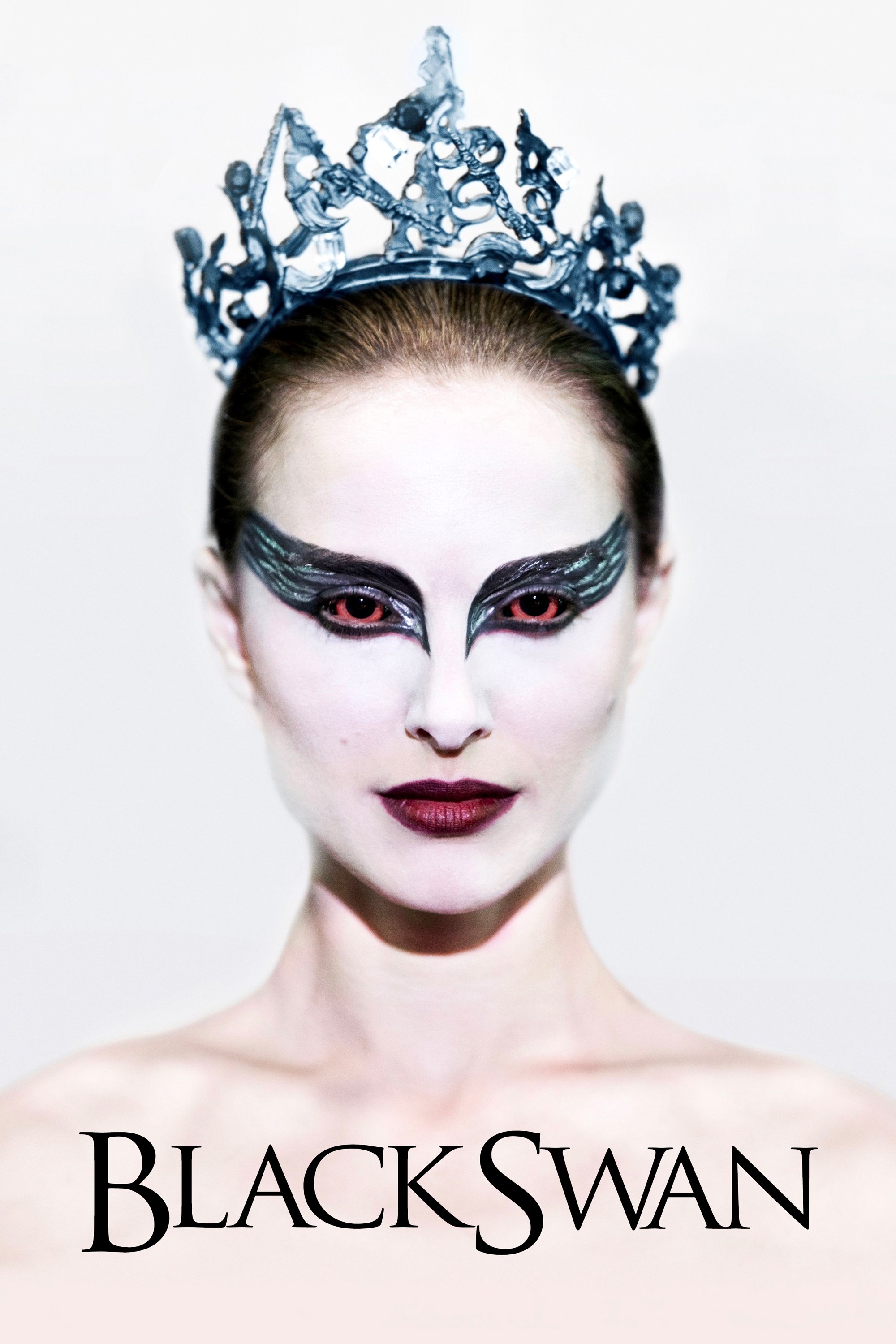
Black Swan: The Obsession That Gazed Back from the Mirror (And Winked)
⚡ Del mismo director (Darren Aronofsky): analiza la evolución o degradación de su estilo.
Darren Aronofsky turns ballet into a razor-sharp psychological thriller. Natalie Portman dances, suffers, and leaves us breathless. Masterpiece or freak show?
 🔥 Fusión Nuclear 9.5
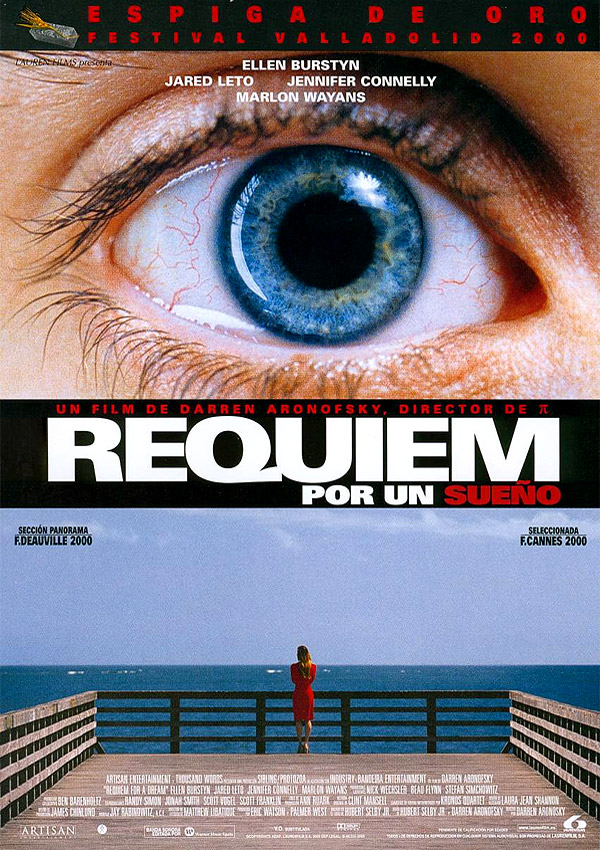
*Requiem for a Dream: The Symphony of Collapse in 24 Frames per Second*
⚡ Del mismo director (Darren Aronofsky): analiza la evolución o degradación de su estilo.
Darren Aronofsky turns addiction into a grotesque ballet of sweat, pixels, and shattered souls. A masterpiece that hurts more than heroin withdrawal.
 🔥 Fusión Nuclear 9.3
2001: A Space Odyssey — The Day Kubrick Left Us Speechless (and Oxygenless)
⚡ Afinidad temática directa en atmósfera, estilo y fijaciones visuales.
Kubrick turned science fiction into pure art: 149 minutes of eloquent silence, bone-wielding apes, and a psychopathic computer. Masterpiece or pretentious fraud? Here’s the verdict.
Editorial Ecosystem
Cinephile connections, archive interviews and related analyses.
🎞️ In Claqueta Cinematheque 3
💬 Debate Cinéfilo & Autopsia de Lectores
¿Discrepas con nuestra nota? ¿Es una obra maestra o veneno puro? Deja tu veredicto abajo sin necesidad de registro.
📏 Normas: se critica la película, no a las personas. Los insultos y los ataques personales se pueden borrar.


