Normal — Ben Wheatley Outsmarts Himself in a Town That Doesn’t Deserve the Effort
Bob Odenkirk and a Derek Kolstad script try to salvage a rural thriller drowning in its own ambition. Wheatley plays Coen wannabe, but ends up directing a Fargo episode with the world’s worst hangover.

'''''''''''''''tweets_alternativos:'''''''''''''''
- "@BenWheatley, ¿en serio creías que podías colarnos un pueblo llamado Normal sin que sonara a chiste de guionista borracho? Bob Odenkirk merece algo mejor. #NormalEsTodoMenosEso"
- "@bobodenkirk y @henrywinkler juntos deberían ser sinónimo de dinamita, pero aquí su química parece un manual de instrucciones de IKEA: funcional, pero sin chispa. #Normal2026"
- "@ApertureMedia y @QWGmire: invertir en un thriller rural con este guion es como comprar acciones en Blockbuster en 2005. Alguien debería haberles advertido. #NormalElDesastre"
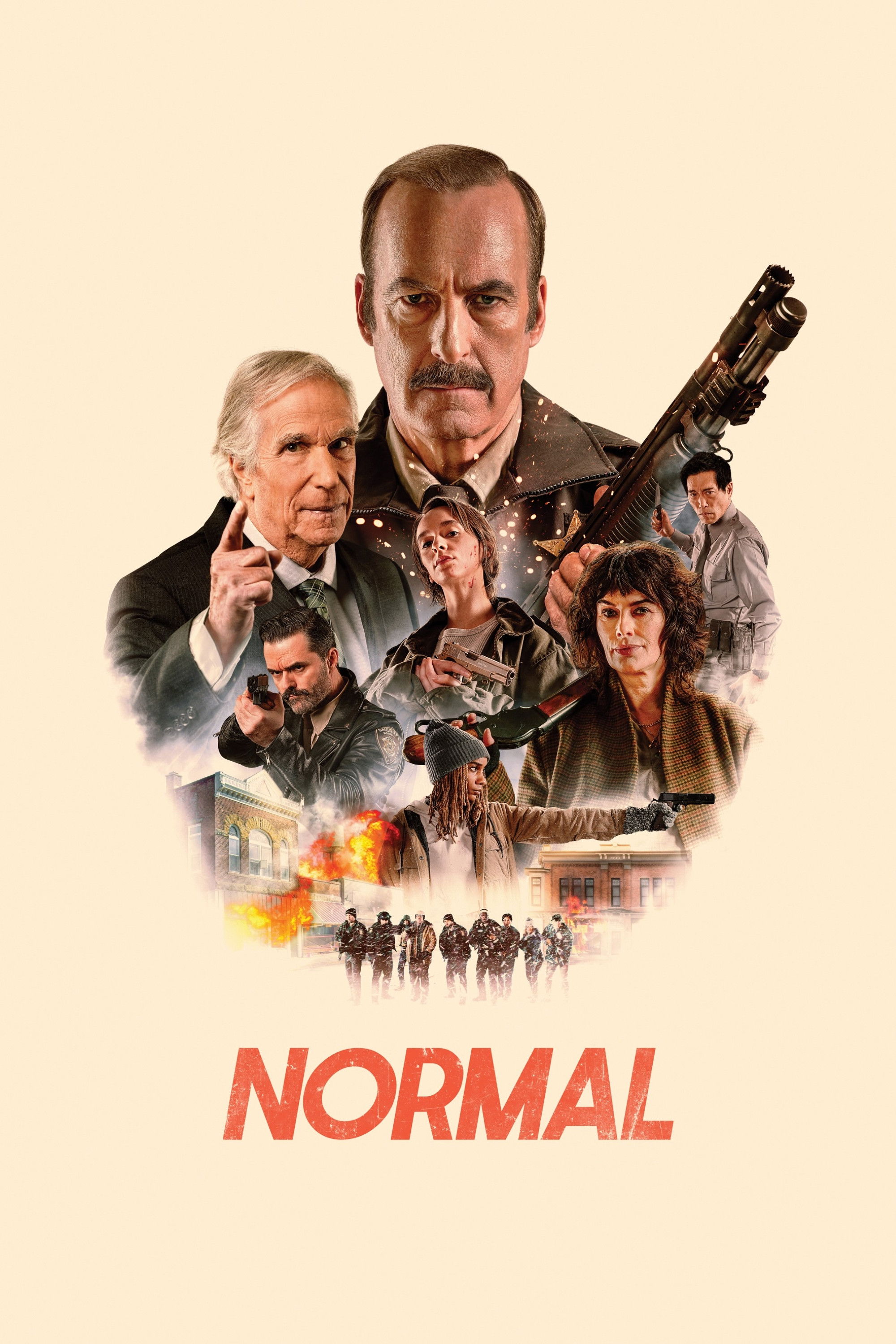
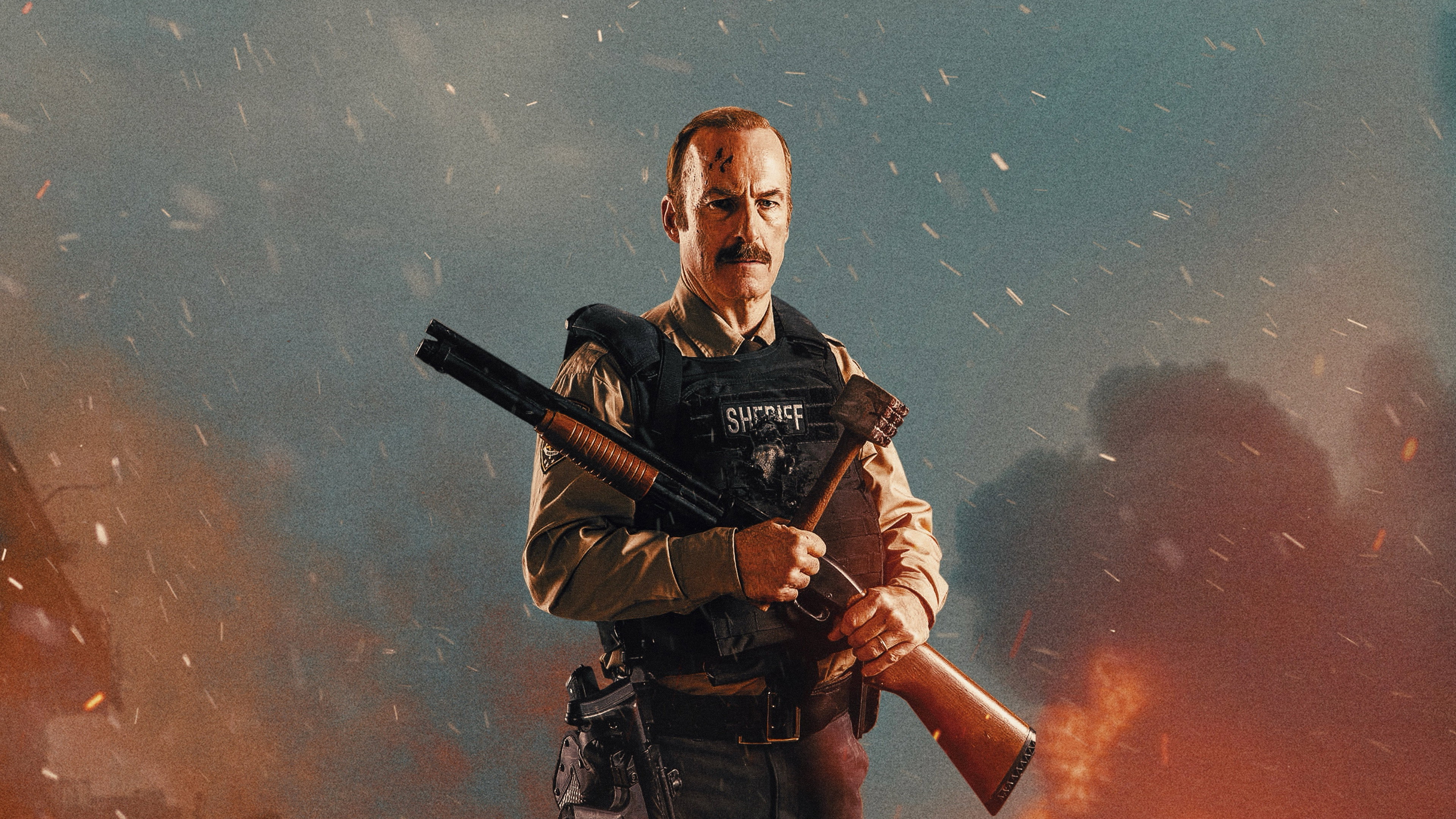
Bob Odenkirk arrives in Normal as Ulysses, a fill-in sheriff with a past murky enough that no one bothers asking questions. Odenkirk, the actor who proved in Better Call Saul that he can convey more with a sigh than others can with a three-page monologue, moves through this film like a ghost with a badge. His performance is the best thing here: restrained, rough, that perfect blend of exhaustion and resolve that only belongs to men who’ve seen too much and expect nothing good. But even the best actor needs a script that doesn’t betray him, and that’s where Normal starts to limp. Derek Kolstad, the man behind the John Wick franchise, writes dialogue that sounds like a producer’s pitch meeting: “This town is like an onion, it has layers,” a character declares at one point. No, Derek, it’s not. It’s a shithole with a bank, a gas station, and a secret everyone knows except the protagonist. If this is an onion, it’s the kind that’s been sitting in the kitchen drawer for years and now only makes you cry when you peel it.
The problem with Normal isn’t that it’s predictable—genre cinema rarely rewards originality—but that its structure feels designed by someone who’s watched too many movies but understood none of them. Wheatley toys with narrative timing like he’s solving a Rubik’s Cube: flashbacks that add nothing, twists you can see coming from a mile away, and a climax that arrives like a derailed train, all noise and no fury. Armando Salas’ cinematography, on the other hand, is a godsend: those sweeping shots of snow-covered landscapes that look like postcards from a place that never existed, those dimly lit interiors where light seeps in as if afraid to enter. But even the best cinematographer needs a director who knows what to do with that light, and Wheatley, in his eagerness to be cool, squanders some of the film’s most potent moments. Like that long take where Ulysses interrogates a suspect in an empty bar: the tension is there, but it dissipates the second someone opens their mouth and delivers a line that sounds like it was lifted from CSI: Duluth.
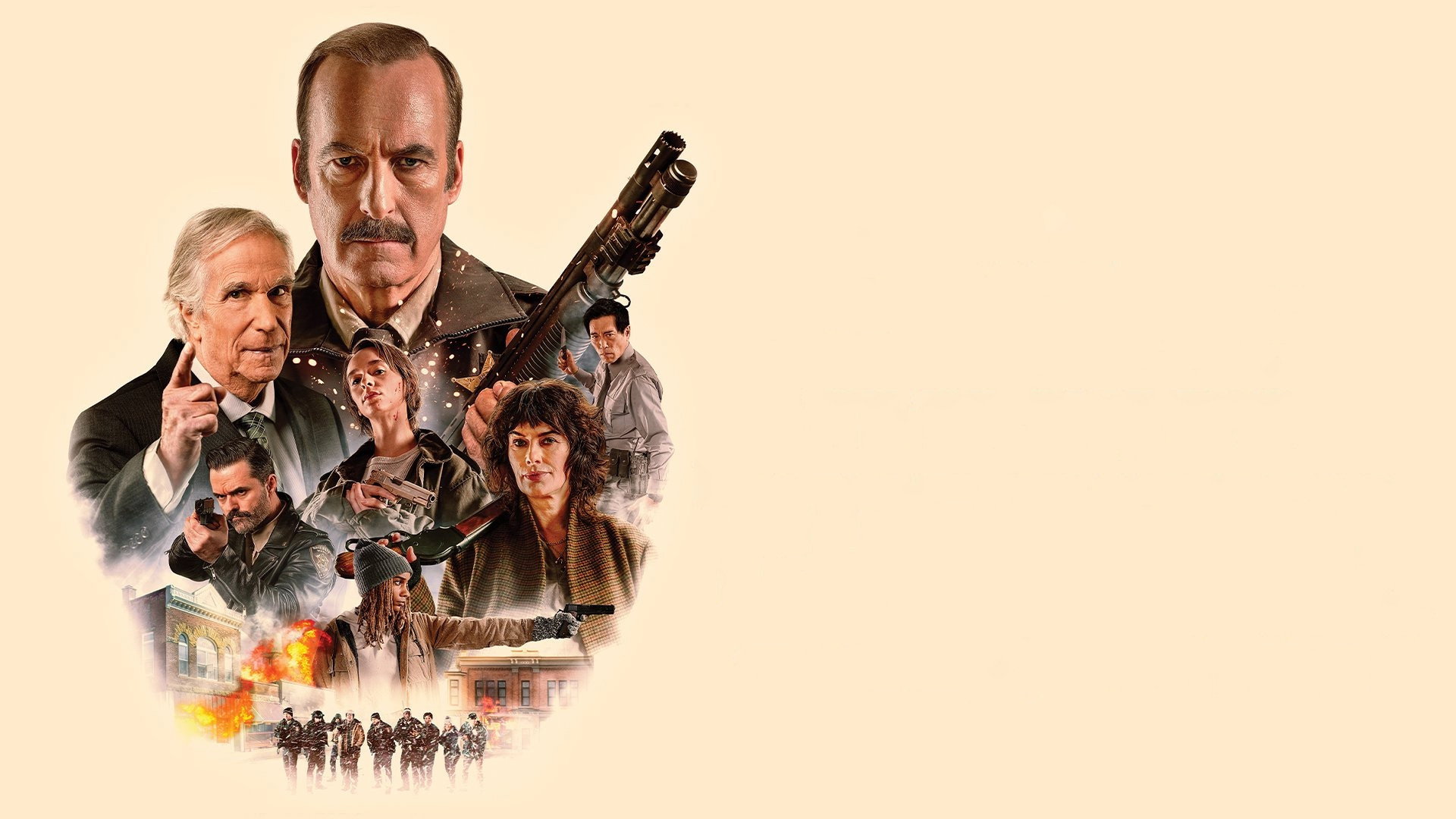
The supporting cast is a festival of familiar faces doing their best with what they’re given. Henry Winkler, the eternal Fonzie, plays a mayor with more shadows than a forest in winter, but his character is so flat it’s painful. Lena Headey, meanwhile, has a magnetic presence as the local motel owner, but her role is so underwritten it feels like an extended cameo. Then there’s Billy MacLellan, an actor who deserves better than playing the typical small-town thug with a poet’s complex. They all seem to be in a different movie than Odenkirk, as if Wheatley shot their scenes on different days and then tried to stitch them together in the editing room with duct tape and hope.
Direction and Mise-en-scène: The Art of Losing Your Way
Ben Wheatley knows how to craft oppressive atmospheres. He proved it in Kill List, where terror crept in through silence, and in High-Rise, where architectural chaos mirrored the moral collapse of its characters. But in Normal, his style feels less like a personal vision and more like a collage of influences. There are moments where the film seems like a Coen brothers homage—those overhead shots of the snow-covered town—others where it channels the twilight western vibe of Hell or High Water, and even a few nods to Twin Peaks in the way evil hides behind fake smiles and apple pies. The problem is Wheatley doesn’t make all these pieces fit. It’s as if he’s seen all the movies he wants to pay tribute to but missed what made them special.
The editing is another weak spot. Some transitions feel like they were lifted from the film’s trailer, as if the editor wanted to ensure the audience didn’t miss a single plot point. And then there are the flashbacks, which arrive unannounced and leave without a trace, like uninvited guests at a party. Wheatley seems obsessed with the idea that the audience needs everything spelled out for them, when what they really need is to feel. Case in point: there’s a scene where Ulysses discovers a corpse in the woods. The camera lingers on the dead man’s face, as if we’re waiting for some macabre revelation. But there’s nothing. Just a dead guy and a shot that lasts three seconds too long, like Wheatley forgot he’d already shown us the body two scenes earlier.
The score, composed by Geoff Barrow (of Portishead), is another element that promises much and delivers little. There are moments where the music sounds like it’s trying to compensate for the script’s lack of tension, with those dark synths and ethereal choirs that feel straight out of an ‘80s film. But then a key moment arrives—a shootout, a revelation—and the music vanishes, as if someone flipped a switch. It’s a shame, because Barrow has more than enough talent to craft unsettling atmospheres, but here he’s working with a script that gives him nothing to play with.
Performances: Odenkirk Holds It Together
Bob Odenkirk is, without a doubt, the best thing in an uneven cast. His Ulysses is a layered character, even if the script doesn’t always let him show it. There’s one scene in particular, near the end of the film, where Ulysses confronts the villain in an abandoned warehouse. No dialogue, just looks and gestures. Odenkirk conveys more in those seconds than many actors do in an entire film. He’s a master of restraint, one of those actors who knows that sometimes less is more. But even he has his limits, and Kolstad’s script doesn’t help. More than once, Ulysses is forced to deliver lines like, “This isn’t a robbery, it’s a declaration of war,” which sound so forced they make you want to scream.
Henry Winkler does what he can with his role as the corrupt mayor, but his character is so generic he feels like he was plucked from a rural thriller villain stock catalog. Lena Headey, meanwhile, has a magnetic presence, but her role is so underwritten it feels like a waste. Her character, the local motel owner, has a couple of memorable scenes—like when she serves Ulysses coffee while shooting him looks that could cut steel—but then she disappears for half an hour, as if Wheatley forgot about her. Billy MacLellan, Ryan Allen, and Reena Jolly round out the cast, but their characters are so flat it’s hard to remember their names five minutes after they leave the screen.
The best
The cinematography of Armando Salas: Salas turns Minnesota’s snowy landscape into a character in its own right. His wide shots, with those gray skies and snow that seems to absorb light, are the closest thing to visual poetry in Normal*. His work on the interiors is also worth noting, where light filters in as if afraid to enter, creating an oppressive atmosphere that makes up for some of the script’s flaws.
- Bob Odenkirk: Odenkirk proves, yet again, that he’s one of the most underrated actors of his generation. His Ulysses is a nuanced character, a man who’s seen too much and expects nothing good. There’s a scene where he confronts the villain in an abandoned warehouse that’s pure acting magic: no dialogue, just looks and gestures, and Odenkirk conveys more in those seconds than many actors do in an entire film.
- The production design: The town of Normal is a character in itself, with its snow-covered streets, abandoned gas station, and a bank that looks like it’s straight out of the 1950s. The production design captures that sense of rural decay that works so well in genre cinema, even if the film doesn’t always know what to do with that atmosphere.
The worst
Derek Kolstad’s script: Kolstad, the man behind John Wick*, writes dialogue that sounds like a producer’s pitch meeting. Lines like “This town is like an onion, it has layers” or “This isn’t a robbery, it’s a declaration of war” sound so forced they make you want to scream. The narrative structure is also a mess: unnecessary flashbacks, predictable twists, and a climax that arrives like a derailed train.
Ben Wheatley’s direction: Wheatley seems more interested in paying homage to his favorite directors than in telling his own story. There are moments where Normal feels like a collage of influences—Coen, Twin Peaks*, westerns—but without a personal vision to tie them together. The editing is another weak point, with transitions that feel like they were lifted from a trailer and flashbacks that arrive unannounced and leave without a trace.
The supporting characters: Henry Winkler, Lena Headey, and the rest of the cast do their best, but their characters are so generic they feel like they were plucked from a rural thriller villain stock* catalog. Winkler, in particular, deserves better than playing a corrupt mayor with more shadows than a forest in winter. Headey has a magnetic presence, but her role is so underwritten it feels like a waste.
The Verdict of Claqueta Ácida
Normal is one of those films that promises a lot and delivers half. Ben Wheatley has more than enough talent to craft oppressive atmospheres, and Bob Odenkirk is an actor who could save even the most disastrous script. But the final result is a film that drowns in its own ambition, like a man trying to swim in a frozen lake while wearing a lead coat. There are brilliant moments—Armando Salas’ cinematography, some of Odenkirk’s scenes—but there’s also too much filler, too many forced lines, and a narrative structure that feels like it was designed by someone who’s watched too many movies but understood none of them. In the end, Normal is like that burnt coffee from the motel: it tastes like something, but you’re not quite sure what. 💀
🎬 Tráiler Oficial
Abrir en YouTube
Ficha de Daños Colaterales en Sala
Certificado de impacto psicofísico emitido por Valeria Von Doom
3 amagos en el tramo intermedio; pestañeo pesado en las transiciones más innecesarias.
Minuto 48 y minuto 85 (comprobando cuánto quedaba de suplicio).
1 espresso para no dejarse vencer por la mediocridad cómoda.
"A mitad del segundo acto cuando la subtrama secundaria empezó a pesar más de lo que aportaba."
💬 El Veredicto de la Comunidad
¿Qué te ha parecido la película? Deja tu nota de 0 a 10 para contrastarla con el análisis de la redacción.
Aún no has votado
📢 ¿Te ha gustado el ácido?
Comparte esta crítica con tus amigos cinéfilos o desata la polémica en redes.
⚡ THE CINEMATIC VENOM YOUR INBOX CRAVES
No sugarcoated ratings, no corporate fluff. Subscribe for our uncensored weekly analysis or join the private Telegram for press previews, poll clashes, and instant alerts.
Alertas de estrenos en 1 segundo, encuestas en caliente y audios al salir de pases de prensa.
Recibe la dosis semanal en tu mail + regalo inmediato del PDF con 50 joyas ocultas de culto.
Related Reviews
Recommended autopsies for demanding film buffs.
 🔥 Fusión Nuclear7.8
*In the Earth: Forest Psychedelia, Mutant Spores, and Nature’s Descent into Madness*
⚡Del mismo director (Ben Wheatley): analiza la evolución o degradación de su estilo.
Ben Wheatley shoots a pandemic-era trip—equal parts lysergic, hallucinatory, and horrifying—blending folk horror, sci-fi, and mutilation deep in the woods.
 🔥 Fusión Nuclear9.1
*Kill List*: Broken Domesticity, Discount Hitmen, and the Unfathomable Abyss of British Folk Horror
⚡Del mismo director (Ben Wheatley): analiza la evolución o degradación de su estilo.
Ben Wheatley blends British kitchen-sink drama with hitman cinema and the most devastating pagan folk horror of the 21st century.
 🔥 Fusión Nuclear8.5
*Sightseers*: Caravan Holidays, Homicidal Hillbillies, and a Hilariously Dark British Comedy
⚡Del mismo director (Ben Wheatley): analiza la evolución o degradación de su estilo.
Ben Wheatley delivers a pitch-black, quintessentially British, and uproariously funny comedy about a pair of rural serial killers touring England in a retro caravan.
Editorial Ecosystem
Cinephile connections, archive interviews and related analyses.
🎞️ In Claqueta Cinematheque3
💬 Debate Cinéfilo & Autopsia de Lectores
0 veredictos¿Discrepas con nuestra nota? ¿Es una obra maestra o veneno puro? Deja tu veredicto abajo sin necesidad de registro.

Aún nadie ha dejado su veredicto para esta película.
Sé el primero en clavarle el colmillo rellenando el formulario de arriba.