Blue Velvet — A Descent into the Abyss
A scathing review of Blue Velvet, David Lynch’s film that drags you kicking and screaming into the rot beneath suburbia’s manicured lawns.


Blue Velvet: full review


The first time I saw Blue Velvet in a grimy Madrid neighborhood cinema, with seats creaking like brittle bones and the stench of stale popcorn mingling with the smoke of some wiseass sneaking a cigarette, I knew David Lynch wasn’t just a director. He was a butcher wielding a scalpel, carving into the festering underbelly of Middle America with zero anesthesia. This wasn’t cinema; it was a live autopsy. And like poor Jeffrey Beaumont, I’d just stumbled upon a severed ear in a field of immaculately trimmed grass. That ear, by the way, wasn’t a prop. It was Lynch’s most honest symbol: a promise to flay us alive and show us the rot pulsing beneath the pristine surface of suburbia—slimy, stinking, and profoundly human in its wretchedness.
Context isn’t just a footnote here. It was 1986, and Hollywood was obsessed with steroid-pumped heroes, cardboard special effects, and endless sequels. Top Gun, Aliens, and Crocodile Dundee ruled the box office while arthouse cinema gasped for air in elite festivals or niche theaters with a handful of pretentious patrons. Lynch, who’d already proven with Eraserhead and The Elephant Man that discomfort was his middle name, decided it was time to drag his obsession with the grotesque into the mainstream. But make no mistake—he wasn’t a cheap provocateur. Lynch didn’t chase shock value; he chased truth, no matter how rancid. And in Blue Velvet, truth reeks of cheap perfume, sweat, and dried blood.
The film opens with a shot so visually poetic it should be framed: a man watering his garden, the water flowing serenely, the colors so saturated they could be a 1950s ad. Then—bam—he clutches his chest and collapses. Instead of lingering on his agony, the camera plunges into the grass, revealing a teeming underworld of insects devouring each other. That shot says it all. Lynch doesn’t need dialogue to tell us that beneath America’s idyllic facade lies an ecosystem of violence and predation. Enter Jeffrey Beaumont (Kyle MacLachlan), a kid who, like the audience, decides to poke around where he shouldn’t. His discovery of a human ear in a field isn’t just a plot device; it’s Lynch’s metaphor for what he wants us to do: listen to what we’d rather ignore.
MacLachlan’s performance is one of those Lynchian miracles. Jeffrey isn’t a hero or even an antihero. He’s an everyman with an unhealthy curiosity and a morally ambiguous compass, stumbling into a world he may never escape. MacLachlan sells this mix of innocence and perversion with terrifying naturalism. He doesn’t act; he simply exists. Then there’s Isabella Rossellini as Dorothy Vallens, the nightclub singer trapped in a nightmare she can’t wake from. Rossellini doesn’t play Dorothy; she is Dorothy. Her performance is so raw, so exposed, that there are moments you want to look away—not because it’s bad, but because Lynch films her like a man flaying her alive. And she lets him.
But what makes Blue Velvet truly singular is its direction. Lynch doesn’t just break the rules of classic suspense—he burns them and dances on their ashes. The scene where Jeffrey hides in Dorothy’s closet while Frank Booth (Dennis Hopper) storms in is a masterclass in tension. No music, no unnecessary dialogue—just the sound of ragged breathing and the audience’s heartbeat. Lynch knows fear doesn’t need explanation; it just needs room to grow. And in that scene, the room is a claustrophobic closet where time stands still.
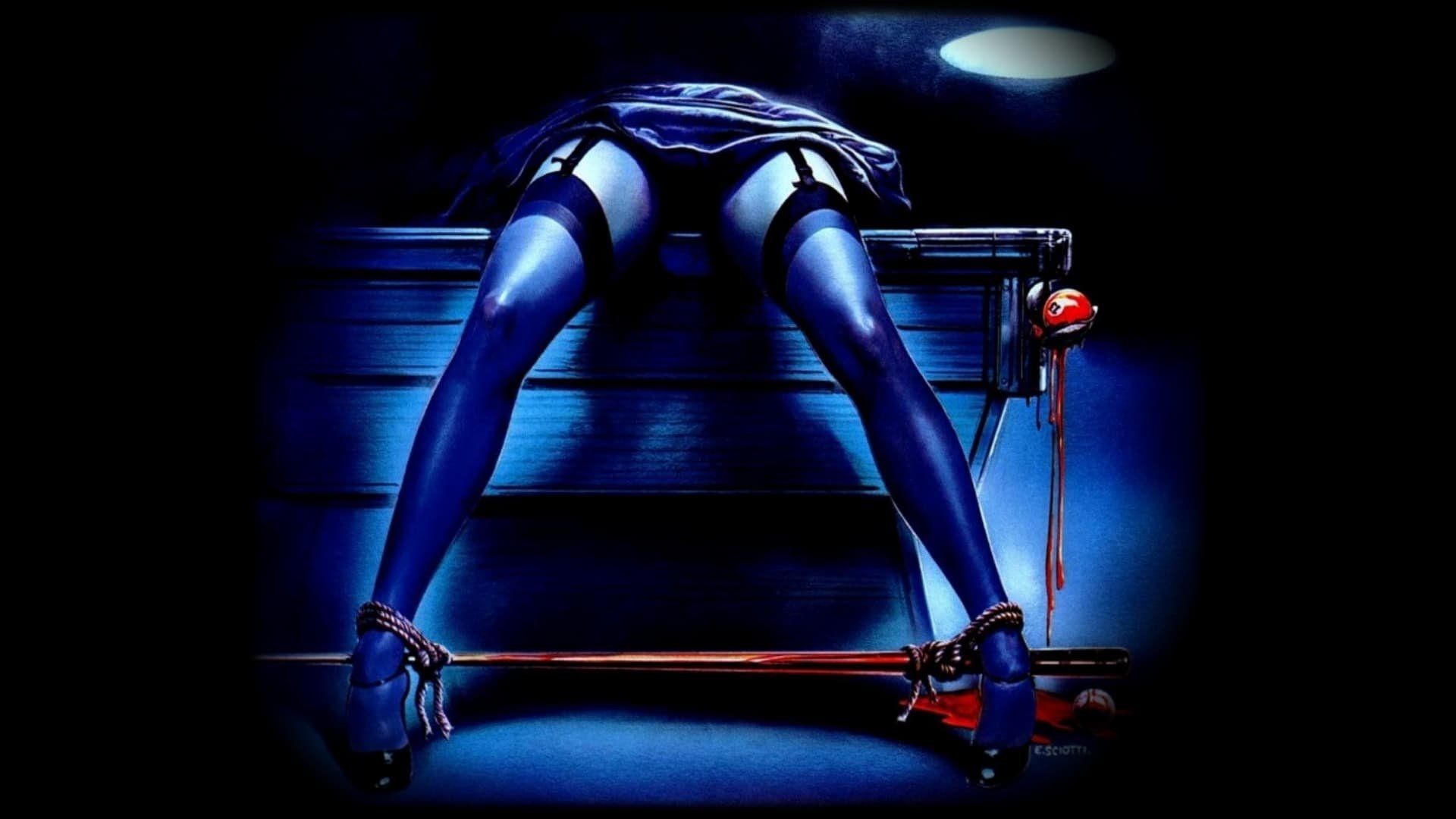
Direction and Mise-en-Scène: Hell in Technicolor
David Lynch understands cinema as a fever dream you can’t wake from. There’s no logic, only sensation. And in Blue Velvet, those sensations are so intense they leave scars. Lynch plays with contrasts like a madman: light and dark, beauty and grotesquerie, comedy and terror. Take the scene where Frank Booth, played by a Dennis Hopper in full psychopathic glory, forces Dorothy to sing Blue Velvet while he huffs gas from a mask and writhes in ecstasy. It should be ridiculous, but Lynch films it with such dead seriousness that it becomes deeply unsettling. Hopper doesn’t act; he unleashes. Frank isn’t a typical villain; he’s a monster without redemption, a man who savors pain like a gourmet meal. And Lynch films him with a chilling detachment, as if documenting a wild animal in its habitat.
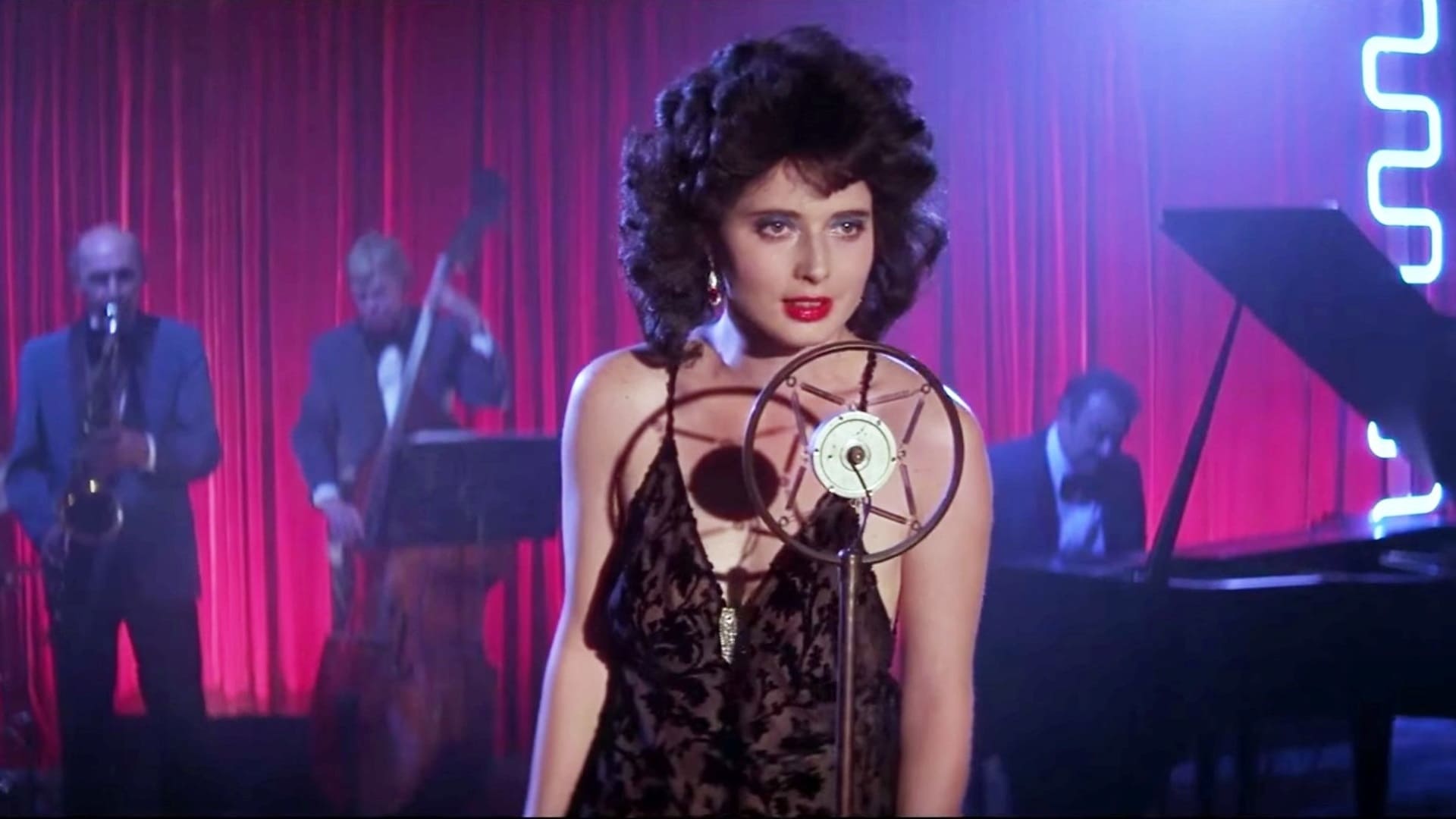
Frederick Elmes’ cinematography is another pillar of the film. Elmes, a Lynch regular, uses a color palette straight out of a nightmare (or a dream). Reds are redder, blues bluer, greens greener. It’s as if reality’s saturation dial has been cranked to eleven. The framing is meticulous, oscillating between classic Hollywood composition and German Expressionism. But the real magic is how Elmes and Lynch use light to craft atmosphere. The scene in the nightclub where Dorothy sings, bathed in an otherworldly blue glow, is pure visual sorcery. This isn’t just a scene; it’s a sensory assault.
The editing, by Duwayne Dunham, is another standout. Lynch doesn’t believe in conventional pacing; his films move like a train that sometimes stops at abandoned stations and other times hurtles forward without warning. There are moments when the film seems to freeze entirely, as if Lynch is giving us time to process what we’ve just seen. Then, suddenly, a jarring cut propels us into a completely different scene. It’s an editing style that mirrors Jeffrey Beaumont’s mind: curious, chaotic, and occasionally dangerously obsessive.
Performances: When Method Acting Becomes a Nightmare
The cast of Blue Velvet is a mix of seasoned actors and discoveries Lynch molded to his whims. Kyle MacLachlan had already worked with Lynch on Dune, but here he proves he’s more than just a pretty face. Jeffrey Beaumont is a complex character, a young man oscillating between fascination and horror, and MacLachlan conveys that duality with unsettling ease. No exaggerated gestures, no melodramatic stares—just a regular guy drowning in a situation he can’t control. And that’s what makes him so believable.
But if one performance steals the show, it’s Isabella Rossellini’s. Dorothy Vallens isn’t a character; she’s an open wound. Rossellini, then better known as a model than an actress, commits fully to the role, unafraid to bare her vulnerability. There’s a scene where Dorothy, naked and bruised, begs Jeffrey to hit her. It’s not erotic; it’s pure, unadulterated desperation. Rossellini doesn’t act; she suffers. And the audience suffers with her. It’s one of those performances that leaves you breathless—not because of technique, but because of its brutal honesty.
Then there’s Dennis Hopper. If Frank Booth didn’t exist, we’d have to invent him. Hopper, in a career slump at the time, throws himself into the role with self-destructive intensity. Frank isn’t a typical villain; he’s a man who’s lost every shred of humanity. Hopper doesn’t play Frank; he becomes him. His speech, his movements, his gaze—so disturbing it’s terrifying. He’s not a character; he’s a force of nature. And Lynch films him with a morbid fascination, like a documentarian observing a predator in the wild.
Laura Dern, as Sandy Williams, Jeffrey’s girlfriend, provides a counterpoint of innocence. Sandy is the light in the darkness, but even she has shadows. Dern, then a young and relatively unknown actress, conveys a mix of sweetness and determination that makes Sandy more than just the typical naive girlfriend. She’s a survivor, and Dern knows it. Her chemistry with MacLachlan is palpable, and their scenes together offer a tenderness that contrasts sharply with the rest of the film.
Technical Aspects: When Sound and Image Become a Nightmare
The music in Blue Velvet is another triumph. Lynch, also a musician, knows how to use sound to craft atmosphere. There’s no traditional score; just sounds that burrow into the viewer’s brain. From Bobby Vinton’s distorted rendition of Blue Velvet to the ambient noises Lynch uses to build tension, sound doesn’t accompany the image—it devours it. There’s a scene where Jeffrey and Sandy are in a car, and Lynch uses the engine’s hum and the radio’s static to create unease. This isn’t a dialogue scene; it’s a sound scene.
Patricia Norris’ production design is another highlight. Norris, who also worked with Lynch on The Elephant Man, creates a world that feels plucked from a dream (or a nightmare). The sets aren’t realistic; they’re symbolic. Dorothy’s house, with its red walls and outdated furniture, feels like a place outside of time. It’s not a home; it’s a womb Dorothy can’t escape. And the nightclub where she sings, with its blue lights and oppressive atmosphere, is a place where reality warps. It’s not a club; it’s hell.
Norris’ costume design is equally crucial. The characters don’t wear clothes; they wear symbols. Dorothy’s tight dresses are like masks, hiding her true self. Frank Booth’s leather jackets and Hawaiian shirts make him look like a man trapped in a warped 1950s fantasy. And Jeffrey Beaumont, with his plaid shirts and jeans, looks like a lost teenager in a world he doesn’t understand.
The best
- Frederick Elmes’ cinematography: It’s not just that the colors are saturated to the point of unreality; every frame feels like a painting. His use of light and shadow to create atmosphere is nothing short of masterful. Elmes doesn’t light scenes; he lights nightmares.
- Isabella Rossellini’s performance: Dorothy Vallens is one of those characters who haunts you forever. Rossellini doesn’t play Dorothy; she bleeds on screen. Her vulnerability is so real it hurts.
- David Lynch’s direction: Lynch doesn’t make films; he creates experiences. His ability to blend beauty and grotesquerie, comedy and terror, is unparalleled. He’s not a director; he’s a shaman.
- Dennis Hopper’s performance: Frank Booth is one of cinema’s most disturbing villains. Hopper doesn’t act; he becomes a monster. His intensity is so overwhelming it’s terrifying.
- Duwayne Dunham’s editing: Lynch doesn’t believe in conventional pacing, and Dunham nails it. The editing doesn’t follow rules; it breaks them. Some moments feel frozen, others hurtle forward. It’s an edit that mirrors an obsessed man’s mind.
The worst
- Pacing in some scenes: Lynch isn’t in a hurry, and there are moments when the film drags. It’s not boring, but it demands patience.
- Plot ambiguity: Some viewers might feel lost without clear explanations. Lynch doesn’t explain; he shows. Not everyone is willing to go along for the ride.
- Sandy Williams’ character: While Laura Dern is great, Sandy sometimes feels too innocent for the world she inhabits. She’s the light in the darkness, but that light can feel artificial.
- The ending: Without spoilers, the ending may feel too symbolic for some. Lynch doesn’t tie up stories; he leaves them open. Not everyone is willing to accept that.
The Verdict of Claqueta Ácida
Blue Velvet isn’t a film; it’s an ordeal. One that will leave you scarred, questioning reality, and—above all—reminding you that cinema can be so much more than entertainment. It can be a mirror. David Lynch doesn’t show us a pretty world; he shows us the real one, with all its shadows and squalor. And he does it with a mastery that borders on the supernatural. This isn’t a film for everyone, but it’s a film everyone should see at least once. If you dare to descend into its darkness, you won’t come back the same. And that, dear readers, is what makes cinema great. 💀
🎬 Tráiler Oficial
Abrir en YouTube
Blue Velvet: frequently asked questions
- What is the rating of "Blue Velvet" on Claqueta Ácida?
- "Blue Velvet" scored 8.5/10 on Claqueta Ácida in the review by Dr. Cinismo.
- Is "Blue Velvet" worth watching?
- Yes. We gave it 8.5/10 (Nuclear Fusion), our rating for must-see films.
- Who directed "Blue Velvet"?
- "Blue Velvet" was directed by David Lynch.
Theater Collateral Damage Report
Psychophysical impact certificate issued by Dr. Cinismo
Ni un solo parpadeo voluntario. El asiento, inusualmente cómodo.
Ni una sola mirada al móvil.
Ninguna. Guarda el café para la sesión siguiente.
"No aplica. La obra se sostiene sola."
💬 Community Verdict
What did you think of the film? Rate it from 0 to 10 to compare it with the editorial review.
You haven't voted yet
📢 ¿Te ha gustado el ácido?
Comparte esta crítica con tus amigos cinéfilos o desata la polémica en redes.
⚡ THE CINEMATIC VENOM YOUR INBOX CRAVES
No sugarcoated ratings, no corporate fluff. Subscribe for our uncensored weekly analysis or join the private Telegram for press previews, poll clashes, and instant alerts.
Alertas de estrenos en 1 segundo, encuestas en caliente y audios al salir de pases de prensa.
Recibe la dosis semanal en tu mail + regalo inmediato del PDF con 50 joyas ocultas de culto.
Related Reviews
Recommended autopsies for demanding film buffs.
 🔥 Fusión Nuclear 9.2
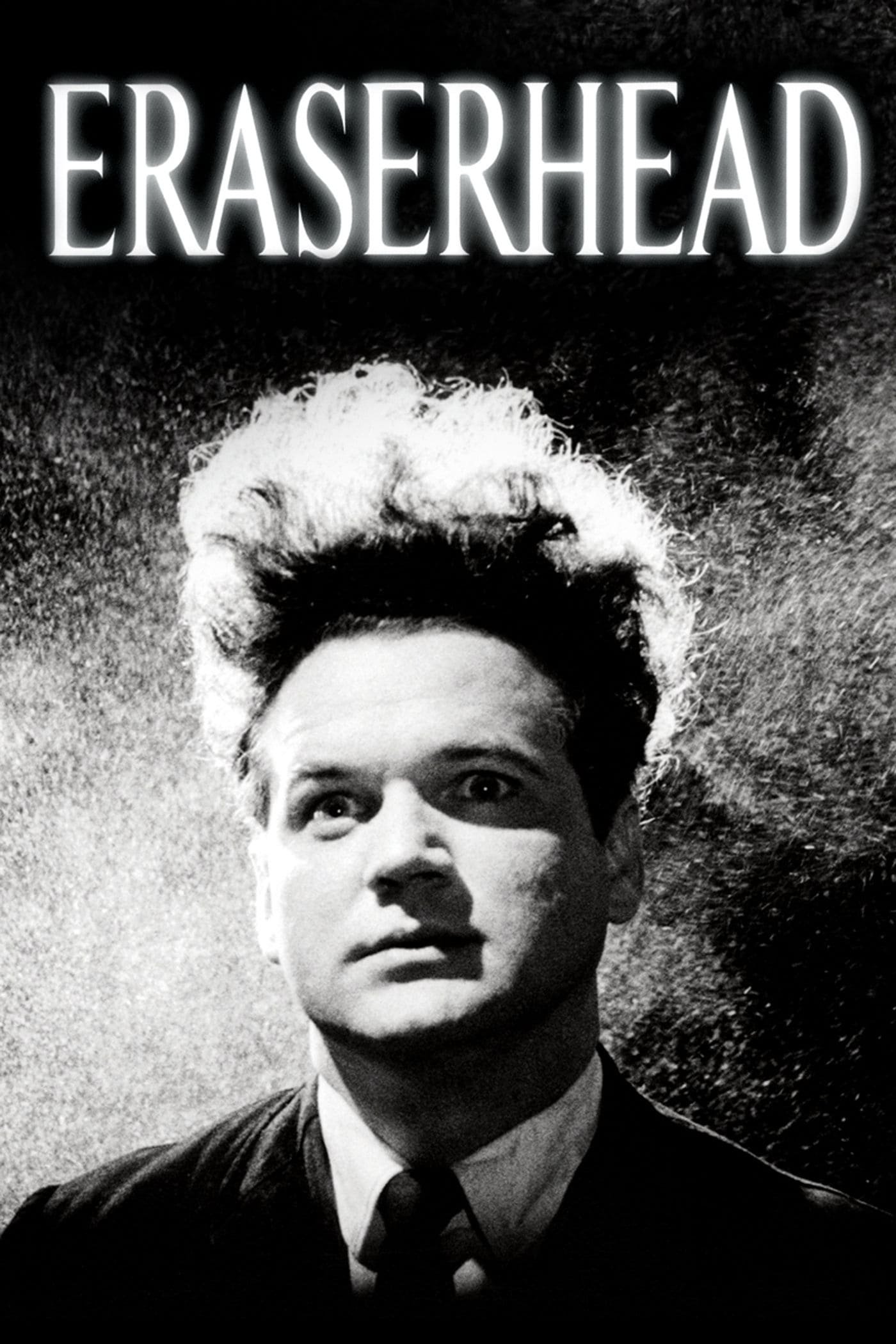
 Eraserhead: Eraser Brain or How to Birth a Monster in Celluloid
⚡ Del mismo director (David Lynch): analiza la evolución o degradación de su estilo.
David Lynch turns fatherhood into an industrial nightmare of viscous textures and drowned screams in 89 minutes of pure analog body-horror. Art or cinematic miscarriage? We dissect it here.
 🔥 Fusión Nuclear 9.3
 2001: A Space Odyssey — The Day Kubrick Left Us Speechless (and Oxygenless)
⚡ Afinidad temática directa en atmósfera, estilo y fijaciones visuales.
Kubrick turned science fiction into pure art: 149 minutes of eloquent silence, bone-wielding apes, and a psychopathic computer. Masterpiece or pretentious fraud? Here’s the verdict.
 🔥 Fusión Nuclear 8.5
 *A Clockwork Orange: The Sweet, Rusty Aftertaste of Violent Haute Couture*
⚡ Afinidad temática directa en atmósfera, estilo y fijaciones visuales.
A scathing review of Kubrick’s masterpiece, where ultraviolence meets 60s fashion in a twisted pas de deux.
Editorial Ecosystem
Cinephile connections, archive interviews and related analyses.
🎞️ In Claqueta Cinematheque 1
💬 Debate Cinéfilo & Autopsia de Lectores
0 veredictos¿Discrepas con nuestra nota? ¿Es una obra maestra o veneno puro? Deja tu veredicto abajo sin necesidad de registro.


Aún nadie ha dejado su veredicto para esta película.
Sé el primero en clavarle el colmillo rellenando el formulario de arriba.