The Brown Bunny — The Most Sluggish, Most Miserable, and Most Self-Indulgent Joyride in Indie Cinema
Vincent Gallo gifts us 90 minutes of excruciating silence, endless shots, and a real-life blowjob no one asked for. Art or autopsy?

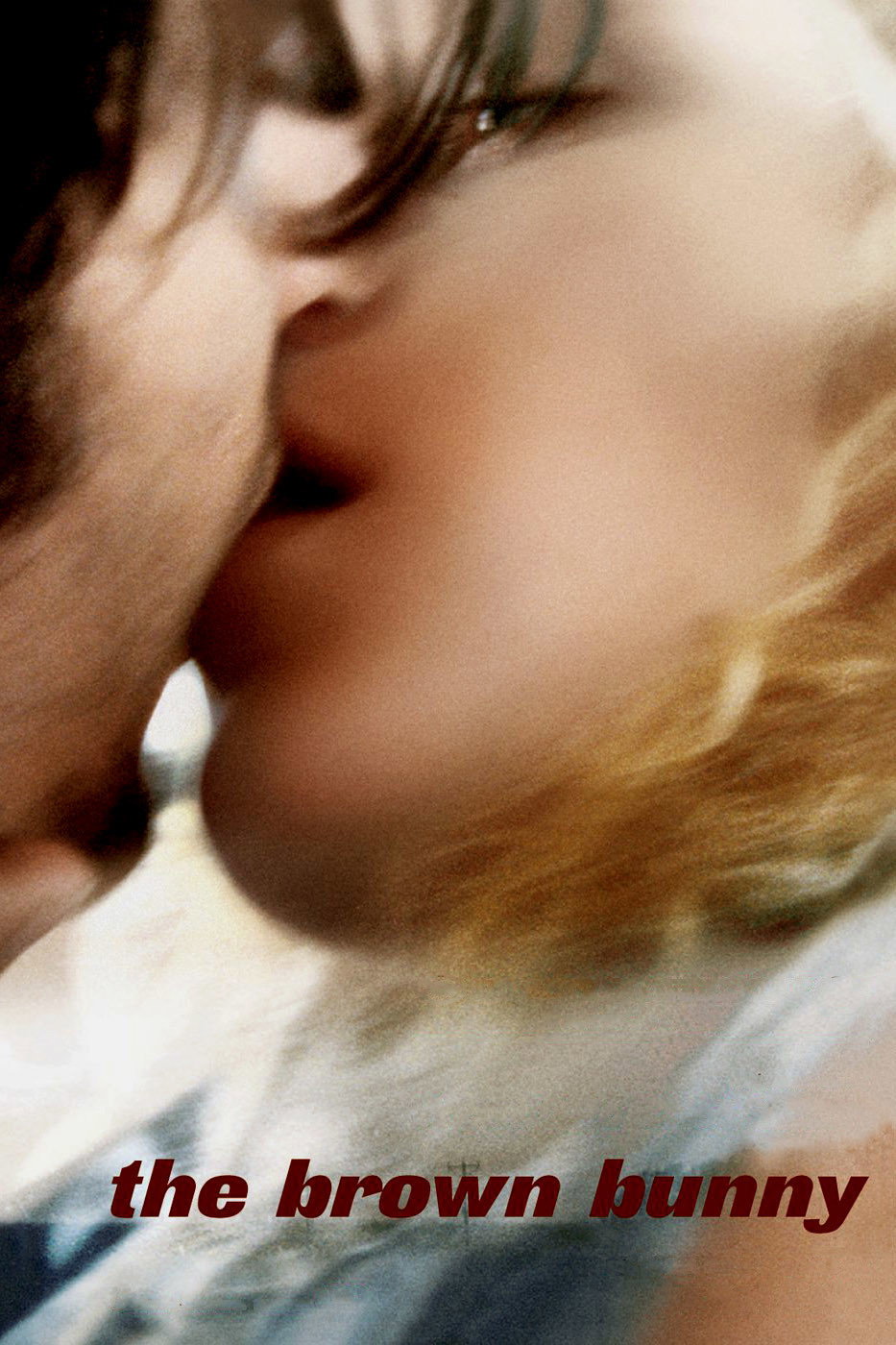
Indie cinema has always been fertile ground for self-indulgence, but Vincent Gallo decided to take the concept to new heights of narcissism with The Brown Bunny. Released in 2003, this film is the cinematic equivalent of a diary written with one’s feet, shot on a security camera, and screened at a film festival just so no one could dare say it wasn’t “art.” Gallo, a man who seems to have confused minimalism with sheer laziness, embarks on a project that reeks more of personal therapy than cinematic storytelling. And no, this isn’t a critique—it’s a diagnosis: this film is an exercise in intellectual masturbation disguised as an existentialist road movie. If the goal was to prove that cinema could be boring to the point of psychological torture, mission accomplished, Mr. Gallo. Congratulations, you’ve created the audiovisual equivalent of watching paint dry, but with more testosterone and less charm.
The context of The Brown Bunny is as fascinating as its final result is depressing. Gallo, a man who had already demonstrated his flair for controversy with his debut Buffalo '66 (1998), decided his second film would be an exercise in “radical authenticity.” And what’s more authentic than filming your own life without filters, without a script, and without the slightest consideration for the audience? The film premiered at the Cannes Film Festival, where it was met with boos, scathing reviews, and a controversy that, as always, Gallo fueled with his trademark arrogance. The director, who also wrote, shot, and starred in the film, seemed more interested in proving his misunderstood genius than in telling a story. And boy, did he succeed: The Brown Bunny is so misunderstood that even its most ardent defenders can’t explain what the hell is happening on screen. It’s as if Gallo had decided cinema should be a pure sensory experience but forgot to include the senses.
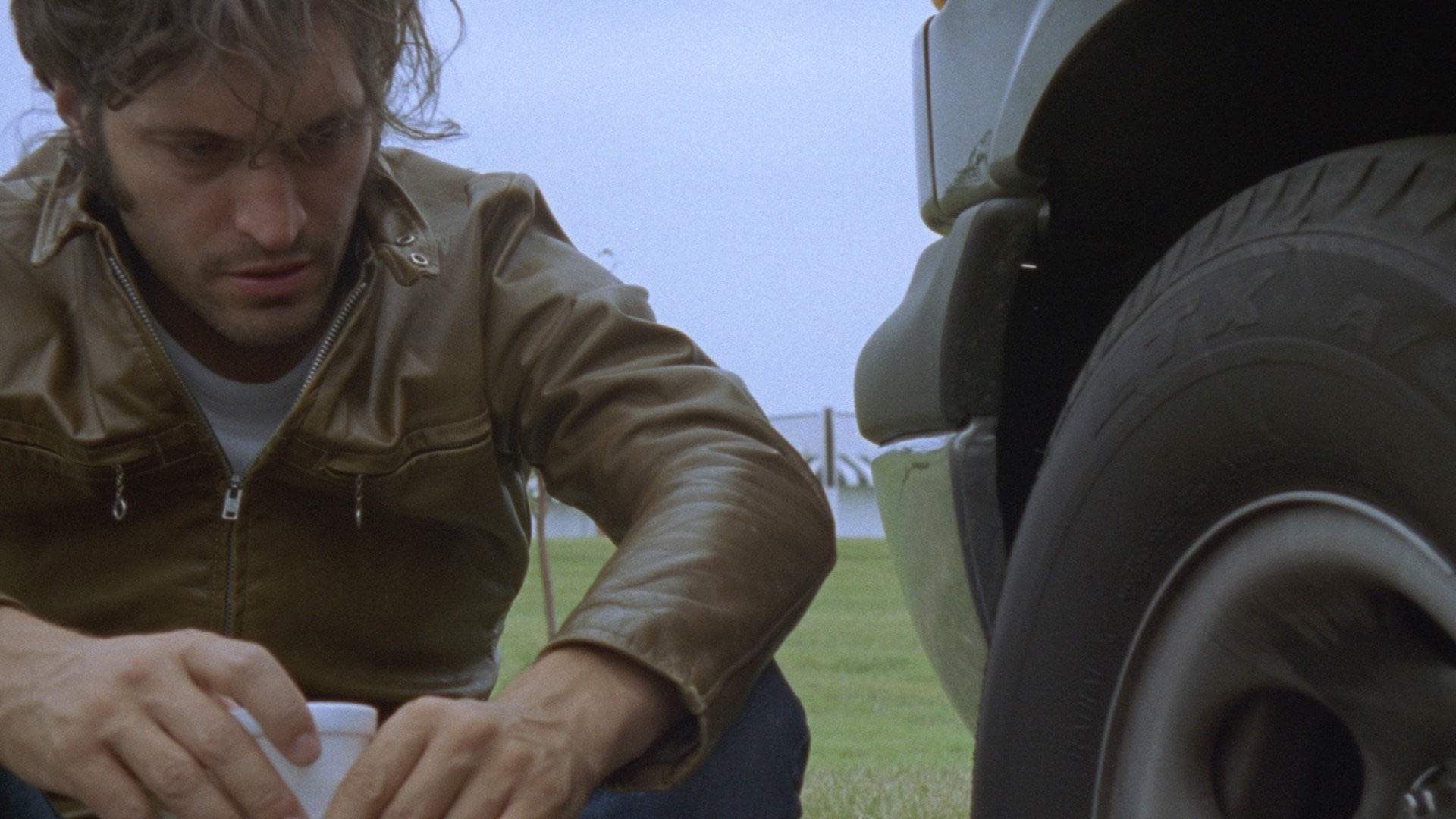
The journey of Bud Clay, a motorcycle racer haunted by the memory of his ex-girlfriend, is as thrilling as watching paint dry. For 90 minutes, we follow this guy as he drives down deserted highways, eats at fast-food joints, and has awkward encounters with women who look like they were cast from America’s Next Top Model but with even less charisma. The premise sounds like an indie drama with road movie undertones, but the execution is so slow you could fall asleep, wake up, and still not miss a thing. Gallo fixates on long takes, uncomfortable silences, and an aesthetic that oscillates between amateurish and pretentious. It’s as if someone took the script of Paris, Texas (1984), blended it into a pulp, and then filmed it with an 8mm camera found at a flea market. The result is a film that feels more like a conceptual art experiment than a cinematic work. And the worst part? Deep down, Gallo knows it.
But let’s talk about what really matters: the scene everyone remembers (and no one asked for). Yes, that one where Chloë Sevigny gives Gallo a real blowjob in a single take that lasts what feels like an eternity. The scene isn’t just unnecessary—it’s the pinnacle of self-indulgence. Gallo doesn’t just film himself in an intimate moment; he forces Sevigny to participate in his little power play. Is it art? Exploitation? Just a guy with a Texas-sized ego and a camera? The only thing clear is that, after watching that scene, any pretension of narrative depth goes down the drain. It’s as if Gallo decided that if the film couldn’t be interesting, at least it could be uncomfortable. And damn, did he succeed. The scene adds nothing to the plot, doesn’t develop the characters, and, most importantly, doesn’t make the audience feel anything beyond a mix of secondhand embarrassment and confusion. But of course, in Gallo’s world, discomfort is synonymous with genius.
Direction: The Art of Making Nothing Look Like Something
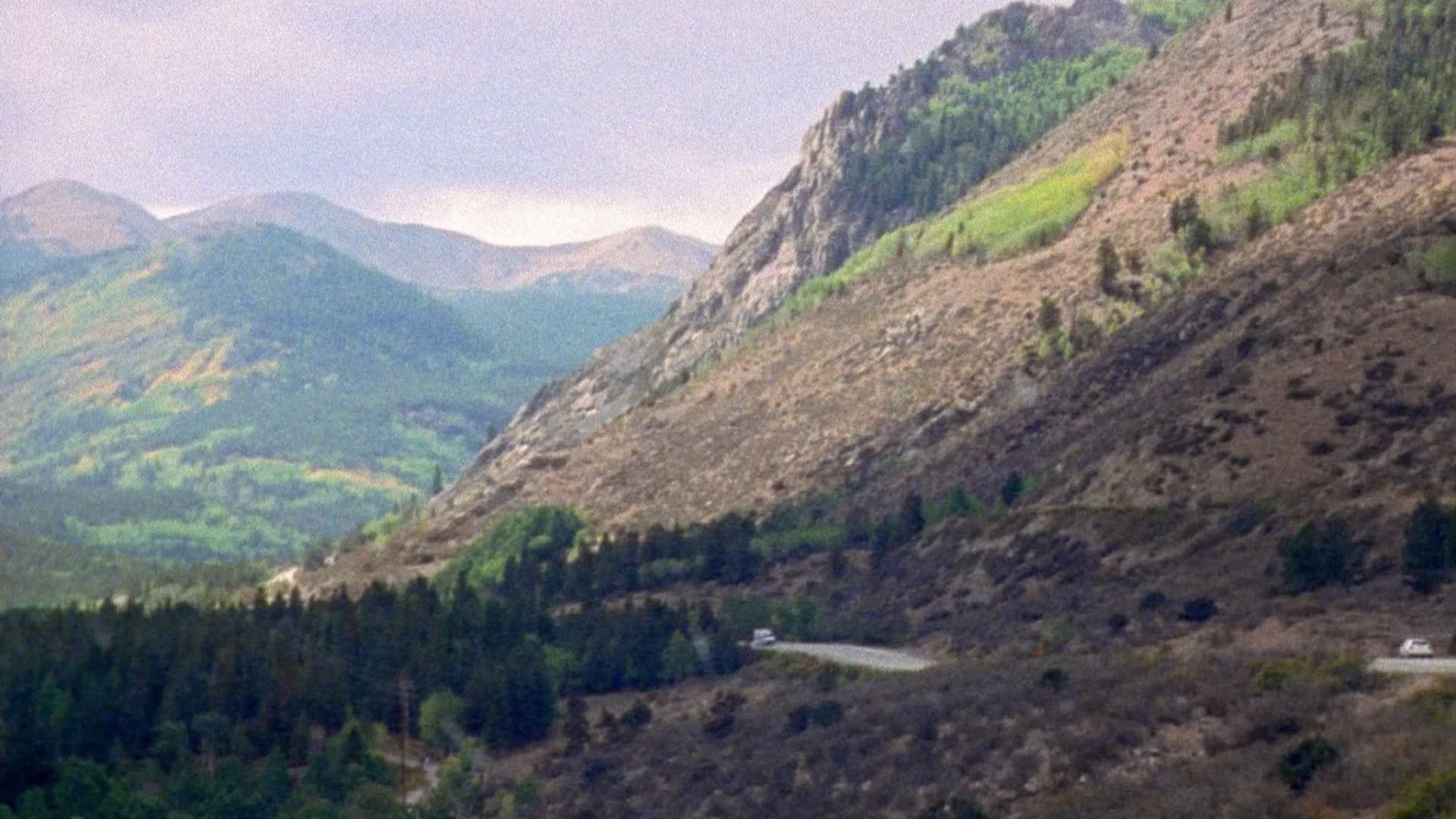
Vincent Gallo directs The Brown Bunny as if he’s filming a documentary about his own depression. The shots are long, static, and, in many cases, completely irrelevant. There’s a sequence where Bud Clay rides his motorcycle for what feels like an hour—and we’re not exaggerating. It’s as if Gallo decided the audience needed to experience every second of that journey, including the potholes, the wind in their face, and the existential boredom. The cinematography, also handled by Gallo, is so amateurish it looks like a film school final project. The colors are muted, the lighting is flat, and the framing is so predictable you could guess the next shot before it appears. It’s as if Gallo decided cinema should be ugly, slow, and boring, and set out to prove it with every take.
The film’s pacing is so glacial you could brew a cup of coffee, drink it, and return without missing a thing. Gallo seems obsessed with the idea that silence is profound, but in reality, it’s just boring. The dialogue is sparse, clumsy, and, in many cases, completely unnecessary. There’s a scene where Bud Clay talks to a woman in a bar, and the exchange is so awkward it feels like a bad Saturday Night Live sketch. There’s no chemistry, no tension, nothing. Just two people talking as if they’re reading a script for the first time. And the worst part? Gallo seems to think this is art. That the fact the characters aren’t saying anything interesting is, in itself, a profound statement about the human condition. Spoiler: it’s not. It’s just a badly written script performed even worse.
The editing, also by Gallo, is so chaotic it looks like someone who just discovered the “cut” button put it together-la-cueva-de-los-espejos-rotos" class="text-amber-400 font-black hover:text-amber-300 transition underline decoration-amber-500/40 hover:decoration-amber-300" title="[6.5/10 ⚡ Ácido Cítrico] Lee nuestra autopsia de «Together»" data-acid-interlink="together-la-cueva-de-los-espejos-rotos">together. The transitions are jarring, the shots don’t flow, and there are moments when the film seems stuck in a loop. It’s as if Gallo decided traditional editing was too conventional and opted for something more “experimental.” The result is a film that feels like a collage of meaningless images, as if someone took snippets of different movies and pasted them together at random. And the saddest part? Deep down, that’s exactly what The Brown Bunny is: a collage of indie cinema’s worst vices, filmed with a camera and an oversized ego.
The best
- Chloë Sevigny’s performance: The only one who seems to remember she’s in a movie and not a group therapy session. Her final scene is the sole flicker of humanity in this desert of narcissism.
- John Frusciante’s score: Minimalist to the point of boredom, but at least it doesn’t try to be something it’s not. It’s like a whisper in a hurricane of silence.
- Vincent Gallo’s audacity: Because it takes guts (or a complete lack of self-awareness) to screen this at Cannes and expect anyone to take it seriously.
The worst
- The script: No plot, no conflict, nothing. It’s as if Gallo decided storytelling was too mainstream and opted to film his real life without a script.
- Gallo’s direction: Endless shots, unbearable pacing, and an obsession with silence that borders on pathological. It’s like watching paint dry, but with more pretension.
- The blowjob scene: Unnecessary, uncomfortable, and completely gratuitous. The pinnacle of self-indulgence and disrespect for the audience.
- The cinematography: Amateurish, flat, and boring. It’s as if Gallo discovered the camera the day before filming.
- The pacing: So slow you could brew coffee, drink it, and return without missing a thing. The cinematic equivalent of watching grass grow.
The Verdict of Claqueta Ácida
The Brown Bunny isn’t a movie—it’s a failed conceptual art experiment masquerading as a road movie. Vincent Gallo gifts us 90 minutes of uncomfortable silence, endless shots, and a real-life blowjob no one asked for, all wrapped in an aesthetic that oscillates between amateurish and pretentious. It’s as if someone took the script of Paris, Texas, burned it, and then filmed the ashes. The film is an exercise in self-indulgence that confuses minimalism with laziness and depth with boredom. If the goal was to prove cinema could be insufferable, Gallo nailed it. But if the goal was to tell a story, then The Brown Bunny is an epic failure—a wasteland of ideas filmed with a camera and an oversized ego. At Claqueta Ácida, we believe cinema should be many things, but above all, it should be interesting. And this, ladies and gentlemen, is not. 💀🎬 Tráiler Oficial
Abrir en YouTube
Ending Explained: The Brown Bunny
Ficha de Daños Colaterales en Sala
Certificado de impacto psicofísico emitido por Silvia Mordaz
4 bostezos, 2 con quejido audible distribuidos con inquietante regularidad.
Minuto 16, 33, 52, 71 y varios momentos indistinguibles entre sí.
2 espressos triples o aceptar la derrota con dignidad.
"Desde el primer acto, cuando quedó claro que nadie en la sala de montaje había visto la película completa."
💬 El Veredicto de la Comunidad
¿Qué te ha parecido la película? Deja tu nota de 0 a 10 para contrastarla con el análisis de la redacción.
Aún no has votado
📢 ¿Te ha gustado el ácido?
Comparte esta crítica con tus amigos cinéfilos o desata la polémica en redes.
⚡ THE CINEMATIC VENOM YOUR INBOX CRAVES
No sugarcoated ratings, no corporate fluff. Subscribe for our uncensored weekly analysis or join the private Telegram for press previews, poll clashes, and instant alerts.
Alertas de estrenos en 1 segundo, encuestas en caliente y audios al salir de pases de prensa.
Recibe la dosis semanal en tu mail + regalo inmediato del PDF con 50 joyas ocultas de culto.
Related Reviews
Recommended autopsies for demanding film buffs.
 ⚠️ Ácido Sulfúrico4.2
The Priest: Thanksgiving Massacre – When the Turkey’s a Cannibal and the Sermon Smells Like Blood
⚡Afinidad temática directa en atmósfera, estilo y fijaciones visuales.
Steve Lawson serves up a low-budget terror feast with more salt than scares. Folk horror for microwave fans: fast, cheap, and leaves the same aftertaste.
 ⚠️ Ácido Sulfúrico4.2
**Good Boy: The Dog That Saved No One (Not Even Itself)**
⚡Afinidad temática directa en atmósfera, estilo y fijaciones visuales.
A supernatural canine stars in a film that barks up the wrong tree. *Claqueta Ácida* dissects this rural dud with the precision of a scalpel in a slaughterhouse.
 ⚠️ Ácido Sulfúrico4.0
*Humane*: The Family Euthanasia That Leaves Us Deader Than the Weather
⚡Afinidad temática directa en atmósfera, estilo y fijaciones visuales.
Caitlin Cronenberg serves up this nightmare dinner where emotional cannibalism outdoes the ecological kind. Euthanasia or scam? Claqueta Ácida dissects the corpse.
Editorial Ecosystem
Cinephile connections, archive interviews and related analyses.
💬 Debate Cinéfilo & Autopsia de Lectores
0 veredictos¿Discrepas con nuestra nota? ¿Es una obra maestra o veneno puro? Deja tu veredicto abajo sin necesidad de registro.


Aún nadie ha dejado su veredicto para esta película.
Sé el primero en clavarle el colmillo rellenando el formulario de arriba.