Mind Power — A Blood-Soaked X-Ray of the Brain
A merciless dissection of 'Mind Power,' a body-horror gem that gnaws at your sanity

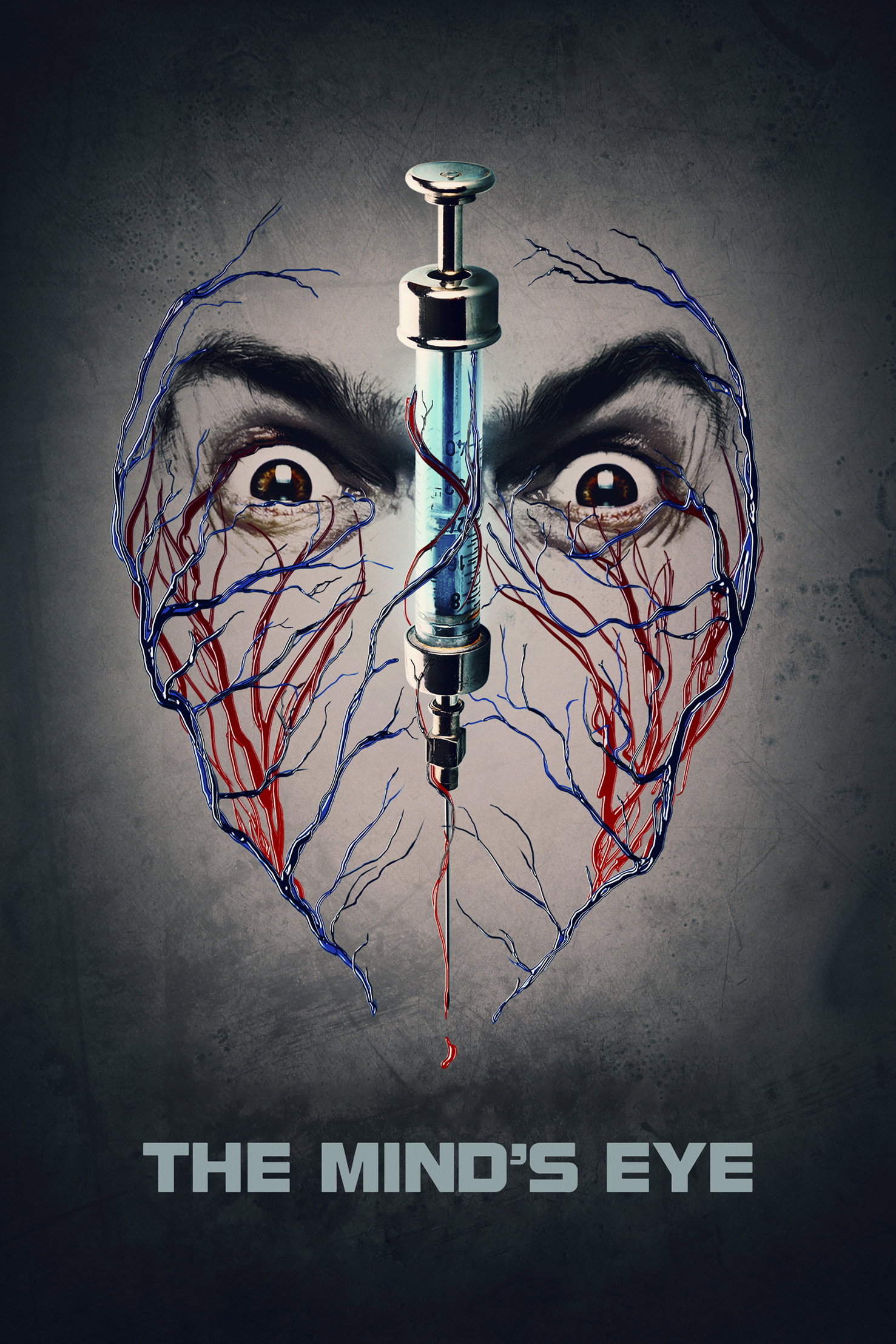
Celluloid writhes like a poisoned worm under the projector’s beam, spitting out images that embed themselves in your retina with the precision of a rusted scalpel. 1990, that cursed year when body-horror still oozed from the pores of an industry beginning to sell its soul to bargain-bin CGI, gifts us 'Mind Power' (Almost Human in its original title), a viscous nightmare helmed by Joe Begos, a filmmaker who seems to have been born with the fused DNA of David Cronenberg and Sam Raimi in some back-alley lab flask. This film isn’t just a body-horror exercise—it’s a political manifesto disguised as rotting flesh, a ferocious critique of the medicalization of humanity and the exploitation of the paranormal, reeking of sweat, dried blood, and the desperation of those who know the system will grind them into pulp without mercy. Zack, played by Graham Skipper, isn’t a hero; he’s a walking corpse with telekinesis, a guy who realizes too late that Dr. Slovak (John Speredakos) isn’t out to cure him but to exploit, dissect, and auction him off to the highest bidder. Welcome to gore capitalism, folks, where even your most intimate thoughts have a price tag in the black market of the supernatural.
The gestation of 'Mind Power' is as fascinating as its runtime: Begos, a self-professed addict of midnight movies and VHS tapes with handwritten labels, shot this gem on a budget that wouldn’t even cover the craft services for an episode of The Walking Dead. But here’s the magic of cult cinema: lack of money becomes a virtue. Technical limitations force Begos to wring every frame, every camera movement, every drop of fake blood (which, by the way, looks like it was sourced from a 1970s slaughterhouse). There are no digital effects to mask the squalor—just flesh, sweat, and scorched celluloid. The film reeks of a filthy garage, of rental tapes forgotten in the back of a video store, and the sick obsession of a director who’d rather burn his life on 35mm than sell out to the sanitized blockbuster machine. 'Mind Power' is, at its core, an act of cinematic resistance, a middle finger to Hollywood and its obsession with the pristine, the safe, and the commercially viable. There are no heroes here, no happy endings, no comforting morals. Just bodies breaking, minds fracturing, and social commentary so caustic it burns to the touch.
The cultural climate of 1990 was that of a world teetering on collapse: the Cold War was gasping its last breaths, AIDS was ravaging entire communities, and neoliberalism was beginning to devour everything in its path. 'Mind Power' couldn’t have arrived at a better time. The film is a distorting mirror of that era, a dystopia where science doesn’t save—it experiments, exploits, and discards. Dr. Slovak isn’t your run-of-the-mill villain; he’s a macabre entrepreneur, a man who sees psychic powers as a business opportunity, as if telekinesis were the new Bitcoin or the next iPhone. Begos doesn’t mince words: capitalism is the real monster, and the bodies of the protagonists are its battleground. The film is so politically incorrect it makes American Psycho look like an episode of Sesame Street. There’s no room for subtlety here—just graphic violence, razor-sharp dialogue, and an oppressive atmosphere that suffocates you like plastic wrap over your face.
But 'Mind Power' wouldn’t be anything without its visual pulse, without that nightmare aesthetic Begos constructs with the precision of a surgeon and the delicacy of a butcher. The film is drenched in a sickly color palette: bilious greens, blood-reds, and cadaverous blues that seem plucked from a Francis Bacon painting. The cinematography, courtesy of Mike Gioulakis (the same man who later crafted the look of It Follows), is filthy, grainy, and visceral, as if every frame had been dipped in acid and then scrubbed against a brick wall. There are no clean shots, no perfect compositions—just controlled chaos, an organic disorder that mirrors Zack’s fractured mind. Begos toys with off-screen space like a master: you never know what’s behind the door, but you know it’s going to destroy you. And when the violence erupts, it does so with a physical brutality that recalls Sam Peckinpah mixed with Luca Guadagnino in Suspiria mode. The body-horror scenes aren’t gratuitous; they’re necessary, like puking after a bender—they purge the bile clogging the system.
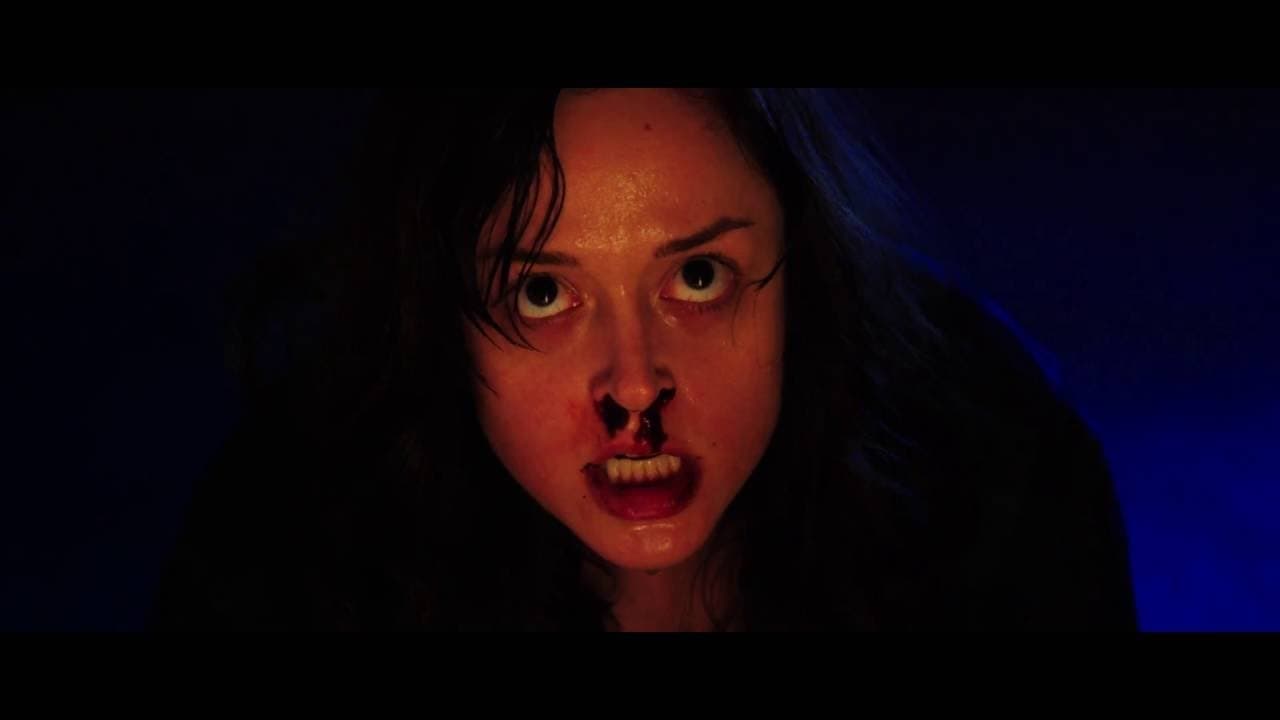
Direction: The Pulse of a Madman with a Camera
Joe Begos doesn’t direct; he attacks. His style is an explosive cocktail of punk frenzy and surgical precision, as if John Carpenter and Dario Argento had a bastard child in a roadside motel. Begos has no patience for static shots or elegant transitions; his cinema is chaotic, sweaty, and desperate, like he’s shooting the film in the middle of a zombie apocalypse with the camera battery on its last legs. But it’s precisely that urgency, that lack of polish, that makes 'Mind Power' so addictive. Every scene feels shot in real time, as if Begos grabbed his actors, shoved them into an abandoned warehouse, and barked, “Scream, bleed, and die. No second takes.”
The editing is another of the film’s strengths. Begos and his editor, Josh Ethier, cut like they’re carving into living flesh: the shots come fast and furious, but they never lose coherence. There’s one scene in particular—a shootout in a narrow hallway—that’s a masterclass in suspense: the camera moves like a wounded animal, gunshots crack like whips, and bodies drop with a nauseating realism. This isn’t John Wick, where bullets seem to come from a video game; here, every impact hurts, every wound oozes, and every death leaves a bloodstain on the wall that looks real. Begos doesn’t glorify violence; he demystifies it, turning it into something dirty, painful, and grotesque. And that, dear readers, is cinema in its purest form.
But where Begos truly shines is in his direction of actors. There’s no room for Stanislavski method acting here; the performers act like their lives depend on it, because maybe they do. Graham Skipper (Zack) doesn’t play a guy with telekinesis—he becomes him, with a physicality of pain that recalls Jeff Goldblum in The Fly. His bloodshot eyes, ragged breathing, spasmodic movements—Skipper doesn’t act; he suffers, and we suffer right along with him. It’s a physical, brutal, and harrowing performance, one that leaves you exhausted afterward. And then there’s John Speredakos as Dr. Slovak, a villain who doesn’t need grand monologues to be terrifying. His sadistic dentist’s smile, calm voice, and psychopath-in-a-lab-coat stare are enough to freeze your blood. Speredakos doesn’t play a mad scientist; he plays a ruthless businessman, and that makes him even more terrifying.
Performances: Flesh, Sweat, and Desperation
The cast of 'Mind Power' doesn’t act—they survive. Every scene feels shot in a personal hell, where the actors aren’t just playing their characters but living their nightmares in real time. Graham Skipper is, without a doubt, the beating (and bleeding) heart of the film. His Zack is a broken man, a guy who discovers his power is a curse and the only way out is self-destruction. Skipper doesn’t just scream and sweat; he tears himself apart, writhes, and bleeds (literally) from every pore. There’s a scene where he vomits blood while using his telekinesis, and it’s not some cheap special effect—it’s Skipper giving everything, as if he’s exorcising his own demons in front of the camera. His performance is so physical it feels more like a documentary on human agony than a work of fiction.
But 'Mind Power' wouldn’t be the same without its memorable supporting cast. Josh Ethier (who also edits the film) plays Seth, Zack’s friend, with a heartbreaking vulnerability. Ethier isn’t a conventional actor; he has the presence of a stray dog, one that’s seen too much and doesn’t care anymore. His chemistry with Skipper is electric, as if both know they’re not getting out of this alive. And then there’s Vanessa H. Merton as Anna, a woman trapped in the same hell as Zack. Merton doesn’t have much dialogue, but her look of pure terror speaks volumes. She’s Zack’s distorted mirror, his reflection, and her presence adds a layer of despair that makes the film even more unbearable (in the best way).
Dr. Slovak, played by John Speredakos, is one of those villains you hate and admire in equal measure. He’s not a cardboard-cutout monster; he’s a man in a white coat, a guy who sees psychic powers as a market opportunity. Speredakos doesn’t need to shout or flail to be terrifying; a cold smile and a calm voice are enough to make your skin crawl. There’s a scene where he explains his plan while eating a sandwich, and the naturalness of it is more chilling than any Hollywood jump scare. Speredakos doesn’t play a mad scientist; he plays a soulless capitalist, and that makes him the most realistic (and repulsive) villain in modern horror.
Technical Breakdown: Blood, Sweat, and Scorched Celluloid
If 'Mind Power' were a person, it’d be a crack addict with a knife in hand: filthy, dangerous, and mesmerizing. And much of that gritty magic comes from its technical department, a Molotov cocktail of bold choices, budgetary limitations turned into virtues, and an obsession with detail that borders on the pathological.
Let’s start with the cinematography, because here Mike Gioulakis does work worthy of a demon. The film is shot on 16mm, with a grainy texture that looks like it was lifted from a war documentary. Gioulakis isn’t after beauty; he’s after truth, and the truth in 'Mind Power' is ugly, sweaty, and bloody. The shots are full of imperfections: flickering lights, shadows that slither like specters, and a color palette straight out of a Hieronymus Bosch painting. There’s a scene in a dark tunnel where the lighting is so precarious it feels like the characters are emerging from hell itself, and it’s glorious. Gioulakis doesn’t fear the dark; he embraces it, shapes it, and turns it into another character in the film. And when the violence erupts, it does so with a visual brutality that leaves you breathless. There’s no clean digital blood here—just thick, sticky, real blood, the kind that smells of iron and fear.
The soundtrack, composed by Steve Moore, is another of the film’s pillars. Moore doesn’t write music; he crafts an auditory nightmare, a symphony of distorted synths and industrial percussion that sounds like hell’s own soundtrack. The tracks aren’t catchy melodies; they’re sounds that burrow into your brain, like nails on a chalkboard. There’s a scene where Zack uses his telekinesis while the music distorts and accelerates, and it’s one of those moments where sound and image fuse to create something truly terrifying. Moore isn’t out to please; he’s out to disturb, and he succeeds spectacularly.
The production design, handled by Liz Toonkel, is another marvel of scarcity turned into art. There are no luxurious sets or cardboard-cutout decor; there are cheap motel rooms, abandoned hospital hallways, and dark warehouses that reek of mold and despair. Toonkel doesn’t design spaces; she builds cages, places you can’t escape from. The objects have history—they’re dirty, broken, and used, as if each one has witnessed something horrific. There’s a painting on the lab wall that looks like it was plucked from a 19th-century insane asylum, and it’s exactly the kind of detail that makes 'Mind Power' feel real. Toonkel doesn’t decorate; she contaminates, and the result is a world that feels alive, that breathes, and that hates you.
The screenplay, written by Joe Begos, is another standout. It’s not a by-the-book script; it’s raw, direct, and jagged. The dialogue isn’t poetic or profound; it’s crude, real, and sometimes uncomfortable, like the characters don’t have time for flowery language because they’re too busy trying to survive. But the most interesting thing about the script is its structure: Begos doesn’t follow the rules of conventional suspense. There are no red herrings or predictable twists; there’s a spiral of violence and despair that drags you in like a whirlpool. The film doesn’t let go, doesn’t give you a breather, and just when you think you’ve seen the worst, Begos hits you with something even more brutal. It’s a script that doesn’t seek your approval; it seeks your discomfort, and it achieves it with devastating efficiency.
The best
- Joe Begos’ direction: A whirlwind of violence and despair, a film shot like the world’s about to end. Begos doesn’t direct; he attacks, and the result is cinema in its purest form.
- Graham Skipper’s performance: A physical and harrowing portrayal, one that leaves you exhausted afterward. Skipper doesn’t act; he suffers, and we suffer with him.
- Mike Gioulakis’ cinematography: Dirty, grainy, and visceral, like every frame was dipped in acid. Gioulakis isn’t after beauty; he’s after truth, and the truth in this film reeks of blood and sweat.
- Steve Moore’s score: An auditory nightmare that claws at your brain like nails on a chalkboard. Moore doesn’t compose music; he creates sounds that disturb and terrify.
- Liz Toonkel’s production design: Spaces that breathe despair, places you can’t escape from. Toonkel doesn’t decorate; she contaminates, and the result is a world that hates you.
The worst
- The runtime: 80 minutes might seem short, but in 'Mind Power', every second hurts. The film is so intense you sometimes need a breather, but Begos won’t give it to you.
- Some supporting characters: Anna and Seth have potential, but they’re left as sketches. It would’ve been interesting to see more development in their stories, especially Anna, who feels more like a victim than a character.
- The ending: No spoilers, but 'Mind Power' ends like a gut punch. It’s consistent with the film’s tone, but it’s still frustrating that there’s no hope, not even a glimmer of redemption.
- Lack of explanation for some events: There are moments left hanging, as if Begos trusts the audience’s intelligence too much. It’s not a major issue, but some questions go unanswered.
The Verdict of Claqueta Ácida
'Mind Power' isn’t a film—it’s an exorcism, a purge of cinematic bile that leaves you empty, exhausted, and craving more. Joe Begos has crafted a low-budget body-horror masterpiece, a film that reeks of sweat, blood, and scorched celluloid, and lodges itself in your memory like a rusted knife. It’s not perfect: it lacks nuance, some supporting characters are underdeveloped, and the ending is so bleak it hurts. But who cares about perfection when you’ve got a film that hits you like a sledgehammer to the face?
If you’re one of those cowards who only watches The Conjuring and thinks horror is just jump scares and cheap thrills, 'Mind Power' will destroy you. But if you’re a true genre lover, if you get off on the smell of fake blood and the sound of a 16mm projector, then this film is yours. 'Mind Power' is filthy, brutal, desperate, and gloriously imperfect, like midnight cinema in its purest form. It’s not a film you like; it’s a film that obsesses you, that haunts you, and that makes you want to watch it again and again, even though you know it’ll leave you in pieces. Welcome to hell, cinephiles. There’s no redemption here. Just blood, sweat, and celluloid. 💀
🎬 Tráiler Oficial
Abrir en YouTube
Ending Explained: Mind Power
Ficha de Daños Colaterales en Sala
Certificado de impacto psicofísico emitido por Bastian Noir
2 amagos en el tramo intermedio; pestañeo pesado en las transiciones más innecesarias.
Minuto 42 y minuto 84 (comprobando cuánto quedaba de suplicio).
1 espresso para no dejarse vencer por la mediocridad cómoda.
"A mitad del segundo acto cuando la subtrama secundaria empezó a pesar más de lo que aportaba."
💬 El Veredicto de la Comunidad
¿Qué te ha parecido la película? Deja tu nota de 0 a 10 para contrastarla con el análisis de la redacción.
Aún no has votado
📢 ¿Te ha gustado el ácido?
Comparte esta crítica con tus amigos cinéfilos o desata la polémica en redes.
⚡ THE CINEMATIC VENOM YOUR INBOX CRAVES
No sugarcoated ratings, no corporate fluff. Subscribe for our uncensored weekly analysis or join the private Telegram for press previews, poll clashes, and instant alerts.
Alertas de estrenos en 1 segundo, encuestas en caliente y audios al salir de pases de prensa.
Recibe la dosis semanal en tu mail + regalo inmediato del PDF con 50 joyas ocultas de culto.
Related Reviews
Recommended autopsies for demanding film buffs.
 🔥 Fusión Nuclear8.5
*Alleluia: Love as a Terminal Illness (or How to Turn Crimes of Passion into a Sweaty, Fleshy Spectacle)*
⚡Afinidad temática directa en atmósfera, estilo y fijaciones visuales.
Fabrice Du Welz reimagines the myth of the lonely hearts killers in a feverish whirlwind of jealousy, submission, and blood, led by Lola Dueñas in a performance that’s equal parts hypnotic and harrowing.
 🔥 Fusión Nuclear8.5
*High Tension (Haute Tension): The Brutal Birth of the New French Extremism – Or How to Turn Flesh into Poetry with a Machete*
⚡Afinidad temática directa en atmósfera, estilo y fijaciones visuales.
Alexandre Aja shocked global screens with a relentless rural bloodbath, redefined by breakneck pacing and a divisive twist that splits serious cinephiles right down the middle.
 🔥 Fusión Nuclear8.5
*Aterrados: The Rebirth of Ghost Stories in the Raw Grit of Buenos Aires*
⚡Afinidad temática directa en atmósfera, estilo y fijaciones visuales.
Demian Rugna revolutionizes paranormal horror—possessions, poltergeists, and all—by transplanting it to a residential neighborhood in Buenos Aires, armed with a devastating sound design that rattles your bones.
Editorial Ecosystem
Cinephile connections, archive interviews and related analyses.
💬 Debate Cinéfilo & Autopsia de Lectores
0 veredictos¿Discrepas con nuestra nota? ¿Es una obra maestra o veneno puro? Deja tu veredicto abajo sin necesidad de registro.


Aún nadie ha dejado su veredicto para esta película.
Sé el primero en clavarle el colmillo rellenando el formulario de arriba.