"Mother!" — A Descent into the Abyss (or: How Darren Aronofsky Turned Allegory into a Sledgehammer)
Claqueta Ácida’s most scathing takedown of Darren Aronofsky’s Mother!. A genius masterpiece or a pretentious mess? Spoiler: It’s both—like a Michelin-starred dumpster fire.

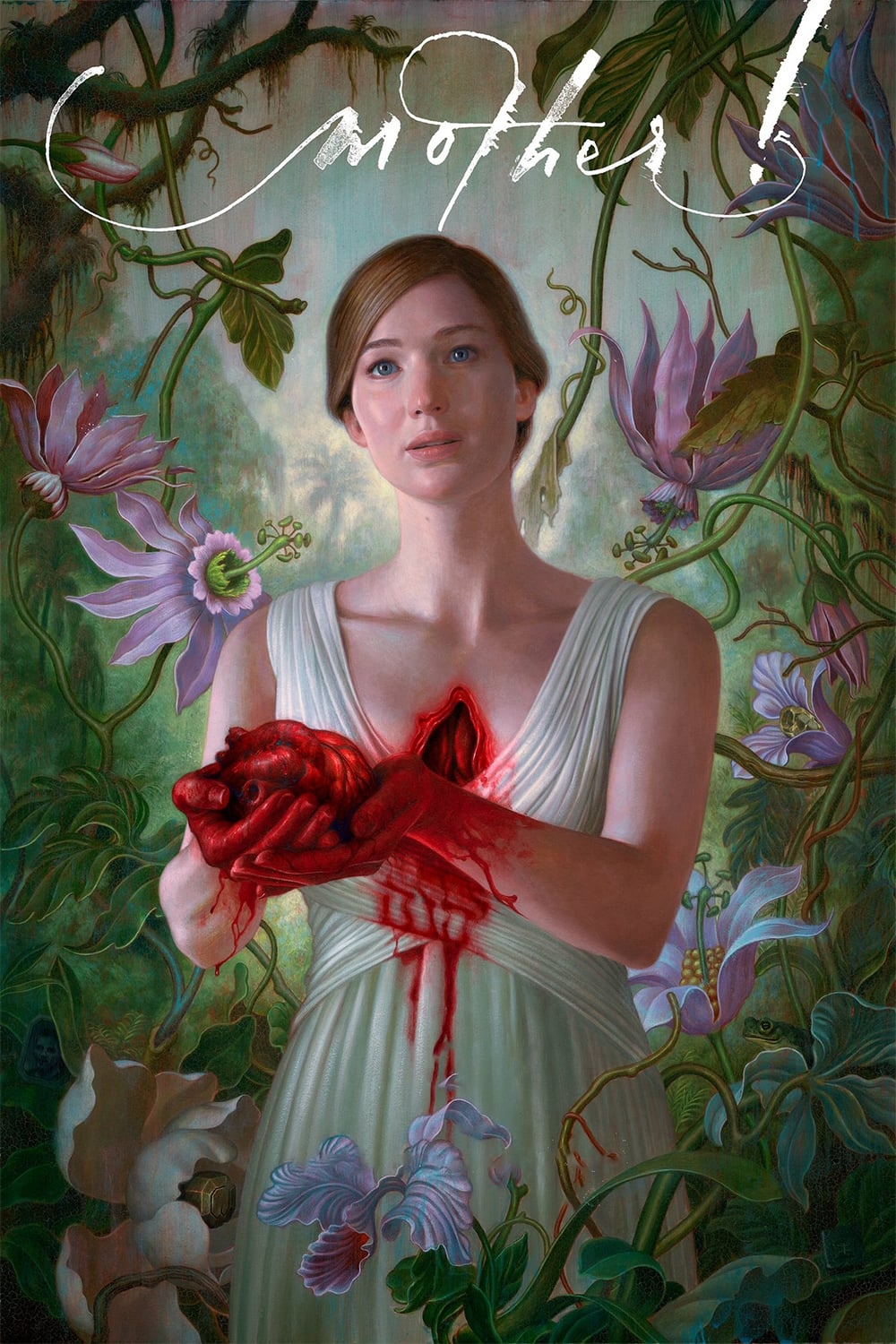


Cinema—that bastard art form that feasts on the rotting carcass of culture and spits it back out as hypnotic imagery—has in Darren Aronofsky one of its most exquisite butchers. Mother! isn’t a film; it’s a ritual exorcism shot on poisoned celluloid, a nightmare that slithers through your retinas like a starving maggot and sets up camp in your cortex, rotting it with its pretentious symbolism and the aesthetic of a Nine Inch Nails music video directed by a David Lynch protégé in the throes of peyote withdrawal. Aronofsky, that self-styled messiah of auteur cinema with the delusions of a biblical prophet, invites us on a psychedelic descent into the hellscape of artistic creation, where the house is a womb, the husband is God (or at least thinks he is), and the wife is suffering humanity, doomed to birth monsters while her creator signs autographs in the underworld. Welcome to the most uncomfortable show of the year, where audiences pay good money to feel violated in 4K and Dolby Atmos.
The genesis of Mother! is as twisted as its plot. Aronofsky, that director who teeters between genius and absurdity with all the grace of a drunk tightrope walker, had spent years obsessed with the idea of filming an allegory about the toxic relationship between artist and muse, but also about planetary destruction, religious fanaticism, and, of course, unchecked male ego. The result is a metaphor salad so ambitious it drowns in its own dressing, like a wedding banquet where the chef decided to mix foie gras with churros and chocolate sauce. The problem? Aronofsky, in his quest to be profound, ends up being about as subtle as a sledgehammer to the temple. Released in 2017, when Hollywood was obsessed with remakes, shared universes, and sequels to sequels—as if cinema had become a copyrighted sausage factory—Mother! was a burp in the middle of a fast-food feast, a reminder that sometimes, film can still be uncomfortable, visceral, and necessary. Or at least, that’s what it tried to be.
The film opens with an image that sears: a house in flames, reduced to ashes, and a heart-shaped crystal floating in the air like a symbol of something Aronofsky will probably explain in a two-hour making-of documentary. Suddenly, time rewinds (or fast-forwards, who knows?), and we find ourselves in a false paradise, a country house straight out of a gothic fairy tale, where Jennifer Lawrence (credited as Mother, because names are for mortals) and Javier Bardem (credited as Him, because God doesn’t need a last name) live in a harmony so fragile it might as well be made of porcelain and tears. The house is a living organism, with walls that breathe, pipes that bleed, and floors that creak like old bones. Is this a metaphor for Earth? For a relationship? For the film industry? The answer is yes—and also a dozen other things Aronofsky vomits onto the audience with all the subtlety of an elephant in a china shop.
But—oh, surprise—the peace shatters when Ed Harris and Michelle Pfeiffer (two actors who look like they’ve wandered out of a ’90s psychological thriller directed by Adrian Lyne) show up at the door like vampires asking for coffee. What follows is a parade of biblical madness, where the house fills with unwanted guests, the husband becomes a narcissistic god, and the wife a sacrificial lamb who just wants to clean the bathroom in peace. If The Shining was a nightmare about loneliness, Mother! is a nightmare about motherhood, art, and misogyny—all served on a porcelain plate that shatters in your face.
finalExplicado: "La película culmina con la casa destruida, Jennifer Lawrence dando a luz a un bebé que la multitud devora literalmente ante sus ojos. Enloquecida, prende fuego a la casa, muriendo incinerada junto a Javier Bardem. Él, impasible, extrae un cristal de sus costillas carbonizadas y comienza a reconstruir la casa de nuevo con una nueva “madre”. Simbólicamente, el final es una alegoría bíblica implacable: Bardem es Dios, Lawrence es la Madre Tierra, la casa es el planeta. La humanidad (los invasores) destruye a su madre una y otra vez en un ciclo eterno de creación, adoración, violencia y consumo. Aronofsky no ofrece esperanza: el abuso es infinito, la Tierra se reinicia para ser violada de nuevo. Un nihilismo ecológico y teológico brutal."
Direction: Chaos as a Lifestyle
Darren Aronofsky doesn’t direct films; he orchestrates them like symphonies of blood and sweat, where every shot is a dissonant note and every scene a low blow to the audience. In Mother!, his style reaches heights of controlled delirium, as if Luis Buñuel and Gaspar Noé had birthed a bastard child in a cinematic experimentation lab. The camera, wielded with an iron grip by Matthew Libatique, becomes a character in its own right, a voyeuristic entity that slithers through hallways like a ghost, closes in on faces as if trying to steal their souls, and pulls back in impossible tracking shots straight out of a Björk music video directed by a demon.
The opening long take, where the camera circles the house like it’s possessed, is a statement of intent: this isn’t going to be a film; it’s going to be a sensory experience designed to leave you breathless. Aronofsky uses sound like a weapon, with a score that blends whispers, screams, and the pounding of a heart on the verge of explosion. The result? A claustrophobic intensity so suffocating you’ll sweat like you’re in a sauna with Hannibal Lecter.
But ah, Aronofsky’s genius comes at a price, and in Mother! that price is narrative coherence. The director loses himself in his own labyrinth of symbols, like a mouse on an LSD trip, and the film veers from fascinating to frustrating in minutes. There are moments when Mother! feels like pretentious art-house drivel, where form devours substance and the message drowns in its own ambition. Is this a flaw? For some, yes. For others, it’s proof that cinema can still be a dangerous art form.
The Cast: Hell is Other People (and Also Jennifer Lawrence)
If Jennifer Lawrence had already proven in Winter’s Bone and Silver Linings Playbook that she’s an actress capable of tearing herself apart on screen like her life depended on it, in Mother! she takes her performance to a level of controlled hysteria that borders on the supernatural. Lawrence doesn’t act; she suffers, bleeds, and blinks like every frame is ripping a piece of her soul out. Her character is a woman trapped in domestic hell, where her husband is a self-absorbed god, her house is a living organism that betrays her, and her guests are parasites feeding on her sanity. She’s the Virgin Mary if she’d been born in the ’80s and had to deal with a husband who writes bad poetry and fans who shit on her rug.
Javier Bardem, meanwhile, is so deep in his role as a narcissistic god that you suspect Aronofsky kidnapped him and forced him to listen to the Bible on loop for months. Bardem doesn’t play a character; he plays a concept, that male figure who thinks the world revolves around his navel and sees his wife as a prop in his genius. His performance is cold, calculated, and deeply unsettling, like Charles Manson reciting poetry in a Greenwich Village café.
But the real tour de force comes from Michelle Pfeiffer and Ed Harris, two actors who seem plucked from a David Cronenberg fever dream. Pfeiffer, in particular, is chilling, with a presence that steals every scene she’s in, like a witch from a Grimm fairy tale with a master’s in psychological manipulation. Harris, for his part, is a broken man, a ghost haunting the house like he’s searching for something he lost decades ago. together-la-cueva-de-los-espejos-rotos" class="text-amber-400 font-black hover:text-amber-300 transition underline decoration-amber-500/40 hover:decoration-amber-300" title="[6.5/10 ⚡ Ácido Cítrico] Lee nuestra autopsia de «Together»" data-acid-interlink="together-la-cueva-de-los-espejos-rotos">Together, they’re the most toxic and fascinating duo to hit the screen since Who’s Afraid of Virginia Woolf?.
Technical Aspects: When Production Design Becomes a Nightmare
If Mother! does one thing right (and it does it way too well), it’s creating an oppressive, claustrophobic atmosphere that clings to your skin like a sweaty latex suit. The production design, by Philip Messina, is a masterclass in unease, with a house that feels alive, breathing, bleeding, and at times ready to devour its inhabitants. The walls have textures that resemble flesh, the floors creak like old bones, and objects seem to move when you’re not looking. It’s like the house from Psycho and the Overlook Hotel had a bastard child in a roadside motel.
Matthew Libatique’s cinematography is hypnotic, sickly, and deeply beautiful, like Caravaggio directing a slasher film with a 35mm camera. Libatique uses light expressionistically, creating stretched shadows and brutal contrasts that turn every scene into a living painting. The close-ups are so intimate you can almost smell the actors’ sweat, and the wide shots are so overwhelming they make you feel small, insignificant, like an insect trapped in a spider’s web.
Jóhann Jóhannsson’s score (one of his last collaborations with Aronofsky before his tragic death) is an auditory nightmare, a symphony of whispers, screams, and industrial sounds that drill into your brain like nails into wood. The soundtrack doesn’t accompany the film; it devours it, chews it up, and spits it back out as sound. There are moments when the music is so intense it feels like your eardrums are being drilled, and others when the silence is so thick you can hear your own heartbeat.
Andrew Weisblum’s editing is precise, relentless, and at times exhausting, like the editor decided to cut the film with a butcher’s knife instead of scissors. Weisblum plays with rhythm sadistically, speeding up scenes when the tension is unbearable and slowing them down when you think you might finally catch your breath. It’s editing that leaves you breathless, like running a marathon in a maze with no exit.
The Best
- Matthew Libatique’s cinematography: A masterpiece of sickly chiaroscuro, where every frame looks painted with the characters’ blood and every shadow hides an unconfessable secret. Libatique turns the house into a character of its own, a living entity that watches, judges, and sometimes seems to laugh at the poor mortals inside it.
- Jennifer Lawrence’s performance: Harrowing, visceral, and physically exhausting, Lawrence leaves everything on screen, as if every scream, every tear, and every look of terror is tearing a piece of her soul out. It’s a performance that hurts to watch, that unsettles, and yet you can’t look away.
- The production design: The house is a character in its own right, a living organism that breathes, bleeds, and at times seems ready to devour its inhabitants. It’s unsettling, claustrophobic, and deeply original, a nightmarish piece of architecture that etches itself into your retinas.
- Jóhann Jóhannsson’s score: A painful soundtrack, a symphony of industrial sounds and whispers that drill into your brain like needles. It’s oppressive, hypnotic, and deeply disturbing, and it elevates the film to another level.
The Worst
- The plot: A hodgepodge of metaphors so pretentious it drowns in its own sauce. Aronofsky wants to talk about everything (art, religion, ecology, misogyny) and ends up saying nothing clearly, like a drunk professor trying to explain relativity with a napkin doodle.
- The pacing: Exhausting, uneven, and at times unbearable. Some scenes drag on like gum on a shoe, while others fly by so fast you can’t process what’s happening. It’s like riding a rollercoaster designed by a sadist.
- The symbolism: So heavy-handed it reads like a manual for "How to Beat Your Audience Over the Head with Allegory." Aronofsky doesn’t trust you to "get it," so he hits you with a metaphorical frying pan every five minutes.
- The ending: Without spoiling it, let’s just say it takes the film’s already shaky logic and sets it on fire. It’s so over-the-top that it crosses from "bold" to "laughable," like a Shakespearean tragedy directed by Michael Bay.
The Verdict of Claqueta Ácida
Mother! is the cinematic equivalent of a Rorschach test: if you see a masterpiece, you’re either a film student with a pretentious streak or an Aronofsky apologist. If you see a hot mess, congratulations—you have taste. The film is brilliant in its audacity, infuriating in its execution, and impossible to ignore, like a car crash you can’t look away from, even as it gives you whiplash.Is it genius? Maybe. Is it a disaster? Absolutely. But one thing’s for sure: you won’t forget it. And in an era where Hollywood churns out safe, focus-grouped pablum, that’s almost enough to forgive Aronofsky for this beautiful, bloated, self-indulgent mess.
🎬 Tráiler Oficial
Abrir en YouTube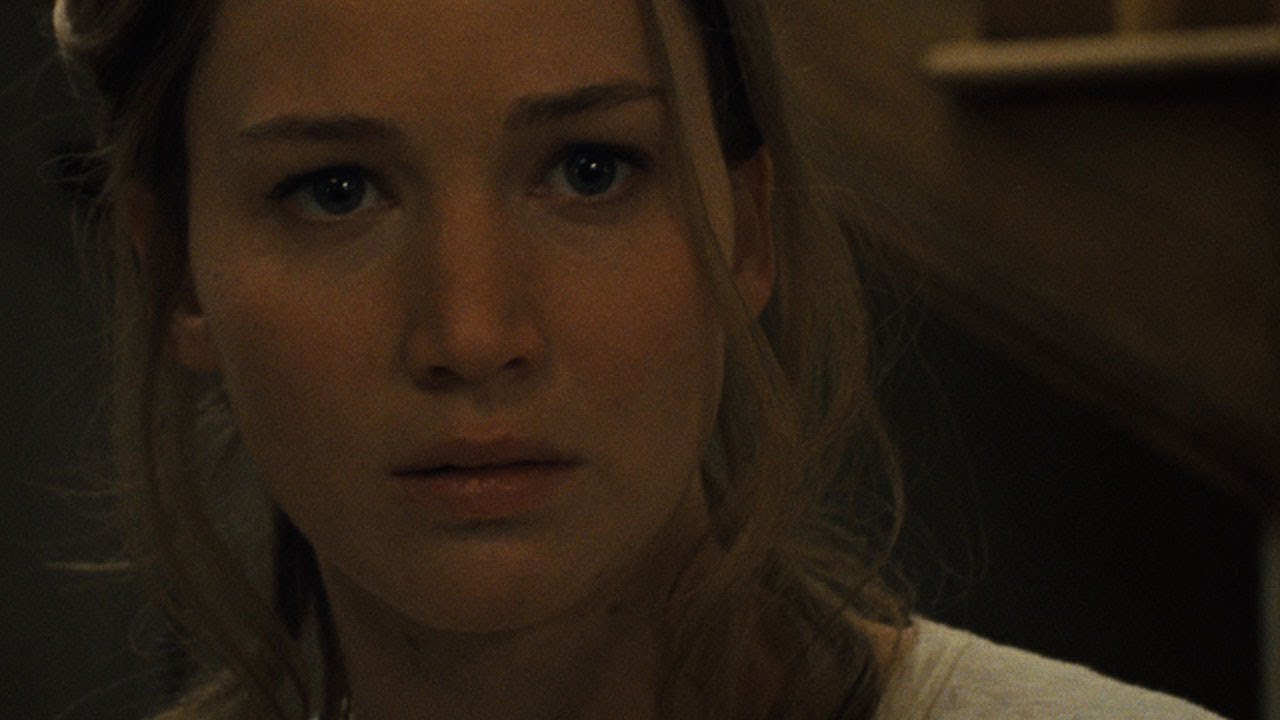
Ending Explained: "Mother!"
Ficha de Daños Colaterales en Sala
Certificado de impacto psicofísico emitido por Silvia Mordaz
3 amagos en el tramo intermedio; pestañeo pesado en las transiciones más innecesarias.
Minuto 42 y minuto 75 (comprobando cuánto quedaba de suplicio).
2 espressos para no dejarse vencer por la mediocridad cómoda.
"A mitad del segundo acto cuando la subtrama secundaria empezó a pesar más de lo que aportaba."
💬 El Veredicto de la Comunidad
¿Qué te ha parecido la película? Deja tu nota de 0 a 10 para contrastarla con el análisis de la redacción.
Aún no has votado
📢 ¿Te ha gustado el ácido?
Comparte esta crítica con tus amigos cinéfilos o desata la polémica en redes.
⚡ THE CINEMATIC VENOM YOUR INBOX CRAVES
No sugarcoated ratings, no corporate fluff. Subscribe for our uncensored weekly analysis or join the private Telegram for press previews, poll clashes, and instant alerts.
Alertas de estrenos en 1 segundo, encuestas en caliente y audios al salir de pases de prensa.
Recibe la dosis semanal en tu mail + regalo inmediato del PDF con 50 joyas ocultas de culto.
Related Reviews
Recommended autopsies for demanding film buffs.
 🔥 Fusión Nuclear7.7
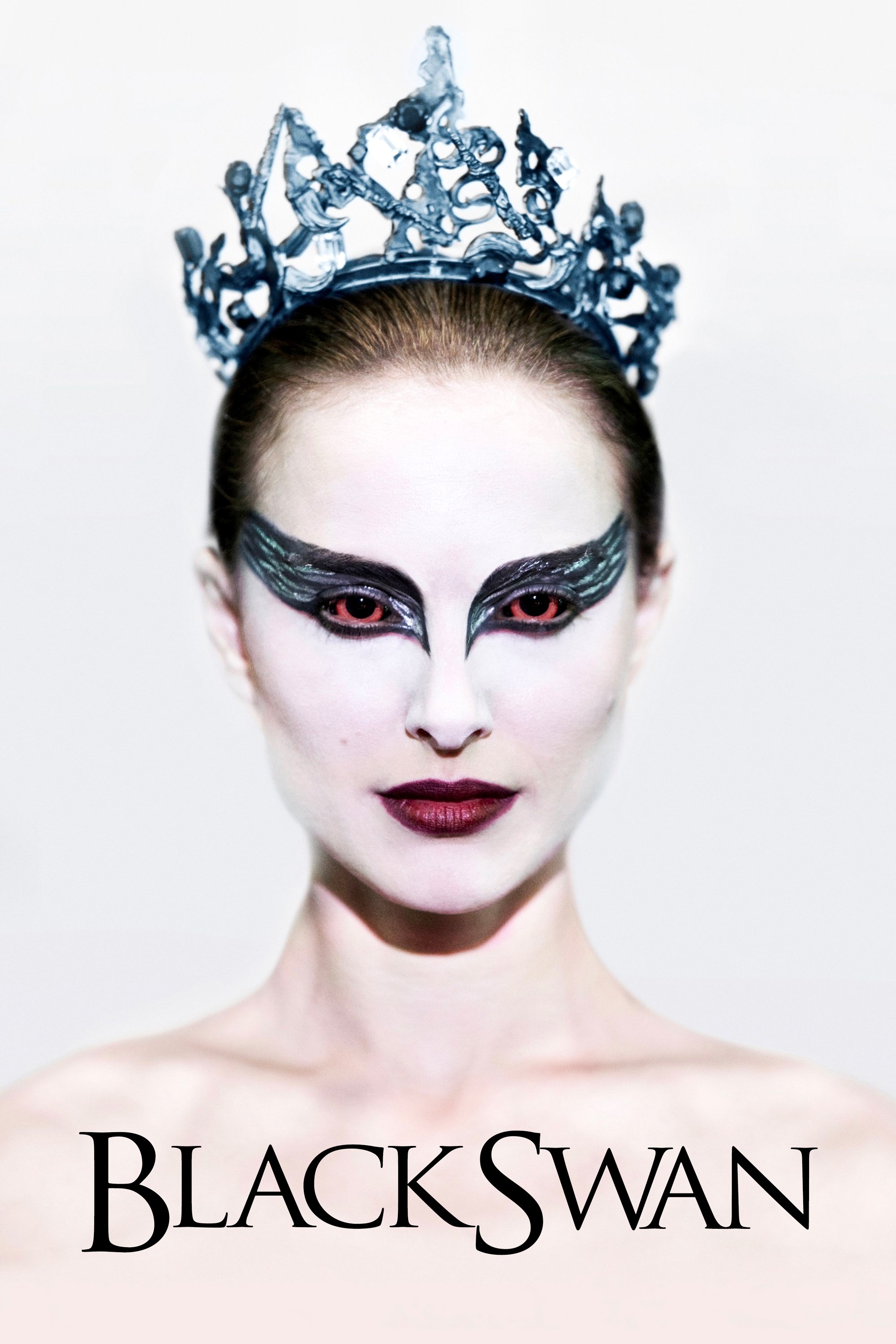
Black Swan: The Obsession That Gazed Back from the Mirror (And Winked)
⚡Del mismo director (Darren Aronofsky): analiza la evolución o degradación de su estilo.
Darren Aronofsky turns ballet into a razor-sharp psychological thriller. Natalie Portman dances, suffers, and leaves us breathless. Masterpiece or freak show?
 🔥 Fusión Nuclear8.5
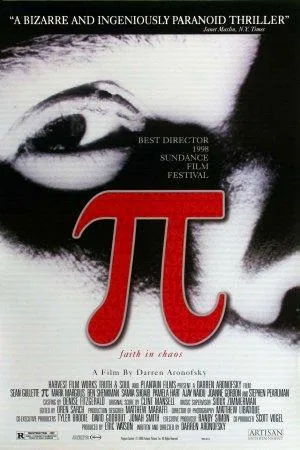
**Pi: Faith in Chaos** – A Mind-Bending Descent into the Outer Limits of Sanity
⚡Del mismo director (Darren Aronofsky): analiza la evolución o degradación de su estilo.
Max cracks the secret code behind the stock market in this 1998 fever-dream of a film—where math and madness collide like a Molotov cocktail in a petri dish.
 🔥 Fusión Nuclear9.5
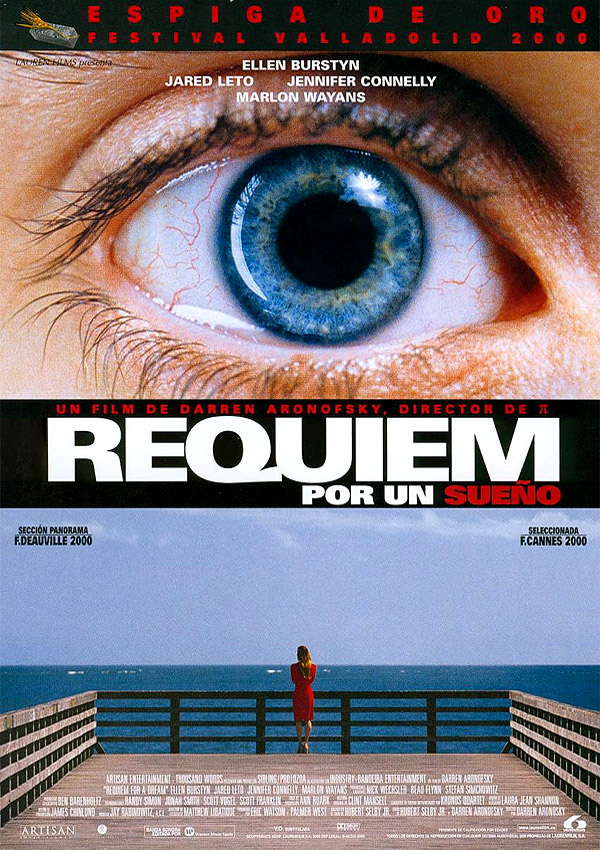
*Requiem for a Dream: The Symphony of Collapse in 24 Frames per Second*
⚡Del mismo director (Darren Aronofsky): analiza la evolución o degradación de su estilo.
Darren Aronofsky turns addiction into a grotesque ballet of sweat, pixels, and shattered souls. A masterpiece that hurts more than heroin withdrawal.
Editorial Ecosystem
Cinephile connections, archive interviews and related analyses.
🎞️ In Claqueta Cinematheque3
💬 Debate Cinéfilo & Autopsia de Lectores
0 veredictos¿Discrepas con nuestra nota? ¿Es una obra maestra o veneno puro? Deja tu veredicto abajo sin necesidad de registro.


Aún nadie ha dejado su veredicto para esta película.
Sé el primero en clavarle el colmillo rellenando el formulario de arriba.