The Fog (1980) — When John Carpenter Proved Horror Doesn’t Need Jump Scares—Just a Synth, a Thick Mist, and a Lighthouse with Terrible Radio Reception
John Carpenter crafts a gorgeous homage to classic horror literature with a tale of nautical ghosts, coastal lighthouses, and bloodstained founding secrets.

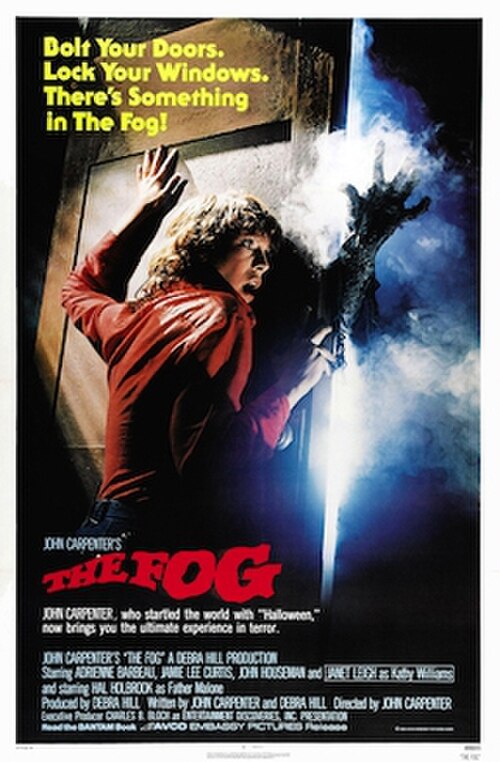

The Fog (1980): When John Carpenter Proved Horror Doesn’t Need Jump Scares—Just a Synth, a Thick Mist, and a Lighthouse with Terrible Radio Reception
Here at Claqueta Ácida, where we worship cinema like a pagan ritual and spit on blockbusters that confuse tension with subwoofer-thumping bass drops in 5.1 surround sound, we’ve been forced—by sheer therapeutic necessity—to take refuge in The Fog (1980), that gothic gem by John Carpenter that smells of saltwater, rotten wood, and scratched vinyl. Because let’s be honest: in a world where modern horror has been reduced to teenagers screaming while a guy in a latex mask chases them with an IKEA knife, The Fog is like a balm for the soul. Not because it’s slow (it is), nor because its ghosts hit like a sledgehammer to the temple (they do), but because Carpenter proves that fear doesn’t need more budget—just better craftsmanship. And boy, does he deliver.
The film kicks off in Antonio Bay, a coastal California town that, at first glance, looks like it was ripped from a vintage postcard: white wooden houses, lonely lighthouses, kids riding bikes under a leaden sky. But as any good horror story goes, the real terror isn’t in what you see—it’s in what’s hidden. And in this case, what’s hidden is a foundational crime: a hundred years ago, the town’s founding fathers—men in woolen suits and walrus mustaches—deliberately sank a ship full of wealthy lepers to steal their gold and build their idyllic community. A detail, of course, that no one mentions in the tourist brochures. The irony is so thick you could cut it with a butcher’s hook—which, by the way, is the weapon of choice for the ghosts who return to collect their debt.
And they do it with style. Because, just in time for the town’s centennial (and the crime’s anniversary), a supernatural fog, glowing like a demon’s breath on a cold night, begins to slither in from the ocean. This isn’t your typical sea mist that heralds rain. Oh no. This fog has intent. It seeps through door cracks, wraps around the unwary like a shroud, and—most importantly—carries the vengeful spirits of the murdered sailors, whose rotting bodies—with eyes like embers and hands ending in rusted hooks—are so photogenic you almost feel bad for the poor souls who had to apply their makeup at 3 AM.
finalExplicado_en: "In the climax, the vengeful ghosts of the shipwrecked lepers, led by Captain Blake, swarm Antonio Bay under a supernatural fog. As the survivors barricade themselves in the lighthouse, the spectral crew invades, slaughtering the townspeople who descend from the original conspirators. Father Malone confronts Blake with the stolen gold cross that doomed the lepers a century earlier, but the ghosts claim their revenge anyway, dragging victims into the mist. The ending reveals that the town’s founding sin can never be fully atoned for; the final shot of the fog rolling back out to sea implies the curse is cyclical and eternal. Carpenter’s fog isn’t mere weather, it’s moral rot made visible, a creeping reminder that history’s crimes always return to choke the present."
Nautical Poetry and Beacons of Salvation: The Art of Scaring Without Screaming
What makes The Fog so special isn’t its plot—let’s be real, it’s so simple you could summarize it in a tweet—but its direction, its atmosphere, and Carpenter’s uncanny ability to turn the mundane into the sinister. Dean Cundey, the cinematographer, transforms the coastal night into an expressionist canvas: electric blues, bottomless blacks, and above all, that backlit fog that seems to have a life of its own. It’s not a digital effect (God forbid), nor is it some overly sophisticated trick. It’s smoke, lights, and a dash of genius. But it works. It works so well you can almost smell the saltwater and feel the damp cold clinging to your skin.
And then there’s the lighthouse, that recurring symbol in horror cinema that Carpenter elevates to character status. There, Adrienne Barbeau—arguably in the best role of her career—plays Stevie Wayne, a radio DJ broadcasting the fog’s movements to her listeners over a backdrop of classic jazz. The scene is pure cinematic alchemy: Barbeau’s warm voice contrasting with the invisible threat, the radio as the last link to the outside world, the lighthouse as the final bastion of sanity in a crumbling town. It’s the kind of sequence that makes you wonder why the hell modern horror insists on filling the screen with fake blood when it could be doing this.
But it’s not all fog and lighthouses. Carpenter also shines in the ghost design, which is, without a doubt, one of the film’s greatest strengths. These aren’t your typical ethereal specters floating like forgotten party balloons. No. These guys are tangible, corporeal, almost too real. They wear rotting sailor clothes, decomposed faces, and—yes—hooks instead of hands. They’re the kind of creatures that would give any ‘80s kid nightmares for weeks, and make any adult with half a brain wonder how the hell they made them look so alive on a budget that wouldn’t even cover the craft services for an episode of Stranger Things.
The cast, meanwhile, is a delightful mix of horror veterans and familiar faces. Janet Leigh, the queen of suspense thanks to Psycho, plays Kathy Williams, one of the centennial organizers, and her mere presence on screen is a reminder that in the ‘80s, horror moms weren’t just cannon fodder for the killer du jour. And then there’s Jamie Lee Curtis, the scream queen herself, who proves here that her talent goes beyond screaming in Halloween. Her character, Elizabeth, is the quintessential Carpenter heroine: smart, resourceful, and with a survival instinct that makes you wonder why modern horror protagonists need three movies to stop tripping over their own feet.
The Pacing: When the Fog Stalls (And Not in a Good Way)
Now, The Fog isn’t a perfect film. In fact, its biggest sin is that middle stretch where the pacing drags, as if Carpenter took a smoke break and forgot to come back. The structure, which follows multiple characters in different parts of town, is interesting in theory but in practice ends up dissipating the tension instead of building it. There are moments when you feel like you’re watching an episode of The Twilight Zone stretched to its limits, with too many subplots that never quite gel.
And then there are the special effects, which, while functional for their time, can feel a bit naïve today. The ghosts, when revealed in all their glory, lose some of that mystery that made them so terrifying from a distance. Up close, they look more like Halloween decorations past their prime, with makeup you can spot a mile away and movements that waver between stiff and comical. It’s not the artists’ fault—God knows they worked miracles with what they had—but it’s a reminder that horror often works better when it’s suggested rather than shown.
The Soundtrack: The Synthesizer as a Weapon of Mass Destruction
If there’s one thing that elevates The Fog to masterpiece status, it’s its soundtrack. Carpenter, who composed the score with Alan Howarth, proves once again that a well-used synthesizer can be more terrifying than a thousand screams. The themes are minimalist, hypnotic, almost liturgical: sustained notes that repeat like a mantra, creating a sense of inevitability that clings to the viewer like the fog itself. The main theme, in particular, is a masterclass in suspense, a melody that seems to rise from the ocean’s depths and, once it gets in your head, never leaves.
The Best
- The flawless coastal atmosphere: Carpenter and Cundey turn a postcard-perfect town into a nightmare setting with just fog, wind, and a synthesizer. The sound of waves crashing against the cliffs is as soothing as a ticking clock before your throat gets slit.
- Adrienne Barbeau’s voice: Her character, the lone radio DJ, is the heart of the film. Hearing her warm, calm voice describe how the fog is swallowing the town is like getting a hug from your grandma… right before she shoves you off a cliff.
The Worst
- The middle act: The film loses steam halfway through, like a drifting ship. Too many characters, too many subplots, and a pace that stalls like fog on a windless day.
The Verdict of Claqueta Ácida (8.5/10)
The Fog is the kind of film that reminds you why classic horror is still superior to 90% of what’s made today: because it doesn’t need cheap jump scares, shoddy CGI, or heroes who trip over their own feet. Carpenter takes a simple premise—a town, a fog, some ghosts—and turns it into a 90-minute gothic poem, where every frame, every synth note, and every whisper of wind is calculated to raise the hairs on the back of your neck. It’s not perfect, but what is? After all, even ghosts are entitled to an off day. So turn off the lights, crank up the volume, and let the fog envelop you. Just… if you see something glowing in the dark, run. 💀🎬 Tráiler Oficial
Abrir en YouTube
Ending Explained: The Fog (1980)
Ficha de Daños Colaterales en Sala
Certificado de impacto psicofísico emitido por Lúa Ácida
Cero bostezos. Pupilas dilatadas y tensión mandibular constante.
Ninguna comprobación del tiempo. Se agradece la rareza.
Ninguna. Esta obra no necesita muletas estimulantes.
"Inexistente: pulso de hierro hasta los créditos finales."
💬 El Veredicto de la Comunidad
¿Qué te ha parecido la película? Deja tu nota de 0 a 10 para contrastarla con el análisis de la redacción.
Aún no has votado
📢 ¿Te ha gustado el ácido?
Comparte esta crítica con tus amigos cinéfilos o desata la polémica en redes.
⚡ THE CINEMATIC VENOM YOUR INBOX CRAVES
No sugarcoated ratings, no corporate fluff. Subscribe for our uncensored weekly analysis or join the private Telegram for press previews, poll clashes, and instant alerts.
Alertas de estrenos en 1 segundo, encuestas en caliente y audios al salir de pases de prensa.
Recibe la dosis semanal en tu mail + regalo inmediato del PDF con 50 joyas ocultas de culto.
Related Reviews
Recommended autopsies for demanding film buffs.
 🔥 Fusión Nuclear8.2
*Christine*: The Most Toxic and Brilliant Mechanical Romance in Cinema History
⚡Del mismo director (John Carpenter): analiza la evolución o degradación de su estilo.
John Carpenter takes Stephen King’s eponymous novel and soups it up to deliver a staggering fable about teenage obsession, rock ‘n’ roll, and a 1958 Plymouth Fury with the jealous rage of a scorned lover.
 🔥 Fusión Nuclear8.5
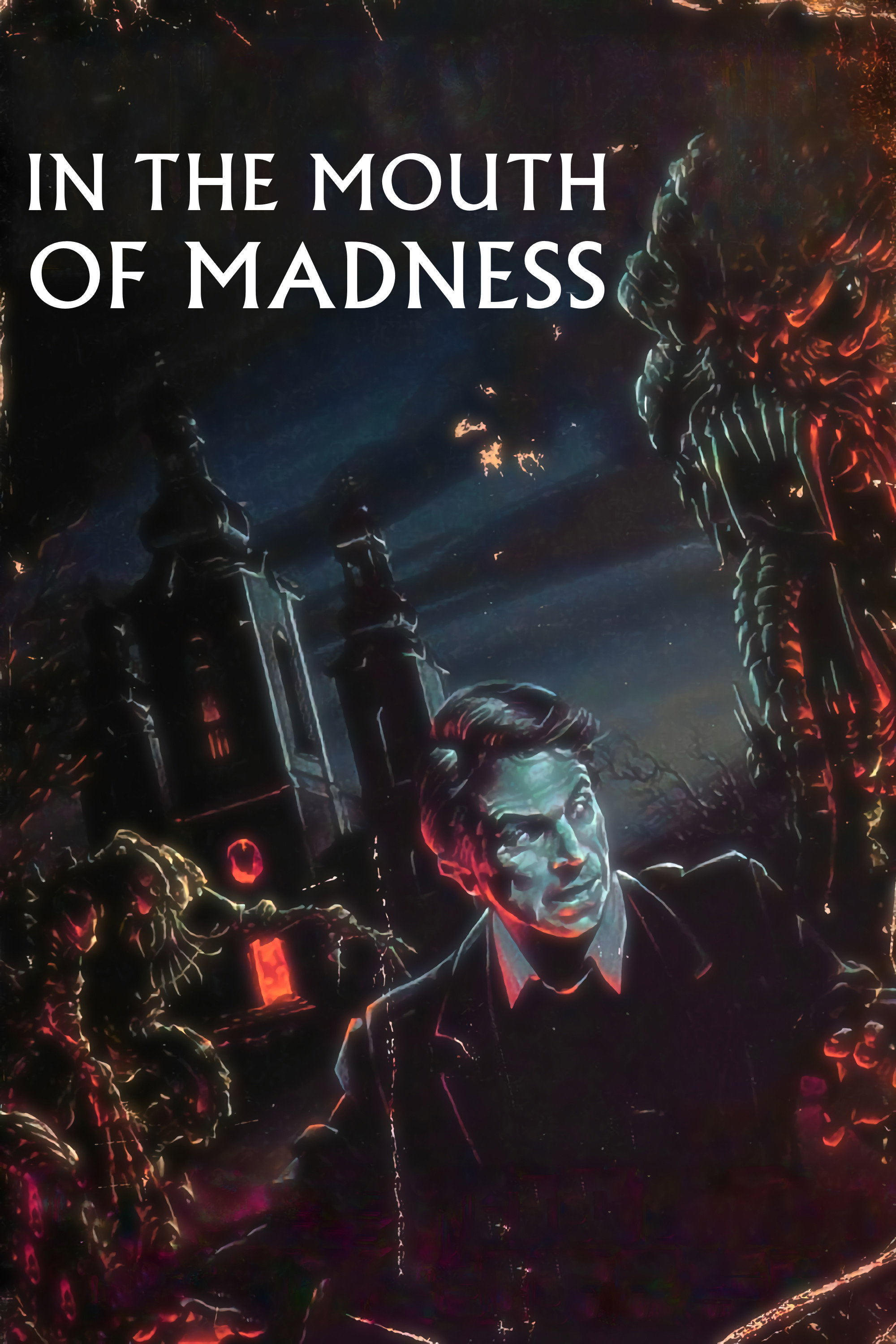
In the Mouth of Madness: When John Carpenter Swallowed Lovecraft (And Spat Out Our Sanity)
⚡Del mismo director (John Carpenter): analiza la evolución o degradación de su estilo.
John Carpenter delivers a Lovecraftian nightmare with Sam Neill teetering on the edge of the abyss. A masterpiece of cosmic horror or a self-parody with literary pretensions? Here’s the autopsy.
 🔥 Fusión Nuclear8.5
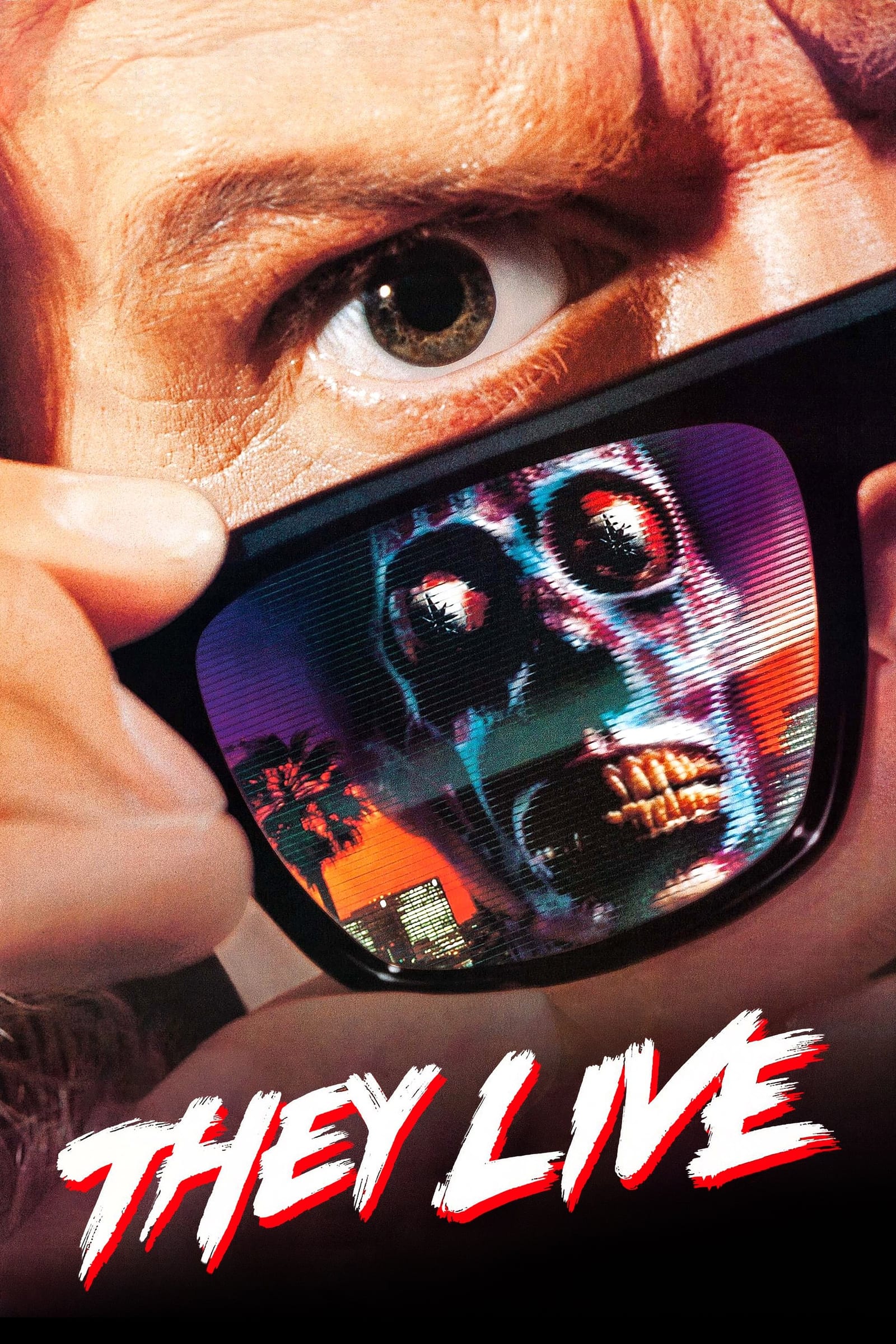
"They Live: The Satire Capitalism Would’ve Buried Alive (If It Hadn’t Already Sold It as Merch)"
⚡Del mismo director (John Carpenter): analiza la evolución o degradación de su estilo.
In 1988, John Carpenter handed us a shattered mirror of alienating consumerism. Today, it’s a meme with legs—but its acid still burns hotter than a Monopoly bill on Wall Street.
Editorial Ecosystem
Cinephile connections, archive interviews and related analyses.
💬 Debate Cinéfilo & Autopsia de Lectores
0 veredictos¿Discrepas con nuestra nota? ¿Es una obra maestra o veneno puro? Deja tu veredicto abajo sin necesidad de registro.

Aún nadie ha dejado su veredicto para esta película.
Sé el primero en clavarle el colmillo rellenando el formulario de arriba.