"They Live — The Satire Capitalism Would’ve Buried Alive (If It Hadn’t Already Sold It as Merch)"
In 1988, John Carpenter handed us a shattered mirror of alienating consumerism. Today, it’s a meme with legs—but its acid still burns hotter than a Monopoly bill on Wall Street.

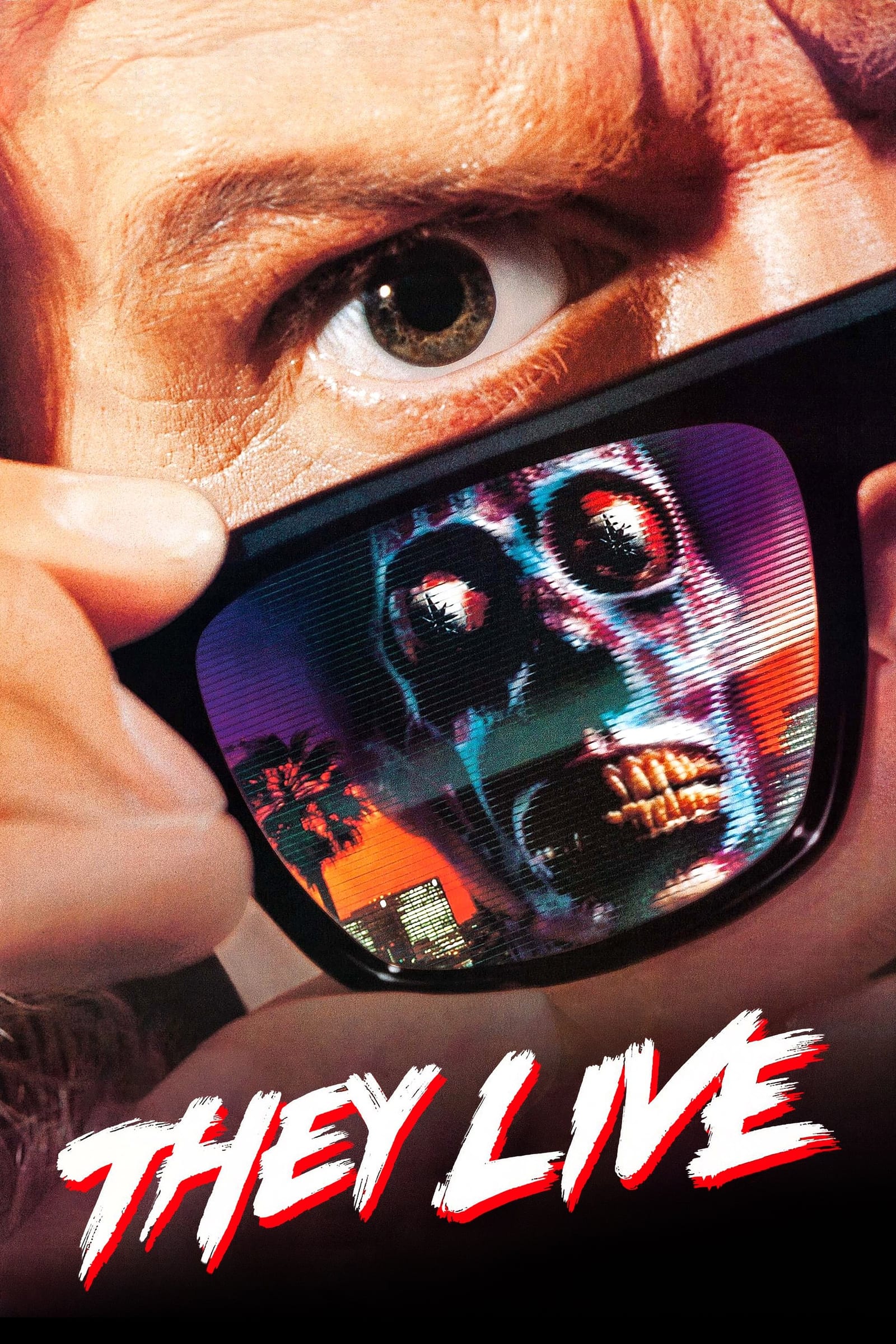

The celluloid unspools like an apocalyptic scroll in Claqueta Ácida’s screening room, where the stench of stale popcorn mingles with the reek of corporate betrayal. They Live isn’t just a movie—it’s the last gasp of counterculture before neoliberalism strangled it with a silk noose made of credit cards. John Carpenter, that master of horror with better aim than a mall cop sniper, shot this satire in 1988, when Reagan still grinned like a shark with dentures and the American Dream had curdled into a cardboard nightmare. The director, who’d already danced with the devil in Halloween and The Thing, decided it was time to train his camera not on monsters lurking in shadows, but on the ones ruling us in silk ties and plastic smiles. And damn if he wasn’t right: today, his Armani-clad aliens look more like documentaries than fiction.
The making of They Live is the story of a man pissed off at the world. Carpenter, who wrote the script under the pseudonym Frank Armitage (a nod to Lovecraft and his own disdain for the industry), adapted Ray Nelson’s short story Eight O’Clock in the Morning. But what could’ve been a cheap sci-fi comedy in lesser hands became a visual manifesto against consumerism in his. The shoot was chaotic, with a shoestring budget ($6 million, peanuts even then) and a lead, Roddy Piper, who couldn’t act but could throw a punch like his life depended on it. And in a way, it did: Piper, a Canadian pro wrestler with more charisma than acting chops, embodied the perfect proletarian antihero—a guy who goes from sleeping in shelters to discovering the world is run by aliens with a taste for power suits. The chemistry between Piper and Keith David, playing his skeptical sidekick, is so explosive it nearly sets the film on fire. Their dialogue sounds like beer spilled over a Marxist pamphlet, and their alleyway brawl—six minutes of real punches, fake blood, and genuine sweat—is more honest than any Reagan-era political speech.
The historical context of They Live is key to its venom. It was 1988, and America was a country split between yuppies with brick-sized cell phones and blue-collar workers watching their jobs vanish like smoke from a cheap cigarette. Carpenter, who’d flirted with social critique in Assault on Precinct 13 and Escape from New York, decided it was time to twist the knife. The film is a funhouse mirror of Reagan’s America, where the American Dream had become a pyramid scheme and the media spewed propaganda like a gumball machine jammed on "repeat." The aliens in They Live aren’t space invaders—they’re corporate overlords, corrupt politicians, and ad men selling canned happiness. Their weapon isn’t laser beams but subliminal messages commanding us to CONSUME, OBEY, and BREED like caged rabbits. Carpenter didn’t pull punches: if the aliens arrived in 2024, they’d be TikTok influencers hawking NFTs of their own shit.
But They Live isn’t just a political pamphlet dressed up as an action flick. It’s, above all, a masterclass in guerrilla filmmaking, where every frame, camera move, and line of dialogue drips with intent. Carpenter, who also scored the film (as he often did), crafted a soundtrack that oscillates between oppressive synthwave and distorted Gregorian chants, as if Satan himself scored a Coca-Cola ad. Gary B. Kibbe’s cinematography, with its desaturated tones and brutal contrasts, turns Los Angeles into a concrete-and-neon hellscape, an urban wasteland so hostile it feels designed by an architect with Stockholm Syndrome. And the script, though occasionally clunky (Piper wasn’t exactly Laurence Olivier), brims with genius moments—like when the protagonist discovers dollar bills stamped with "OBEDIENCE" or "NO IMAGINATION." It’s as if Carpenter hacked the system and showed us capitalism’s source code: a string of commands to keep us docile, stupid, and always hungry for more.
Direction: Carpenter, the Last Celluloid Samurai
John Carpenter directs They Live like he’s waging guerrilla warfare against boredom. His style, a direct descendant of Howard Hawks’ westerns and Alfred Hitchcock’s thrillers, is as economical as it is effective: no superfluous shots, no unnecessary flourishes, just pure, unfiltered action. Carpenter understands cinema as a visual language, and in They Live, every frame is a manifesto. The wide shots of Los Angeles—its elevated highways and skyscrapers lit up like Christmas trees—are so cold and dehumanizing they feel plucked from a Ridley Scott fever dream. But Carpenter truly shines in the action sequences, especially the legendary alley fight between Piper and Keith David. Six minutes of real punches, fake blood, and genuine sweat, shot in a single take that looks like war documentary footage. No cuts, no tricks—just two guys beating the hell out of each other as if humanity’s fate depended on it. It’s cinema in its purest form: no CGI, no gimmicks, just flesh, bone, and the conviction that sometimes, a well-placed punch says more than a thousand words.The use of color in They Live is another of the film’s great strengths. Carpenter and Kibbe opt for a desaturated palette, where grays and blues dominate the frame like a world blanketed in radioactive dust. The only colors that pop are the red of the subliminal messages (like the "CONSUME" in a magazine ad) and the sickly green of the aliens’ eyes. It’s a brilliant visual choice, reinforcing the idea that the world is diseased, infected by an invisible plague turning us into consumerist zombies. Carpenter also plays with lighting masterfully, especially in night scenes, where neon signs and car headlights create a shadow play reminiscent of German Expressionism. It’s as if Fritz Lang and George A. Romero teamed up to film a Twilight Zone episode set in a shopping mall.
Actors: Piper, the Wrestler Who Became a Proletarian Hero
Roddy Piper wasn’t an actor. He was a pro wrestler with so much charisma he could sell ice to an Eskimo or a lottery ticket to a billionaire. Yet in They Live, Piper pulls off something close to a miracle: he turns John Nada (yes, that’s his name—and no, it’s not a joke) into a believable hero, an everyman who discovers the world is a lie and decides to do something about it. Piper doesn’t act—he survives. His performance is rough, sure, but it’s also authentic, as if Carpenter plucked a factory worker off the line and handed him a shotgun. When Nada puts on the sunglasses and sees the truth for the first time, Piper’s expression is pure existential dread, like he’s just realized his whole life was a scam. It’s a moment so powerful it almost makes up for his clunky dialogue ("I have come here to chew bubblegum and kick ass—and I’m all out of bubblegum!" is a line that only works because Piper delivers it with the conviction of a man who’s just seen God in a beer commercial).Alongside Piper, Keith David shines as Frank, Nada’s skeptical partner who refuses to believe in the alien conspiracy until it’s too late. David, an actor with a towering physical presence and a voice that sounds like it’s echoing from the depths of hell, is the perfect foil to Piper’s awkwardness. Their on-screen chemistry feels so real it seems improvised, especially in the alley scene, where their dialogue sounds like spilled beer and pent-up frustration. David also has one of the film’s most memorable moments, when he finally puts on the glasses and sees the truth: his reaction is pure horror, like he’s just discovered the universe is one big bad joke. Meg Foster, meanwhile, plays Holly, an alien executive who looks like she stepped out of an ’80s Vogue spread. Foster, with her piercing eyes and shark-like smile, is the perfect villain—cold, calculating, and so charismatic you almost forget she’s trying to turn you into a slave.
The rest of the cast, though less prominent, delivers. George Buck Flower plays a homeless man who helps Nada early on, and his performance is so heartfelt it almost makes you forget he’s talking to a guy who just found out aliens exist. Peter Jason and Raymond St. Jacques bring a gritty realism to the film, especially in the scenes set in Nada’s skid-row neighborhood. None of them are method actors, but they all radiate an authenticity that makes They Live feel like a documentary about human resistance against alien capitalism.
Technical Aspects: The Art of Selling You the Revolution (Then Selling You the Merch)
The script for They Live is a strange mix of brilliance and clumsiness. Carpenter, who wrote it in just two weeks (because, as he put it, "there was no time for bullshit"), crafted a political satire that remains relevant over three decades later. The dialogue is sometimes too on-the-nose, and there are moments when the film feels like a Marxist manual shot on 8mm, but there are also flashes of pure genius. The idea that aliens control the world through subliminal messages is so simple it borders on genius, and Carpenter’s execution—with magazine ads screaming "CONSUME" and dollar bills ordering "OBEDIENCE"—is so effective it almost makes you want to burn your credit cards. The problem is that the film sometimes takes itself too seriously, especially in scenes where Nada and Frank debate the nature of oppression. It’s as if Carpenter forgot he was making an action movie and started giving a stump speech at a union rally.The score, composed by Carpenter himself, is another of the film’s strengths. With its blend of oppressive synthwave and distorted Gregorian chants, the music of They Live sounds like the soundtrack to a consumerist apocalypse. Carpenter knows exactly when to crank up the volume and when to let silence speak for itself, especially in the action scenes, where the music becomes a character in its own right. The main theme, with its hypnotic rhythm and catchy melody, is so iconic it almost feels like a protest anthem, as if Rage Against the Machine sampled it before rap-metal even existed. And then there’s the sound design—an often-overlooked but crucial element in Carpenter’s films. The gunshots sound like whips, the punches like hammer blows, and the crunch of the sunglasses breaking is so satisfying it almost makes you forget you’re watching a movie about capitalist alienation.
The production design of They Live is another of its triumphs. The aliens, with their skeletal faces and bottomless black eyes, are as terrifying as they are ridiculous, like H.R. Giger designed a perfume ad. The executives’ suits, with their silk ties and plastic smiles, are so exaggerated they feel plucked from a David Lynch nightmare, and the subliminal messages—those "CONSUME" and "OBEY" slogans plastered everywhere—are so blatant they almost feel like a joke. But the real genius of the production design is how Carpenter turns Los Angeles into a character in its own right. The streets, the buildings, the malls—everything feels designed to alienate, to turn humans into mindless automatons. It’s as if Carpenter put on the sunglasses himself and saw the truth: capitalism isn’t an economic system—it’s a religion, and its temples are shopping malls.
The Best
- The alley fight: Six minutes of real punches, genuine sweat, and choreography that looks like it was lifted from a war documentary. It’s cinema in its purest form—no CGI, no tricks.
- Gary B. Kibbe’s cinematography: A desaturated palette that turns Los Angeles into a concrete-and-neon hellscape, where the only colors that stand out are the aliens’ subliminal messages.
- John Carpenter’s score: A mix of oppressive synthwave and distorted Gregorian chants that sounds like the apocalypse set to a jingle. The main theme is so catchy it almost feels like a protest anthem.
- The alien designs: Skeletal faces, bottomless black eyes, and power suits. They’re as terrifying as they are ridiculous—like H.R. Giger designed a cologne ad.
- The social critique: Carpenter doesn’t mince words: capitalism is a religion, the media is its Bible, and malls are its temples. In the age of NFTs and influencers, his message feels more relevant than ever.
The Worst
- Roddy Piper’s dialogue: Sometimes it sounds like it was written by a drunk pro wrestler. Lines like "I have come here to chew bubblegum and kick ass!" are so clunky they hurt.
- The uneven pacing: The film veers from brilliant political satire to a Marxist manual shot on 8mm. There are moments when Carpenter seems to forget he’s making an action movie.
- The rushed ending: After 90 minutes of ferocious social critique, the climax feels like it was lifted from a generic action flick. It’s as if Carpenter lost interest in his own story.
- Roddy Piper’s acting: Piper wasn’t an actor, and it shows. His awkwardness in front of the camera sometimes undercuts the film’s dramatic moments.
The Verdict of Claqueta Ácida
They Live is one of those films born to be a classic but ended up as a meme. John Carpenter, with his sniper-like precision, stuck his finger in capitalism’s festering wound and showed us that the real monsters don’t wear hockey masks or haunt mansions—they wear Armani suits and work on Wall Street. The film is flawed, sure, with its clunky dialogue, uneven pacing, and cardboard special effects, but it’s also a masterpiece of guerrilla filmmaking, a political satire so sharp it still cuts over three decades later. Today, in the age of NFTs, influencers, and surveillance capitalism, They Live doesn’t just feel relevant—it feels like a documentary. Carpenter didn’t warn us about an alien invasion; he warned us about the invasion of our own minds, sold to the highest bidder. And the worst part? When we put on the sunglasses, we still see the same messages: CONSUME, OBEY, BREED. The revolution, in the end, always ends up as merch. 💀🎬 Tráiler Oficial
Abrir en YouTube
Ending Explained: "They Live
Ficha de Daños Colaterales en Sala
Certificado de impacto psicofísico emitido por Dante Sangre
Cero bostezos. Pupilas dilatadas y tensión mandibular constante.
El móvil permaneció en el bolsillo donde debía estar.
Ninguna. Esta obra no necesita muletas estimulantes.
"Inexistente: pulso de hierro hasta los créditos finales."
💬 El Veredicto de la Comunidad
¿Qué te ha parecido la película? Deja tu nota de 0 a 10 para contrastarla con el análisis de la redacción.
Aún no has votado
📢 ¿Te ha gustado el ácido?
Comparte esta crítica con tus amigos cinéfilos o desata la polémica en redes.
⚡ THE CINEMATIC VENOM YOUR INBOX CRAVES
No sugarcoated ratings, no corporate fluff. Subscribe for our uncensored weekly analysis or join the private Telegram for press previews, poll clashes, and instant alerts.
Alertas de estrenos en 1 segundo, encuestas en caliente y audios al salir de pases de prensa.
Recibe la dosis semanal en tu mail + regalo inmediato del PDF con 50 joyas ocultas de culto.
Related Reviews
Recommended autopsies for demanding film buffs.
 🔥 Fusión Nuclear8.2
*Christine*: The Most Toxic and Brilliant Mechanical Romance in Cinema History
⚡Del mismo director (John Carpenter): analiza la evolución o degradación de su estilo.
John Carpenter takes Stephen King’s eponymous novel and soups it up to deliver a staggering fable about teenage obsession, rock ‘n’ roll, and a 1958 Plymouth Fury with the jealous rage of a scorned lover.
 🔥 Fusión Nuclear8.5
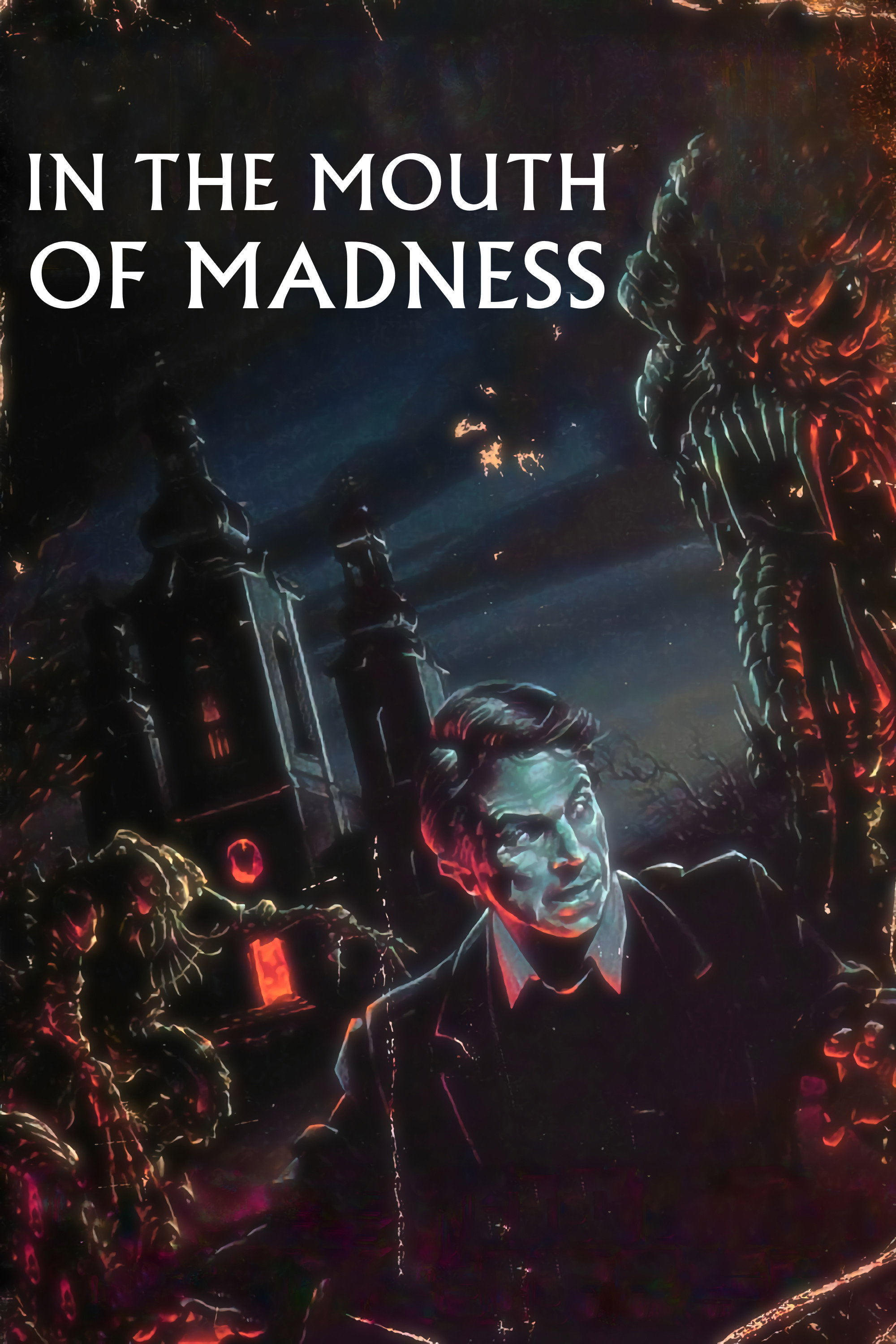
In the Mouth of Madness: When John Carpenter Swallowed Lovecraft (And Spat Out Our Sanity)
⚡Del mismo director (John Carpenter): analiza la evolución o degradación de su estilo.
John Carpenter delivers a Lovecraftian nightmare with Sam Neill teetering on the edge of the abyss. A masterpiece of cosmic horror or a self-parody with literary pretensions? Here’s the autopsy.
 🔥 Fusión Nuclear8.0
Halloween Night: The Psychopath Born from a Shit Budget (And Saved Us from Mediocrity)
⚡Del mismo director (John Carpenter): analiza la evolución o degradación de su estilo.
John Carpenter turned $300,000 and a guy in a William Shatner mask into the slasher that redefined horror. Claqueta Ácida dissects its cheap genius.
Editorial Ecosystem
Cinephile connections, archive interviews and related analyses.
💬 Debate Cinéfilo & Autopsia de Lectores
0 veredictos¿Discrepas con nuestra nota? ¿Es una obra maestra o veneno puro? Deja tu veredicto abajo sin necesidad de registro.


Aún nadie ha dejado su veredicto para esta película.
Sé el primero en clavarle el colmillo rellenando el formulario de arriba.