The Last of Us — A Tissue-Strewn Odyssey of Fungi and Sentimental Drivel
Claqueta Ácida’s scathing review of HBO’s post-apocalyptic series, where cordyceps and maudlin drama run rampant—because nothing says "prestige TV" like a fungal pandemic and a surplus of tearful monologues.

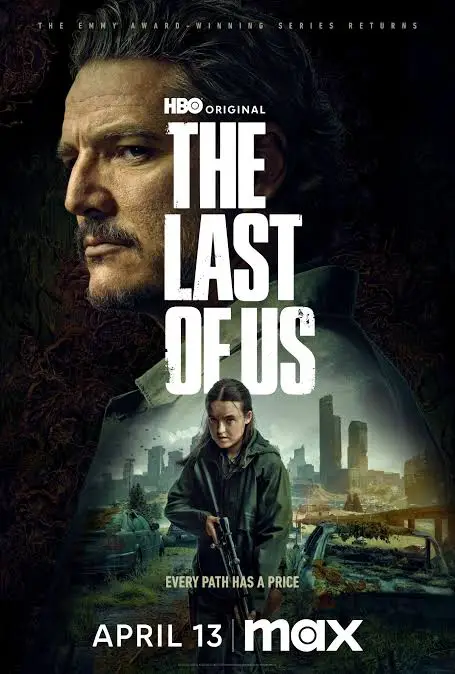


When HBO decided to wring every last drop out of the revered video game The Last of Us and turn it into a series, the entire industry started shelling out for subscriptions like it was the last vaccine against mediocrity. What emerged is an adaptation that, on paper, promised to blend the epic storytelling of Breaking Bad with the aesthetic of a post-apocalyptic stock photo catalog—only to end up resembling a modern art exhibit where the curator forgot to explain the damn piece. Here at Claqueta Ácida HQ, we survived this disaster with the same dignity as an ant weathering a storm: juggling irony while the world drowns under a downpour of spores.
But not all is lost. The magazine’s staff has a habit of chugging black coffee and swallowing sarcasm to stave off boredom, and this project provides the perfect raw material for a review that’s equal parts autopsy of TV pretension and ode to viewers who keep paying for each episode like it’s an investment in therapy. So, without further ado, we venture into the cordyceps-infested jungle, the sea of soggy tissues, and the dialogue that aspires to poetry but tastes like… recycled cardboard.
A Psychedelic Trip to Absolute Boredom
The plot, as ambitious as a hipster’s grocery list, kicks off with the premise that humanity has been decimated by a fungus that turns its victims into nature’s foot soldiers. The story meanders, episode after episode, between the pursuit of fanatics armed with jury-rigged guns and the search for a supposed cure that, when push comes to shove, proves about as useful as an umbrella in the desert. Screenwriters Neil Druckmann and Craig Mazin attempt to weave a narrative that blends family drama with survival horror, but what they deliver is a chaotic mess of melodrama and forced exposition.
The dialogue is the worst kind of "supersized" writing: characters drop lines worthy of a Shakespearean soliloquy… if Shakespeare had written for an audience that only understands memes. Pedro Pascal, with his gravelly voice and the kind of charisma reserved for craft beer commercials, repeats ad nauseam that "the important thing is to keep moving forward," while Bella Ramsey, as the kid-turned-savior, tries to justify every tear with a profound reflection that sounds like the transcript of a self-help podcast. In every scene, the camera lingers on her face like it’s a portrait, but all it adds is the pointlessness of exaggerated emoting.
The series’ pacing clings to a three-act formula straight out of a telenovela production manual: introduce the threat, escalate the conflict, and resolve it in a way that leaves plenty of room for a sequel. Each episode ends with a "cliffhanger" so predictable that viewers already know the next one will wrap up with either a bloodbath or the sudden appearance of a new fungal foe—and frankly, the show’s over-reliance on this tactic makes the suspense about as effective as a plastic door lock.
B-Movie Aesthetics and Pepsi Product Placement
Visually, the series leans on a washed-out color palette: mossy greens, dirty browns, and a gray so dull it looks like it was lifted from a stock photo taken during an eclipse. Cinematographer Pawel Pogorzelski captures the bleak atmosphere of the post-apocalyptic world, but he does so with a precision that borders on the painfully obvious. Every shot is so meticulously lit it feels like a contemporary art gallery exhibit designed to ensure the audience doesn’t get distracted by the actual story.
The CGI, however, is the crowning disaster. The infected creatures appear with textures straight out of a 2000s 3D model, as if the production team decided to recycle the same rendering assets from a low-budget indie game. Every fungus sprouting from an infected host’s skin looks like a cheap Halloween theme park prop: shiny, devoid of nuance, and completely out of place in the otherwise realistic setting the series tries to cultivate.
As for advertising, the show dives headfirst into product placement so subtle it might as well be a moving truck parked in the middle of an intimate conversation. Characters sip on craft beers emblazoned with a fictional logo, and every time the protagonist pauses in a ruined landscape, there’s a conveniently placed panel with a sponsor’s branding. The vibe is that of a UN documentary underwritten by a fast-food chain, where the message gets diluted between propaganda and narrative.
The best
- Pedro Pascal’s performance: Even though his character sometimes feels like a walking avatar of toxic masculinity, Pascal brings a melancholic dignity that elevates every scene.
- Sound design: The original score, composed by Gustavo Santaolalla, makes silence as deafening as the action sequences, creating an immersive, haunting atmosphere.
- Production design: The ruined sets and rusted vehicles are a testament to the art department’s talent, transforming a soundstage into a believable ghost town.
The worst
- Pretentious dialogue: The series insists on delivering lines worthy of a tortured poet, but most sound forced and unnatural.
- Low-budget special effects: The infected creatures look more like plastic toys than real threats, shattering immersion.
- Lack of originality: Despite being based on an acclaimed video game, the adaptation brings nothing new to the post-apocalyptic genre, falling back on tired clichés.
The Verdict of Claqueta Ácida
The Last of Us arrives on screen with the ambition of becoming a television landmark, but it gets stuck in the no-man’s-land between cultural pretension and commercial complacency. While the production boasts solid performances and impeccable art direction, the whole thing dissolves into hollow dialogue, bargain-bin special effects, and a narrative that tries to be profound without actually knowing what it wants to say. In the end, the series is a factory-made concoction of dust, spores, and melancholy, leaving viewers with the feeling of having attended a party where fun was never on the guest list. An experience that, while not a complete disaster, deserves a middling rating and a warning: don’t expect to find a cure for mediocrity here—just more of the same. 💀
Ending Explained: The Last of Us
Ficha de Daños Colaterales en Sala
Certificado de impacto psicofísico emitido por Maximiliano Z.
1 amago en el tramo intermedio; pestañeo pesado en las transiciones más innecesarias.
Minuto 41 y minuto 83 (comprobando cuánto quedaba de suplicio).
2 espresso para no dejarse vencer por la mediocridad cómoda.
"A mitad del segundo acto cuando la subtrama secundaria empezó a pesar más de lo que aportaba."
💬 El Veredicto de la Comunidad
¿Qué te ha parecido la película? Deja tu nota de 0 a 10 para contrastarla con el análisis de la redacción.
Aún no has votado
📢 ¿Te ha gustado el ácido?
Comparte esta crítica con tus amigos cinéfilos o desata la polémica en redes.
⚡ THE CINEMATIC VENOM YOUR INBOX CRAVES
No sugarcoated ratings, no corporate fluff. Subscribe for our uncensored weekly analysis or join the private Telegram for press previews, poll clashes, and instant alerts.
Alertas de estrenos en 1 segundo, encuestas en caliente y audios al salir de pases de prensa.
Recibe la dosis semanal en tu mail + regalo inmediato del PDF con 50 joyas ocultas de culto.
Related Reviews
Recommended autopsies for demanding film buffs.
 ⚡ Ácido Cítrico5.5
*The Last Jedi: The Saga That Fell Down the Intergalactic Troll Hole*
⚡Hermana de saga: otro capítulo diseccionado con rigor forense.
A scathing review of *Star Wars: The Last Jedi*, the biggest fan controversy in the galaxy—where the Force drowns in debates and memes.
 ⚡ Ácido Cítrico6.2
The Last Supper: A Feast That Left Us Hungry for Anything But Meat
⚡Hermana de saga: otro capítulo diseccionado con rigor forense.
Aleksandr Boikov serves up a gourmet horror menu in 'The Last Supper,' but the main course tastes like thin gruel. Art or self-indulgence? Valeria Von Doom carves it open with a scalpel.
 🔥 Fusión Nuclear9.0
*Six Feet Under: When Family Drama Smells Like a Decadent Corpse*
⚡Comparten trinchera editorial en la sección de Series.
HBO served us a feast of family dysfunction, pitch-black sarcasm, and metaphorical corpses. Alan Ball dug a grave so deep we still haven’t climbed out.
Editorial Ecosystem
Cinephile connections, archive interviews and related analyses.
💬 Debate Cinéfilo & Autopsia de Lectores
0 veredictos¿Discrepas con nuestra nota? ¿Es una obra maestra o veneno puro? Deja tu veredicto abajo sin necesidad de registro.

Aún nadie ha dejado su veredicto para esta película.
Sé el primero en clavarle el colmillo rellenando el formulario de arriba.