The Witch — Extreme Puritanism, Talking Goats, and Traditional Folklore—When Religious Guilt Becomes an Extreme Sport
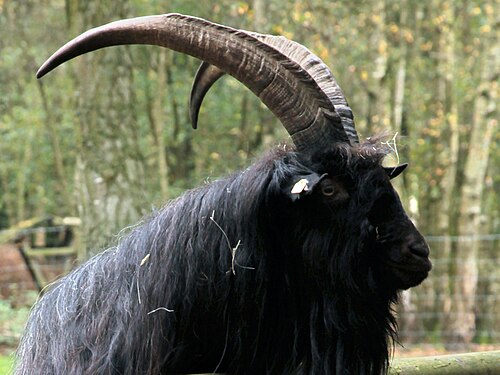
Robert Eggers made his debut with a rigorous and hypnotic Gothic tale about the religious paranoia of a 17th-century colonist family and the whispers of Black Phillip, the goat who’s either the devil or just really good at small talk.


The Witch: The Puritan Terror That Redefined the Genre (Or How to Turn Guilt Into an Extreme Sport)
In 2015, commercial horror cinema was a dumpster fire of prefab jump scares, zombie franchises with more sequels than brain cells, and CGI monsters designed by marketing committees. The genre was stuck in a spiral of self-satisfied mediocrity, where the scariest thing wasn’t the content but the certainty that Hollywood would keep milking the same sacred cash cow until audiences, out of sheer exhaustion, agreed to pay to see Annabelle 7: The Doll’s Got TikTok Now. Then along came A24, that indie studio that seems hellbent on proving cinema can still have a personality, and they bet on an unknown named Robert Eggers—a former costume designer and set decorator with the obsession of a medieval monk for colonial history, Puritan folklore, and the aesthetics of spiritual squalor. The result was The Witch (The VVitch: A New-England Folktale), a film that didn’t just redefine elevated horror—it spat in the face of anyone who still thought fear was measured in decibels or gallons of fake blood per square foot of screen.
Eggers didn’t make a witch movie. He made a documentary about religious madness, a reality show of Puritan guilt where the real monster isn’t the witch in the woods but systemic repression, fanaticism as a control mechanism, and the collective psychosis that turns a family into its own executioner. The premise is simple: In 1630, William (a Ralph Ineson carved from oak and sounding like an Old Testament prophet with a megaphone), his wife Katherine (a Kate Dickie who oozes maternal resentment like it’s battery acid), and their children are exiled from their Puritan colony over a theological dispute so absurd it rivals any Twitter argument about whether Star Wars is cinema. Banished, they set up a farm on the edge of a forest that isn’t just a setting—it’s a character, a living, silent, judgmental entity that watches, waits, and, above all, condemns. When baby Samuel vanishes while under the care of Thomasin (an Anya Taylor-Joy debuting with the force of a hurricane and the gaze of someone who’s already seen too much), it triggers a spiral of paranoia, cross-accusations, and familial self-destruction that culminates in a climax as inevitable as it is devastating.
finalExplicado_en: "In the climax, Thomasin, having lost her entire family to paranoia, madness, and supernatural violence, strips naked and enters the forest, where she joins a coven of witches in a frenzied sabbath around a bonfire. She ascends into the air, laughing with ecstatic liberation as the credits roll. The ending symbolizes the ultimate rejection of the suffocating Puritan guilt and patriarchal control that destroyed her family. What begins as horror becomes perverse liberation: damnation is revealed as freedom, and the devil's embrace offers the only authentic joy in a world built on fear and repression."
Historical Rigor as Psychological Torture (Or How to Make Boredom Terrifying)
What sets The Witch apart from any other horror film isn’t its plot but its methodology. Eggers didn’t settle for skimming a few Wikipedia articles on Salem witch trials. He dove into colonist diaries, witch trial transcripts, Puritan sermons, and 17th-century demonology treatises with the devotion of a religious zealot (ironic, given the subject matter). The result is a film where every line, every gesture, every sideways glance rings with historical truth. The characters don’t speak like 17th-century Puritans because Eggers felt like it—they speak that way because that’s how they actually talked. And that, dear readers, is more terrifying than any creature Weta Workshop could design.
The cinematography by Jarin Blaschke is a masterclass in how chiaroscuro can be a psychological weapon. Shot almost entirely in natural light (or, indoors, with candles and oil lamps), the film looks like a moving Rembrandt or Caravaggio painting. The characters’ faces emerge from the darkness like specters, their expressions illuminated by a dim glow that accentuates every wrinkle, every bead of sweat, every shadow of doubt in their eyes. The forest, captured in wide shots that emphasize its vastness and hostility, becomes a inescapable labyrinth, a place where nature isn’t benign but indifferent and cruel. Eggers and Blaschke aren’t chasing beauty—they’re after authenticity. And boy, do they find it.
The editing by Louise Ford is another key element. The film isn’t in a hurry. There are no quick cuts to mask a lack of ideas, no unnecessary action sequences. Eggers prefers to let the horror simmer, like a Puritan poison stew. Scenes stretch out, silences become unbearable, and the viewer is gradually dragged into the same claustrophobic paranoia consuming the family. By the time the climax arrives, there’s no need for jump scares or CGI—the terror is already lodged in your mind, like a worm in an apple.
The score by Mark Korven is, quite simply, brutal. There are no comforting melodies, no epic themes that make you feel like the hero. Korven uses period instruments (out-of-tune violins, cellos that sound like wails, female choirs that seem plucked from a witch’s coven) to create an atmosphere of constant dissonance. The music doesn’t accompany the action—it corrupts it. Every note is a stab to the ear, a reminder that evil doesn’t need trumpets to announce itself—sometimes, a whisper is enough.
Performances: When Fanaticism Becomes Art (Or How Praying Becomes More Terrifying Than an Exorcism)
The Witch proves that horror doesn’t need monsters. All it needs are well-written characters and actors who can bring them to life. And here, the cast shines with an almost supernatural intensity.
- Ralph Ineson as William is a force of nature. With his thunderous voice and imposing physical presence, Ineson embodies the Puritan patriarch in all his contradictory glory: a man who believes in God with the same ferocity he doubts himself. His William is a domestic tyrant, but also a coward, a man who’d rather blame his daughter than admit he’s failed as a father and a believer. The scene where he tries to chop down a tree to build a witch trap, only to find the axe cursed (or, more likely, his faith as fragile as his sanity), is one of the most gut-wrenching in the film.
- Kate Dickie as Katherine is a masterclass in repression. Her character is a pressure cooker of resentment, guilt, and maternal hatred. Dickie conveys all that pent-up fury with minimal glances and gestures. When she accuses Thomasin of witchcraft, she doesn’t scream—she hisses, each word dripping with venom like a curse. Her performance is so intense that more than once, you’ll want to yell, "For God’s sake, woman, just hug your damn daughter!"
- Harvey Scrimshaw as Caleb delivers the film’s most physically exhausting scene: his possession/religious ecstasy is a tour de force of sweat, tremors, and groans that looks like it was ripped from a medieval exorcism manual. Scrimshaw makes the audience feel his character’s physical and spiritual agony, to the point that when he finally dies, you’ll almost breathe a sigh of relief.
- Anya Taylor-Joy as Thomasin is, quite simply, revelatory. In her film debut, the actress displays a maturity most actors never achieve in their entire careers. Thomasin is a complex character: a teenager caught between innocence and corruption, faith and heresy, desire and guilt. Taylor-Joy conveys all that ambiguity with a magnetic gaze and a physical presence that oscillates between fragility and ferocity. Her evolution throughout the film is hypnotic, and her final scene—where she embraces her fate with an almost euphoric smile—is one of those moments that burns itself into your memory forever.
And then there’s Black Phillip. No, he’s not an actor. He’s a goat. But he’s undeniably the film’s most charismatic and terrifying character. Eggers makes a mere animal convey more malice and magnetism than most human villains in cinema. Black Phillip doesn’t need to speak (though, spoiler, he does). His sideways glances, his leisurely strolls, and his eloquent silence are enough to make the audience feel like they’re in the presence of the devil incarnate. The scene where Thomasin approaches him in the barn, the camera fixed on her face as the goat watches her with unsettling calm, is pure cinematic tension.
Cinematic Comparisons: When the Past Devours the Present
The Witch doesn’t exist in a vacuum. It’s the heir to a cinematic tradition that includes:
- 1970s psychological horror: Films like The Wicker Man (1973) or Don’t Look Now (1973) already explored terror as an atmospheric and psychological phenomenon, rather than a monster spectacle. Eggers takes that legacy and pushes it to the extreme, stripping away any hint of hope or redemption.
- The grimy realism of the Dardenne brothers: The way Eggers films the family’s daily life, with tight close-ups and zero glamour, recalls the Dardennes’ social cinema. The difference is that while they explore material squalor, Eggers focuses on spiritual squalor.
- The folk horror of The VVitch (2015) is not Hereditary (2018): Though both films share a producer (A24) and a focus on domestic terror, Hereditary is a family drama with supernatural elements, while The Witch is a historical portrait with horror undertones. Eggers doesn’t need demons or flashy possessions—human madness is enough.
- The cinema of Ingmar Bergman: The exploration of faith, guilt, and God’s silence in films like The Seventh Seal (1957) or Winter Light (1963) finds an echo in The Witch. The difference is that while Bergman questions God’s existence, Eggers takes it for granted and focuses on how that belief can destroy people.
The Best
- Anya Taylor-Joy as Thomasin: Her performance is a statistical anomaly, a debut that feels like it was plucked from one of Ingmar Bergman’s fever dreams. With a gaze that oscillates between innocence and perversion, Taylor-Joy makes Thomasin both victim and executioner, prey and witch. Her final scene—dancing naked among the trees with an ecstatic smile—is pure cinematic liberation.
- Black Phillip, the demon with hooves: That an animal steals the movie from actors like Ralph Ineson and Kate Dickie is a miracle of direction. Black Phillip doesn’t need to do anything—just exist to make the audience feel like hell has moved into the farm. His "negotiation" scene with Thomasin is one of the most terrifying and surreal moments in modern cinema.
- Mark Korven’s score: An acoustic assault that doesn’t let you breathe. Korven uses period instruments, dissonant choirs, and ambient sounds to create an atmosphere of constant tension. The music doesn’t accompany the action—it corrupts it. When it plays, you know something bad is coming. And it always does.
The Worst
Puritan language: When subtitles are scarier than the witch: Eggers didn’t just shoot the film in 17th-century English—he made sure the dialogue was faithful to period writings. The result is a movie that, in its original version, sounds like the characters are reciting Bible passages in Latin while drowning in their own spit. Subtitles are essential, but they’re also a labyrinth of archaic terms that might make casual viewers feel like they’re deciphering a medieval manuscript. If you hate reading subtitles, The Witch* isn’t for you.
The contemplative pacing: When terror simmers so slowly you doze off: Eggers doesn’t believe in jump scares. He doesn’t believe in gore. He doesn’t even believe in action. The Witch* is a film that takes its time, like a Puritan praying before hanging a witch. Scenes drag on, silences stretch into eternity, and viewers used to the breakneck pace of commercial cinema might find themselves checking the clock every five minutes. If you’re after adrenaline, this isn’t your movie. If you’re after existential dread, welcome to the coven.
The Verdict of Claqueta Ácida (9/10)
The Witch is a masterpiece of psychological horror, a film that doesn’t scare you with monsters but with the idea that the real hell is inside us. Robert Eggers debuted with a cinematic personality that steamrolls over everything, proving that horror doesn’t need special effects—just ideas, historical rigor, and flawless direction. It’s an uncomfortable, hypnotic, and deeply disturbing film that lingers like a recurring nightmare. It’s not for everyone: if you want easy entertainment, move along. But if you’re ready to dive into a claustrophobic descent into religious madness, prepare to meet Black Phillip. And remember: never, ever ask a goat what it wants. 🐐🔥
🎬 Tráiler Oficial
Abrir en YouTube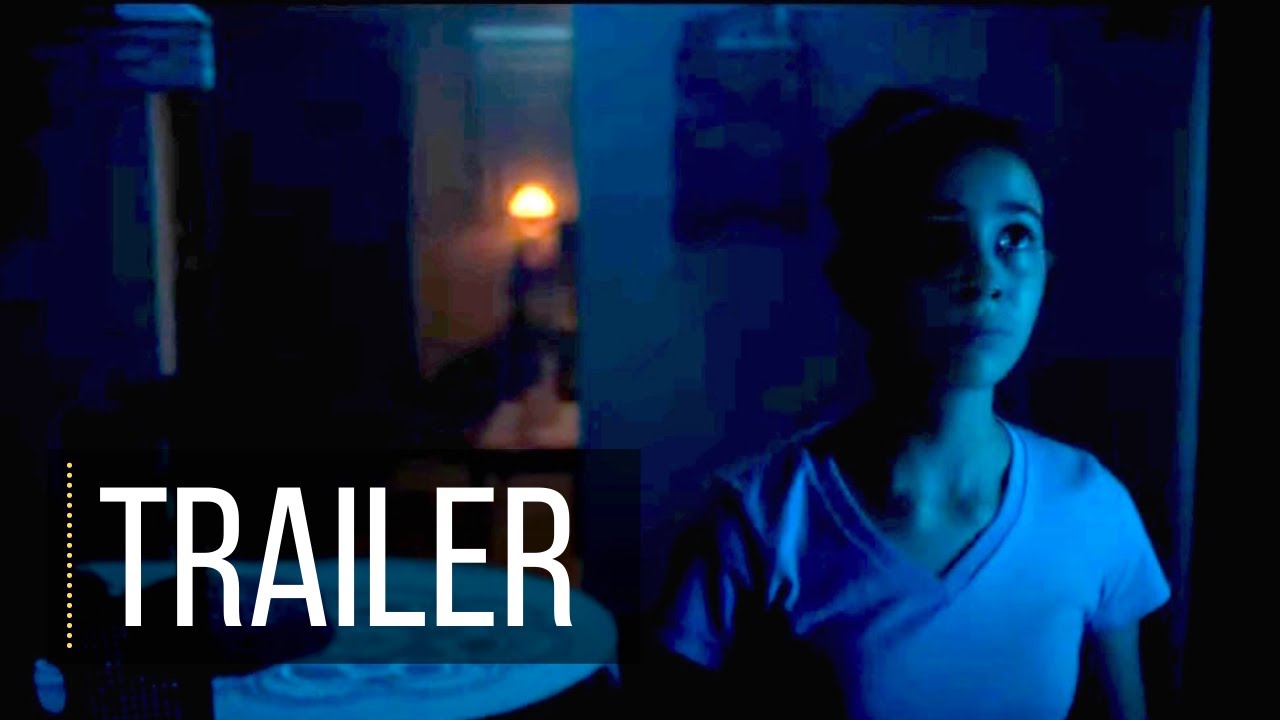
Ending Explained: The Witch
Ficha de Daños Colaterales en Sala
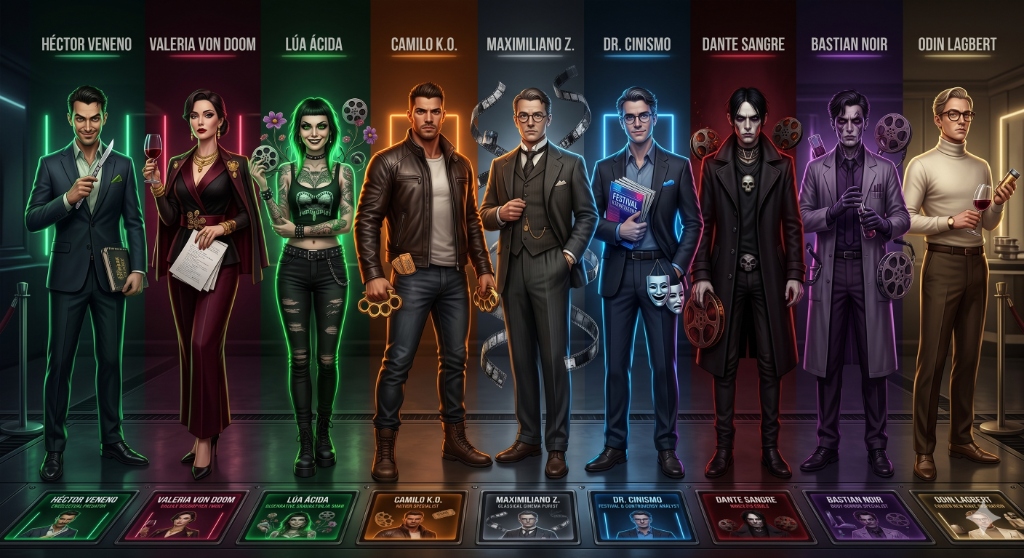
Certificado de impacto psicofísico emitido por Héctor Veneno
Cero bostezos. Pupilas dilatadas y tensión mandibular constante.
Ninguna comprobación del tiempo. Se agradece la rareza.
Ninguna. Guarda el café para la sesión siguiente.
"Inexistente: pulso de hierro hasta los créditos finales."
💬 El Veredicto de la Comunidad
¿Qué te ha parecido la película? Deja tu nota de 0 a 10 para contrastarla con el análisis de la redacción.
Aún no has votado
📢 ¿Te ha gustado el ácido?
Comparte esta crítica con tus amigos cinéfilos o desata la polémica en redes.
⚡ THE CINEMATIC VENOM YOUR INBOX CRAVES
No sugarcoated ratings, no corporate fluff. Subscribe for our uncensored weekly analysis or join the private Telegram for press previews, poll clashes, and instant alerts.
Alertas de estrenos en 1 segundo, encuestas en caliente y audios al salir de pases de prensa.
Recibe la dosis semanal en tu mail + regalo inmediato del PDF con 50 joyas ocultas de culto.
Related Reviews
Recommended autopsies for demanding film buffs.
 🔥 Fusión Nuclear9.0
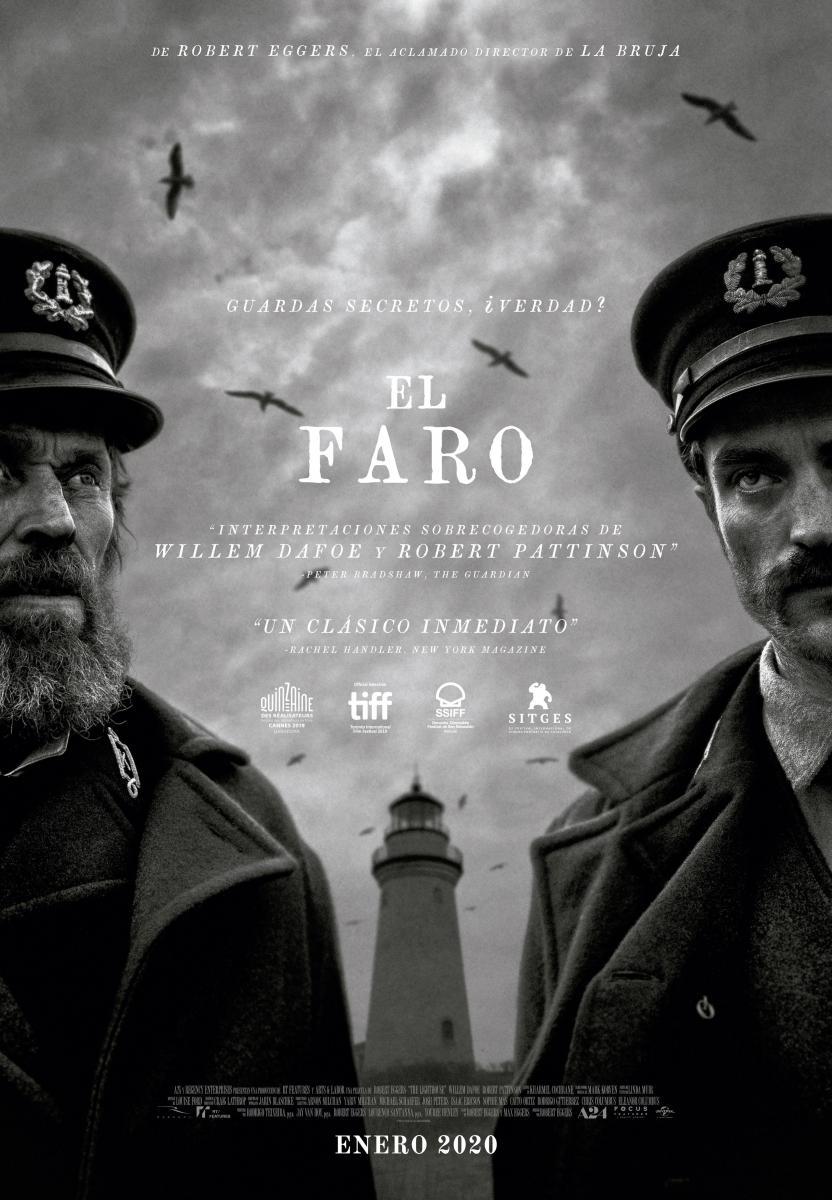
*The Lighthouse: Monotony, Madness, and the Stench of Kerosene-Drenched Maritime Mythology*
⚡Del mismo director (Robert Eggers): analiza la evolución o degradación de su estilo.
Robert Eggers locks Willem Dafoe and Robert Pattinson in a godforsaken rock to gift us a hypnotic, black-and-white maritime fever dream.
 🔥 Fusión Nuclear9.2
*Nosferatu: Eggers’ Glorious, Gothic Vampire Revival – A Masterclass in Mold, Shadows, and Carnal Obsession*
⚡Del mismo director (Robert Eggers): analiza la evolución o degradación de su estilo.
Robert Eggers resurrects the immortal vampire classic with a sublime, tenebrous, and sweat-drenched symphony of shadows, rats, and fleshly obsession.
 🔥 Fusión Nuclear8.5
*Alleluia: Love as a Terminal Illness (or How to Turn Crimes of Passion into a Sweaty, Fleshy Spectacle)*
⚡Afinidad temática directa en atmósfera, estilo y fijaciones visuales.
Fabrice Du Welz reimagines the myth of the lonely hearts killers in a feverish whirlwind of jealousy, submission, and blood, led by Lola Dueñas in a performance that’s equal parts hypnotic and harrowing.
Editorial Ecosystem
Cinephile connections, archive interviews and related analyses.
🎞️ In Claqueta Cinematheque2
💬 Debate Cinéfilo & Autopsia de Lectores
0 veredictos¿Discrepas con nuestra nota? ¿Es una obra maestra o veneno puro? Deja tu veredicto abajo sin necesidad de registro.

Aún nadie ha dejado su veredicto para esta película.
Sé el primero en clavarle el colmillo rellenando el formulario de arriba.