The Thing (1982) — John Carpenter’s Frozen Masterpiece of Paranoia and Mutant Flesh
John Carpenter delivers his artistic magnum opus in Antarctica, blending Cold War nihilistic distrust with the most unhinged practical effects in cinema history.

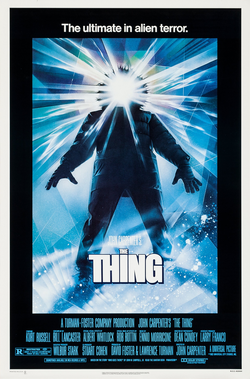


Here at Claqueta Ácida HQ—where we’ve dissected everything from Marvel’s digital abominations to Netflix psychological thrillers that last shorter than a stand-up comedian’s punchline—tackling John Carpenter’s The Thing (1982) feels like getting a direct hit of analog adrenaline straight to the jugular. Not that fake adrenaline from insidious-la-puerta-roja" class="text-amber-400 font-black hover:text-amber-300 transition underline decoration-amber-500/40 hover:decoration-amber-300" title="[6.5/10 ⚡ Ácido Cítrico] Lee nuestra autopsia de «Insidious»" data-acid-interlink="insidious-la-puerta-roja">insidious" class="text-amber-400 font-black hover:text-amber-300 transition underline decoration-amber-500/40 hover:decoration-amber-300" title="[7.2/10 ⚡ Ácido Cítrico] Lee nuestra autopsia de «Insidious»" data-acid-interlink="insidious">insidious-fuera-del-mas-alla" class="text-amber-400 font-black hover:text-amber-300 transition underline decoration-amber-500/40 hover:decoration-amber-300" title="[6.8/10 ⚡ Ácido Cítrico] Lee nuestra autopsia de «Insidious»" data-acid-interlink="insidious-fuera-del-mas-alla">Insidious jump scares, but the real deal: the kind that leaves your knuckles white and your stomach in knots while the screen spits out images that lodge in your retinas like shards of ice. Released in 1982, the film was slaughtered by myopic critics who, in the throes of their sugar rush over Spielberg’s E.T.—that stuffed-animal alien with emotional Down syndrome—failed to appreciate that Carpenter was serving them the Molotov cocktail of cosmic horror. Fortunately, time, that ruthless judge, has set the record straight: The Thing isn’t just the greatest sci-fi horror film ever made; it’s a cathedral of gothic nihilism, a survival manual for distrust, and a work of art with no expiration date because, like the monster itself, it feeds on our most primal fears.
finalExplicado_en: "In the climax, the last two survivors, MacReady and Childs, sit freezing in the burning ruins of the Antarctic base after MacReady has destroyed the final monstrous form of the Thing with explosives. They share a drink in the snow, each warily eyeing the other, neither able to confirm if the other is still human or has been replaced. The ending is a bleak masterpiece of nihilistic ambiguity: trust has been annihilated along with the base. Humanity loses not to the creature but to the paranoia it weaponized. As the camera pulls back over the frozen wasteland, it symbolizes the cold, absolute victory of alienation—no rescue, no certainty, just two potential Things waiting to thaw and spread."
Antarctica as Purgatory: A Setting That Smells Like Cheap Whiskey and Despair
The plot transports us to a remote U.S. scientific outpost in Antarctica—a place so inhospitable it makes The Shining’s Overlook Hotel look like a five-star resort in the Maldives. There are no ghosts here, no cursed rooms, just twelve men trapped in a white hell where the outside temperature is so low even common sense freezes. The routine of these scientists—a toxic mix of testosterone, bathtub whiskey, and computer chess matches (yes, in 1982, that was the height of high-tech)—shatters when they take in a dog fleeing a Norwegian helicopter. The animal, which looks like it stepped out of a pet food commercial, turns out to be an extraterrestrial biological entity capable of perfectly mimicking any living organism it touches. Just like that, Carpenter plunges us into a descent into the hell of collective paranoia, where the real monster isn’t the creature but the distrust that eats away at the characters like acid.
The screenplay by Bill Lancaster—son of the legendary Burt Lancaster, by the way—is clinically brilliant and ruthless. There’s no room for sentimental speeches or Hollywood heroics. These men aren’t the marines from Aliens or the heroic scientists from Armageddon; they’re tired, sweaty, terrified guys with three-day stubble and gazes that swing between resignation and panic. The research station, shot by cinematography maestro Dean Cundey, is a claustrophobic, grimy rat trap, where narrow hallways lit by flickering emergency lights seem designed for the creature—and the paranoia—to run wild. The exteriors, meanwhile, are a blue, unfathomable wasteland, a landscape so empty it makes the viewer feel the cold in their bones. Carpenter and Cundey achieve something extraordinary: Antarctica isn’t just a setting; it’s another character, a silent, oppressive entity watching as the men tear each other apart.
Paranoia as an Olympic Sport: When the Enemy is in the Mirror
The genius of The Thing lies in the fact that the real terror doesn’t come from the monster but from the impossibility of telling it apart. In its eagerness to mimic its victims, the creature doesn’t just copy their appearance but also their memories, gestures, and nervous tics. This turns every interaction into a game of Russian roulette: Is that guy offering you coffee really your buddy, or an alien version wearing his face? The blood test scene, possibly one of the most tense sequences in cinema history, is a masterclass in building pure dramatic tension without relying on special effects or grand speeches. A hot wire, some test tubes, and the characters’ reactions—especially the moment MacReady (Kurt Russell) looks at Palmer (David Clennon) with a mix of disgust and resignation—are enough to make the viewer feel like the floor is giving way beneath them.
Carpenter, a master of suspense, doles out paranoia with the precision of a Swiss watchmaker. Every scene is calculated to let distrust seep into the viewer like a virus. Why does Childs (Keith David) vanish into the storm? Why does Blair (Wilford Brimley) suddenly go insane? Why does that dog seem to stare at you with unnatural intelligence? In The Thing, no one is safe—not even the audience. The film plays with the idea that evil isn’t external but something that can lurk deep within us, a perfect metaphor for Cold War-era distrust, but also for any time when fear of "the other" fuels irrationality.
Body-Horror as Sacred Art: Rob Bottin and His Nightmares of Latex
If the script is The Thing’s skeleton and Carpenter’s direction its nervous system, Rob Bottin’s practical effects are its pulsating, bloody, deformed flesh. In an era where CGI has turned horror into a digital theme park—where monsters look like they were rendered on a 1998 computer—Bottin’s effects are a reminder that real horror is born from craftsmanship, sweat, and creative madness. Every creature transformation is a baroque orgy of flesh deformation, a whirlwind of cosmic terror that’s as repulsive as it is aesthetically fascinating.
From the dog whose face splits open like carnivorous petals—an image straight out of a Hieronymus Bosch painting—to the head that detaches from its body and grows spider legs to scuttle away, Bottin took body-horror to heights even David Cronenberg hadn’t explored. The scene where a man’s ribs transform into jaws capable of amputating a doctor’s arms is so brutally visceral it makes modern gorefests look like Looney Tunes cartoons. Not a single frame of The Thing isn’t a work of art in physical terror, and that’s something no AI algorithm will ever replicate.
The Soundtrack: The Beat of a Dying Heart in the Snow
If the practical effects are The Thing’s flesh, Ennio Morricone’s score is its electronic, desolate heartbeat. The Italian composer, best known for his scores for spaghetti westerns like The Good, the Bad and the Ugly, crafted for Carpenter a minimalist, oppressive soundtrack, almost entirely composed of synthesizers that mimic the sound of a dying heart in the middle of nowhere. The main theme, with its hypnotic rhythm and deep, dragging notes, is one of the most unsettling pieces in cinema history. Morricone achieves something extraordinary: the music doesn’t just accompany the images—it infects them, as if the sound itself were an extension of the monster.
The Legacy of The Thing: Why It Remains the Queen of Cosmic Horror
More than four decades after its release, The Thing remains the definitive sci-fi horror film, a title no modern production has managed to snatch away. Why? Because Carpenter understood something many filmmakers today have forgotten: horror isn’t about showing more but suggesting better. While contemporary cinema overuses jump scares and computer-generated monsters—aging worse than a soap opera actor—The Thing feeds on what isn’t seen, what’s hinted at, what’s feared. It’s a film that respects the viewer’s intelligence, that doesn’t underestimate their ability to fill in the blanks with their own imagination.
Moreover, The Thing is a masterpiece of existential nihilism. Unlike other horror films where good triumphs over evil and the hero saves the day, here there’s no redemption, no hope, no happy ending. The final shot, with MacReady and Childs sharing a bottle of whiskey amid the charred remains of the station, is one of cinema’s most desolate images: two men, possibly infected, waiting for death in a landscape that looks like the end of the world. No moral, no lesson, just the void. And that, dear readers, is what makes The Thing a unique cinematic experience, as cold and ruthless as the Antarctica that houses it.
The best
- Paranoid tension: Carpenter turns distrust into an Olympic sport, and the viewer is the only one who doesn’t get a medal for not going insane.
- Legendary practical effects: Rob Bottin designed latex nightmares that make modern CGI look like a doodle in Microsoft Paint.
The worst
- You can only watch it for the first time once: The envy you’ll feel toward those who haven’t seen it yet is so intense it should be considered a capital sin.
The Verdict of Claqueta Ácida (10/10)
The Thing isn’t just a movie—it’s a cinematic exorcism, an experience so pure and terrifying it should come with a WHO warning label. John Carpenter delivered his magnum opus here, a Molotov cocktail of suspense, body-horror, and existential nihilism that remains as relevant today as it was in 1982. If you don’t feel the urge to burn your Conjuring Blu-ray collection after watching it, you didn’t get it. A perfect, damp, and terrifying 10, like the creature’s embrace before it devours you. 💀🎬 Tráiler Oficial
Abrir en YouTube
Ending Explained: The Thing (1982)
Ficha de Daños Colaterales en Sala
Certificado de impacto psicofísico emitido por Lúa Ácida
Cero. La pantalla absorbió cada segundo de atención disponible.
Ni una sola mirada al móvil.
Ninguna. Esta obra no necesita muletas estimulantes.
"Inexistente: pulso de hierro hasta los créditos finales."
💬 El Veredicto de la Comunidad
¿Qué te ha parecido la película? Deja tu nota de 0 a 10 para contrastarla con el análisis de la redacción.
Aún no has votado
📢 ¿Te ha gustado el ácido?
Comparte esta crítica con tus amigos cinéfilos o desata la polémica en redes.
⚡ THE CINEMATIC VENOM YOUR INBOX CRAVES
No sugarcoated ratings, no corporate fluff. Subscribe for our uncensored weekly analysis or join the private Telegram for press previews, poll clashes, and instant alerts.
Alertas de estrenos en 1 segundo, encuestas en caliente y audios al salir de pases de prensa.
Recibe la dosis semanal en tu mail + regalo inmediato del PDF con 50 joyas ocultas de culto.
Related Reviews
Recommended autopsies for demanding film buffs.
 🔥 Fusión Nuclear8.2
*Christine*: The Most Toxic and Brilliant Mechanical Romance in Cinema History
⚡Del mismo director (John Carpenter): analiza la evolución o degradación de su estilo.
John Carpenter takes Stephen King’s eponymous novel and soups it up to deliver a staggering fable about teenage obsession, rock ‘n’ roll, and a 1958 Plymouth Fury with the jealous rage of a scorned lover.
 🔥 Fusión Nuclear8.5
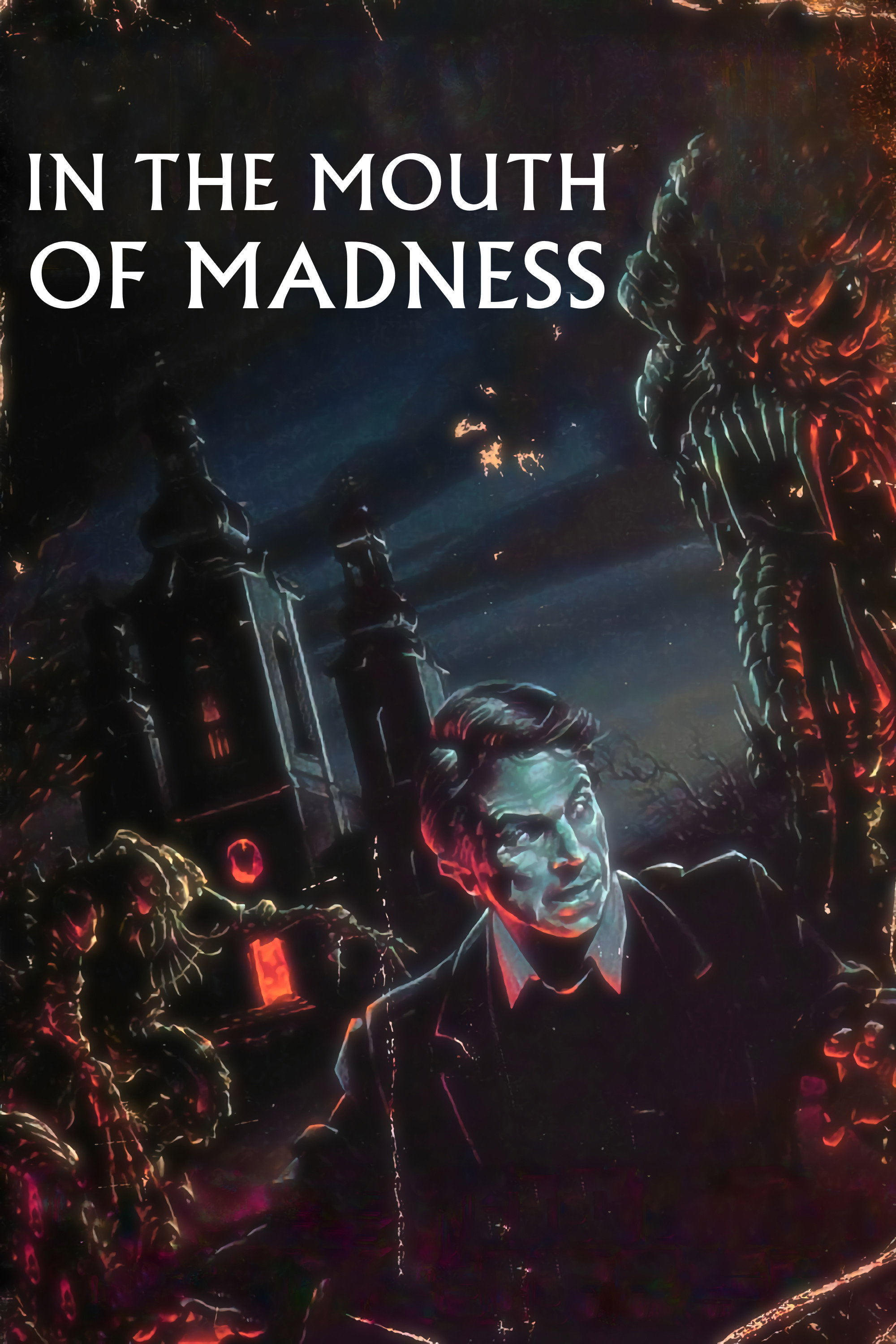
In the Mouth of Madness: When John Carpenter Swallowed Lovecraft (And Spat Out Our Sanity)
⚡Del mismo director (John Carpenter): analiza la evolución o degradación de su estilo.
John Carpenter delivers a Lovecraftian nightmare with Sam Neill teetering on the edge of the abyss. A masterpiece of cosmic horror or a self-parody with literary pretensions? Here’s the autopsy.
 🔥 Fusión Nuclear8.5
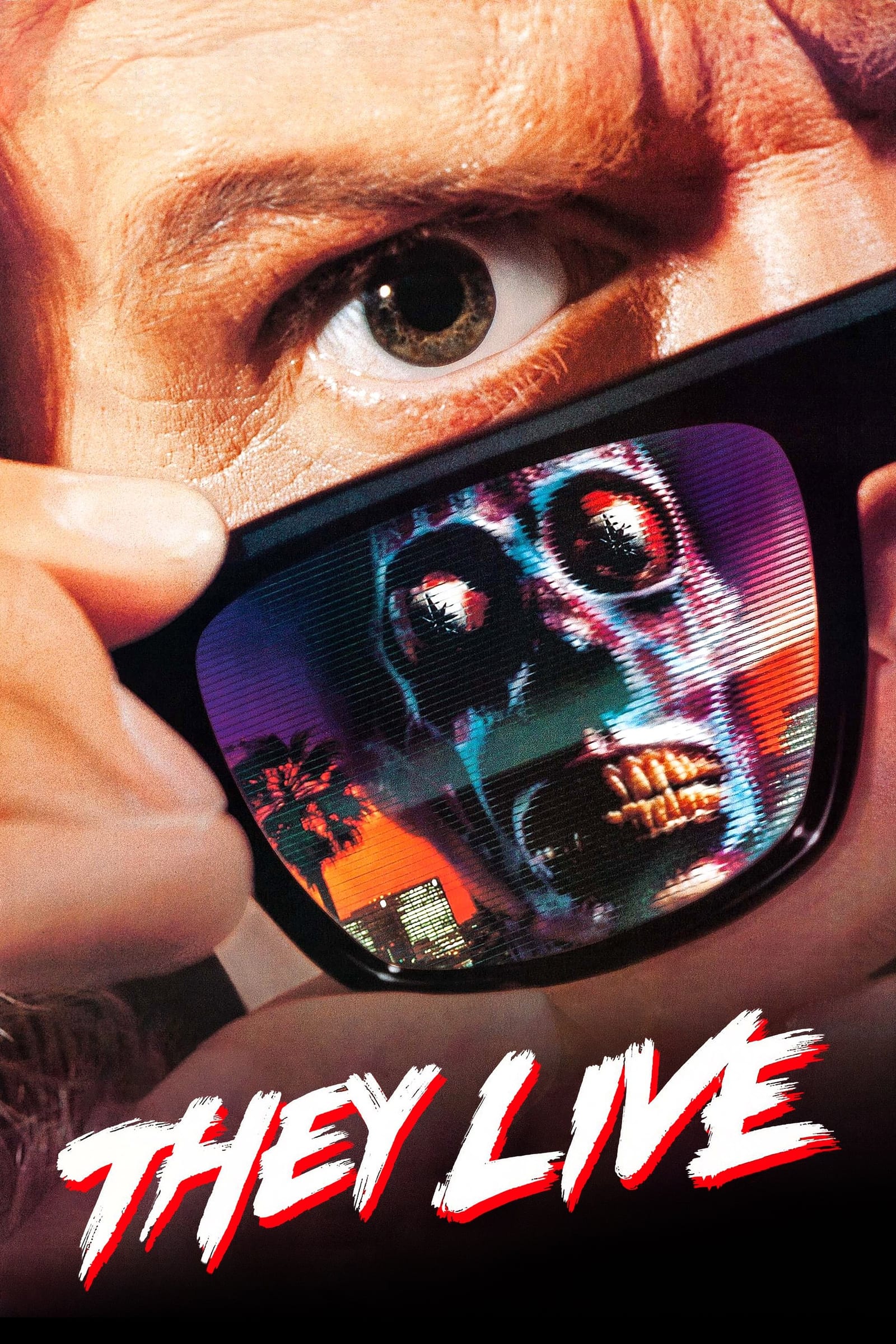
"They Live: The Satire Capitalism Would’ve Buried Alive (If It Hadn’t Already Sold It as Merch)"
⚡Del mismo director (John Carpenter): analiza la evolución o degradación de su estilo.
In 1988, John Carpenter handed us a shattered mirror of alienating consumerism. Today, it’s a meme with legs—but its acid still burns hotter than a Monopoly bill on Wall Street.
Editorial Ecosystem
Cinephile connections, archive interviews and related analyses.
💬 Debate Cinéfilo & Autopsia de Lectores
0 veredictos¿Discrepas con nuestra nota? ¿Es una obra maestra o veneno puro? Deja tu veredicto abajo sin necesidad de registro.

Aún nadie ha dejado su veredicto para esta película.
Sé el primero en clavarle el colmillo rellenando el formulario de arriba.