V/H/S/Mixtape — Analog Necropolitics and Resistance on Magnetic Tape
Dante Sangre dissects V/H/S/Mixtape, an autopsy of the analog format as a cultural trench against contemporary tyrannical digital surveillance.
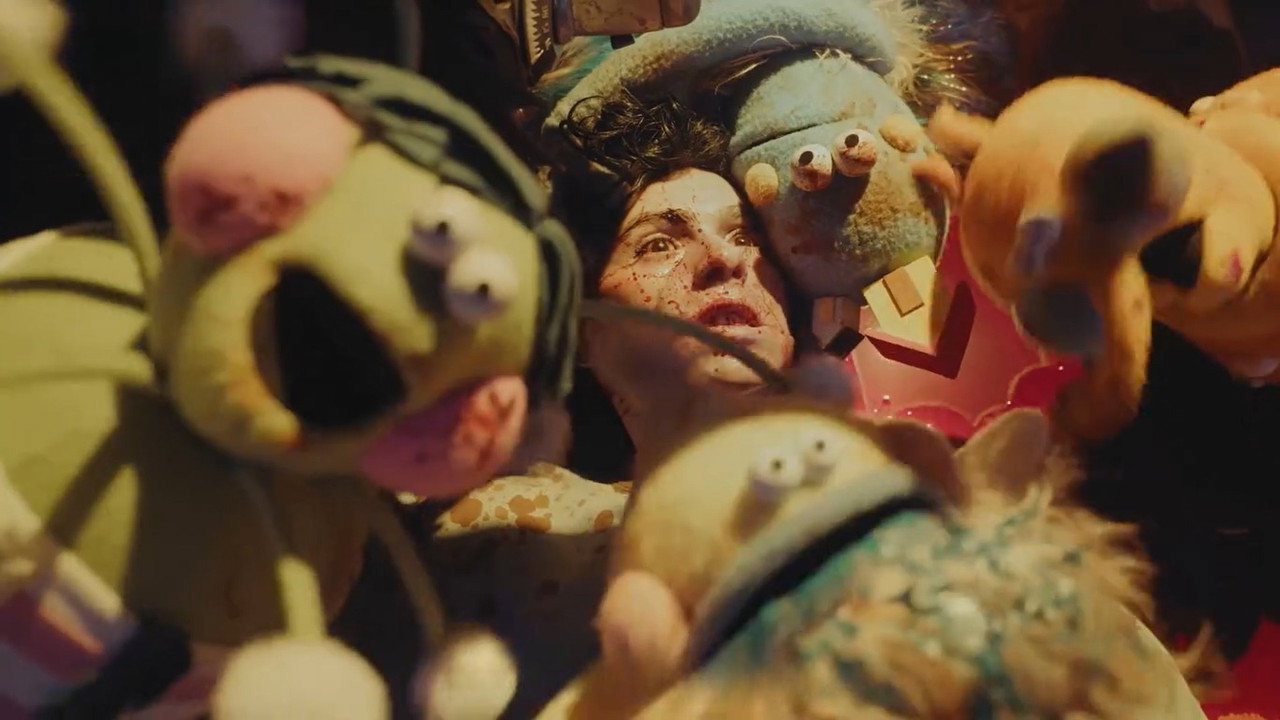
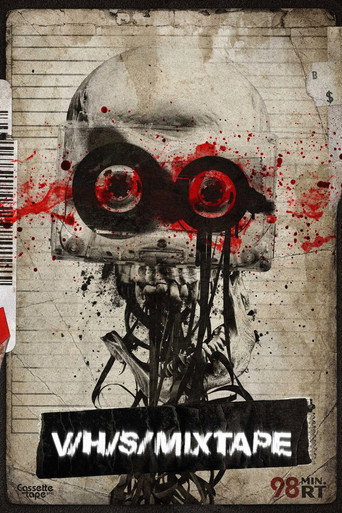
V/H/S/Mixtape: full review
The most resilient anthology franchise in contemporary horror returns with a proposition that thoroughly disorients algorithm purists. Far from settling for recycling discount jump scares for streaming platforms, this installment operates as a subversive artifact. The choice of format does not respond to a mere nostalgic pose for flea-market collectors. It is a profoundly political statement of intent regarding the loss of privacy in the digital age. In a world where every move is tracked, recorded, and monetized, the cassette tape stands as the ultimate refuge of opacity. It is the space where error is possible, where the signal degrades and, therefore, where identity can breathe without being devoured by the tyrannical transparency of modern lenses. It is cinema made of junk, rust, and scotch tape, an aesthetic that smells of dampness and ancient fear.
The presence of figures like RZA and Flying Lotus in the creative department is not an empty PR stunt. Nineties underground hip-hop understood magnetic media as a channel of resistance against the industrial centralization of sound. Exactly the same thing happens here with the moving image. Magnetic interference functions as an ontological shield where identity can be distorted without being devoured by the tyrannical transparency of modern lenses. It is cinema made of junk, rust, and scotch tape. This is not about imitating the past, but using its scars as armor. The grainy texture is not an Instagram filter; it is an open wound on the screen's surface that forces the spectator to look closely, to embed themselves in the very matter of the medium.
Faced with the plastic sterility that dominates current box offices, this production by Spooky Pictures and Shudder rescues the texture of the imperfect. Zoe Cooper's script avoids empty solemnity and embraces the visceral chaos of the medium. There is no room here for clean morals or corporate redemption arcs. The characters move through hostile territories where the only law is the degradation of the physical medium. The spectator witnesses a systematic demolition of high definition as a mandatory aesthetic standard. Each leap in visual quality between segments is not a technical glitch, but a narrative choice reflecting the fragmentation of contemporary reality. The story doesn't flow; it cuts, it skips, it gets lost in the static, just as memory gets lost in a brain saturated with information.
The best
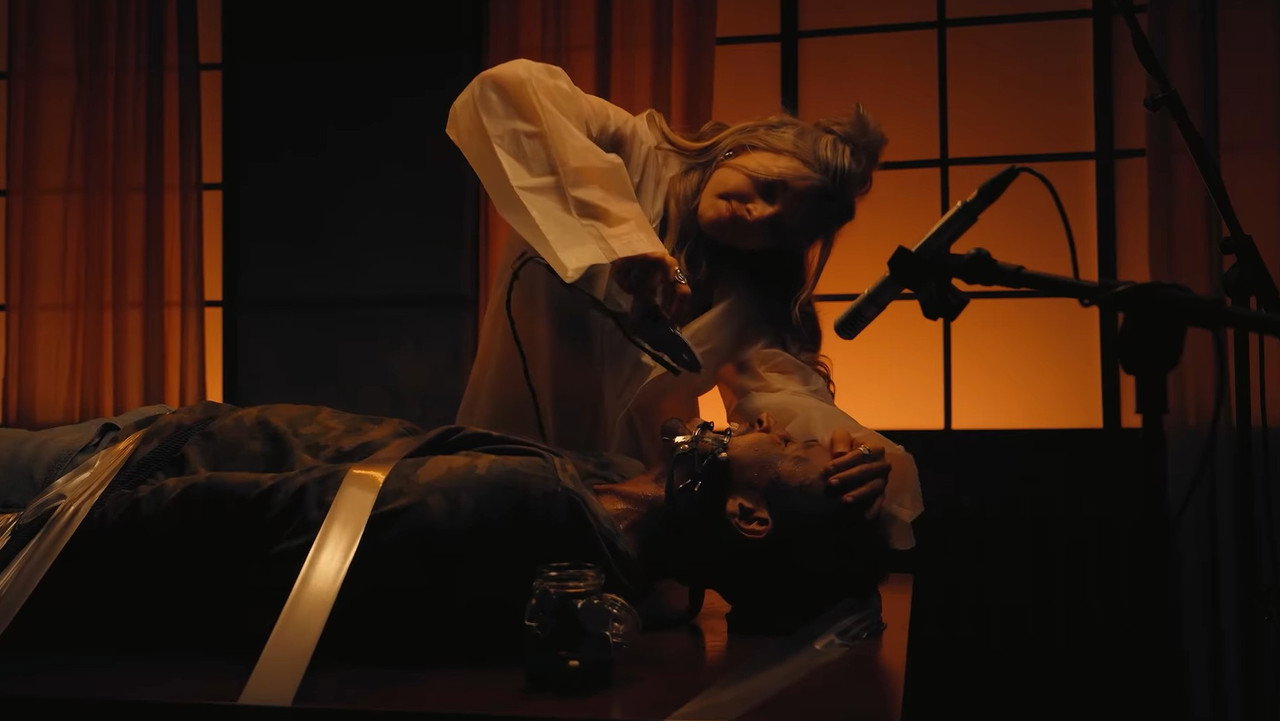
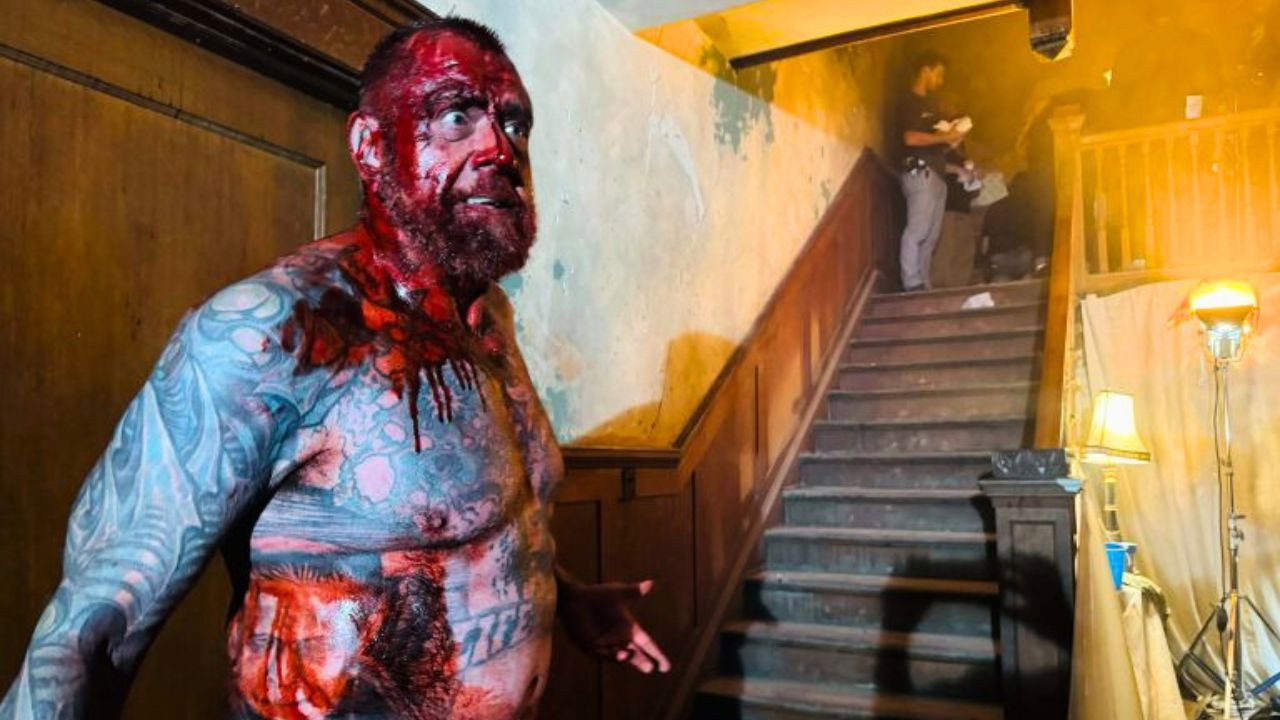
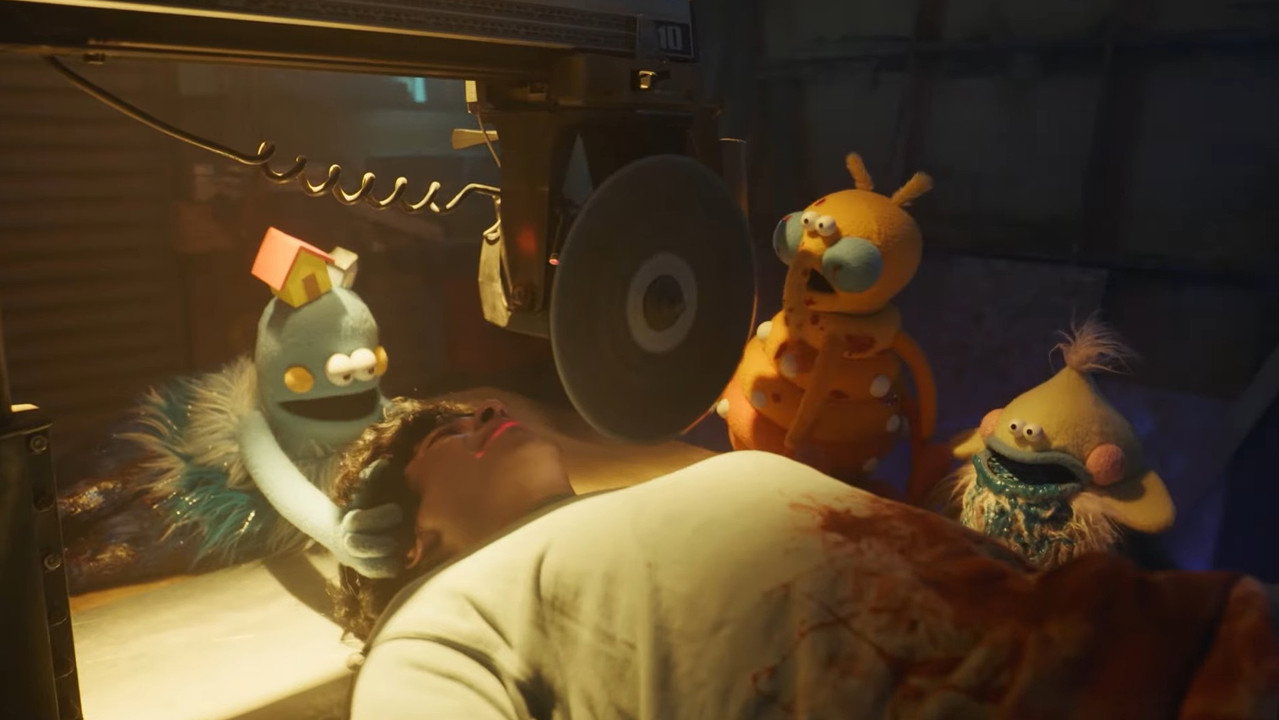
David Moreau and Ernest R. Dickerson thoroughly understand that analog terror lives in off-screen space and the decomposition of the chromatic palette. The camera does not seek photographic beauty, but rather registers the collapse of matter. The framing is tight, claustrophobic, as if the camera lens itself suffered from agoraphobia. Shadows are not decorative; they are living entities crawling across the corners of the screen, devouring the light until only white noise remains. The cast's performances, featuring striking appearances like Barbara Crampton's or the physical presence of Mike Derks, embrace excess without a safety net. No one tries to save the character's dignity because mere survival on the tape is already an assumed defeat. Crampton, a veteran of the Evil Dead saga, brings an almost funeral gravity to her segment, reminding us that horror isn't just screams, but the heaviness of the inevitable. Derks, on the other hand, embodies physical vulnerability with an intensity bordering on the grotesque, transforming his body into an instrument of visual torture.
The worst
The editing of these pieces works through visual lashes that prevent any hint of bourgeois comfort in the audience. There are no smooth transitions, no fades to black allowing the viewer to blink and catch their breath. The soundtrack composed by Tobias Forge channels that industrial unease reminiscent of the finest moments of 80s B-movie horror. The music doesn't accompany the action; it strangles it. The synthesizers buzz at a frequency that seems to vibrate in the spectator's bones, creating a sense of physical rather than emotional unease. Each transition between segments acts as a surgical cut into skin anesthetized by decades of homogeneous audiovisual consumption. The result is a magnetic labyrinth that bites and refuses to let go. The sound of the tape clicking as it advances, the screech of the needle, the constant hum of the amplifier: all these sonic elements become protagonists just as important as the actors. It is a synesthetic experience where the ear sees and the eye hears, breaking down traditional barriers of cinematic perception.
The best
- Aesthetic resistance: The courageous use of analog texture as a shield against the dictatorship of the pixel. It's not nostalgia; it's a political stance against digital perfection.
- Plural authorship: The contribution of musical minds like RZA and Flying Lotus who dynamite traditional narrative structure. The rhythm of hip-hop permeates the editing, creating a unique cadence within the genre.
- Physical commitment: A cast fully surrendered to the grotesque and excess without moral alibis. Blood is not a digital effect; it is matter, it is weight, it is reality.
The worst
- Rhythmic unevenness: Some intermediate segment gets tangled in its own plot confusion, losing the punch of the initial impact due to an excess of explanation.
- Format exhaustion: The constant danger that the VHS gimmick starts plagiarizing itself. If everything is noise, noise ceases to be a signal and becomes mere decoration.
The Verdict of Claqueta Ácida
V/H/S/Mixtape proves that we can still bleed on magnetic celluloid before the server wipes our memory. A jolt of raw electricity that spits right in our faces about the urgency to keep burning screens. This is not a movie to watch calmly, but to suffer intensely. It is a reminder that technology is not neutral, and that the way we store our stories determines how we remember them. 💀
🎬 Tráiler Oficial
Abrir en YouTube
V/H/S/Mixtape: frequently asked questions
- What is the rating of "V/H/S/Mixtape" on Claqueta Ácida?
- "V/H/S/Mixtape" scored 7.2/10 on Claqueta Ácida in the review by Dante Sangre.
- Is "V/H/S/Mixtape" worth watching?
- With reservations. We gave it 7.2/10 (Citric Acid), our rating for uneven films with something worth saving.
- Who directed "V/H/S/Mixtape"?
- "V/H/S/Mixtape" was directed by David Moreau, Renee Zhan, RZA, Ernest R. Dickerson, Flying Lotus, Tobias Forge.
Theater Collateral Damage Report
Psychophysical impact certificate issued by Dante Sangre
Cero opciones de pestañear cuando la estática interrumpe la pantalla.
No buscas el reloj; buscas el botón de reproducción manual.
Café negro bien cargado, servido en taza mugrienta.
"Cada salto de pista donde el sonido crudo devora la nitidez corporativa."

The rebuttal from Valeria Von Doom (Cinematic Haute Couture)
In stark disagreement with the review given by Dante Sangre.
“Me atrevo a calificar V/H/S/Mixtape con un 4.7/10, pues su pretensión de rebeldía estética se desvanece bajo una ejecución tan torpe que roza lo ordinario. La supuesta exaltación del formato analógico como refugio de la intimidad resulta una mera excusa para reciclar clichés de terror barato, sin la sutileza de una composición visual digna de una galería. Los segmentos, aunque firmados por nombres de renombre, carecen de ritmo y de una narrativa coherente; la edición se siente fragmentada como un collage de recuerdos sin curaduría. La atmósfera húmeda que tanto alardean no trasciende la estética chabacana, y el sonido, lejos de ser una declaración, se percibe como un artificio grotesco que busca impresionar sin sustancia. En definitiva, una pieza falto de gracia, más adecuada para un mercadillo que para la alta costura cinematográfica.
💬 Community Verdict
What did you think of the film? Rate it from 0 to 10 to compare it with the editorial review.
You haven't voted yet
📢 ¿Te ha gustado el ácido?
Comparte esta crítica con tus amigos cinéfilos o desata la polémica en redes.
⚡ THE CINEMATIC VENOM YOUR INBOX CRAVES
No sugarcoated ratings, no corporate fluff. Subscribe for our uncensored weekly analysis or join the private Telegram for press previews, poll clashes, and instant alerts.
Alertas de estrenos en 1 segundo, encuestas en caliente y audios al salir de pases de prensa.
Recibe la dosis semanal en tu mail + regalo inmediato del PDF con 50 joyas ocultas de culto.
Related Reviews
Recommended autopsies for demanding film buffs.
 ⚠️ Ácido Sulfúrico 3.2
On the Run: A Senseless Sprint
⚡ Afinidad temática directa en atmósfera, estilo y fijaciones visuales.
A marathon of clichés and marketing sweat that leaves the audience feeling like they've run in circles. 💀
 ⚡ Ácido Cítrico 6.8
Azrael: Samara Weaving and the Hell of Silence
⚡ Afinidad temática directa en atmósfera, estilo y fijaciones visuales.
E.L. Katz and Simon Barrett deliver a brutal, relentless mute survival horror film where Samara Weaving once again proves why she is the modern scream queen.
 ⚡ Ácido Cítrico 6.9
Beetlejuice Beetlejuice: Tim Burton Shits the Bed Again—With Style
⚡ Afinidad temática directa en atmósfera, estilo y fijaciones visuales.
Tim Burton resurrects his most iconic creature, but the script is a Frankenstein’s monster of stale jokes and half-digested nostalgia. Keaton still rules, but this reeks of easy money.
Editorial Ecosystem
Cinephile connections, archive interviews and related analyses.
💬 Debate Cinéfilo & Autopsia de Lectores
0 veredictos¿Discrepas con nuestra nota? ¿Es una obra maestra o veneno puro? Deja tu veredicto abajo sin necesidad de registro.


Aún nadie ha dejado su veredicto para esta película.
Sé el primero en clavarle el colmillo rellenando el formulario de arriba.