Ending Explained: The Matrix
The Revolution That Rewired Cinema’s Brain

💡 How does The Matrix end?
At the end of The Matrix, Neo revives with the ability to manipulate its code and effortlessly destroys Agent Smith. Afterward, he remains in the simulation while the electromagnetic pulse neutralizes the Sentinels. Finally, Neo promises humanity a world of limitless possibilities before taking flight.
What happens at the end
Following Cypher’s betrayal, Tank kills him before he can finish off the others. Morpheus, who had been captured by Agent Smith to get the access codes to Zion, is rescued when Neo and Trinity re-enter the Matrix. In the real world, the Sentinels attack the Nebuchadnezzar; Trinity stays by Neo's body and confesses her love, remembering that the Oracle had predicted she would fall in love with the One. Inside the Matrix, Neo revives with the ability to perceive and manipulate its code, effortlessly destroys Agent Smith, and remains inside the simulation just as the ship's electromagnetic pulse neutralizes the Sentinels. The film closes with Neo communicating with the system, promising humanity a world of limitless possibilities, before taking flight.
What it means
The ending of The Matrix is an exercise in philosophical arrogance disguised as action. The Wachowskis tell us that redemption comes not from technology, but from blind faith in oneself—literally. The "red pill" wasn't a pill, it was a decision of the ego. By dying and being reborn, Neo stops being a hacker exploiting bugs and becomes the system administrator. He is the archetype of the secular Messiah: he doesn't save humanity from the machines, he becomes the machine himself, but with style.
The symbol of the final flight is obscenely pretentious. It is not a physical liberation, it is a metaphysical ascension. The film sells us the idea that reality is a software cage and that the only escape is accepting that you are the god of that cage. It is a critique of determinism that ends up being an endorsement of solipsism. Neo doesn't break the chains; he puts on the chains and decides they are made of gold. It is sci-fi cinema looking in the mirror and seeing itself as the only possible savior, wrapped in black leather and a smirk that hurts more than any slow-motion bullet.
What is left open
The film does not resolve the fate of Zion nor how Neo, now an entity capable of manipulating code, plans to face the machines in the real world. His promise to show a "world of limitless possibilities" is vague and does not explain the mechanism of that liberation. Furthermore, the exact nature of his new relationship with the system—whether he is an ally or a new virus—is left ambiguous so that the viewer can fill the void with their own conspiracy theories.


As an Amazon Associate, Claqueta Ácida earns from qualifying purchases.
🎬 Official Trailer
Abrir en YouTube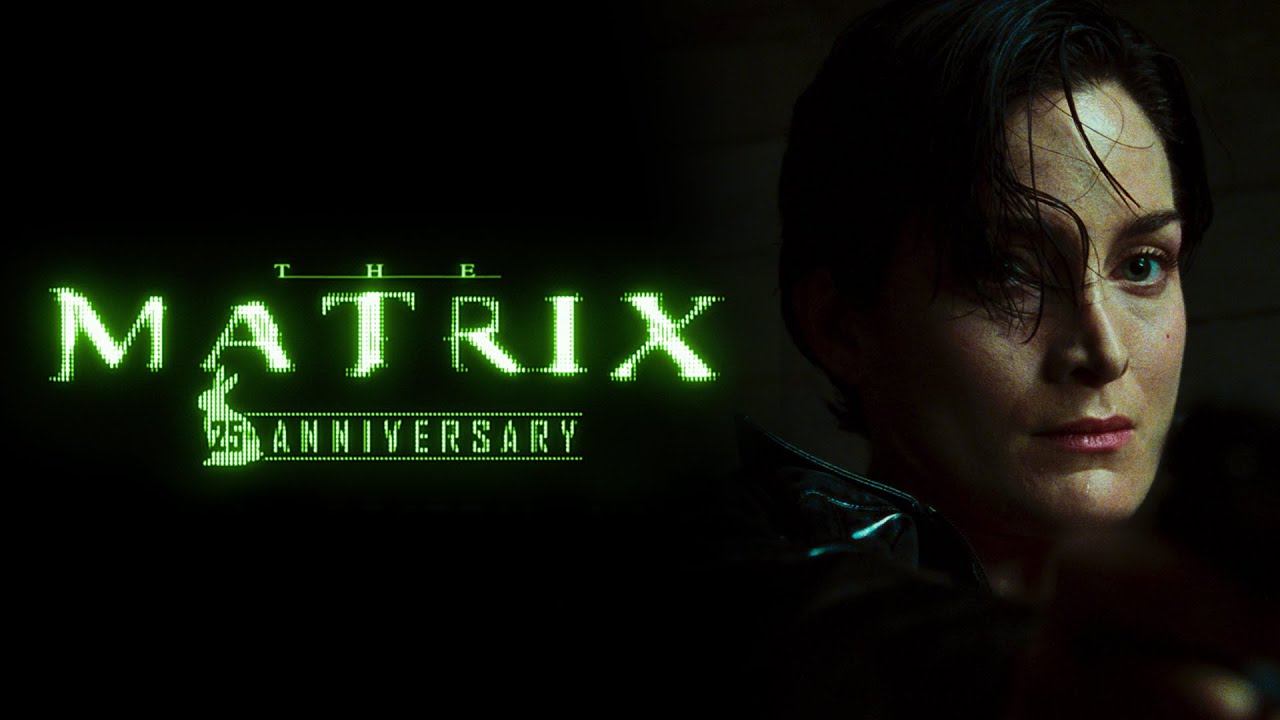
More endings explained
- Insidious: ending explained
- Snatch: Dogs and Diamonds: ending explained
- Sleepers: ending explained
- Living Cemetery: ending explained
- The Shawshank Redemption: ending explained
- Cape Fear: ending explained