Blue Ruin (2013) — Revenge as a DIY Disaster and the Pontiac as a Metaphor for Self-Destruction
Jeremy Saulnier reinvents the revenge genre with a stark, tense, and brutally realistic portrait of violence’s disastrous consequences.

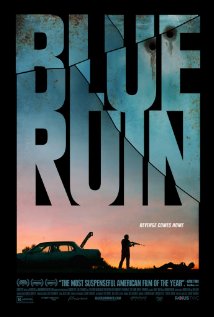


Blue Ruin (2013): Revenge as an Existential Botch Job and the Pontiac as a Metaphor for Self-Destruction
In a cinematic landscape oversaturated with trauma-controlled superheroes and hitmen with more style than a Gucci runway show, Blue Ruin emerges like a spit in the face of the industry. Jeremy Saulnier, a cinematographer turned filmmaker with more guts than budget, decided it was time to dismantle the myth of the cool revenge tale and replace it with something far more uncomfortable: reality. And reality, dear readers, is that killing someone isn’t a poetic or stylized act—it’s a chain of mistakes, cold sweats, blood staining car seats, and decisions so stupid they make the audience clutch their heads in collective despair.
The film kicks off with Dwight (Macon Blair, in a performance that should’ve won an Oscar just for the sheer volume of genuine panic in his eyes), a guy living in a rusted-out blue Pontiac like some modern-day hermit, dumpster-diving and sleeping on deserted beaches. His life is a poem to defeat—until news shakes him: the killer of his parents, Wade Cleland (Billy Blair, yes, same last name, because nepotism in indie cinema is as real as the blood in this movie), is getting out of prison. Dwight, with no plan, no skills, and nothing but self-destructive instinct, decides it’s time to deliver justice. Or something like it.
Revenge as a Masterclass in Human Incompetence
What makes Blue Ruin a masterpiece isn’t its plot—let’s be honest, it’s as simple as a "How to Ruin Your Life in Three Acts" manual—but its obsession with the grimy, physical reality of violence. Saulnier doesn’t beat around the bush: there are no bullets curving mid-air, no heroes dodging gunfire with grace. Dwight is a walking disaster. His first attempt at murder is so clumsy it looks like a poorly edited YouTube tutorial. He cuts his hands with the knife, his guns jam, and when he finally fires a shot, his aim is about as precise as a drunk at a carnival shooting gallery. But the brilliance lies in the fact that the audience doesn’t laugh at him—they laugh with him, because we’ve all felt that mix of determination and terror when facing the unknown.
The film is built like a clockwork mechanism of suspense, each scene advancing with the precision of a train about to derail. Saulnier, who also handles the cinematography, uses natural light and Delaware’s rural landscapes to create an oppressive atmosphere where silence is so thick you could cut it with a rusty knife. The shots are long, static, almost documentary-like, as if the director wants to remind us that violence isn’t glamorous—it’s slow, dirty, and exhausting. There’s one scene in particular, where Dwight tries to remove an arrow from his thigh in a public restroom, that’s so painfully realistic you can almost smell the cheap antiseptic and nervous sweat.
The Blue Pontiac: A Symbol of a Rusting America
Dwight’s car isn’t just a vehicle—it’s a character in its own right. That blue Pontiac, with its peeling paint and interior reeking of despair, is the perfect metaphor for its owner: an object that once had value but now only serves as a reminder of how little is left. Saulnier films it with almost fetishistic affection, as if he knows this car is the last shred of Dwight’s dignity. And when the Pontiac finally becomes an active part of the plot—in a scene blending black comedy with pure terror—you can’t help but feel a pang of nostalgia for that hunk of junk, the only witness to its owner’s downfall.
The Cast: When Actors Feel Like Real People (Not Hollywood Stars)
Macon Blair is, without a doubt, the beating heart of Blue Ruin. His performance is so raw it feels less like acting and more like a documentary on anxiety. Blair doesn’t act fear—he lives it, with those wide, panicked eyes, trembling hands, and the way he moves as if the ground were mined. He’s the perfect antihero: an ordinary guy, with no special skills, dragged into a spiral of violence by sheer emotional inertia.
The rest of the cast delivers, especially Devin Ratray (yes, Buzz from Home Alone, but here playing a guy scarier than a clown with an axe) and Amy Hargreaves, who nails the role of Sam, Dwight’s sister, whose look of disappointment is deadlier than any firearm. Even Eve Plumb, Jan from The Brady Bunch, shows up in a cameo so unexpected and satisfying it’s as if Saulnier wanted to remind us that the past always comes back, even if it’s in the form of a ‘70s sitcom actress.
The Soundtrack: Silence as a Lethal Weapon
One of Blue Ruin’s greatest strengths is its absence of music. Saulnier almost entirely forgoes a traditional score, letting ambient sounds—the crunch of leaves, the Pontiac’s engine, footsteps on gravel—build tension. When something resembling a melody finally plays, it’s so subtle it feels like a whisper from fate. It’s a risky approach, but it works perfectly because silence is the best ally of suspense.
Cinematic Comparisons: Between Neo-Noir and Rural Slasher
Blue Ruin draws from many sources but transcends them to create something unique. It has the oppressive atmosphere of No Country for Old Men, minus the Coens’ philosophical nihilism. There’s the grimy realism of Winter’s Bone, but without Debra Granik’s social commentary. And, of course, there’s the family revenge angle, reminiscent of True Grit (the Coen version, not John Wayne’s), though with fewer witty one-liners and more blood on the shoes.
But where Blue Ruin truly stands apart is in its rejection of violence’s mythologization. Saulnier doesn’t glorify his protagonist; he exposes him for what he is: a common man pushed into doing something extraordinarily stupid. There’s no redemption, no lessons learned, just the endless cycle of hatred and human folly.
The Middle Act: When the Pace Takes a Breather (And It’s Not Necessarily a Bad Thing)
It’s true that after the first bloody climax, the film slows down slightly. But this isn’t a flaw—it’s a narrative choice. Saulnier isn’t in a hurry because revenge isn’t a sprint; it’s a marathon of bad decisions. This section develops the relationship between Dwight and his sister and shows how the past always finds a way to drag you back, like a ghost in the form of a blue Pontiac.
The Ending: When Blood Mixes with Rain (And the Audience Is Left Breathless)
The third act of Blue Ruin is a rollercoaster of violence, betrayals, and moments so tense you can almost taste the metallic tang of blood in your mouth. Saulnier doesn’t hold back: there’s a home invasion so chaotic and realistic it looks like it was filmed on a security camera. There are no heroes, no clear villains—just a group of ordinary people doing horrible things because they don’t know how to do anything else.
And then there’s the ending. No spoilers, but suffice it to say it’s so brutally honest it hurts. There are no morals, no poetic justice, just the reminder that revenge isn’t a circle that closes—it’s a wound that never stops bleeding.
finalExplicado: "Dwight logra por fin acorralar a Wade, el asesino de sus padres, pero su venganza se convierte en un desastre caótico: lo apuñala torpemente en un descampado, lo remata de forma patética y acaba herido y cubierto de sangre. La familia de Wade contraataca de inmediato. En el clímax final, Dwight irrumpe en la casa de los Rednecks armado hasta los dientes, solo para descubrir que su hermana ya ha sido asesinada. En un último arrebato, mata al resto de la familia en un tiroteo torpe y sangriento, hasta que él mismo cae mortalmente herido. Simbólicamente, el desenlace destruye el mito del justiciero competente: la venganza no redime ni cierra ciclos, solo multiplica el horror y devora al vengador. Dwight no es héroe, es un perdedor que arrastra a todos al abismo. La violencia no es catarsis, es una chapuza autodestructiva que deja solo cadáveres y vacío."
The Best
- Macon Blair: an actor who turns panic into art. His eyes could be sold as weapons of mass destruction on the suspense black market.
The Worst
Dwight makes decisions so stupid you wonder if his Pontiac shouldn’t come with a "How Not to Die Trying"* manual.- The pace slows in the second act, as if the film needs a moment to catch its breath before plunging into the abyss.
The Verdict of Claqueta Ácida (9/10)
Blue Ruin is the perfect antidote to sugarcoated revenge cinema full of empty one-liners. Jeremy Saulnier delivers a masterpiece of rural suspense, where violence isn’t a spectacle—it’s a self-inflicted curse. With a Macon Blair who steals the soul of the screen and cinematography that turns rust into poetry, this film is a reality slap in a genre used to cardboard heroes. If you’re looking for a thriller that leaves you breathless, white-knuckled, and morally shredded, Blue Ruin is your movie. Just don’t say we didn’t warn you before getting into a rusted Pontiac afterward. Or do. After all, human stupidity has no cure. 🩸🔫🎬 Tráiler Oficial
Abrir en YouTube
Ending Explained: Blue Ruin (2013)
Ficha de Daños Colaterales en Sala
Certificado de impacto psicofísico emitido por Héctor Veneno
Ni un solo parpadeo voluntario. El asiento, inusualmente cómodo.
El móvil permaneció en el bolsillo donde debía estar.
Ninguna. Esta obra no necesita muletas estimulantes.
"No aplica. La obra se sostiene sola."
💬 El Veredicto de la Comunidad
¿Qué te ha parecido la película? Deja tu nota de 0 a 10 para contrastarla con el análisis de la redacción.
Aún no has votado
📢 ¿Te ha gustado el ácido?
Comparte esta crítica con tus amigos cinéfilos o desata la polémica en redes.
⚡ THE CINEMATIC VENOM YOUR INBOX CRAVES
No sugarcoated ratings, no corporate fluff. Subscribe for our uncensored weekly analysis or join the private Telegram for press previews, poll clashes, and instant alerts.
Alertas de estrenos en 1 segundo, encuestas en caliente y audios al salir de pases de prensa.
Recibe la dosis semanal en tu mail + regalo inmediato del PDF con 50 joyas ocultas de culto.
Related Reviews
Recommended autopsies for demanding film buffs.
 🔥 Fusión Nuclear9.3
*Green Room*: Punk Rock, Butcher Knives, and a Lethal Chokehold in a Neo-Nazi Bunker
⚡Del mismo director (Jeremy Saulnier): analiza la evolución o degradación de su estilo.
Jeremy Saulnier delivers an ultra-violent, claustrophobic survival thriller that traps a punk band in a deadly, inescapable nightmare.
 🔥 Fusión Nuclear8.5
*Alleluia: Love as a Terminal Illness (or How to Turn Crimes of Passion into a Sweaty, Fleshy Spectacle)*
⚡Afinidad temática directa en atmósfera, estilo y fijaciones visuales.
Fabrice Du Welz reimagines the myth of the lonely hearts killers in a feverish whirlwind of jealousy, submission, and blood, led by Lola Dueñas in a performance that’s equal parts hypnotic and harrowing.
 🔥 Fusión Nuclear8.5
*High Tension (Haute Tension): The Brutal Birth of the New French Extremism – Or How to Turn Flesh into Poetry with a Machete*
⚡Afinidad temática directa en atmósfera, estilo y fijaciones visuales.
Alexandre Aja shocked global screens with a relentless rural bloodbath, redefined by breakneck pacing and a divisive twist that splits serious cinephiles right down the middle.
Editorial Ecosystem
Cinephile connections, archive interviews and related analyses.
🎞️ In Claqueta Cinematheque1
💬 Debate Cinéfilo & Autopsia de Lectores
0 veredictos¿Discrepas con nuestra nota? ¿Es una obra maestra o veneno puro? Deja tu veredicto abajo sin necesidad de registro.

Aún nadie ha dejado su veredicto para esta película.
Sé el primero en clavarle el colmillo rellenando el formulario de arriba.