The White Ribbon — The Silence That Screams (And No One Bothered to Listen)
Haneke dissects fascism with a silver scalpel in stark black and white. Cold, cruel, and essential. 9.2/10, but don’t you dare watch it on a Sunday.


The White Ribbon: full review


The projector spits light onto the screen like a verdict. The White Ribbon begins with a static shot of a rural German landscape, so serene it aches. It’s 1913, but Haneke isn’t filming a period drama: he’s exhuming Europe’s corpse before anyone even knew it was dead. The Austrian director, that surgeon of human cruelty, chooses black and white not for nostalgia, but because color would distract from the real horror: purity as a mask for rot. Christian Berger, his cinematographer, lights every scene as if it were a Rembrandt painting, but instead of saints, he portrays monsters in their Sunday best. The white ribbon of the title isn’t an ornament: it’s a symbol of enforced purity, an invisible shackle adults tie around their children’s arms—only to complain when they bite back.
Haneke doesn’t believe in coincidence. Every accident in the village—the baron’s horse tripping over wire, the doctor’s son falling from a tree, the blind girl being raped—is a link in a chain of violence no one dares to name. The script, written by the director himself, is a score of silences and stares. Dialogue is sparse, but when it comes, it cuts like a blade. “God sees everything,” the pastor tells his children as he whips their hands with a ruler. The irony is so thick you could slice it with a knife. The cast, mostly unknowns, achieves something terrifying: every character is both victim and executioner. Christian Friedel, as the young teacher narrating from a distant future, is the only one who tries to understand, but Haneke ensures his voice sounds like a whisper in a hurricane.
The editing is relentless. There’s no music, just ambient sound: the creak of branches, a child’s muffled sob, the uncomfortable silence after a slap. Haneke doesn’t need a score because the terror is in the details: the white ribbon the pastor forces his children to wear, the dead bird left on the midwife’s doorstep, the children’s smiles when the doctor suffers an “accident.” The film moves like a runaway train, but instead of speeding up, it slows time until every second feels like an eternity. This is cinema in its purest form: uncomfortable, necessary, and deeply human—precisely because it shows how inhuman we can be.
The historical context isn’t a backdrop; it’s the real protagonist. Haneke sets the action in 1913, a year before World War I, but this isn’t a film about war. It’s a film about what made war possible: blind obedience, religious hypocrisy, normalized violence. The director doesn’t judge; he merely observes, and that detachment is what makes The White Ribbon so unbearable. There are no clear villains, just a rotten system corrupting everyone equally. The children, with their white ribbons and hollow stares, are Germany’s future. And as we know, the future didn’t end well.

Direction and Mise-en-scène: Cold as a Language
Haneke doesn’t film; he dissects. Every shot is an autopsy of human morality. The camera, mostly static, acts as a silent witness, as if God himself had decided to look away. The frames are symmetrical, almost geometric, but that formal perfection only serves to highlight the chaos lurking beneath the surface. The director wields off-screen space like a weapon: we never see explicit violence, but we feel it in every pore. When the doctor falls from his horse, the camera doesn’t follow the action; it lingers on his son’s face, watching with an indifference that freezes the blood. Off-screen space as metaphor: what you don’t see is what truly matters.
The mise-en-scène is minimalist to the point of obsession. No ornate sets, no flashy costumes. Everything is austere, as if the village itself were a character—one that judges and condemns. Interiors are lit with a cold, harsh light, as if the walls themselves were sweating guilt. Haneke doesn’t need special effects because the real horror lies in the everyday: a father beating his son, a mother ignoring her daughter’s cries, a doctor abusing his patient. The white ribbon tied around the children’s arms isn’t a symbol of purity; it’s a mark of submission. The mark of Cain in a world that prefers not to see.

Performances: Innocence as a Mask
The cast, mostly non-professionals or unknowns, achieves something extraordinary: every character is both victim and perpetrator. Christian Friedel, as the teacher, is the only one clinging to sanity, but his voiceover sounds like a lament in the void. His performance is restrained, almost timid, as if he knows any act of rebellion would be crushed under the weight of tradition. Leonie Benesch, as Eva, the young nanny, is the film’s broken heart. Her gaze, filled with an ancient sadness, is the only flicker of humanity in a world of shadows.
But the real protagonists are the children. Haneke directs them with calculated coldness, as if he knows they’re Germany’s future. There’s no histrionics in their performances, just an unsettling stillness. When the pastor’s son is whipped by his father, he doesn’t cry; he stares at the camera with an indifference that’s downright chilling. It’s as if he already knows pain is just the price of obedience. The children in The White Ribbon aren’t innocent: they’re accomplices. And that complicity is what makes the film so terrifying.
Cinematography and Sound: Silence as the Soundtrack
Christian Berger, the cinematographer, turns black and white into a language. Every frame is a perfect composition, as if Vermeer had decided to film a nightmare. The light is harsh, almost clinical, as if the sun itself were judging the characters. The contrasts are extreme: whites burn, blacks suffocate. There are no grays in Haneke’s world, only absolutes. When the camera closes in on the children’s faces, it’s as if it’s staring straight into their souls. And what it sees isn’t pretty.
Sound is just as important as the image. There’s no music, just silence and everyday noises: a door creaking, the whisper of a prayer, a child’s muffled sob. Haneke uses sound to build tension, but also to underscore the characters’ hypocrisy. When the pastor preaches about loving thy neighbor, the sound of his children being whipped in the next room is deafening. It’s the sound of Christian morality: a scream stifled in the throat.
The best
- Christian Berger’s cinematography: A masterclass in chiaroscuro. Every frame is a painting that hurts, with light that seems to come straight from hell.
- Haneke’s script: Cold, precise, and merciless. Not a single line of dialogue is wasted, not a single silence goes unnoticed.
- The children’s performances: Terrifying in their stillness. They’re not actors performing; they’re ghosts of the future who already know what’s coming.
- The editing: Relentless. Haneke doesn’t need to speed up the pace because the terror lies in the slowness, in the waiting, in what’s left unsaid.
- The off-screen space: The violence you don’t see is the one that hurts the most. Haneke understands that the real horror is in what we imagine, not in what we’re shown.
The worst
The emotional coldness: Not a flaw, but it can be exhausting. The White Ribbon* isn’t a film to watch with your heart; it’s one to endure with your gut.
- The lack of hope: There’s no redemption, not even a glimmer of light at the end of the tunnel. If you’re looking for comfort, look elsewhere.
- The slow pace: Not a film for the impatient. Haneke demands patience, and if you don’t give it to him, he’ll punish you with his indifference.
- The moral ambiguity: Some viewers might feel frustrated by the lack of clear answers. But ambiguity is the point: evil doesn’t always wear a mask.
The Verdict of Claqueta Ácida
The White Ribbon isn’t a film: it’s a mirror. A mirror fogged with blood, silence, and white ribbons that don’t symbolize purity but submission. Haneke doesn’t judge; he merely observes, and that coldness is what makes his cinema so unbearable—and, at the same time, so necessary. It’s not a masterpiece because it’s perfect, but because it hurts. Because it forces you to look at what you don’t want to see. Because, in the end, we all wear a white ribbon around our arms, even if we don’t realize it. 9.2/10. But don’t watch it if you’re not prepared for the cold. 💀
🎬 Tráiler Oficial
Abrir en YouTube
The White Ribbon: frequently asked questions
- What is the rating of "The White Ribbon" on Claqueta Ácida?
- "The White Ribbon" scored 9.2/10 on Claqueta Ácida in the review by Odin Lagbert.
- Is "The White Ribbon" worth watching?
- Yes. We gave it 9.2/10 (Nuclear Fusion), our rating for must-see films.
- Who directed "The White Ribbon"?
- "The White Ribbon" was directed by Michael Haneke.
Theater Collateral Damage Report
Psychophysical impact certificate issued by Odin Lagbert
Ni un solo parpadeo voluntario. El asiento, inusualmente cómodo.
Ninguna comprobación del tiempo. Se agradece la rareza.
Ninguna. Esta obra no necesita muletas estimulantes.
"Inexistente: pulso de hierro hasta los créditos finales."
💬 Community Verdict
What did you think of the film? Rate it from 0 to 10 to compare it with the editorial review.
You haven't voted yet
📢 ¿Te ha gustado el ácido?
Comparte esta crítica con tus amigos cinéfilos o desata la polémica en redes.
⚡ THE CINEMATIC VENOM YOUR INBOX CRAVES
No sugarcoated ratings, no corporate fluff. Subscribe for our uncensored weekly analysis or join the private Telegram for press previews, poll clashes, and instant alerts.
Alertas de estrenos en 1 segundo, encuestas en caliente y audios al salir de pases de prensa.
Recibe la dosis semanal en tu mail + regalo inmediato del PDF con 50 joyas ocultas de culto.
Related Reviews
Recommended autopsies for demanding film buffs.
 🔥 Fusión Nuclear 8.7
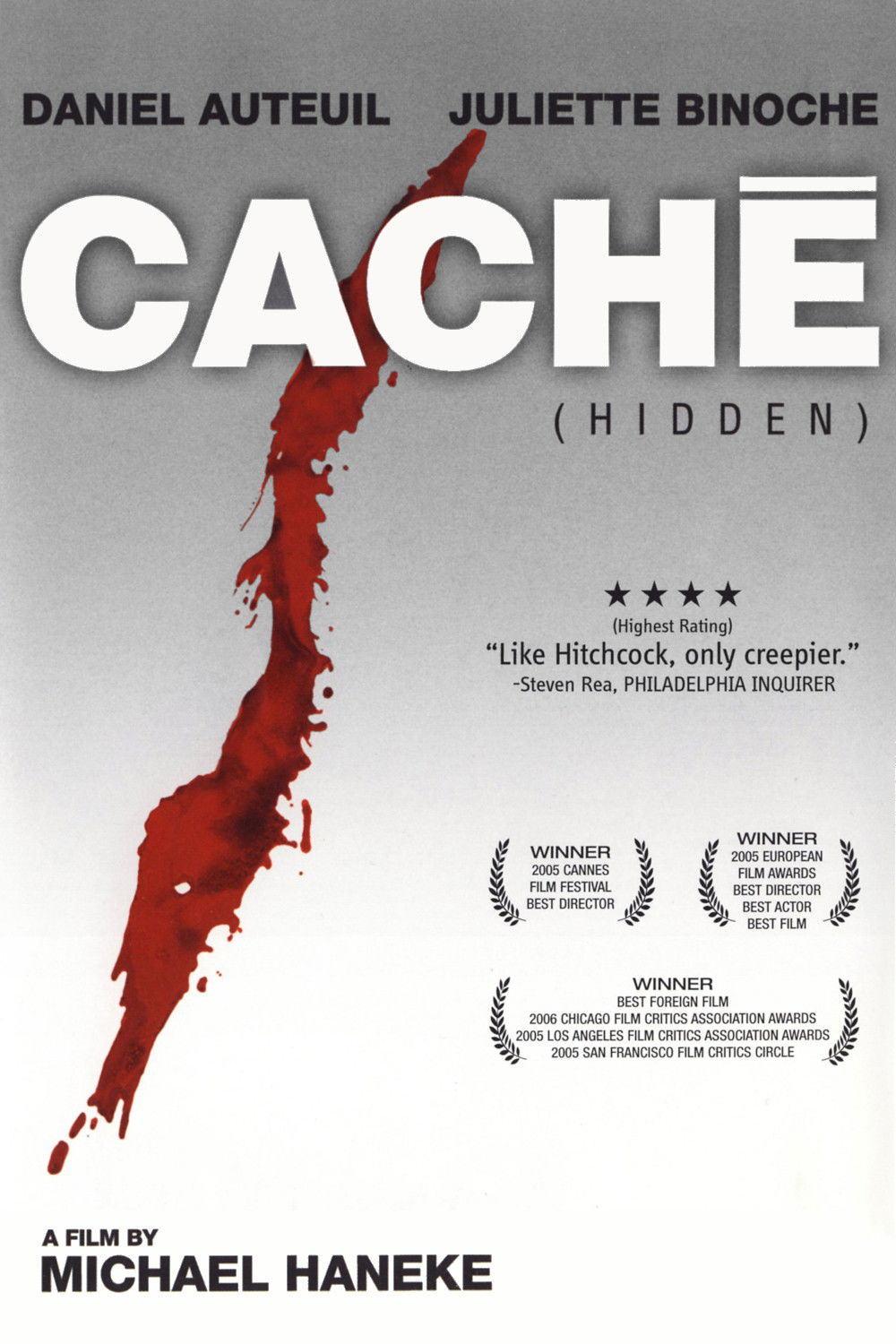
Caché (Hidden): The Silence That Screams and the Guilt That Won’t Forgive
⚡ Del mismo director (Michael Haneke): analiza la evolución o degradación de su estilo.
Michael Haneke dissects the French bourgeoisie with a psychological thriller that stings worse than a switchblade. Or is it just a hall of mirrors?
 🔥 Fusión Nuclear 8.5
*Funny Games*: Haneke Tortures Us with a Sadistic Smile—and We Love It
⚡ Del mismo director (Michael Haneke): analiza la evolución o degradación de su estilo.
A satirical and squirm-inducing review of Michael Haneke’s modern Austrian cinema classic. A meta-cinematic essay that shames the viewer for their thirst for violence.
 🔥 Fusión Nuclear 8.7
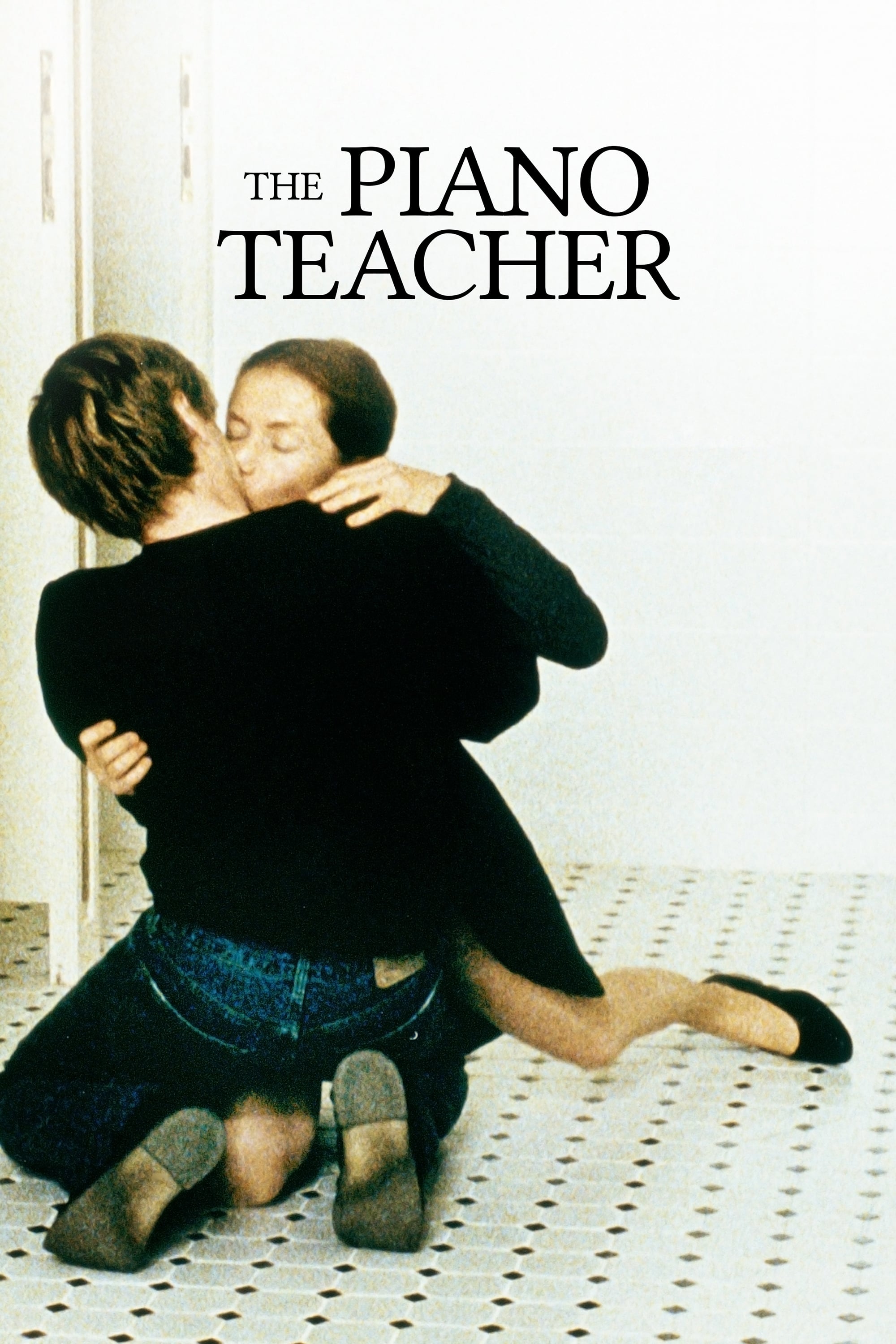
The Piano Teacher: Haneke Flays the Soul with Ivory Keys and Razor Blades
⚡ Del mismo director (Michael Haneke): analiza la evolución o degradación de su estilo.
Isabelle Huppert in a role that burns. Haneke turns the conservatory into an emotional slaughterhouse. Pain, silence, and a mother worse than hell itself.
Editorial Ecosystem
Cinephile connections, archive interviews and related analyses.
🎞️ In Claqueta Cinematheque 3
💬 Debate Cinéfilo & Autopsia de Lectores
0 veredictos¿Discrepas con nuestra nota? ¿Es una obra maestra o veneno puro? Deja tu veredicto abajo sin necesidad de registro.

Aún nadie ha dejado su veredicto para esta película.
Sé el primero en clavarle el colmillo rellenando el formulario de arriba.