Living Cemetery — The Grave That Never Rests
A scathing critique of the 1989 Pet Sematary, caught between nostalgia, horror, and a script that digs itself up with zero enthusiasm.
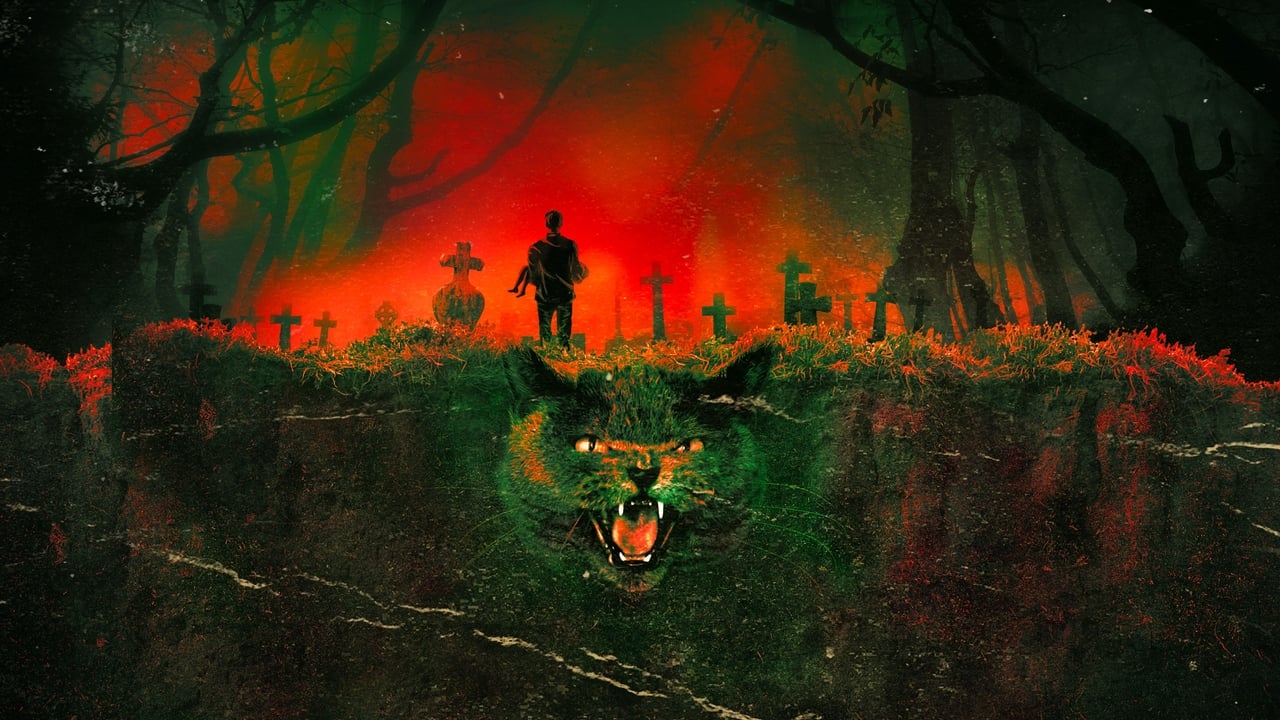
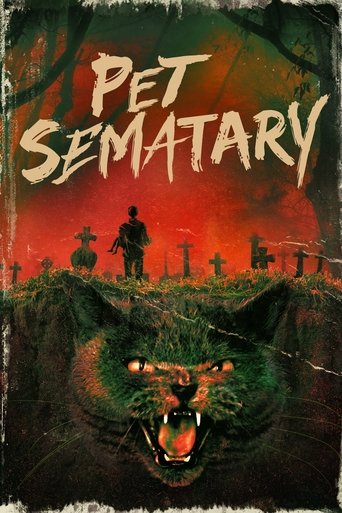
Living Cemetery: full review
1989 was a year of neon excess and fear lurking under the skin. Paramount, with its horror machine, bet on adapting the Stephen King book that had already made readers and critics tremble. Mary Lambert, who had directed the controversial "Pet Sematary" video for the Ramones, took the helm with the intention of mixing supernatural terror with a family tragedy. Filming took place in Maine, in the forests King described with such detail, and the limited budget forced the use of practical effects that today feel more unsettling than any cheap CGI.
The film hits the screen with an atmosphere that feels like an autumn fog: the road crossing the house, the crunch of leaves underfoot, and the Ramones song opening the credits, all marking the tone of a story that aims to be more than a simple jump scare. The visceral first impression is of the child Gage, played by Miko Hughes, running towards the cemetery with an innocence that soon turns grotesque. That scene, with Peter Stein's camera following the little one at ground level, is the one that stuck with me the most: the golden light of the sunset mixes with the shadow of the tree, announcing the horror to come.
At the time, horror cinema was at a crossroads: slashers had saturated the market and directors were looking for a new formula. Lambert, undoubtedly, wanted to give it a psychological twist, but Stephen King's script, although faithful to the book, got trapped between the need to respect the original narrative and the studio pressure to make it more commercial. The result is a film that sometimes feels like a literary adaptation and other times, a piece of 80s marketing.
Contemporary criticism labeled it a "cliché with a good heart," while fans venerate it as a cult piece.
Direction and Staging
Lambert builds her terror with patience, but sometimes patience turns into boredom. The scene of Gage's funeral, with the static camera focusing on the coffin while the family cries, is an exercise in melancholy that works because the sound of the rain hitting the glass and Elliot Goldenthal's music seeps in like a whisper. However, the decision to extend the editing of the dog Church's burial, with cuts that seem to drag, breaks the rhythm and makes the audience lose tension.
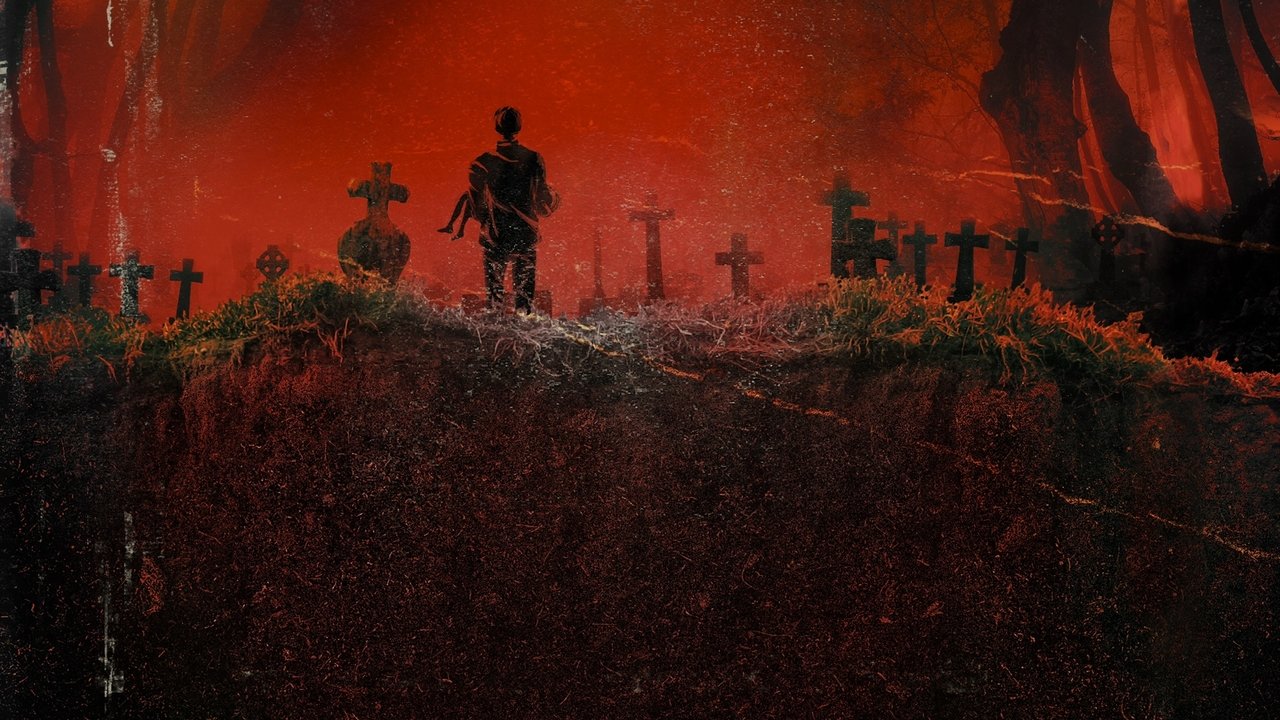
Peter Stein, the cinematographer, uses a muted color palette: moss greens, grays, and the blood red of the Indian cemetery. The framing of the cemetery, with the camera slowly rotating around the tombstone, creates a sense of disorientation that is one of the few truly unsettling visual moments. The staging of the Creed house, with its yellowish walls and dim interior light, reinforces the feeling of family claustrophobia.

Performances and Script
Dale Midkiff as Louis Creed tries to convey the pain of a father, but his performance stays on the surface; his gestures are as rigid as the dialogues he recites. Fred Gwynne, as the elderly Jud Crandall, is the only one who brings a pinch of charisma, with his raspy voice that reminds one of a macabre storyteller. Denise Crosby as Rachel Creed suffers from a lack of chemistry with Midkiff, making their arguments seem more forced than authentic.
Brad Greenquist, in the role of Victor Pascow, offers a spectral presence that stands out in the brief moments he appears. Michael Lombard as Irwin Goldman brings a touch of scientific skepticism that contrasts with the superstition of the cemetery. Miko Hughes's performance, however, is the one that truly holds the film together; his empty gaze in the traffic accident scene is enough for the audience to feel the loss.
The script, although faithful to the book, suffers from redundancy. The repetitions of the Indian cemetery legend and the explanatory dialogues make the film feel like a horror literature class. King's adaptation fails to translate the psychological depth of the book, staying on the surface of the tragedy.
Technical Aspects
Elliot Goldenthal composes a soundtrack that combines dissonant strings with ethereal choirs, creating an atmosphere that feels like a constant lament. The sound design, with the creaking of branches and the hum of traffic, reinforces the sense of imminent threat. The editing, handled by an anonymous team, alternates between quick cuts in violence scenes and long takes in moments of mourning, generating an irregular cadence that sometimes works and other times, simply drags the plot.
The production design recreates the Creed house with a precision reminiscent of 80s sets: dark wood furniture, heavy curtains, and a kitchen that looks like it came from a magazine of the era. The Indian cemetery, built in a real forest in Maine, manages to convey a sense of antiquity and mystery that the rest of the film doesn't always achieve.
The best
- Peter Stein's cinematography: A somber palette that wraps the story in constant fog.
- Elliot Goldenthal's soundtrack: Strings that whisper death in every key scene.
- Miko Hughes as Gage Creed: Innocence that turns into horror in seconds.
- Fred Gwynne as Jud Crandall: Charisma and presence that rescue dead moments.
- Production design: Details of the Creed house that evoke the 80s decade.
The worst
- Stephen King's script: Redundant and too explanatory.
- Dale Midkiff as Louis Creed: Rigid performance that doesn't convince.
- Editing rhythm: Unnecessary long takes that dilute the tension.
- Forced dialogues: Lack of naturalness in family interactions.
- Excess of clichés: Scenes that repeat worn-out horror formulas.
The Verdict of Claqueta Ácida
Pet Sematary (1989) is a cult piece that manages to be more than the sum of its parts thanks to a well-worked atmosphere and memorable child performances. However, the heavy script and irregular rhythm prevent it from reaching the greatness its literary origin promises. In short, a film worth watching for its historical value and moments of genuine chills, but one that also reminds us that cheap horror remains buried under layers of melodrama. 💀
🎬 Tráiler Oficial
Abrir en YouTube
Living Cemetery: frequently asked questions
- What is the rating of "Living Cemetery" on Claqueta Ácida?
- "Living Cemetery" scored 7/10 on Claqueta Ácida in the review by Dr. Cinismo.
- Is "Living Cemetery" worth watching?
- With reservations. We gave it 7/10 (Citric Acid), our rating for uneven films with something worth saving.
- Who directed "Living Cemetery"?
- "Living Cemetery" was directed by Mary Lambert.
Theater Collateral Damage Report
Psychophysical impact certificate issued by Dr. Cinismo
2 amagos en el tramo intermedio; pestañeo pesado en las transiciones más innecesarias.
Un par de miradas al reloj en el tramo intermedio, comprobando cuánto quedaba de suplicio.
1 espressos para no dejarse vencer por la mediocridad cómoda.
"A mitad del segundo acto cuando la subtrama secundaria empezó a pesar más de lo que aportaba."
💬 Community Verdict
What did you think of the film? Rate it from 0 to 10 to compare it with the editorial review.
You haven't voted yet
📢 ¿Te ha gustado el ácido?
Comparte esta crítica con tus amigos cinéfilos o desata la polémica en redes.
⚡ THE CINEMATIC VENOM YOUR INBOX CRAVES
No sugarcoated ratings, no corporate fluff. Subscribe for our uncensored weekly analysis or join the private Telegram for press previews, poll clashes, and instant alerts.
Alertas de estrenos en 1 segundo, encuestas en caliente y audios al salir de pases de prensa.
Recibe la dosis semanal en tu mail + regalo inmediato del PDF con 50 joyas ocultas de culto.
Related Reviews
Recommended autopsies for demanding film buffs.
 🔥 Fusión Nuclear 9.3
2001: A Space Odyssey — The Day Kubrick Left Us Speechless (and Oxygenless)
⚡ Afinidad temática directa en atmósfera, estilo y fijaciones visuales.
Kubrick turned science fiction into pure art: 149 minutes of eloquent silence, bone-wielding apes, and a psychopathic computer. Masterpiece or pretentious fraud? Here’s the verdict.
 🔥 Fusión Nuclear 8.5
*A Clockwork Orange: The Sweet, Rusty Aftertaste of Violent Haute Couture*
⚡ Afinidad temática directa en atmósfera, estilo y fijaciones visuales.
A scathing review of Kubrick’s masterpiece, where ultraviolence meets 60s fashion in a twisted pas de deux.
 🔥 Fusión Nuclear 8.5
*Airbag: The 90s’ Orgy of Chaos with Style (or How the Decade Taught Us to Laugh at Death)*
⚡ Afinidad temática directa en atmósfera, estilo y fijaciones visuales.
Juanma Bajo Ulloa turns mayhem into art with this psychedelic road movie, where the A/C reeks of cheap whiskey and the celluloid sweats testosterone. A cult gem that time hasn’t been able to tarnish.
Editorial Ecosystem
Cinephile connections, archive interviews and related analyses.
💬 Debate Cinéfilo & Autopsia de Lectores
0 veredictos¿Discrepas con nuestra nota? ¿Es una obra maestra o veneno puro? Deja tu veredicto abajo sin necesidad de registro.

Aún nadie ha dejado su veredicto para esta película.
Sé el primero en clavarle el colmillo rellenando el formulario de arriba.